Anti-Bacterial Hand Sanitizer is a potent topical antiseptic utilizing ethyl alcohol or isopropyl alcohol as its primary active pharmacological agent. It operates by rapidly denaturing pathogenic cellular proteins to eradicate transient microbial flora from the skin surface. The most prominent side effect is severe localized dermal desiccation and contact dermatitis following frequent repetitive application.
1. Introduction and Mechanism of Action for Anti-Bacterial Hand Sanitizer
The antimicrobial efficacy of this topical hand rub relies exclusively on the highly destructive biochemical properties of concentrated short-chain alcohols. In clinical and community settings, the stratum corneum serves as a highly active vector for the transient colonization and subsequent transmission of virulent bacterial and viral pathogens.
Upon topical application and mechanical friction across the hands, the alcohol molecules rapidly penetrate the lipid bilayer membranes of the colonizing microorganisms. Once inside the microbial cellular environment, the alcohol violently disrupts the intramolecular hydrogen bonds governing the tertiary structure of vital enzymatic and structural proteins. This rapid protein denaturation fundamentally destroys the cellular architecture.
Simultaneously, the alcohol aggressively dissolves the protective lipid envelopes surrounding many pathogenic viruses. Without this lipid envelope, the virus completely loses its structural integrity and its ability to adhere to or infect human host cells. The rapid evaporation of the alcohol ensures a swift biocidal action without leaving active chemical residues that could promote localized microbial resistance.
2. Warnings and Before Taking Anti-Bacterial Hand Sanitizer
Prior to utilizing this highly concentrated alcohol formulation, a rigid dermatological assessment of the application site must be conducted. This antiseptic is strictly indicated for application on completely intact uncompromised epidermis. It is absolutely contraindicated for application onto deep puncture wounds, actively hemorrhaging lacerations, or severe thermal burns.
The most critical clinical warning involves the extreme flammability of the product. The high alcohol concentration generates highly volatile combustible vapors. Patients must allow the product to entirely evaporate and the hands to dry completely before approaching any open flames, operating high-temperature electrical equipment, or engaging in activities generating static electrical sparks.
Furthermore, individuals presenting with severely compromised dermatological barrier functions, such as those suffering from severe active eczema or acute psoriasis, should utilize this product with extreme caution. Exposing heavily compromised, fissured skin to high-concentration alcohol will provoke excruciating chemical irritation and significantly delay physiological wound healing.
3. Indications and Dosage Guide for Anti-Bacterial Hand Sanitizer
The primary clinical indication for this active formulation is the rapid broad-spectrum eradication of transient pathogenic microorganisms from the hands when standard soap and aqueous washing facilities are entirely unavailable. It serves as a vital prophylactic intervention in breaking the chain of infectious disease transmission.
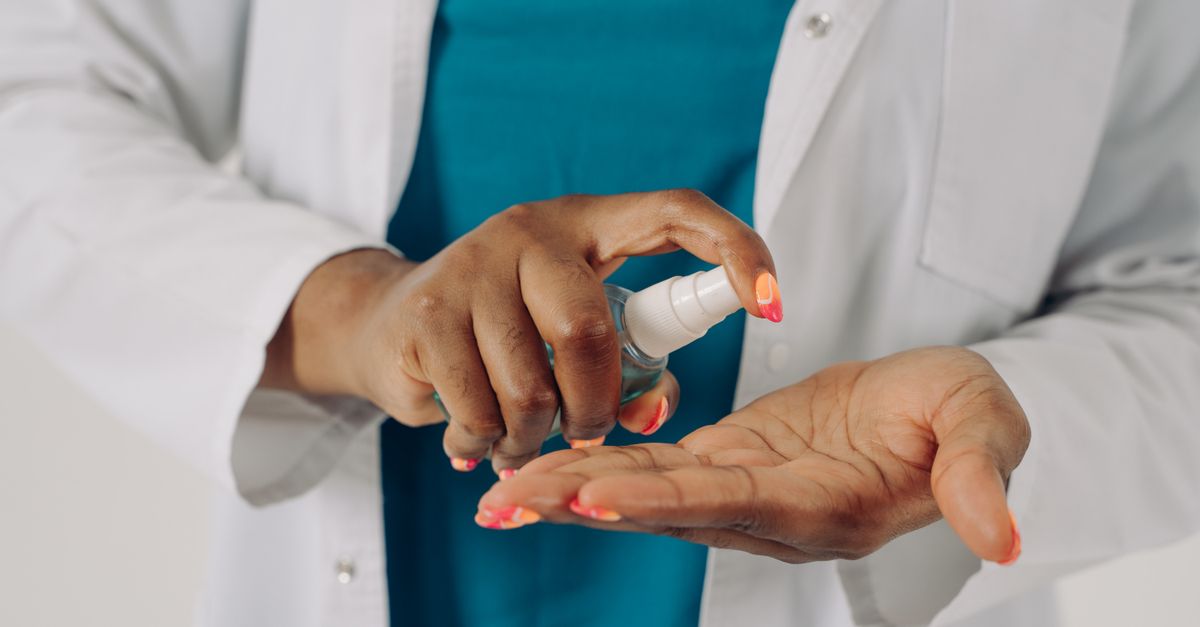
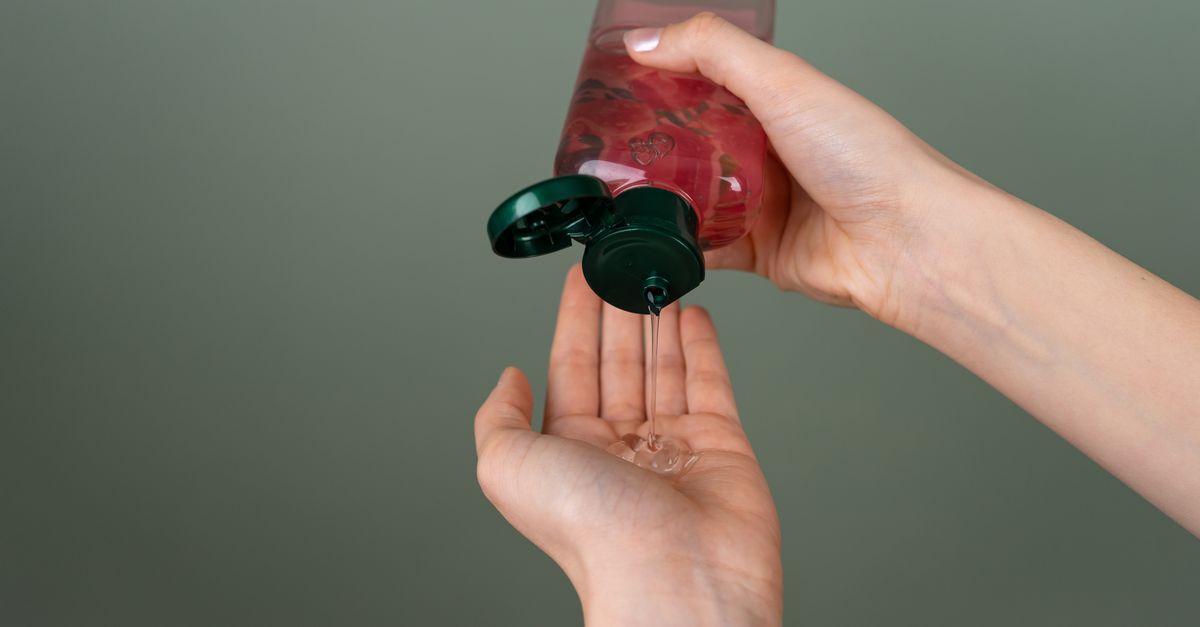
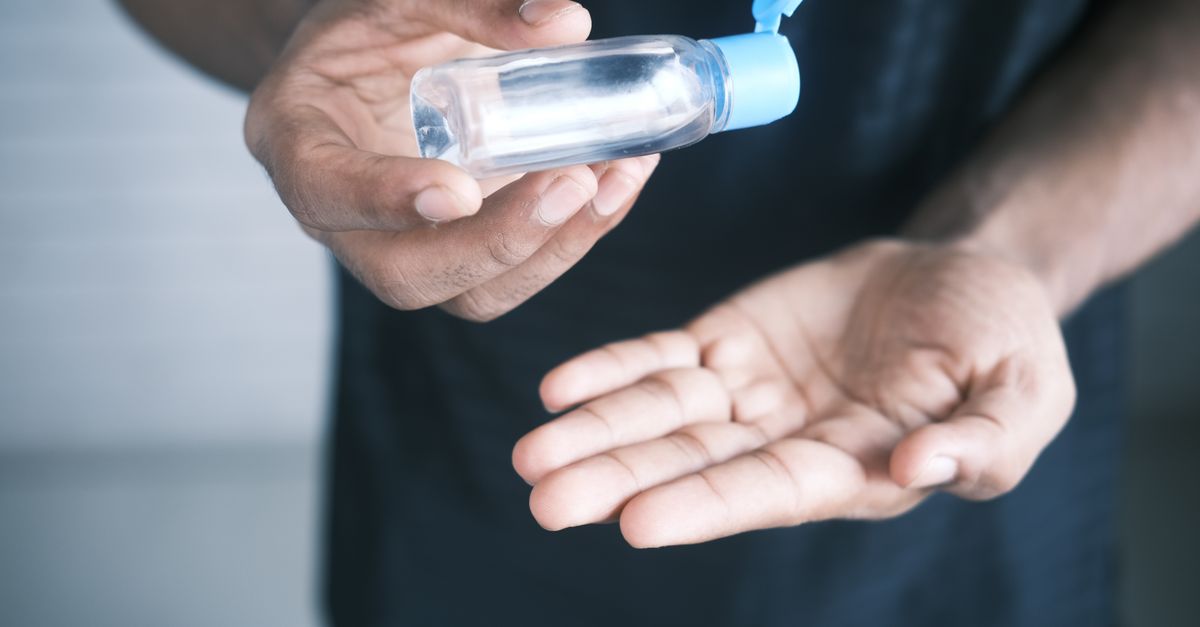
Dosage administration is strictly topical and relies on volume adequacy. The clinically effective dose requires dispensing a sufficient volume of the liquid or gel to completely saturate all surfaces of both hands. This includes the palmar surfaces, the dorsal surfaces, the interdigital spaces, and the highly colonized subungual regions beneath the fingernails.
The mechanical action of vigorous rubbing must be continuously sustained until the hands are entirely dry, which typically requires approximately twenty to thirty seconds. Patients must avoid manually wiping the product off with a towel before it has naturally evaporated, as this prematurely halts the biocidal protein denaturation process and severely compromises the antiseptic efficacy.
4. In-Depth Side Effects Analysis of Anti-Bacterial Hand Sanitizer
When strictly utilized as an external topical antiseptic on intact epidermis, alcohol-based hand rubs maintain a well-documented safety profile. However, the aggressive lipid-dissolving nature of the active ingredient inevitably leads to significant localized dermatological adverse events following chronic high-frequency usage.
Common Side Effects
The most universally documented adverse reaction is pronounced localized dermal desiccation. Alcohol aggressively strips away the natural sebum and protective lipid barrier of the stratum corneum. This chemical stripping leads to severe xerosis, localized flaking, and a pronounced sensation of physical tightness across the palmar and dorsal skin surfaces.
Serious Side Effects You Should Report
Immediate clinical intervention is required if the patient exhibits symptoms indicating an acute severe allergic contact dermatitis. Diagnostic red flags include the sudden aggressive onset of severe painful erythema, the rapid formation of weeping vesicular lesions, and intensely deep fissures that begin to actively bleed. These severe structural breakdowns provide a direct pathway for deeper secondary bacterial infections.
Rare Side Effects
In extraordinarily rare clinical scenarios involving chronic relentless application in highly unventilated spaces, mild inhalation toxicity can occur from the concentrated alcohol vapors. This may manifest as transient headaches or mild irritation of the respiratory mucosa. Additionally, highly sensitive individuals may develop a localized paradoxical inflammatory response resulting in severe localized hyperpigmentation following the resolution of the contact dermatitis.
Side Effects That Usually Do Not Require Medical Attention
A brief sharp stinging sensation occurring if the alcohol contacts microscopic invisible abrasions on the skin is an entirely expected physiological response to the chemical irritation and requires no medical assessment. A brief sensation of extreme localized cooling is merely the physical thermodynamic result of the rapid solvent evaporation.
| Side Effect Category | Specific Symptoms |
|---|---|
| Common | Severe dermal desiccation, localized epidermal flaking, physical skin tightness |
| Serious | Severe contact dermatitis, weeping vesicular lesions, deep actively bleeding fissures |
| Rare | Mild vapor inhalation toxicity, post-inflammatory localized hyperpigmentation |
5. Overdose Symptoms of Anti-Bacterial Hand Sanitizer and What to Do
A purely localized topical overdose on intact skin is not a recognized physiological event, though excessive volumes merely increase the duration of dermal desiccation. Conversely, acute systemic toxicity resulting from the massive unauthorized oral ingestion of the product represents a dire life-threatening medical emergency.
Initial clinical manifestations of an acute oral overdose present violently as severe acute alcohol intoxication. The patient will rapidly suffer from profound central nervous system depression characterized by slurred speech, severe ataxia, profound lethargy, and acute visual disturbances. As the alcohol rapidly absorbs into the systemic bloodstream, it dangerously suppresses the respiratory drive and can induce a profound hypoglycemic crisis.
If an acute massive oral ingestion is suspected, specifically in a pediatric demographic, emergency medical services must be immediately dispatched. Emesis must never be artificially induced, as the volatile alcohol vapors pose a massive risk for pulmonary aspiration and subsequent catastrophic chemical pneumonitis. Emergency hospital intervention requires aggressive intravenous fluid resuscitation and continuous respiratory monitoring.
6. Missed Dose and What to Avoid While Using Anti-Bacterial Hand Sanitizer
Because this specific formulation acts exclusively as an on-demand prophylactic surface antiseptic rather than a scheduled pharmaceutical drug, the concept of a missed dose is entirely irrelevant. The patient simply utilizes the product strictly when environmental exposure warrants immediate hand hygiene and aqueous washing facilities remain unavailable.
While actively utilizing this highly concentrated alcohol formulation, patients must strictly avoid immediately touching their eyes or any exposed mucosal membranes prior to complete product evaporation. Transferring high-concentration liquid alcohol directly into the ocular environment will provoke excruciating chemical burns to the cornea, requiring immediate prolonged saline irrigation to prevent permanent visual impairment.
Furthermore, patients must strictly avoid combining this product immediately alongside other aggressive topical antiseptic agents such as chlorhexidine surgical scrubs unless explicitly directed by a clinical protocol. Layering multiple aggressive chemical denaturants drastically magnifies the destruction of the dermal lipid barrier and exponentially increases the severity of the resulting contact dermatitis.
7. Drug and Alcohol Interactions with Anti-Bacterial Hand Sanitizer
When strictly utilized as a rapid-evaporating external topical agent on intact skin, ethyl or isopropyl alcohol exhibits absolutely zero pharmacokinetic interactions with systemically administered prescription medications. Patients actively undergoing aggressive systemic pharmacological treatments can safely utilize this topical hand rub without any risk of internal chemical interference or altered drug metabolism.
Topical medicinal interactions constitute the primary clinical concern. The aggressive solvent properties of the alcohol will immediately strip away any previously applied medicinal ointments, transdermal gels, or barrier creams. If a patient is actively treating the hands with a prescription topical corticosteroid, the sanitizer must be entirely avoided on that specific surface, as it will instantly dissolve and obliterate the therapeutic drug layer.
Systemic consumption of beverage alcohol does not biochemically interact with the localized topical application of hand sanitizer. The hepatic enzymatic pathways responsible for processing ingested ethanol function completely independent of the superficial protein denaturation occurring strictly on the epidermal surface of the hands.
8. Precautions, Safety, and Duration of Action for Anti-Bacterial Hand Sanitizer
The paramount clinical precaution involves rigorous dermal moisture management. Because chronic application aggressively dismantles the protective epidermal lipid barrier, patients must proactively implement a highly regimented emollient protocol. Applying a thick lipid-rich moisturizing barrier cream at the conclusion of the day is vital to artificially restore the lost lipids and prevent severe structural fissuring.
The pharmacological onset of action is essentially instantaneous upon physical contact, as the alcohol violently breaches the microbial cellular walls. However, this product possesses absolutely no residual therapeutic duration of action. Once the volatile alcohol entirely evaporates from the skin, the hands are instantly vulnerable to immediate re-colonization upon touching the very next contaminated environmental surface.
The safety profile for pregnant and lactating individuals is thoroughly established provided the product is utilized strictly topically in properly ventilated environments. The highly volatile nature of the short-chain alcohols ensures that percutaneous systemic absorption through intact stratum corneum is clinically negligible, posing absolutely zero pharmacological risk to fetal development or mammary tissues.
9. How to Stop Taking Anti-Bacterial Hand Sanitizer and Storage Guidelines
Cessation of this specific topical antiseptic can occur instantly without requiring any complex physiological tapering protocol. The human epidermis does not develop any form of chemical addiction or cellular reliance on topical denaturants. However, abrupt cessation without introducing routine aqueous soap washing will instantly revert the hands to serving as a highly active vector for infectious disease transmission.
The product container must be strictly stored at a stable controlled room temperature heavily shielded from direct ultraviolet radiation and intense thermal sources. Because the product is classified as a highly flammable liquid, it must be stored meticulously away from any open flames, active electrical sparks, or high-temperature industrial equipment.
The product must be stored securely out of the physical reach of pediatric populations to strictly prevent unauthorized access and the catastrophic risk of massive accidental oral ingestion. Disposal of the empty container must align rigorously with standard municipal waste guidelines ensuring no significant volume of highly flammable liquid remains to pose a hazard in municipal refuse facilities.
10. When to See a Doctor Regarding Anti-Bacterial Hand Sanitizer
Immediate emergency medical intervention is absolutely critical if a patient ingests a massive unsanctioned volume of the sanitizer. The abrupt violent onset of severe ataxia, profound lethargy, severe acute confusion, or the sudden loss of consciousness strongly indicates acute severe systemic alcohol poisoning and impending respiratory failure requiring urgent intravenous medical stabilization.
Patients must also urgently secure a dermatological consultation if they develop clinical signs of severe localized structural breakdown on the hands. Symptoms such as rapidly spreading painful weeping fissures, the sudden appearance of purulent malodorous discharge from the cracked skin, or deep radiating pain strongly suggest a severe secondary bacterial skin infection demanding prescription antibiotic intervention.
Finally, an immediate emergency ophthalmological assessment is rigorously required if the patient inadvertently transfers a significant volume of the liquid directly into the ocular cavity and the severe burning sensation or visual blurring does not rapidly resolve following a minimum of fifteen minutes of continuous aggressive sterile saline irrigation.
Frequently Asked Questions (FAQ)
1. How exactly does the alcohol kill the bacteria on my hands?
The highly concentrated alcohol violently breaks apart the protective outer walls of the bacteria. Once inside it aggressively attacks the internal proteins causing them to instantly unravel and clump together which entirely destroys the cellular structure and kills the organism immediately.
2. Why do my hands become so incredibly dry and cracked after using this repeatedly?
Alcohol is a highly aggressive chemical solvent. While it destroys bacteria it simultaneously dissolves and strips away the natural protective oils and lipids that keep your skin hydrated and structurally sound leading to rapid severe dryness and painful cracking.
3. Can I use this product to clean a deep cut or a bleeding wound?
Absolutely not. You must never apply this high-concentration alcohol directly into an open deep wound. It will cause excruciating chemical burning and it will actively destroy your own healthy exposed tissue severely delaying the natural physiological healing process.
4. Is it safe to immediately light a stove or a cigarette after applying this?
No it is extremely dangerous. The product is highly flammable and continuously releases invisible combustible vapors as it dries. You must wait until the liquid has completely evaporated and your hands are entirely dry before approaching any open flame or spark.
5. Will this completely replace the need for washing my hands with standard soap?
No. While it rapidly kills bacteria it cannot physically remove heavy dirt grease or dense organic matter from the skin surface. Soap and water are clinically superior because the mechanical friction physically washes the pathogens and the soil down the drain.
6. What should I immediately do if my child accidentally drinks from the bottle?
This is a severe life-threatening pediatric medical emergency. Do not attempt to make the child vomit as they could inhale the toxic vapors into their lungs. Immediately contact emergency medical services or your regional poison control center for rapid hospital transport.
7. Does the product continue to kill new bacteria an hour after I apply it?
No. The product has absolutely zero residual killing power. It only kills the bacteria present at the exact moment of application. The second the alcohol fully evaporates your hands are instantly vulnerable to picking up new bacteria from the next surface you touch.
8. Can I use this product effectively if my hands are visibly covered in thick mud?
No. Thick layers of organic soil grease or dirt create a physical barrier that the alcohol simply cannot penetrate. The sanitizer will only sterilize the top layer of the dirt while the bacteria hiding underneath remain completely untouched and highly active.
9. Why does it briefly sting if I do not have any visible cuts on my hands?
Even if you cannot visually see them daily life creates thousands of microscopic invisible abrasions in your outer skin layer. The concentrated alcohol rapidly seeps into these microscopic cuts and severely irritates the exposed underlying nerve endings causing the sharp stinging.
10. Is the alcohol absorbed directly through my skin into my bloodstream?
When applied strictly to intact healthy skin the absorption is clinically negligible. The alcohol is highly volatile and evaporates into the surrounding air vastly faster than it can penetrate deeply enough to enter your systemic venous blood supply.
Bibliography
Disclaimer: The content is for informational purposes only and does not replace medical advice. Always consult your doctor or pharmacist for personalized treatment.