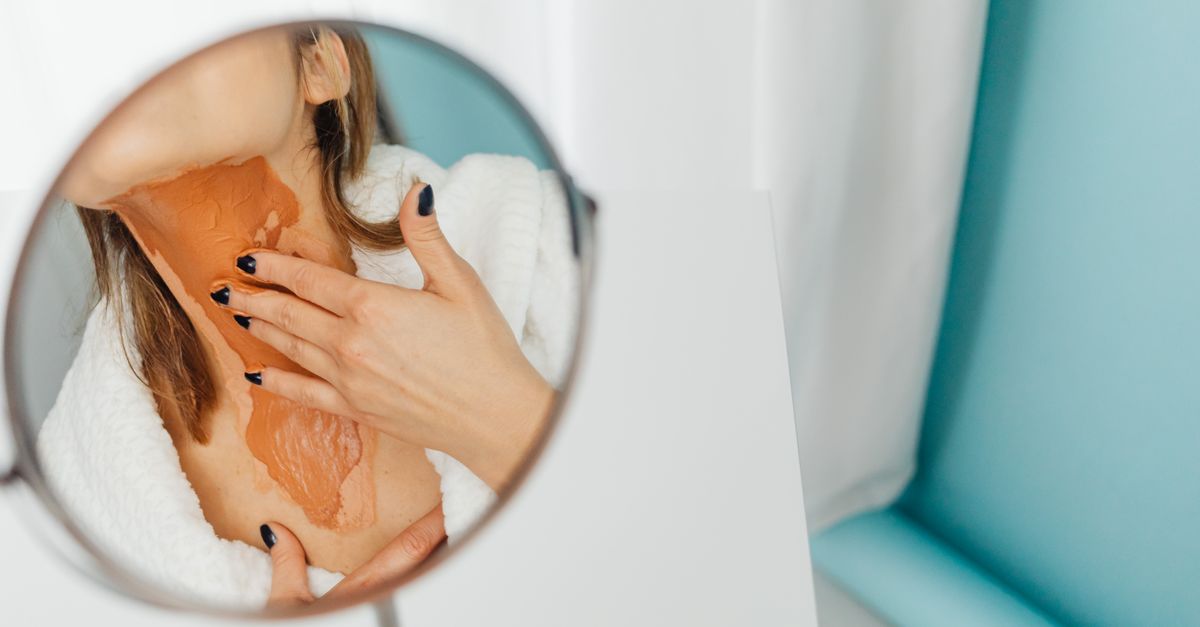
Arctic Blast Pain Releiving is a topical analgesic formulation combining menthol and synthetic camphor to provide targeted counter-irritant therapy for musculoskeletal discomfort. The most notable side effect involves localized dermal irritation, frequently presenting as intense stinging, redness, or a severe burning sensation at the application site, particularly if the skin is compromised or artificially occluded.
1. Introduction & Mechanism of Action of Arctic Blast Pain Releiving
The therapeutic efficacy of this formulation is derived entirely from the powerful pharmacological actions of its two active ingredients. Menthol and synthetic camphor operate primarily as aggressive counter-irritants. Menthol binds directly to the TRPM8 cold receptors within the epidermis, triggering a profound cooling sensation that rapidly distracts the central nervous system from underlying deep tissue pain signals.
Simultaneously, synthetic camphor activates the TRPV1 and TRPA1 receptors, initiating a localized warming sensation and superficial vasodilation. This widening of the superficial capillaries increases local blood flow, generating a sensation of heat. According to the gate control theory of pain, this intense, alternating sensory input of hot and cold effectively floods the local nerve pathways. This massive sensory distraction actively overrides the slower, deeper nociceptive pain signals originating from strained muscle tissue or inflamed joints, providing immediate, temporary relief.
2. Warnings & Before Applying Arctic Blast Pain Releiving
Applying this potent chemical mixture to actively bleeding skin, severe abrasions, or sensitive mucous membranes is strictly contraindicated. The introduction of these vasodilating and irritating botanical agents into broken dermal barriers will cause excruciating pain and profound systemic absorption, bypassing the intended superficial mechanism.
Patients must strictly avoid applying a tight bandage or plastic wrap over the treated area. Occlusion dramatically traps the volatile compounds, drastically increasing systemic absorption and elevating the risk of severe chemical burns. Furthermore, patients with a known hypersensitivity to terpenes, essential oils, or specific camphor compounds must avoid this product to prevent aggressive allergic contact dermatitis.
3. Indications & Dosage Guide for Arctic Blast Pain Releiving
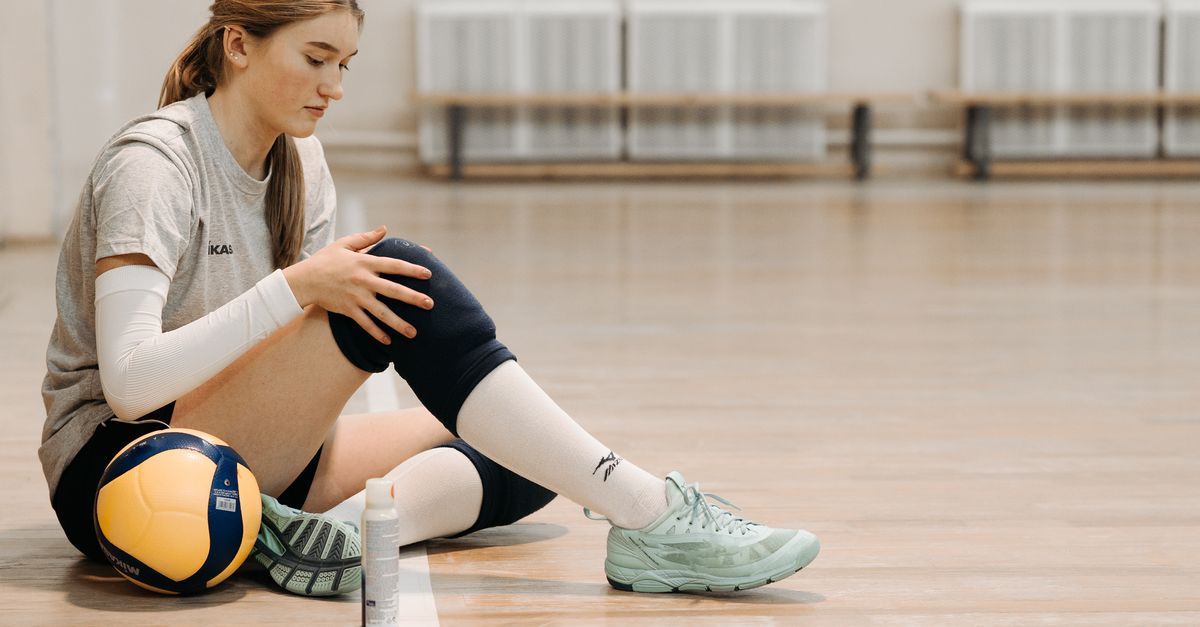
This topical analgesic is clinically indicated for the temporary, symptomatic relief of minor aches and pains associated with the musculoskeletal system. It is highly effective for managing the localized discomfort of simple backaches, arthritis, muscle strains, severe bruises, and acute sports-related sprains.
For optimal clinical efficacy, adults should apply a thin, uniform layer of the formulation directly to the affected area no more than three to four times daily. The medication must be gently massaged into the skin until completely absorbed. Patients must thoroughly wash their hands with strong soap and cold water immediately following application to prevent the accidental transfer of the highly irritating chemicals to the eyes, nose, or other sensitive mucous membranes.
4. In-Depth Side Effects Analysis of Arctic Blast Pain Releiving
Common Side Effects
The expected physiological response to a powerful counter-irritant involves localized sensory manipulation. Patients universally report an intense, alternating sensation of cooling and warming, often accompanied by superficial erythema directly resulting from the intended localized vasodilation. Mild, transient stinging upon initial application is entirely standard and indicates the product is activating the sensory receptors.
Serious Side Effects You Should Report
While systemic toxicity is rare when used correctly on intact skin, severe localized dermatological reactions demand immediate medical assessment.
| Side Effect Category | Specific Symptoms |
|---|---|
| Severe Chemical Burns | Intense, unremitting pain, severe blistering, deep tissue sloughing |
| Camphor Toxicity | Severe dizziness, confusion, nausea, muscular tremors |
| Allergic Hypersensitivity | Widespread hives, swelling of the face and throat, respiratory distress |
Rare Side Effects
In exceedingly rare instances, chronic over-application on massive surface areas can precipitate acute systemic camphor toxicity, which requires immediate emergency intervention to manage neurological symptoms. Very rare cases of localized tissue necrosis have occurred when the product was improperly combined with tight occlusion and applied external heat.
Side Effects That Usually Do Not Require Medical Attention
A lingering mentholated odor and a mild sensation of tingling that resolves within an hour of application are benign consequences of the active ingredients interacting with the sensory nerves. These minor issues resolve quickly once the carrier vehicle and volatile oils evaporate completely.
5. Overdose of Arctic Blast Pain Releiving
A systemic overdose resulting in toxicity through standard topical application is highly improbable on small surface areas. However, an extreme topical overdose achieved by slathering the cream over the entire body can induce systemic camphor poisoning, leading to severe neurological disturbances including profound confusion and potentially fatal seizures.
Accidental oral ingestion is a severe pediatric medical emergency. Both menthol and camphor are highly toxic when swallowed. Symptoms include severe vomiting, hyperventilation, high fever, and sudden seizures. Immediate transport to an emergency department is absolutely mandatory. Medical professionals will utilize activated charcoal and aggressive supportive care to manage the severe central nervous system toxicity.
6. Missed Dose & What to Avoid While Using Arctic Blast Pain Releiving
Because this topical analgesic is utilized entirely on an as-needed basis for pain symptom management, missing an application poses no clinical risks. Patients should simply apply the cream when the musculoskeletal pain returns, ensuring they do not exceed the maximum of four daily applications.
Most critically, patients must absolutely avoid using a heating pad, hot water bottle, or taking a hot shower immediately before or after application. External heat maximizes vasodilation and forces the volatile oils deep into the tissues, frequently resulting in severe, full-thickness skin blistering and third-degree chemical burns.
7. Drug & Alcohol Interactions with Arctic Blast Pain Releiving
Because the active ingredients primarily exert a localized superficial effect, transdermal drug interactions with systemic oral medications are exceptionally rare. However, for patients managing severe, widespread musculoskeletal inflammation, reviewing diclofenac guidelines is helpful, as combining a prescription topical NSAID with strong over-the-counter counter-irritants requires careful timing to prevent overwhelming the epidermal barrier.
Systemic alcohol consumption does not chemically interact with the topical treatment. However, frequent alcohol intake can induce systemic vasodilation and dull the central nervous system response to pain, potentially causing the patient to ignore the warning signs of a severe localized chemical burn developing under the analgesic cream.
8. Precautions, Safety & Duration of Action for Arctic Blast Pain Releiving
The analgesic and counter-irritant action initiates within minutes of application and generally provides symptomatic relief for two to four hours. This medication is intended exclusively for short-term symptomatic relief. If joint or muscle pain persists beyond seven consecutive days, or progressively worsens, the patient must stop the medication and seek professional diagnostic imaging to rule out severe structural damage.
Store the formulation at ambient room temperature, strictly away from direct sunlight and open flames, as the volatile compounds are highly flammable. Extreme heat can separate the emulsion and degrade the menthol and camphor compounds, reducing their therapeutic efficacy and potentially altering their chemical structure.
9. How to Stop Using Arctic Blast Pain Releiving & Storage/Disposal
Discontinuing this medication requires no tapering protocol. Patients can safely stop administration at any time once their underlying musculoskeletal pain has adequately resolved. No physiological withdrawal symptoms will occur.
Unused or expired medication should be disposed of in accordance with regional pharmaceutical waste guidelines. Do not wash massive quantities of the cream down the sink, as potent volatile oils and heavy counter-irritants can persist in local wastewater treatment facilities and severely disrupt chemical balances.
10. When to See a Doctor Regarding Arctic Blast Pain Releiving
Immediate clinical consultation is necessary if the patient develops severe blistering, deep skin ulceration, or extreme pain at the application site, indicating a severe chemical burn. If the patient begins to experience profound lethargy, severe confusion, or unexpected muscular tremors, this points toward systemic camphor toxicity, mandating immediate emergency medical intervention.
11. Frequently Asked Questions (FAQ)
1. How exactly does this formulation stop my pain?
It uses a distraction method called counter-irritation. The menthol creates a strong cooling feeling, and the camphor creates a warming sensation, which overrides the deeper pain signals traveling to your brain.
2. Why is it highly dangerous to use a heating pad with this cream?
The cream already opens your blood vessels and acts as an irritant. Adding a heating pad forces the chemical deeply into your skin and blood, frequently causing severe, painful chemical burns and blisters.
3. Can I use this product if I have sensitive skin?
Individuals with sensitive skin must proceed cautiously. Apply a very small amount to your inner arm first and wait twenty-four hours to ensure you do not develop a severe allergic rash.
4. Is it safe to wrap my knee tightly with a bandage after applying the cream?
No. Wrapping the area tightly creates occlusion, which traps the heat and the chemical, drastically increasing the risk of burning your skin and absorbing too much medication systemically.
5. Why do I need to wash my hands immediately after applying it?
The active ingredients are highly irritating to delicate tissues. If you rub your eyes or touch mucous membranes with the residue on your hands, it will cause excruciating pain and burning.
6. Can I use this on a scrape or an open cut to numb the pain?
No. Applying this to broken skin will cause severe burning pain and allow the chemicals to enter your bloodstream too rapidly, completely bypassing the skin barrier.
7. How many times a day can I safely apply this?
Clinical guidelines strongly recommend applying the formulation no more than three to four times within a twenty-four-hour period to prevent severe skin damage and potential systemic toxicity.
8. Can I use this cream to treat severe nerve pain?
While it may provide very temporary superficial relief through distraction, counter-irritants are generally ineffective for true neuropathic pain and are better suited for muscle and joint aches.
9. Will this medicine interact with my daily oral prescriptions?
Systemic interactions are very rare when applied correctly to a small area of intact skin, but you should always verify new topical treatments with your primary care physician.
10. Is this product safe to use on my lower back during pregnancy?
Because systemic absorption of camphor carries potential risks during fetal development, you must explicitly clear its use with your obstetrician before application.
12. Bibliography
Disclaimer: The content is for informational purposes only and does not replace medical advice. Always consult your doctor or pharmacist for personalized treatment.