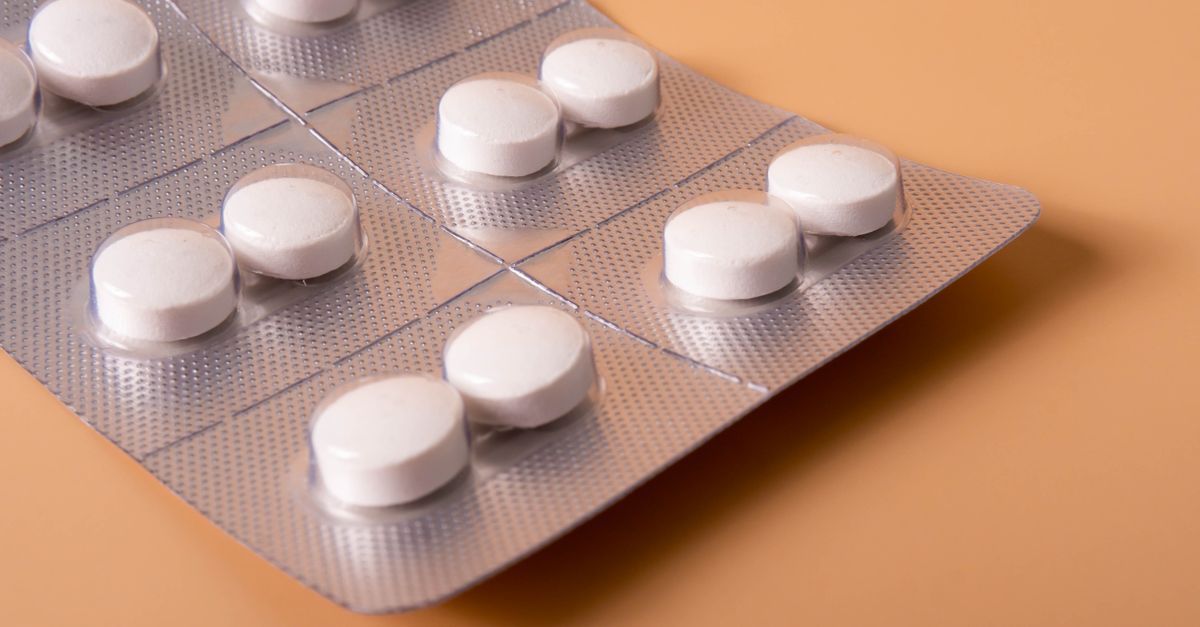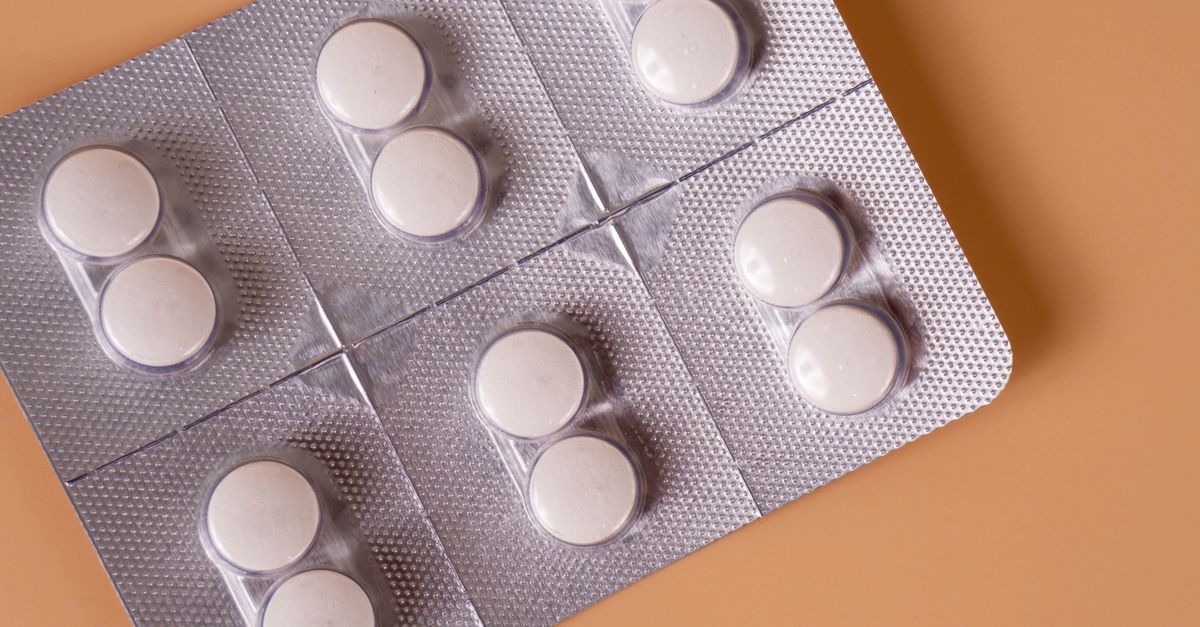
Aspirin Pain Reliver is a widely utilized nonsteroidal anti-inflammatory drug prescribed for the management of mild to moderate pain, fever, and inflammation. The most clinically significant side effect is severe gastrointestinal toxicity, which can manifest as asymptomatic mucosal ulcerations leading to life-threatening internal hemorrhage.
1. Mechanism of Action of Aspirin Pain Reliver
The active pharmaceutical ingredient in this medication is aspirin, also known as acetylsalicylic acid. Aspirin operates by irreversibly inhibiting the cyclooxygenase enzymes, specifically COX-1 and COX-2. These enzymes are critical catalysts in the biosynthesis of prostaglandins and thromboxanes from arachidonic acid. By blocking COX-2, aspirin reduces the production of pro-inflammatory prostaglandins, directly mitigating pain, fever, and localized inflammation.
Crucially, aspirin irreversibly inactivates COX-1 in blood platelets. This prevents the synthesis of thromboxane A2, a potent inducer of platelet aggregation and vasoconstriction. Because platelets lack a nucleus, they cannot synthesize new cyclooxygenase enzymes. Therefore, a single dose of aspirin inhibits the function of exposed platelets for their entire eight-to-ten-day lifespan, producing a profound and sustained antithrombotic effect.
2. Warnings and Prerequisites Before Taking Aspirin
A critical warning accompanies the use of aspirin in pediatric populations. Children and teenagers recovering from viral infections, particularly influenza or varicella, must never be given aspirin due to the severe risk of Reye syndrome. This is a rare but highly lethal condition characterized by sudden, massive hepatic failure and acute toxic encephalopathy leading to brain swelling and coma.
Aspirin is contraindicated in patients with a known history of active peptic ulcer disease or severe gastrointestinal bleeding. Individuals suffering from the aspirin triad—comprising asthma, nasal polyps, and aspirin intolerance—are at a high risk for experiencing severe, sudden bronchospasm and anaphylaxis upon ingestion. Patients with severe renal or hepatic impairment must use this drug with extreme caution, as it is metabolized by the liver and excreted by the kidneys.
3. Indications and Dosage Guide for Aspirin Pain Reliver
This medication is indicated for the temporary relief of mild to moderate pain associated with headaches, muscle aches, toothaches, menstrual cramps, and minor arthritis pain. It is also indicated as an antipyretic agent to reduce fever in adults.
For analgesic and antipyretic purposes, the standard adult dosage ranges from three hundred and twenty-five milligrams to six hundred and fifty milligrams taken orally every four to six hours as needed. The maximum daily dose must not exceed four thousand milligrams in a twenty-four-hour period. To mitigate gastric irritation, the medication must be administered with a full glass of water and preferably taken with food or immediately following a meal.
4. In-Depth Side Effects Analysis of Aspirin
While highly effective, the systemic inhibition of prostaglandins by aspirin leads to significant side effects, predominantly affecting the gastrointestinal and hematological systems.
Common Side Effects
Gastrointestinal distress is the most frequently reported adverse event. Patients commonly experience dyspepsia, mild epigastric pain, nausea, and heartburn. Minor bruising or prolonged bleeding from superficial cuts is highly common due to the irreversible inhibition of platelet aggregation. Mild, transient dizziness may also occur in some individuals.
Serious Side Effects You Should Report
The sudden onset of severe abdominal pain, vomiting material resembling coffee grounds, or the passage of black, tarry stools represents a medical emergency indicative of severe gastrointestinal hemorrhage. Signs of an acute hypersensitivity reaction, including wheezing, facial edema, and severe urticaria, require immediate medical intervention. Unexplained, spontaneous subcutaneous hematomas indicate severe coagulopathy.
Rare Side Effects
In rare instances, high-dose aspirin therapy can induce severe hepatotoxicity or acute interstitial nephritis leading to renal failure. Aplastic anemia and agranulocytosis are highly unusual but documented hematological complications. In patients with compromised cardiovascular function, high doses may precipitate sodium and water retention, exacerbating heart failure.
Side Effects That Usually Do Not Require Medical Attention
Mild, transient indigestion that resolves with food intake generally does not require medical cessation of the drug. A slight increase in the time required for a minor scratch to stop bleeding is an expected pharmacological consequence of the medication.
| Side Effect Category | Specific Symptoms |
|---|---|
| Common | Dyspepsia, heartburn, mild nausea, prolonged bleeding time |
| Serious | Gastrointestinal hemorrhage, black tarry stools, severe bronchospasm |
| Rare | Hepatotoxicity, renal failure, aplastic anemia, Reye syndrome |
| Requires no medical attention | Mild transient indigestion, slightly increased bleeding from minor cuts |
5. Overdose Symptoms and Emergency Management
An overdose of aspirin, known clinically as salicylism, is a severe and potentially fatal toxicological emergency. Early symptoms include profound tinnitus, severe vertigo, nausea, vomiting, and diaphoresis. As toxicity progresses, patients experience severe hyperventilation leading to respiratory alkalosis, which quickly transitions into a profound and dangerous metabolic acidosis, hyperthermia, seizures, and eventual coma.
Immediate transportation to an emergency department is vital. Initial management involves gastrointestinal decontamination with activated charcoal if ingestion was recent. Severe toxicity requires aggressive intravenous fluid resuscitation and the administration of sodium bicarbonate to alkalinize the urine, which forces the salicylic acid out of the brain tissues and significantly accelerates its excretion through the kidneys. Emergency hemodialysis is required for massive overdoses or if renal failure occurs.
6. Missed Dose Protocol and What to Avoid
When utilized for acute pain or fever, this medication is taken strictly on an as-needed basis, making a missed dose protocol irrelevant. However, if the patient is on a strict scheduled regimen mandated by a physician, a missed dose should be taken as soon as remembered. If it is almost time for the next scheduled dose, the missed dose must be skipped. Never double a dose to compensate.
Patients must strictly avoid consuming alcohol while taking aspirin. The combination of alcohol and aspirin drastically damages the gastric mucosal barrier, exponentially increasing the risk of severe, sudden gastrointestinal ulceration and hemorrhage. Furthermore, patients must avoid using this medication immediately prior to dental work or scheduled surgeries due to the high risk of uncontrolled intraoperative bleeding.
7. Drug and Alcohol Interactions with Aspirin Pain Reliver
Alcohol consumption is strictly prohibited due to the synergistic erosive effects on the gastric lining, which severely elevate the risk of lethal internal bleeding.
Aspirin exhibits profound pharmacological interactions with numerous medications. Concurrent administration with systemic anticoagulants, such as warfarin or direct oral anticoagulants, severely compounds the risk of catastrophic bleeding. Combining aspirin with other nonsteroidal anti-inflammatory drugs, such as ibuprofen, increases gastrointestinal toxicity and negates the cardioprotective effects of aspirin by competing for the COX-1 binding site. Aspirin can also increase the toxicity of methotrexate by decreasing its renal clearance.
8. Precautions, Safety, and Duration of Action
The onset of analgesia typically occurs within thirty minutes of ingestion, with peak effects reached within one to two hours. The analgesic duration lasts approximately four to six hours. However, the antithrombotic effect on platelets lasts for the entire life of the platelet, approximately eight days, requiring cessation of the drug well in advance of invasive procedures.
Aspirin use during pregnancy is highly restricted. High doses must be avoided, particularly during the third trimester, as it can cause premature closure of the fetal ductus arteriosus, leading to severe fetal pulmonary hypertension, and can significantly prolong maternal labor and increase postpartum hemorrhage. Low-dose aspirin is only utilized during pregnancy under strict supervision by a maternal-fetal medicine specialist for specific high-risk conditions.
9. How to Stop Taking Aspirin Pain Reliver and Storage/Disposal
For acute pain management, patients may discontinue aspirin immediately once symptoms resolve without any tapering process. If the patient has been placed on an aspirin regimen for cardiovascular protection, they must never stop the medication abruptly without consulting their cardiologist, as cessation can trigger a rapid rebound in platelet aggregation and precipitate an acute myocardial infarction.
The medication must be stored at room temperature in a tightly sealed container, strictly protected from moisture and high humidity, which can cause the acetylsalicylic acid to hydrolyze into acetic acid and salicylic acid. If the tablets emit a strong odor reminiscent of vinegar, they have degraded and must be discarded. Dispose of expired medication safely via a pharmacy take-back program.
10. When to See a Doctor
Immediate emergency medical attention is required if the patient vomits blood, passes black or bloody stools, or experiences a sudden, severe asthma attack following ingestion. These are signs of life-threatening gastrointestinal hemorrhage and acute aspirin-induced hypersensitivity, respectively.
Patients must consult a physician if their pain persists for more than ten days, or if a fever lasts for more than three days despite treatment. Furthermore, if the patient develops unexplained, widespread bruising, bleeding gums, or a persistent ringing in the ears, a clinical evaluation is mandatory to rule out coagulopathy or salicylism.
Frequently Asked Questions (FAQ)
1. Can I give this medication to my child for a fever?
No. Children and teenagers recovering from viral infections like the flu or chickenpox must never take aspirin due to the severe risk of Reye syndrome, a rare but highly fatal brain and liver condition.
2. Why does my stomach hurt when I take this on an empty stomach?
Aspirin inhibits the production of prostaglandins that protect your stomach lining from natural digestive acids. Taking it with food or milk helps buffer this effect and reduces gastric irritation.
3. Will this pill help prevent a heart attack?
While low-dose aspirin is sometimes prescribed for cardiovascular protection, you must never start an daily aspirin regimen without direct authorization from your cardiologist due to the severe bleeding risks.
4. Why do my pills smell like vinegar?
If aspirin is exposed to moisture, it breaks down into acetic acid, which smells like vinegar. The medication is degraded, potentially more irritating to the stomach, and must be thrown away safely.
5. Is it safe to take this before a dental extraction?
No. Aspirin stops your blood from clotting properly for over a week. You must inform your dentist that you are taking it, and they will likely instruct you to stop taking it several days before the procedure.
6. Can I take ibuprofen at the same time for severe pain?
Taking aspirin and ibuprofen together is strictly discouraged. It significantly increases your risk of severe stomach bleeding and ulcers without providing much additional pain relief.
7. What does ringing in the ears mean?
Tinnitus, or ringing in the ears, is a classic warning sign that your blood levels of aspirin are becoming dangerously high. You must stop taking the medication and consult a doctor immediately.
Bibliography
Disclaimer: The content is for informational purposes only and does not replace medical advice. Always consult your doctor or pharmacist for personalized treatment.