
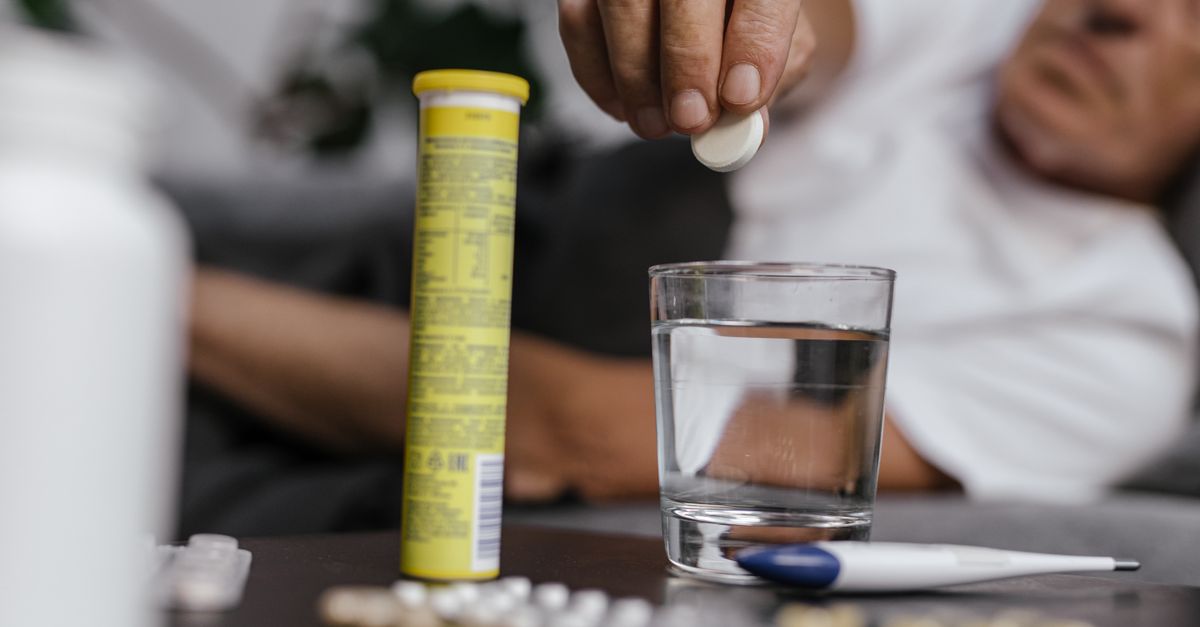
1. What are Aspirin Packs and How Do They Function?
Aspirin Packs are single-dose oral powder formulations containing aspirin, a nonsteroidal anti-inflammatory drug, designed to be dissolved in water for rapid systemic absorption. Medically indicated for the relief of minor aches, pains, and fever, the most severe and life-threatening side effect associated with aspirin is catastrophic gastrointestinal hemorrhage resulting from the drug’s potent antiplatelet and ulcerogenic properties.
Aspirin operates pharmacologically by irreversibly inhibiting the cyclooxygenase enzymes, specifically COX-1 and COX-2. By permanently acetylating a specific serine residue within the active site of these enzymes, aspirin completely halts the conversion of arachidonic acid into prostaglandins and thromboxanes. The reduction of prostaglandins centrally and peripherally provides highly effective antipyretic, analgesic, and anti-inflammatory relief.
Simultaneously, the irreversible inhibition of COX-1 severely depletes the synthesis of thromboxane A2 within blood platelets. Thromboxane A2 is a critical lipid mediator required for platelets to clump together and form stable blood clots. Because platelets lack the cellular machinery to synthesize new COX-1 enzymes, this antiplatelet effect lasts for the entire lifespan of the platelet, approximately eight to ten days, rendering the patient highly susceptible to prolonged bleeding.
2. Critical Warnings Before Utilizing Oral Aspirin
The most critical absolute warning regarding aspirin use involves pediatric patients. Aspirin is strictly contraindicated in children and teenagers recovering from viral infections, particularly influenza or varicella, due to the severe risk of Reye syndrome. Reye syndrome is a rare, rapidly progressive, and frequently fatal condition characterized by acute metabolic encephalopathy and massive hepatic steatosis.
Patients with a documented history of severe gastrointestinal ulcers, active bleeding disorders such as hemophilia, or severe hepatic impairment must entirely avoid systemic aspirin therapy. The drug severely damages the protective mucosal lining of the stomach while simultaneously crippling the blood’s ability to clot, creating a perfect physiological environment for massive, fatal gastric hemorrhages.
Individuals with the clinical triad of asthma, nasal polyps, and aspirin intolerance must exercise extreme caution. In these specific patients, ingesting aspirin shifts arachidonic acid metabolism entirely toward the lipoxygenase pathway, resulting in a massive overproduction of leukotrienes. This triggers sudden, severe, and potentially fatal bronchospasms and anaphylaxis-like respiratory failure.
3. Indications and Proper Dosing Guide for Salicylates
Aspirin Packs are medically indicated for the temporary relief of headaches, muscle aches, toothaches, menstrual cramps, and minor arthritis pain. Due to the powder format, the medication dissolves rapidly, providing a faster onset of analgesia compared to heavily coated solid tablets.
The standard adult dosage for acute pain relief is typically one to two powder packs dissolved fully in a large glass of water, administered every four to six hours as needed. Patients must never exceed the maximum daily limit indicated on the packaging, which is generally four thousand milligrams within a twenty-four-hour period. Exceeding this limit massively elevates the risk of severe renal toxicity and irreversible hearing loss.
To minimize severe gastrointestinal irritation, the dissolved aspirin solution must always be consumed on a full stomach or immediately following a substantial meal. Ingesting high doses of liquid aspirin on an empty stomach allows the highly acidic compound to directly attack the unprotected gastric mucosa, rapidly inducing painful erosive gastritis.
4. In-Depth Side Effects Profile of Systemic Aspirin
While providing highly effective pain relief, the irreversible inhibition of cyclooxygenase enzymes produces a severe and highly predictable profile of systemic adverse events, primarily involving the gastrointestinal and hematological systems.
Common Side Effects
The most frequently observed adverse reactions are gastrointestinal in nature. Patients routinely experience moderate dyspepsia, heartburn, mild epigastric pain, and transient nausea. Due to the systemic antiplatelet effects, patients also frequently notice an increased tendency to bruise easily from minor trauma and prolonged bleeding from superficial cuts.
Serious Side Effects You Should Report
Severe gastrointestinal hemorrhage is a critical complication requiring immediate emergency intervention. Symptoms include vomiting material that resembles dark coffee grounds, passing black, tarry stools, and sudden, profound weakness or fainting. Additionally, patients must immediately report any sudden ringing in the ears or significant hearing loss, as this indicates direct ototoxicity from elevated salicylate levels.
Rare Side Effects
Extremely rare but catastrophic complications include hemorrhagic stroke, where the profound antiplatelet effect allows a ruptured cerebral blood vessel to bleed uncontrollably into the brain tissue. Furthermore, chronic high-dose aspirin therapy can precipitate analgesic nephropathy, leading to severe, progressive, and irreversible chronic kidney disease.
Side Effects That Usually Do Not Require Medical Attention
Mild, transient gastrointestinal upset that resolves rapidly with the ingestion of food or antacids is a standard physiological response to the medication. Minor, superficial bruising that heals normally without spreading does not warrant emergency medical intervention but should be monitored.
| Side Effect Category | Specific Symptoms |
|---|---|
| Common | Heartburn, dyspepsia, mild epigastric pain, easy bruising |
| Serious | Black tarry stools, vomiting blood, ringing in the ears, profound weakness |
| Rare | Hemorrhagic stroke, Reye syndrome in children, analgesic nephropathy |
| Self-Limiting | Transient mild nausea, minor superficial bruising |
5. Recognizing Symptoms of Salicylate Toxicity and Overdose
An acute massive overdose of aspirin precipitates salicylism, a highly dangerous medical emergency caused by the accumulation of salicylic acid in the systemic circulation. Initial toxicity symptoms include profound, deafening ringing in the ears, severe dizziness, extreme nausea, violent vomiting, and an unexplained soaring fever.
As the toxicity progresses, it severely disrupts the central respiratory centers in the brain, causing rapid, uncontrollable hyperventilation. This induces respiratory alkalosis, which the body attempts to counter, ultimately resulting in severe metabolic acidosis. The patient will exhibit profound lethargy, severe confusion, and a highly altered mental status, eventually leading to generalized seizures and fatal cardiovascular collapse.
Immediate emergency intervention is absolutely critical. Hospital management of severe aspirin toxicity requires aggressive intravenous hydration and the immediate administration of sodium bicarbonate to alkalinize the blood and urine. Alkalinization traps the salicylate ions in the urine, rapidly accelerating their excretion from the body. In catastrophic overdoses, emergency hemodialysis is the only definitive method to clear the drug and save the patient’s life.
6. Missed Dose Protocol and Crucial Clinical Avoidances
Because Aspirin Packs are utilized strictly on an as-needed basis for acute pain management, a traditional missed dose schedule does not apply. If the patient requires further analgesia, they should simply ingest the next dose once the safe dosing interval of four to six hours has elapsed. Patients must never double a dose to compensate for severe pain, as this guarantees a massive spike in gastrointestinal toxicity.
While utilizing systemic aspirin, patients must strictly avoid the consumption of alcoholic beverages. Alcohol severely irritates the gastric mucosa. Combining heavy alcohol consumption with the ulcerogenic properties of aspirin exponentially multiplies the absolute risk of suffering a massive, life-threatening gastric hemorrhage.
Furthermore, patients must absolutely avoid taking aspirin for at least seven to ten days prior to any scheduled surgical or dental procedure. Because the drug irreversibly destroys the clotting ability of platelets for their entire lifespan, operating on a patient actively taking aspirin will result in catastrophic, uncontrollable surgical bleeding.
7. Pharmacological Drug Interactions with Oral Aspirin
Aspirin possesses a highly aggressive pharmacological interaction profile, particularly concerning hematological pathways. Concurrent use of warfarin or other direct oral anticoagulants is strictly contraindicated unless specifically managed by a cardiologist. Combining a potent antiplatelet agent with a systemic anticoagulant completely decimates the body’s entire coagulation cascade, inevitably leading to severe internal hemorrhage.
Concomitant administration with other nonsteroidal anti-inflammatory drugs, such as ibuprofen or naproxen, is highly dangerous. These drugs compete for the same cyclooxygenase enzymes and heavily compound the damage to the gastric mucosa, drastically elevating the risk of bleeding ulcers while providing no additional analgesic benefit.
Aspirin heavily interacts with systemic corticosteroids. Steroids increase the renal clearance of salicylates, potentially lowering aspirin levels. However, if the steroid is suddenly discontinued while the aspirin dose remains high, salicylate levels can abruptly spike to toxic concentrations. Additionally, the combination highly exacerbates the risk of severe gastrointestinal ulceration.
8. Safety Precautions and Duration of Action
The analgesic and antipyretic duration of action for a single dissolved dose of aspirin generally persists for approximately four to six hours. However, the critical antiplatelet effect is permanent for the affected platelets, persisting for eight to ten days until the bone marrow can manufacture an entirely new supply of functional blood platelets.
Routine clinical caution is mandatory for elderly patients. Advanced age significantly increases the fragility of the gastric mucosa and the cerebral vasculature. Elderly patients are at a profoundly elevated risk of suffering a fatal gastrointestinal bleed or a hemorrhagic stroke from doses of aspirin that younger adults tolerate easily.
Patients must understand that while low-dose daily aspirin is frequently prescribed for cardiovascular prophylaxis, utilizing high-dose Aspirin Packs is strictly for short-term acute pain management. Chronic, unmonitored daily use of high-dose powder packs guarantees the eventual development of severe gastric ulcers and chronic renal impairment.
9. Discontinuing the Medication and Proper Storage Guidelines
Discontinuing the short-term use of aspirin for acute pain carries no physiological withdrawal symptoms. However, if a patient is utilizing aspirin under a cardiologist’s directive for secondary prevention of a heart attack, they must never abruptly discontinue the medication without medical approval, as this can trigger a dangerous rebound effect and precipitate a massive myocardial infarction.
Proper storage is critical to prevent the chemical degradation of the active ingredient. The individual powder packets must remain perfectly sealed and stored at room temperature, strictly protected from high humidity and extreme heat. Exposure to moisture causes aspirin to rapidly hydrolyze into salicylic acid and acetic acid, recognizable by a strong vinegar-like odor, which renders the medication highly toxic to the stomach.
Dispose of expired or unneeded aspirin packets according to local chemical waste regulations. Patients must never flush large quantities of pharmaceutical powders down a toilet, as the active chemical compounds heavily contaminate municipal water supplies and severely disrupt local aquatic ecosystems.
10. When to Seek Medical Attention for Bleeding Complications
Immediate emergency medical evaluation is absolutely critical if a patient exhibits any severe signs of gastrointestinal hemorrhage. The sudden onset of vomiting bright red blood, vomiting material resembling dark coffee grounds, or passing foul-smelling, black, tarry stools requires urgent transport to an emergency department for life-saving blood transfusions and endoscopic repair.
Seek prompt medical care if the patient develops severe, unexplained bruising across the torso, bleeding from the gums that will not stop, or a sudden, excruciating headache unlike any experienced before, which could indicate a hemorrhagic stroke. Any sudden ringing in the ears or significant loss of hearing demands immediate cessation of the drug and clinical evaluation for salicylate toxicity.
11. Frequently Asked Questions (FAQ)
1. Why shouldn’t I give this powder to my teenager for their fever?
Aspirin is strictly linked to Reye syndrome in children and teenagers recovering from viral infections. This is a rare but highly fatal disease that rapidly destroys the brain and liver.
2. Can I drink a glass of wine after taking an aspirin pack?
You must strictly avoid alcohol. Combining alcohol with aspirin massively increases the physical damage to your stomach lining, significantly raising your risk of a bleeding ulcer.
3. Why do I need to stop taking this before getting a tooth pulled?
Aspirin permanently disables your blood platelets from forming clots. If you take it before surgery or dental extractions, the dentist will not be able to stop the surgical bleeding.
4. The powder smells strongly of vinegar; is it safe to use?
No. A strong vinegar odor indicates that moisture has entered the packet and the aspirin has chemically broken down into highly irritating acids. You must throw the packet away immediately.
5. Can I take ibuprofen a few hours after taking this powder if I still have pain?
No. Combining aspirin with other anti-inflammatory drugs like ibuprofen massively increases your risk of severe stomach bleeding and kidney damage without providing better pain relief.
6. How long does the blood-thinning effect last after taking one dose?
While the pain relief only lasts about four to six hours, the blood-thinning effect is permanent for the affected platelets and lasts for eight to ten days until your body makes new platelets.
7. Why does my stomach hurt so much when I take this on an empty stomach?
Aspirin is a highly acidic medication that directly strips the protective mucus layer from your stomach. You must always dissolve it fully and drink it on a full stomach to prevent severe chemical irritation.
12. Bibliography
Disclaimer: The content is for informational purposes only and does not replace medical advice. Always consult your doctor or pharmacist for personalized treatment.
