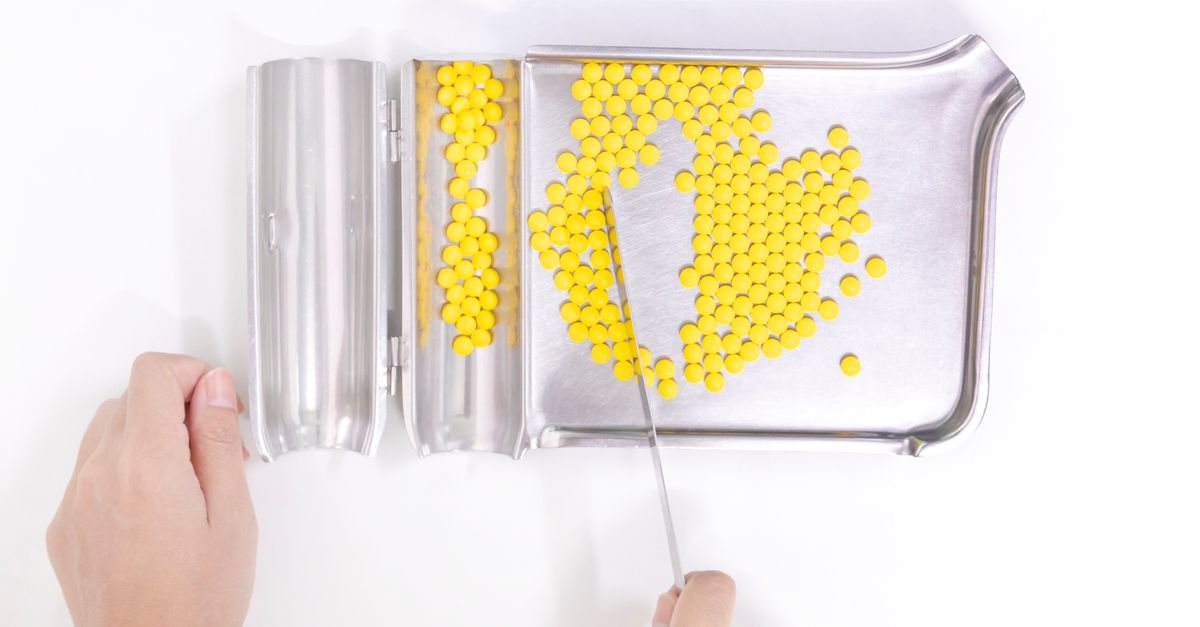
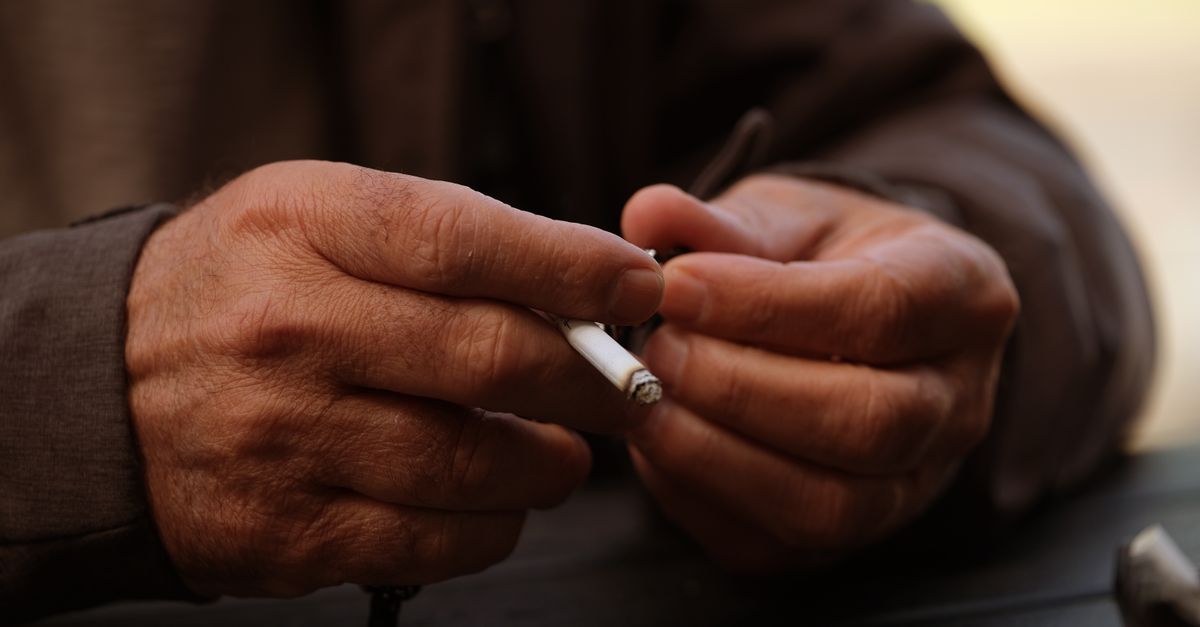
Basic Care Nicotine is a nicotine replacement therapy designed to assist in smoking cessation by reducing withdrawal symptoms and physical cravings. The most frequent side effects are localized irritation at the administration site and mild systemic symptoms such as headaches or vivid dreams as the body adjusts to the altered nicotine delivery method.
1. Introduction & Mechanism of Action of Nicotine Replacement
Nicotine replacement therapy operates on the principle of providing a controlled, steadily decreasing dose of nicotine to a patient attempting to quit smoking. Nicotine is a highly potent parasympathomimetic alkaloid that acts as an agonist at nicotinic acetylcholine receptors situated throughout the central and peripheral nervous systems. In smokers, repeated exposure to tobacco smoke leads to neuroadaptation and an increased density of these receptors, which drives physical dependence.
When a patient stops smoking, the abrupt absence of nicotine causes these receptors to remain unoccupied, triggering intense physiological withdrawal symptoms. Basic Care Nicotine, available in forms such as transdermal patches or oral lozenges, supplies therapeutic doses of the alkaloid directly into the systemic circulation. This process mitigates the severity of withdrawal manifestations, including severe irritability, anxiety, and profound cravings.
Unlike combustible tobacco products, this therapeutic intervention delivers nicotine without the thousands of toxic, carcinogenic chemical compounds generated by burning tobacco leaves. The controlled absorption rate also prevents the rapid neurological spikes in dopamine that reinforce the addictive behavior associated with smoking a cigarette.
2. Warnings & Before Taking Basic Care Nicotine
Patients with an unstable cardiovascular history must undergo a thorough clinical evaluation before initiating nicotine replacement therapy. Nicotine is a known vasoconstrictor that elevates blood pressure and increases the resting heart rate. Individuals who have recently suffered a myocardial infarction, those presenting with life-threatening arrhythmias, or patients experiencing severe angina pectoris should use this medication only under strict cardiological supervision.
Furthermore, individuals suffering from chronic dermatological conditions such as severe eczema or psoriasis should be cautious if utilizing the transdermal patch formulation. The adhesive and the continuous chemical exposure can cause severe contact dermatitis, making oral formulations a more appropriate clinical choice.
Pregnant women must carefully weigh the risks and benefits with their healthcare provider. While nicotine replacement therapy exposes the fetus to fewer toxins than continued cigarette smoking, nicotine itself crosses the placental barrier and can negatively impact fetal neurodevelopment and cardiovascular health.
3. Indications & Dosage Guide for Nicotine Replacement Therapy
Basic Care Nicotine is indicated solely as a temporary aid to smoking cessation for adult habitual smokers. The structured step-down therapy is designed to wean the patient off nicotine entirely over a period of eight to twelve weeks. For behavioral support during this challenging period, some clinicians might recommend therapies or medications that assist with the psychological aspects of addiction, such as bupropion.
Dosing is strictly determined by the patient’s baseline smoking habits. For transdermal patches, patients who consume more than ten cigarettes a day typically begin on the highest dose step, applying one new patch daily to a clean, hairless area of skin. The dose is incrementally reduced over several weeks until complete cessation is achieved.
For oral lozenges or gums, the dose depends on the time of the first morning cigarette. Patients who smoke within thirty minutes of waking require a higher initial concentration. It is imperative to follow the specific chewing or dissolving instructions, known as the “park and chew” method for gum, to ensure buccal absorption rather than swallowing the nicotine directly into the stomach.
4. In-Depth Side Effects Analysis of Nicotine
The side effect profile of this medication depends heavily on the route of administration and the patient’s baseline tolerance to the alkaloid.
Common Side Effects
For transdermal patches, localized skin erythema and mild itching at the application site are highly common. Patients frequently report vivid, sometimes disturbing dreams and mild insomnia if the patch is worn overnight. Oral formulations commonly cause transient hiccups, mild nausea, and a localized tingling sensation in the mouth or throat.
Serious Side Effects You Should Report
Symptoms of cardiovascular distress demand immediate clinical attention. These include a persistent, rapid heart rate, sudden severe dizziness, or chest palpitations. Severe allergic reactions, presenting as widespread urticaria, facial swelling, or severe dyspnea, represent medical emergencies.
Rare Side Effects
In rare instances, patients may experience severe gastrointestinal disturbances, including persistent vomiting or severe diarrhea, indicating potential systemic nicotine toxicity. Extreme mood swings or a profound worsening of depressive symptoms should also be evaluated promptly by a clinician.
Side Effects That Usually Do Not Require Medical Attention
Mild headaches during the first few days of therapy are standard as the body adjusts to the new, stable blood levels of the drug. Temporary changes in taste perception or slight dry mouth from oral formulations typically resolve without intervention.
| Side Effect Category | Specific Symptoms |
|---|---|
| Dermatological (Patch) | Redness, itching, mild rash at site |
| Neurological | Vivid dreams, mild headache, insomnia |
| Gastrointestinal (Oral) | Hiccups, mild nausea, throat irritation |
5. Overdose Risks with Nicotine Replacement Therapy
Nicotine overdose is a serious, potentially fatal condition resulting from massive overstimulation of the central and peripheral nervous systems. Overdose is rare when following cessation protocols but can occur if a patient simultaneously smokes cigarettes while heavily utilizing patches and lozenges.
Early symptoms of acute nicotine toxicity include severe nausea, hyper-salivation, abdominal cramping, and cold sweats. As the toxicity progresses, the patient may experience severe confusion, dangerous fluctuations in blood pressure, muscular tremors, and profound weakness. In extreme cases, the respiratory muscles can become paralyzed, leading to terminal respiratory failure.
If an overdose is suspected, all nicotine administration must cease immediately. Transdermal patches must be quickly removed, and the skin gently washed with plain water to clear residual drug. Emergency medical services must be contacted immediately, as severe toxicity requires supportive clinical care, including respiratory assistance and cardiac monitoring in an intensive care unit.
6. Missed Dose & What to Avoid
If a patient forgets to apply their daily transdermal patch, they should apply a new one as soon as they remember and resume their normal schedule the following day. It is strictly forbidden to apply two patches simultaneously to compensate for a missed dose, as this will rapidly precipitate systemic toxicity.
While utilizing this therapy, patients must completely avoid smoking conventional cigarettes, utilizing electronic vaporizers, or chewing tobacco. The simultaneous intake of nicotine from multiple sources overwhelms the cardiovascular system and nullifies the purpose of the cessation program.
For patients using oral lozenges or gum, acidic beverages such as coffee, fruit juices, or carbonated sodas must be avoided for at least fifteen minutes prior to and during use. Acidic environments in the mouth drastically reduce the buccal absorption of nicotine, rendering the medication largely ineffective.
7. Drug & Alcohol Interactions with Nicotine
The cessation of smoking itself, rather than the introduction of the replacement therapy, alters how the body processes certain medications. Combustible tobacco smoke contains polycyclic aromatic hydrocarbons that induce hepatic cytochrome P450 enzymes. When a patient stops smoking, the metabolic rate of these enzymes decreases, potentially increasing the serum concentration of drugs like insulin, theophylline, and certain psychiatric medications. Dosages of these maintenance drugs may require clinical adjustment.
Nicotine can mildly interact with sympathomimetic drugs, such as certain decongestants, by compounding the cardiovascular stimulatory effects. It may also alter the clinical effectiveness of alpha-blocking and beta-blocking antihypertensive medications.
Alcohol consumption presents a significant behavioral risk rather than a severe pharmacokinetic interaction. Alcohol dramatically lowers inhibitions and often serves as a primary psychological trigger for smoking. Consuming alcohol during the critical weeks of a cessation attempt significantly increases the likelihood of a behavioral relapse.
8. Precautions, Safety & Duration of Action
Patients suffering from severe hyperthyroidism, pheochromocytoma, or insulin-dependent diabetes must be closely monitored during nicotine replacement therapy. Nicotine triggers the release of catecholamines from the adrenal medulla, which can exacerbate the clinical manifestations of these complex endocrine disorders.
The duration of action for transdermal patches provides a slow, continuous release over sixteen to twenty-four hours, ensuring stable baseline plasma levels. Oral formulations act much faster, providing a localized spike in plasma concentration within fifteen to thirty minutes, mimicking the rapid relief of a cigarette to combat acute cravings.
Therapy is strictly intended to be a temporary bridge. The standard protocol dictates a step-down approach ending entirely after three months. Prolonged use beyond this timeframe simply substitutes one mechanism of addiction for another and requires re-evaluation by a cessation specialist.
9. How to Stop Taking Nicotine & Storage/Disposal
Stopping nicotine replacement therapy is achieved through the structured, gradual reduction of the dosage over several weeks. Once the lowest therapeutic step is completed, the patient simply stops utilizing the product. Abruptly stopping from a high-dose step will immediately precipitate the intense withdrawal symptoms the medication was designed to prevent.
Proper storage of the medication is vital. Transdermal patches must remain sealed in their individual protective pouches until the exact moment of application. All formulations must be kept at controlled room temperature, safely shielded from severe heat and moisture.
Disposal of used products requires extreme care. Even after twenty-four hours of wear, a transdermal patch retains a clinically significant amount of active nicotine. Used patches must be folded completely in half with the adhesive sides pressed together and discarded securely in a sealed trash receptacle to prevent lethal accidental ingestion by children or domestic animals.
10. When to See a Doctor
Medical intervention is necessary if a patient attempts the cessation protocol but continues to experience unmanageable withdrawal symptoms or intense cravings that lead to persistent relapses. A clinician may need to adjust the dosage step or introduce adjunctive prescription therapies.
Patients must seek emergency evaluation if they develop signs of severe cardiovascular distress, such as unremitting chest pain, a severely irregular pulse, or fainting spells. These symptoms suggest that the cardiovascular system is reacting adversely to the exogenous nicotine supply.
Furthermore, if a patient develops a severe, worsening skin rash beneath the transdermal patch that does not resolve upon removal, or if oral formulations cause chronic, painful ulcerations in the mouth, a physician must evaluate the reactions to prescribe an alternative cessation methodology.
Frequently Asked Questions (FAQ)
1. Can I smoke a cigarette if I experience a severe craving while wearing the patch?
You must absolutely never smoke a cigarette while utilizing a transdermal patch. Doing so floods your system with toxic levels of nicotine and places tremendous strain on your heart.
2. Why do I have such intense, vivid dreams while on this medication?
Continuous nicotine absorption through the skin overnight can stimulate the brain and disrupt normal sleep architecture, leading to vivid dreams. Removing the patch before bed usually resolves this.
3. Is it safe to cut the transdermal patch in half to lower my dose?
No, cutting the patch destroys the carefully engineered time-release mechanism. This causes a rapid, uncontrolled release of the drug into your skin.
4. Can I swallow the saliva when chewing the nicotine gum?
You should minimize swallowing the saliva. Swallowed nicotine is broken down by the stomach and liver, rendering it ineffective for cravings and often causing severe nausea or heartburn.
5. How long will I need to stay on this replacement therapy?
The typical cessation program is designed to gradually taper your dependence over a period of eight to twelve weeks.
6. What should I do if the patch leaves my skin red and itchy?
Mild redness is normal. You must rotate the application site daily to allow the skin to rest. If the rash becomes severe or painful, consult a doctor.
7. Does this medication contain the cancer-causing chemicals found in cigarettes?
No, nicotine replacement therapy isolates the addictive compound to prevent withdrawal but strictly removes the tar, carbon monoxide, and known carcinogens found in tobacco smoke.
8. Can I drink coffee while using the oral lozenges?
You should wait at least fifteen minutes after drinking acidic beverages like coffee before using oral formulations, as acid blocks the absorption of the drug through the lining of your mouth.
Bibliography
Disclaimer: The content is for informational purposes only and does not replace medical advice. Always consult your doctor or pharmacist for personalized treatment.