1. Introduction & Mechanism of Action of Bupivacaine Hcl
Bupivacaine Hcl is a potent, long acting local anesthetic belonging to the amide class, utilized predominantly for regional nerve blocks, epidural anesthesia, and local infiltration. The most notable side effect involves profound systemic toxicity if the medication inadvertently enters the vascular space, leading to severe cardiac arrhythmias. This medication achieves its clinical purpose by reversibly halting the propagation of electrical signals along nerve fibers.
The active compound exerts its pharmacological effect by binding to the intracellular portion of voltage gated sodium channels residing in the neuronal cell membrane. By securely occluding these channels, bupivacaine completely prevents the massive influx of sodium ions that is required to depolarize the membrane and initiate an action potential.
Without the ability to generate or conduct action potentials, the sensory neurons are rendered temporarily inert. This creates a profound, localized block of pain signaling to the central nervous system. Because it is highly lipophilic, the molecule rapidly penetrates the nerve sheath and binds firmly to tissue proteins, resulting in a significantly prolonged duration of sensory and motor blockade compared to other local anesthetics.
2. Warnings & Before Taking Bupivacaine Hcl
Bupivacaine carries an absolute clinical warning regarding its severe cardiotoxic profile. Compared to other amide anesthetics, this drug binds much more tightly to cardiac sodium channels. If a significant volume of the medication is accidentally injected directly into a blood vessel, it can precipitate sudden, refractory ventricular fibrillation and complete cardiovascular collapse, which is notoriously difficult to resuscitate.
The zero point seven five percent concentration of this formulation is strictly contraindicated for obstetrical epidural anesthesia. Utilizing this high concentration during labor has been historically linked to profound, unresuscitable cardiac arrest in pregnant patients. Lower concentrations must be utilized for obstetrical analgesia.
Patients with severe hepatic impairment or diminished hepatic blood flow require meticulous dose reductions. The amide structure is metabolized almost entirely by the liver via the cytochrome P450 enzymes. In patients with advanced cirrhosis, the clearance of the drug is drastically reduced, leading to a high risk of toxic accumulation and delayed systemic toxicity.
3. Indications & Dosage Guide for Bupivacaine Hcl
This specialized anesthetic is clinically indicated for the production of local or regional anesthesia or analgesia for surgery, dental and oral surgery procedures, diagnostic and therapeutic procedures, and for obstetrical procedures.
The standard dosage varies heavily depending entirely on the area to be anesthetized, the vascularity of the tissues, the number of neuronal segments to be blocked, and the physical condition of the patient. Clinicians must always administer the lowest effective dose required to achieve the desired clinical result. The maximum recommended dose for a single healthy adult typically does not exceed one hundred and seventy five milligrams without epinephrine.
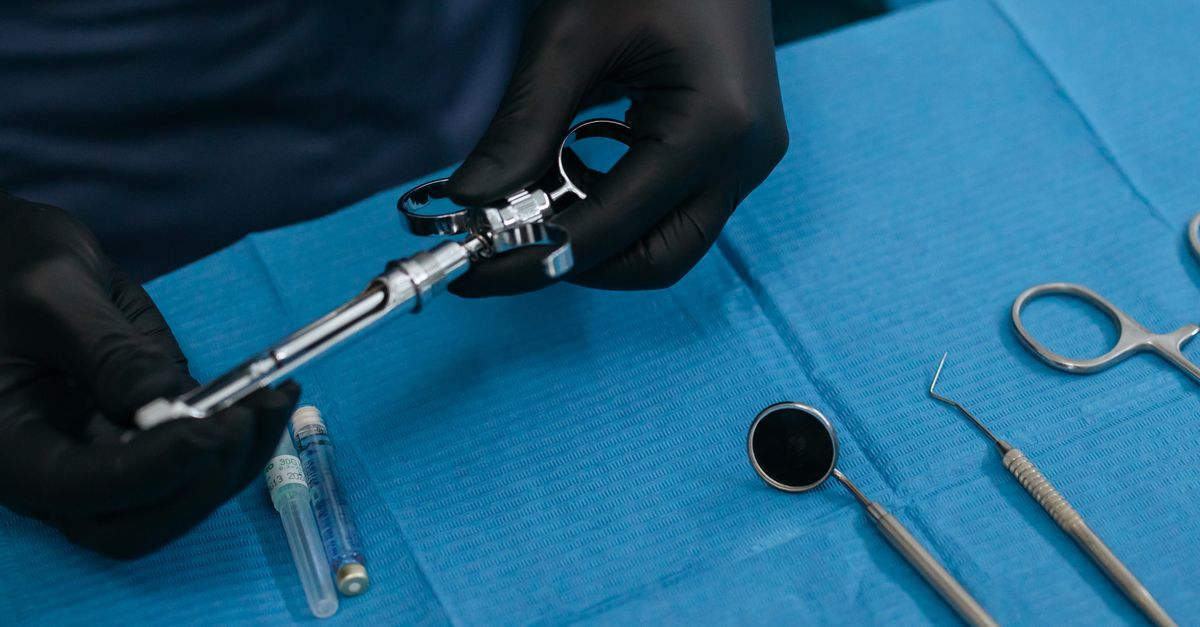
Administration requires precise anatomical knowledge and strict aspiration protocols. Prior to injecting the full volume, the clinician must aspirate the syringe to ensure the needle has not penetrated a blood vessel. The medication is delivered via slow, incremental injections, allowing the clinician to monitor the patient closely for any early signs of systemic entry.
4. In-Depth Side Effects Analysis of Bupivacaine Hcl
The adverse event profile is heavily divided between localized reactions at the injection site and the severe consequences of local anesthetic systemic toxicity.
4.1 Common Side Effects
Most patients experience minor sensory and motor alterations directly related to the intended nerve blockade resolving over time.
– Prolonged numbness and tingling in the anesthetized area
– Temporary motor weakness or paralysis of the blocked limb
– Mild localized pain or tenderness at the injection site
– Sensation of pressure during the initial injection
4.2 Serious Side Effects You Should Report
Any signs of central nervous system excitation or cardiovascular depression indicate systemic toxicity and demand immediate emergency intervention.
– Metallic taste in the mouth or numbness around the lips
– Ringing in the ears, visual disturbances, or severe dizziness
– Sudden muscle twitching or severe tremors
– Noticeable cardiac palpitations, chest pain, or severe shortness of breath
4.3 Rare Side Effects
In exceptionally rare instances, patients may develop an allergic response to the amide structure, presenting as urticaria or anaphylaxis. Prolonged or permanent nerve damage, presenting as persistent neuropathy or localized paralysis, can occur due to direct mechanical trauma from the needle or chemical neurotoxicity.
4.4 Side Effects That Usually Do Not Require Medical Attention
A brief period of mild shivering or localized warmth as the regional block takes effect is a common physiological response to vasodilation in the anesthetized extremity and does not indicate a medical hazard.
| Side Effect Category | Specific Symptoms |
|---|---|
| Central Nervous System | Perioral numbness, tinnitus, tremors, seizures |
| Cardiovascular | Hypotension, bradycardia, ventricular arrhythmias |
| Neurological | Prolonged motor weakness, persistent localized numbness |
| Immunological | Rare anaphylactoid reactions, hives |
5. Overdose Symptoms & Management for Bupivacaine Hcl
A pharmacological overdose, known clinically as local anesthetic systemic toxicity, constitutes a catastrophic medical emergency. This occurs through inadvertent intravascular injection or the administration of a massive dose into highly vascular tissue, leading to rapid systemic absorption.
Clinical manifestations follow a specific progression. Initially, the patient will exhibit central nervous system excitation, characterized by a metallic taste, tinnitus, agitation, and perioral numbness. This rapidly progresses to severe generalized seizures. Following the excitatory phase, the central nervous system severely depresses, leading to coma and respiratory arrest. Simultaneously, the cardiovascular system collapses, presenting as profound bradycardia, hypotension, and highly refractory ventricular arrhythmias.
Emergency management requires the immediate cessation of the injection. Airway management and oxygenation are paramount to prevent hypoxia, which worsens cardiotoxicity. Seizures are controlled with intravenous benzodiazepines. The definitive treatment for severe cardiovascular collapse induced by bupivacaine is the immediate administration of twenty percent intravenous lipid emulsion therapy, which acts as a lipid sink to pull the highly lipophilic drug away from the cardiac sodium channels.
6. Missed Dose & What to Avoid with Bupivacaine Hcl
Because this medication is administered exclusively by trained medical professionals in a clinical or surgical setting as a single injection or continuous infusion, the concept of a patient missing a dose is not applicable. The dosing schedule is managed entirely by the anesthesiologist or clinician.
Following a regional nerve block or epidural, patients must rigorously avoid mobilizing the anesthetized limb or attempting to walk unassisted until full sensory and motor function has completely returned. The lack of protective sensation heavily increases the risk of severe traumatic injury, thermal burns, or devastating falls.
Avoid consuming hot liquids or solid foods if the medication was utilized for an oral or dental nerve block. The profound numbness of the lips, tongue, and buccal mucosa drastically increases the likelihood of severe biting injuries or severe thermal burns to the oral cavity. For insights into post surgical pain management, review our clinical guide on oxycodone side effects.
7. Drug & Alcohol Interactions Involving Bupivacaine Hcl
The drug interaction profile demands careful consideration of concurrent systemic medications. Patients receiving antiarrhythmic drugs, particularly Class I agents like mexiletine or flecainide, must be monitored closely. These medications share a similar mechanism of sodium channel blockade; combining them with a local anesthetic produces additive, highly dangerous cardiac toxicity.
Concurrent administration of beta blockers or calcium channel blockers can severely compound the negative inotropic and chronotropic effects of systemic bupivacaine, leading to profound bradycardia and severe drops in blood pressure if the anesthetic reaches the systemic circulation.
Systemic alcohol consumption does not directly alter the localized nerve blockade. However, heavy alcohol use alters hepatic enzyme efficiency, which can theoretically delay the metabolic clearance of the drug from the bloodstream, prolonging the window of potential systemic toxicity following a large regional block.
8. Precautions, Safety & Duration of Action for Bupivacaine Hcl
The onset of anesthesia is relatively slow, typically requiring ten to twenty minutes to achieve a solid surgical block. However, the duration of action is exceptionally long, frequently providing profound sensory blockade and pain relief for up to eight to twelve hours, significantly reducing the immediate need for postoperative opioid analgesics.
In pediatric populations, dosing must be meticulously calculated based entirely on total body weight. Children possess different fluid distribution profiles and immature hepatic clearance pathways, increasing their susceptibility to toxic accumulation. Clinical monitoring must remain vigilant throughout the recovery period.
For pregnant patients, careful selection of the concentration is vital. While utilized extensively for labor epidurals at low concentrations, the drug is highly protein bound. Alterations in maternal protein levels during pregnancy can increase the free fraction of the drug in the blood, slightly increasing the risk of maternal systemic toxicity. The drug is generally considered safe for the fetus when administered correctly.
9. How to Stop Taking Bupivacaine Hcl & Storage Guidelines
Discontinuing the clinical effect relies entirely on the natural metabolic clearance of the drug by the liver. As the medication is slowly released from the nerve tissue into the bloodstream and broken down, sensory and motor function will gradually and naturally return. Patients frequently experience a tingling sensation as the nerve block wears off.
The sterile vials must be stored securely at room temperature in the clinical pharmacy or surgical suite. They must be protected from freezing temperatures, which can compromise the integrity of the glass vial and the chemical stability of the solution. Solutions containing epinephrine must be protected strictly from direct light to prevent oxidation.
Proper disposal of partially used vials and injection equipment is handled strictly by the medical facility. Needles must be discarded immediately in designated biological sharps containers to prevent accidental injury and maintain clinical safety protocols.
10. When to See a Doctor Regarding Bupivacaine Hcl
Immediate emergency evaluation is mandated if a patient experiences sudden, severe dizziness, ringing in the ears, metallic taste, or uncontrollable muscle twitching during or immediately after the injection, as these are the primary warning signs of impending systemic toxicity.
Patients must contact their physician urgently if the numbness or profound motor weakness in the anesthetized limb persists for more than twenty four hours after the procedure. This clinical presentation suggests potential nerve injury or localized hematoma compressing the nerve sheath, requiring immediate neurological evaluation.
A medical evaluation is also strictly necessary if the patient develops severe, spreading redness, intense pain, or purulent discharge at the injection site in the days following the procedure, indicating a severe localized bacterial infection introduced during the needle insertion.
Frequently Asked Questions (FAQ)
1. Why does this medication take so long to numb the area compared to other anesthetics?
Bupivacaine is a highly complex, lipophilic molecule. It physically takes more time to penetrate the thick outer sheath of the nerve bundle and bind securely to the receptors inside. However, this tight binding is also why the pain relief lasts for so many hours.
2. Is it safe to drive home after receiving a nerve block with this drug?
No. The medication causes profound motor weakness and numbness in the treated limb. If you receive a block in your arm or leg, you will lack the physical coordination and reaction time necessary to operate a vehicle safely. You must arrange for transportation.
3. Why did the doctor pull back on the syringe before injecting the medication?
The clinician must aspirate the syringe to ensure the tip of the needle is not resting inside a blood vessel. Injecting this specific medication directly into your bloodstream can cause severe, life threatening heart arrhythmias.
4. Can I request this specific medication for my dental filling?
While it can be used in dentistry, it is generally reserved for complex, highly painful oral surgeries where prolonged pain relief is required. For a simple filling, dentists typically use shorter acting anesthetics so your mouth does not remain numb for eight hours.
5. Why is my arm tingling as the numbness wears off?
As the medication slowly unbinds from your nerve receptors and is cleared by your body, the sensory signals begin to return. This transition phase frequently causes a sensation of pins and needles or tingling, which is completely normal.
6. Is it normal to feel pressure while the doctor is injecting the area?
Yes. The medication completely blocks the sharp sensation of pain, but the thicker nerve fibers that detect pressure and physical movement are less affected. You may still feel the doctor pressing or pulling during the procedure, but you should not feel sharp pain.
7. What should I do if I accidentally burn my numb hand on the stove?
Because you lack protective pain sensation, you must rely entirely on visual inspection. If you suffer a burn or injury while the area is numb, you must seek medical attention immediately to treat the wound, even though it currently does not hurt.
Bibliography
Disclaimer: The content is for informational purposes only and does not replace medical advice. Always consult your doctor or pharmacist for personalized treatment.