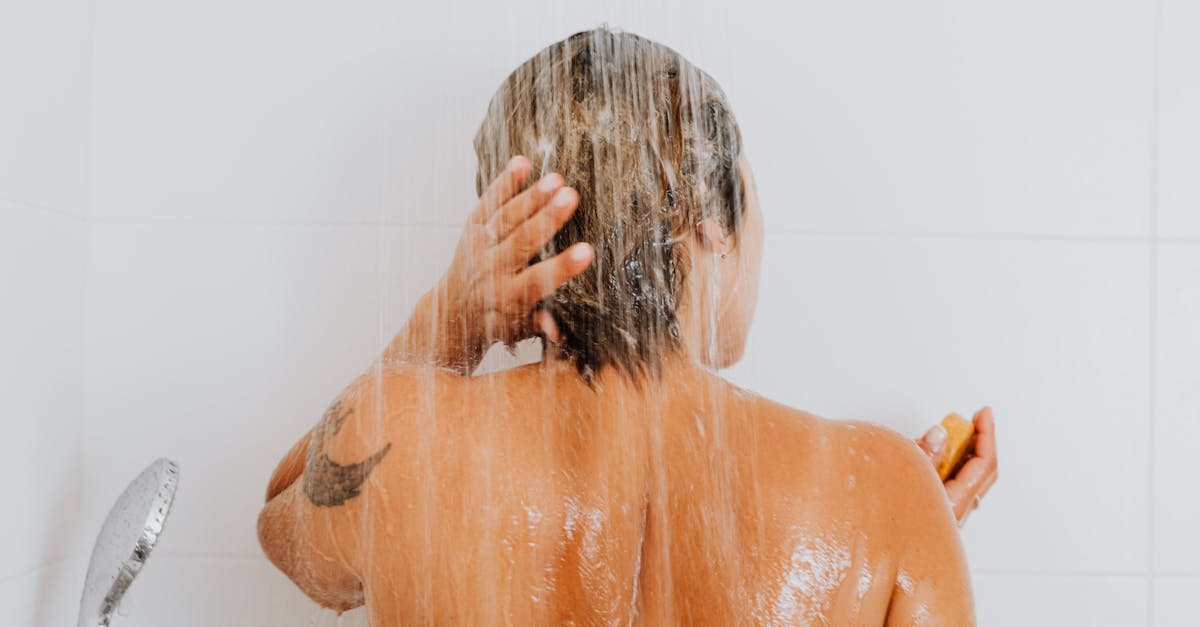
Careone Medicated Dandruff utilizes Selenium Sulfide as a highly potent topical antifungal and cytostatic agent to aggressively manage severe desquamative scalp conditions. The most prominent side effects associated with its application include highly localized scalp irritation, transient chemical discoloration of lighter hair shafts, and an aggressive, paradoxical alteration in baseline hair oiliness or dryness.
1. Introduction & Mechanism of Action of Selenium Sulfide
Selenium sulfide is a highly specialized inorganic compound that delivers a profound, dual-action therapeutic effect on the compromised scalp epidermis. Firstly, it functions as a highly potent fungistatic agent. It aggressively targets and inhibits the proliferation of Malassezia globosa, the highly specific fungal pathogen directly responsible for the localized inflammatory cascade that heavily drives seborrheic dermatitis and severe dandruff.
Secondly, selenium sulfide acts as a highly effective cytostatic agent. It chemically binds to the epidermal tissue and actively slows down the highly accelerated epidermal turnover rate characteristic of severe dandruff. By forcefully halting the rapid overproduction and aggressive shedding of dead keratinocytes, the compound strictly normalizes the stratum corneum, rapidly eliminating the severe, visible flaking and providing profound relief from the associated intense pruritus.
2. Warnings & Before Using Careone Medicated Dandruff
This highly potent medicated preparation is strictly contraindicated in patients presenting with a documented clinical hypersensitivity to selenium sulfide or any formulation excipients. Patients exhibiting severely inflamed, aggressively weeping, or actively bleeding scalp lesions must strictly avoid applying this product until the acute tissue damage has fully healed. Applying this highly caustic chemical agent to deeply compromised skin will provoke intense localized pain and significantly increase the risk of dangerous systemic absorption.
The product must be kept entirely away from the ocular cavity and all highly sensitive mucous membranes. If accidental ocular exposure occurs, the patient must immediately flush the eyes with copious amounts of sterile water to strictly prevent chemical conjunctivitis and highly severe corneal abrasion. Individuals actively using other harsh medicated scalp therapies must consult a dermatologist to vigorously prevent highly severe compounding tissue irritation.
3. Indications & Dosage Guide for Selenium Sulfide Shampoo
The primary clinical indication for this product is the highly specific symptomatic relief and ongoing management of severe dandruff, highly stubborn seborrheic dermatitis, and tinea versicolor of the scalp. It is intended for highly targeted, routine use to actively prevent the aggressive recurrence of flaking and intense scalp pruritus.
For optimal clinical efficacy, the user must aggressively apply a highly generous amount of the cleanser to thoroughly wet hair, massaging it firmly into the scalp to heavily ensure direct physical contact with the thickened epidermis. The potent lather must remain on the scalp for a strict two to three minutes before rinsing completely and thoroughly. For acute flares, dermatologists typically recommend utilizing the product twice weekly. Once severe symptoms are heavily controlled, frequency must be actively reduced to strictly prevent chemical toxicity.
4. In-Depth Side Effects Analysis of Selenium Sulfide
Because the active ingredient acts as a highly potent chemical cytostatic and antifungal agent, highly localized cutaneous reactions are the most routinely documented adverse events. The scalp possesses a dense network of highly sensitive hair follicles, making it acutely susceptible to heavy chemical irritation.
Common Side Effects
Users frequently report mild, transient stinging upon heavy application, particularly if the scalp has been recently vigorously scratched or heavily abraded. A highly paradoxical side effect is the sudden, severe alteration of hair texture, presenting as either extreme, unnatural dryness of the hair shafts or heavily excessive oiliness. A distinct, highly noticeable sulfurous odor often lingers heavily on the hair after use.
Serious Side Effects you should report
The sudden onset of acute allergic contact dermatitis constitutes a highly severe adverse reaction necessitating the immediate discontinuation of the therapy. Clinical manifestations include rapid, robust edema of the scalp or face, the sudden eruption of weeping vesicles, and intense, relentless burning. Any highly abnormal increase in severe, active hair loss or localized alopecia immediately following use requires rapid clinical assessment.
Rare Side Effects
A highly rare complication of prolonged, highly inappropriate daily use is localized hair follicle inflammation or paradoxical worsening of severe scalp desquamation. In highly idiosyncratic cases, prolonged daily contact with high concentrations of selenium sulfide on chemically treated or highly porous blonde, gray, or bleached hair can lead to severe, temporary chemical discoloration of the hair shaft.
Side effects that usually do not require medical attention
Slight, highly superficial flaking of the skin during the initial days of treatment as the product actively clears the built-up plaques is generally considered a highly expected physiological response. These highly minor adjustments require absolutely no specific clinical intervention and typically self-resolve completely as the scalp microbiome reaches a healthier equilibrium.
| Side Effect Category | Specific Symptoms |
|---|---|
| Expected Local Reactions | Mild stinging, excessive oiliness or dryness, strong sulfur odor |
| Severe Hypersensitivity | Profound scalp edema, vesicular eruptions, intense burning |
| Idiosyncratic Reactions (Rare) | Severe hair discoloration, localized acute hair loss |
5. Overdose Symptoms and Accidental Ingestion
Systemic overdose stemming from routine, highly appropriate topical application on the localized, intact scalp is physiologically highly improbable due to exceedingly negligible transdermal penetrability. The primary clinical risk of highly severe acute toxicity stems entirely and exclusively from the accidental gastrointestinal ingestion of the heavily concentrated liquid cleanser.
Swallowing selenium sulfide provokes highly severe gastrointestinal and systemic toxicity. Clinical signs of acute oral ingestion include sudden, profound nausea, severe abdominal cramping, highly violent vomiting, and an aggressive, metallic taste in the mouth. Massive ingestion can heavily lead to liver damage and systemic tremors. The immediate recommended clinical action is oral hydration and contacting emergency medical services. If a pediatric patient ingests the product, immediate transport to an emergency department is strictly mandated.
6. Missed Dose & What to Avoid While Using Careone Medicated Dandruff
This highly potent medicated cleanser is deployed strictly on a carefully scheduled or as-needed basis for symptomatic management. If a heavily scheduled wash is accidentally forgotten, the patient should simply utilize the product during their next routine shower. There is absolutely no clinical necessity to violently double the amount of product applied to compensate for a missed application.
Patients must strictly avoid layering this product concurrently with highly aggressive, harsh cosmetic scalp treatments. Utilizing heavy chemical relaxers, potent, permanent hair dyes, or strong perming solutions within forty-eight hours of applying selenium sulfide will aggressively strip the natural lipid layer, profoundly increasing the severe risk of extreme chemical irritation, severe hair breakage, and intense erythema on the scalp.
7. Drug & Alcohol Interactions with Topical Selenium Sulfide
Clinically relevant pharmacokinetic interactions between topically applied selenium sulfide and systemic oral medications are virtually nonexistent in highly standard medical practice. The exceedingly negligible rate of systemic absorption entirely prevents any highly meaningful chemical interference with hepatic metabolic pathways or systemic renal clearance.
Care should be heavily exercised when aggressively managing concurrent, active scalp dermatoses. If a patient is actively utilizing a highly potent prescription topical antifungal like ketoconazole for severe scalp inflammation, the medical treatments must be heavily separated temporally to completely prevent severe, compounding tissue toxicity. Systemic alcohol consumption does not alter the pharmacodynamics of the topical cleanser in any meaningful capacity.
8. Precautions, Safety & Duration of Action for Scalp Health
The overall functional duration of the highly therapeutic effect is heavily sustained by the microscopic physical deposition of the active compound onto the scalp tissue, which reliably provides aggressive antifungal and cytostatic coverage for several days between washes.
Dermatological safety reviews universally classify selenium sulfide as generally safe for highly controlled, restricted adult use. Special clinical precaution must be aggressively implemented for patients presenting with highly reactive, atopic skin profiles or severely damaged hair. Safety during pregnancy and severe lactation has not been heavily established, and pregnant individuals must strictly consult their obstetrician prior to initiating therapy with this highly potent active ingredient.
9. How to Stop Using the Product & Storage/Disposal Guidelines
Discontinuing the strict clinical use of this heavily medicated cleanser requires no physiological tapering schedule or highly complex adjustment period. Users may completely cease application entirely at any time. However, patients must be heavily advised that completely ceasing the active antifungal therapy will highly likely result in a gradual, aggressive return of the underlying seborrheic dermatitis symptoms as the Malassezia fungal population naturally rebounds.
Proper thermal storage is strictly imperative to robustly preserve the highly complex structural integrity of the active inorganic compound. The product must be stored tightly sealed at a highly stable room temperature, actively shielded from direct sunlight and freezing temperatures. The formulation must be rigorously shaken before each use to ensure proper chemical suspension. Expired bottles should be discarded safely in standard household refuse.
10. When to See a Doctor Regarding Scalp Irritation
Prompt medical evaluation is absolutely critical if the patient rapidly develops severe facial swelling that aggressively interferes with normal vision or breathing. The sudden emergence of highly painful, aggressively weeping fissures or severe blistering on the scalp that completely fails to heal following strict product discontinuation mandates a rapid, highly professional dermatological assessment.
If an erythematous, highly allergic rash extends rapidly beyond the localized scalp application site onto the highly sensitive neck or upper chest, a physician must be consulted immediately. If the patient experiences a sudden, highly severe increase in aggressive hair loss or notes profound, highly abnormal chemical discoloration of their hair that does not wash out, professional medical and dermatological intervention is strictly required.
Frequently Asked Questions (FAQ)
1. Why does my hair smell heavily like rotten eggs after using this?
Selenium sulfide is heavily derived from sulfur, which inherently possesses a highly distinct, highly pungent odor. Even after rinsing thoroughly, microscopic particles actively adhere to the scalp and hair shafts to provide the ongoing medication, leaving a highly noticeable, residual sulfur scent.
2. Will this highly active product change the color of my blonde hair?
Yes, it highly potentially can. If the highly active selenium sulfide is not thoroughly and completely rinsed out of heavily porous, gray, blonde, or chemically bleached hair, it can aggressively react with sunlight or trace metals in water, leading to a highly temporary but severe yellowish or orange discoloration.
3. Does this shampoo actively cause my hair to fall out?
No. While hair shedding is a rare documented side effect, severe dandruff and the aggressive scratching associated with it are vastly more likely to heavily damage the hair follicle and induce shedding. The medication itself does not chemically destroy the hair root.
4. Is it clinically safe to leave this product on my scalp for ten minutes for better results?
Absolutely not. Selenium sulfide is a highly potent, aggressive chemical agent. Leaving it on the delicate scalp tissue for extended periods beyond the strict three-minute recommendation will heavily guarantee severe chemical irritation, profound tissue desiccation, and acute irritant contact dermatitis.
5. Why is my hair suddenly incredibly oily after washing it with this?
This is a highly paradoxical, heavily documented pharmacological reaction. The aggressive stripping action of the active chemical can heavily trigger the sebaceous glands in the scalp to violently overcompensate, suddenly flooding the scalp and hair shafts with heavily excessive amounts of sebum.
6. Can I safely use this product on my body to treat severe tinea versicolor?
While dermatologists highly frequently prescribe specific concentrations of selenium sulfide as a highly effective off-label body wash for tinea versicolor, you must strictly consult a physician before slathering a highly potent scalp formulation over highly extensive, delicate areas of the body.
7. Does this active ingredient completely cure severe seborrheic dermatitis?
No. Seborrheic dermatitis is a chronic, highly persistent physiological condition driven by your unique skin microbiome and sebum production. Selenium sulfide strictly heavily manages and actively suppresses the fungal population; it does not permanently cure the underlying genetic predisposition.
8. Can young children safely use this heavily medicated cleanser?
The aggressive use of selenium sulfide is highly discouraged in infants and toddlers. The highly potent, aggressive chemical nature of the product requires strict adult supervision, as accidentally introducing the heavily concentrated chemical into the pediatric ocular cavity will cause excruciating pain and highly severe damage.
Bibliography
Disclaimer: The content is for informational purposes only and does not replace medical advice. Always consult your doctor or pharmacist for personalized treatment.