1. Introduction to Caribbean Breeze SPF 70 Sunscreen & Mechanism of Action
Caribbean Breeze SPF 70 Sunscreen represents a maximum-strength topical photoprotective barrier utilizing a dense concentration of homosalate, octisalate, avobenzone, and octocrylene. Its primary clinical role is to provide an exceptionally high level of absorption against incoming ultraviolet radiation, particularly for individuals with profound photosensitivity. The most notable side effect associated with this highly concentrated chemical load is an increased probability of localized follicular occlusion and transient contact dermatitis.
The mechanism of action is completely dependent on the capacity of the organic molecules to intercept and process solar radiation within the upper stratum corneum. Avobenzone operates as the primary defense against long-wave ultraviolet A radiation, capturing photons that trigger deep cellular aging and profound structural degradation. To counteract avobenzone’s natural photolability, a high concentration of octocrylene is incorporated specifically to stabilize the molecular bonds and ensure sustained absorptive function.
Simultaneously, homosalate and octisalate specifically target high-energy ultraviolet B radiation. By aggressively absorbing these rays, they prevent the immediate superficial epidermal damage recognized clinically as sunburn. As these combined organic filters intercept the radiation, they chemically convert the destructive energy into harmless low-level thermal heat, which is then continuously and safely dissipated from the cutaneous surface.
2. Warnings & Before Applying Caribbean Breeze SPF 70 Sunscreen
Patients must rigorously evaluate their dermatological tolerance before applying this maximum-strength chemical matrix. Individuals with known clinical hypersensitivities to homosalate, octisalate, avobenzone, or octocrylene must entirely avoid this formulation. Utilizing highly concentrated chemical absorbers on compromised skin barriers, such as areas affected by active eczema flares or deep abrasions, increases the risk of severe localized stinging and unwanted systemic absorption.
Extreme caution is necessary for individuals actively utilizing topical photosensitizing medications, such as prescription retinoids or alpha-hydroxy acids. These dermatological therapies actively thin the protective stratum corneum, significantly lowering the natural dermal irritation threshold. Applying a dense chemical sunscreen over freshly exfoliated skin frequently triggers transient erythema and a distinct burning sensation.
Pediatric guidelines highly restrict the use of chemical sunscreens in vulnerable populations, specifically infants under six months of age. Immature pediatric skin possesses a profoundly thinner barrier and a greater surface-area-to-weight ratio, increasing the risk of systemic chemical absorption. Caregivers should exclusively utilize physical shade and inert mineral blockers for this specific demographic.
3. Indications & Proper Application Guide for Caribbean Breeze SPF 70 Sunscreen
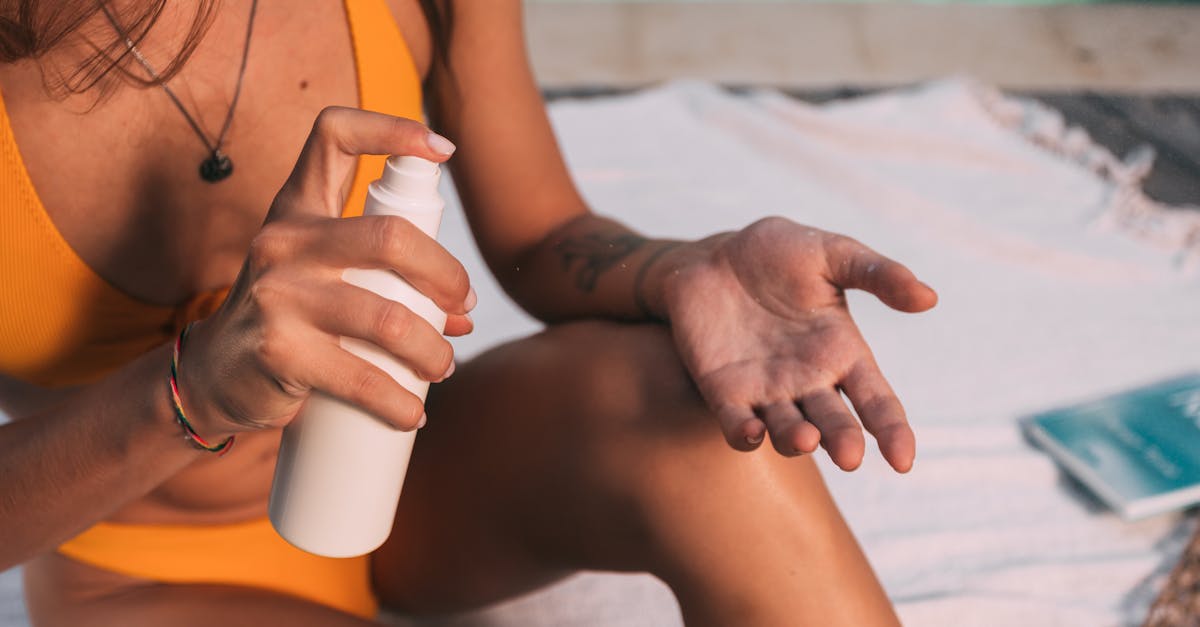
This highly concentrated formulation is indicated for the active prevention of acute sunburn and the mitigation of photoaging in environments with an exceptionally high ultraviolet index. Achieving the declared sun protection factor of seventy requires strict adherence to precise application protocols. The product must be applied extremely generously to all exposed skin exactly fifteen minutes prior to sun exposure, allowing the chemical bonds to properly secure themselves within the superficial cells.
The most frequent clinical failure in photoprotection is chronic under-application, often exacerbated by the false sense of security provided by a high SPF number. An average adult requires approximately thirty milliliters of the emulsion to adequately shield the entire body. Applying an insufficient volume exponentially decreases the true protective value. Thorough coverage must include frequently neglected anatomical zones like the posterior neck and the dorsal aspect of the feet.
Strict adherence to a regular reapplication schedule is a clinical necessity for sustained efficacy. The active organic molecules constantly degrade as they process intense solar energy. Patients must actively reapply the product every two hours during continuous outdoor exposure. Immediate reapplication is strictly necessary following heavy perspiration, vigorous towel drying, or aquatic submersion.
4. In-Depth Side Effects Analysis of Caribbean Breeze SPF 70 Sunscreen
When applied to healthy and fully intact skin, the active chemical filters demonstrate an acceptable clinical safety profile. However, due to the dense concentration of active ingredients, localized superficial reactions at the application site are reported with slightly higher frequency than with lower SPF formulations.
Common Side Effects
The most prevalent benign reactions include a temporary warming sensation or mild tingling immediately upon application. Patients frequently observe transient skin flushing and a distinct feeling of heaviness or greasiness as the highly occlusive, water-resistant vehicle base settles securely onto the epidermis.
Serious Side Effects You Should Report
Clinical assessment is warranted if symptoms of severe allergic contact dermatitis appear. The development of highly pruritic vesicles, intense spreading erythema, or localized tissue edema requires the immediate cessation of the product. Accidental ocular exposure will induce chemical conjunctivitis characterized by heavy tearing and significant scleral pain.
Rare Side Effects
A small subset of patients may experience a rare photoallergic contact dermatitis. In this complex immunological reaction, the chemical filters are initially tolerated, but exposure to specific ultraviolet wavelengths structurally alters the chemical on the skin. This triggers a widespread eczematous rash that can persist for multiple weeks.
Side Effects That Usually Do Not Require Medical Attention
Significant follicular congestion leading to a temporary increase in minor facial comedones can occur due to the highly occlusive nature of the SPF 70 emulsion. Brief, localized stinging that dissipates completely within seconds of initial application is considered a standard physiological response to the concentrated filters.
| Side Effect Category | Specific Symptoms |
|---|---|
| Common Localized | Mild skin warmth, transient tingling, feeling of heavy greasiness |
| Serious Allergic | Severe localized swelling, highly pruritic blistering |
| Rare Photoallergic | Sun-activated spreading eczematous rash |
5. Overdose or Accidental Ingestion Symptoms
A transdermal overdose resulting from standard daily application is physiologically impossible. The large molecular structure of homosalate, octisalate, avobenzone, and octocrylene restricts them strictly to the outermost layer of the stratum corneum. The active ingredients do not enter the systemic bloodstream in concentrations sufficient to cause internal toxicity, even at maximum formulation strength.
Accidental oral ingestion presents a tangible clinical hazard. Swallowing a significant volume of the concentrated chemical emulsion will actively irritate the sensitive mucosal lining of the gastrointestinal tract. Symptoms of ingestion manifest rapidly as nausea, moderate abdominal cramping, and episodic emesis as the body attempts to naturally purge the chemical solvents and heavy lipid base.
If accidental oral ingestion occurs, medical guidance must be sought. Caregivers must never attempt to induce vomiting, as regurgitating the chemical emulsifiers creates a high risk of pulmonary aspiration. The patient should receive small sips of water to slightly dilute the gastric concentration while contacting a local poison control center for specialized instructions.
6. Missed Dose & What to Avoid While Using Caribbean Breeze SPF 70 Sunscreen
Because this product operates entirely as a preemptive environmental shield, a missed application directly equates to completely unprotected exposure and immediate cellular radiation damage. There is no physiological mechanism to reverse structural skin damage once the tissues have been burned. If an application is forgotten, the patient must immediately seek physical shelter, apply the formulation generously, and wait fifteen minutes before resuming sun exposure.
Diligence must be taken to prevent direct contact with all mucosal membranes. The highly concentrated filters, specifically avobenzone and octocrylene, are severe chemical irritants capable of causing profound corneal stinging. Application should halt strictly at the orbital bone. Furthermore, this product must never be applied over deep thermal burns or open surgical wounds.
Total reliance on high SPF chemical sunscreen while entirely ignoring other environmental precautions is a common clinical error known as the “SPF fallacy.” Patients must actively avoid direct and prolonged sun exposure during peak ultraviolet hours, generally occurring between late morning and mid-afternoon. Supplementary physical protection remains a fundamental component of safe exposure.
7. Drug & Topical Interactions with Caribbean Breeze SPF 70 Sunscreen
The superficial mechanism of the active chemical filters ensures that clinically relevant systemic interactions with oral pharmaceuticals are exceedingly rare. Patients adhering to oral medication regimens can utilize this topical photoprotectant without significant clinical concern for systemic cross-reactivity.
Topical interactions require highly careful clinical management. Concurrent application of this dense chemical formulation with prescription acne ointments, such as specialized benzoyl peroxide treatments, can drastically alter local absorption dynamics. The oxidative nature of acne medications significantly lowers the skin barrier tolerance, causing the concentrated chemical sunscreen to induce severe burning upon application.
Patients actively utilizing topical insect repellents must exercise caution. Clinical evidence explicitly confirms that layering standard insect repellents over chemical sunscreens actively diminishes the declared sun protection factor. Simultaneously, the chemical solvents in the sunscreen can unintentionally increase the systemic absorption of the insect repellent.
8. Precautions, Dermal Safety & Duration of Action
The declared duration of action for this potent chemical formulation is strictly limited to a maximum of two hours under standard environmental conditions, regardless of the high SPF rating. The active molecules undergo continuous structural degradation as they process incoming ultraviolet photons. Once this photostability is breached, the skin is instantly exposed to unmitigated solar radiation.
Water resistance plays a massive physiological role in maintaining clinical safety. The heavy polymer matrix designed to bind the high concentration of chemical filters to the epidermis will inevitably dissolve during heavy perspiration or extended aquatic activities. Patients must strictly adhere to the specific water-resistance time limits stated on the packaging and reapply instantly upon drying the skin.
Before initial widespread application, individuals exhibiting severe histories of atopic dermatitis or general severe chemical hypersensitivity should mandate a localized patch test. Placing a small smear of the emulsion on the inner wrist and clinically observing the site for forty-eight hours will successfully identify latent allergies to the dense concentration of avobenzone or octocrylene.
9. How to Stop Using Caribbean Breeze SPF 70 Sunscreen & Storage Guidelines
Complete removal of the potent chemical barrier at the conclusion of the day is critical to definitively prevent severe follicular occlusion and acne exacerbation. The highly water-resistant polymers and dense chemical filters will not wash away effectively with plain water. Patients must explicitly utilize a highly effective lipid-based cleanser or strong foaming body wash to thoroughly break the chemical bonds.
Storage conditions directly impact the structural chemical integrity of the active filters. The formulation must be strictly stored at controlled room temperature, actively shielded from direct harsh sunlight and extreme environmental heat. Leaving the container constantly inside a hot vehicle rapidly accelerates the molecular breakdown of the avobenzone, rendering the product clinically useless.
Patients must routinely inspect the product physically prior to application. If the emulsion has structurally failed, presenting as a separation of thin foul-smelling liquid and chunky solid matter, it must be permanently discarded. Any chemical formulation that has entirely surpassed its clearly printed expiration date can no longer guarantee adequate clinical sun protection.
10. When to Consult a Doctor Regarding Caribbean Breeze SPF 70 Sunscreen
Immediate emergency clinical evaluation is mandated if the patient exhibits acute signs of systemic anaphylaxis following dermal application. The sudden onset of widespread hives, localized swelling to the facial tissues and throat, or respiratory distress indicates a severe allergic event requiring immediate administration of systemic epinephrine.
Dermatological consultation is highly necessary if a profound localized skin reaction completely fails to resolve rapidly. The development of clear fluid-filled blisters, continuous dermal burning, or an itchy rash that aggressively expands significantly beyond the initial application zone strongly suggests an allergic contact dermatitis requiring prescription topical corticosteroids.
Accidental intense ocular exposure that rapidly results in unyielding pain, blurred vision, or continuous heavy tearing lasting more than an hour demands immediate ophthalmological assessment. The acute stinging induced by highly concentrated avobenzone and octocrylene can potentially cause transient chemical damage to the delicate corneal epithelium.
Frequently Asked Questions (FAQ)
1. Does SPF 70 provide more than double the protection of SPF 30?
No, SPF 30 blocks approximately ninety-seven percent of UVB rays, while SPF 70 blocks roughly ninety-nine percent. The increase provides a marginally higher safety net but does not double the protection.
2. Can I stay in the sun longer because I am using SPF 70?
Absolutely not. The high SPF rating provides a denser filter, but the active chemicals still break down and require complete reapplication strictly every two hours.
3. Why does this specific lotion feel much thicker and greasier than lower SPF versions?
To achieve an SPF rating of seventy, a significantly higher concentration of organic filters and heavy polymer binding agents is required, resulting in a denser, more occlusive base.
4. Is it entirely normal for my face to burn slightly when I apply this after sweating?
Yes, heavy sweating slightly compromises the outer protective lipid layer of the skin, making it highly sensitive to the potent concentration of chemical agents during reapplication.
5. Does the product become stronger if I leave it on longer?
The exact opposite physiological process occurs. The active chemical filters constantly degrade as they absorb sunlight, meaning the protective strength actively plummets over time.
6. Can I utilize this chemical sunscreen directly on my lips?
The highly bitter taste and massive irritation potential of avobenzone and octocrylene make it highly unsuitable for the extremely delicate mucosal tissue of the lips.
7. What happens if I accidentally freeze the bottle in my cooler?
Extreme freezing completely structurally ruins the complex chemical emulsion. The active ingredients will separate permanently from the base, rendering the sunscreen completely useless.
Bibliography
Disclaimer: The content is for informational purposes only and does not replace medical advice. Always consult your doctor or pharmacist for personalized treatment.