
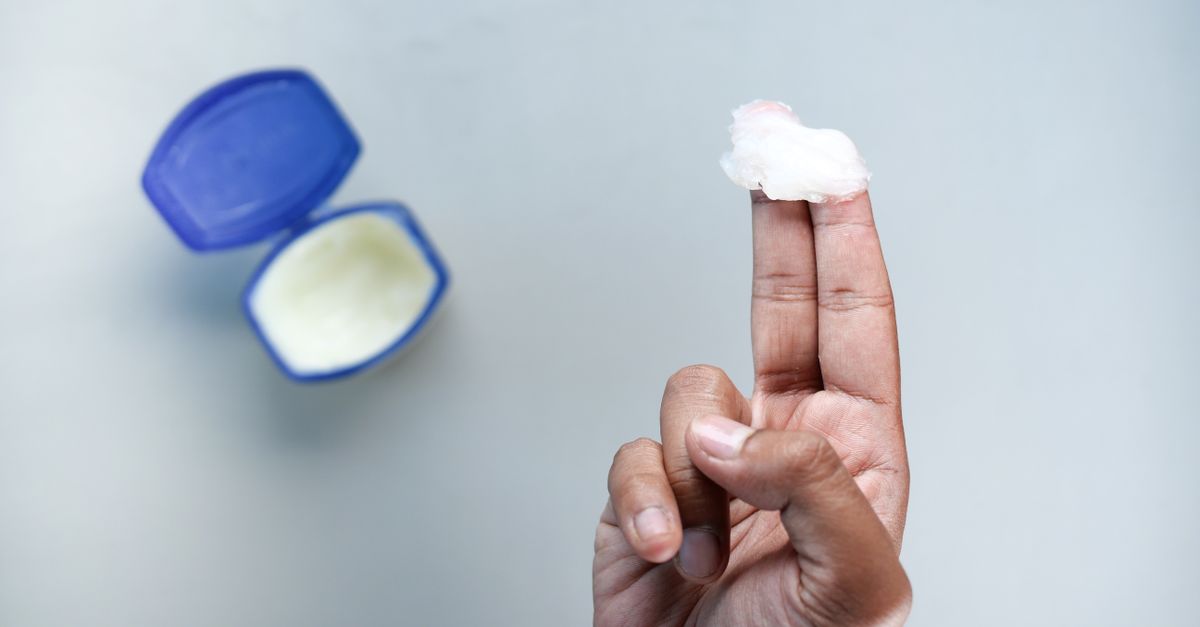
Cirlutone is a topical formulation containing Synthetic Camphor, utilized as a counterirritant and mild analgesic to temporarily relieve minor muscle aches and suppress coughs. The most notable side effect involves localized skin irritation, burning, and severe systemic toxicity if the product is accidentally ingested or applied to deeply broken skin. Strict adherence to external application protocols is essential to prevent dangerous neurological complications.
1. Introduction & Mechanism of Action of Cirlutone
Synthetic Camphor is a highly lipophilic terpene compound that serves as a potent topical counterirritant and mild local anesthetic. When applied to intact skin, Camphor rapidly penetrates the stratum corneum and selectively stimulates specific transient receptor potential channels on dermal nerve endings. This stimulation creates an immediate sensation of profound cooling followed by localized warmth.
By artificially stimulating these nerve endings, the medication acts as a counterirritant. It successfully distracts the central nervous system from underlying musculoskeletal pain signals originating deeper in the joints or muscle tissue. Additionally, when applied to the chest, the aromatic vapors are inhaled into the respiratory tract, where they stimulate cold receptors in the nasal mucosa, producing a subjective sensation of improved airflow and temporarily suppressing the cough reflex.
2. Warnings & Before Taking Cirlutone
This medication carries severe toxicological warnings. Cirlutone is strictly formulated for external topical application and must never be swallowed. Ingestion of Camphor is highly toxic, particularly in pediatric patients, and can precipitate fatal neurological collapse. It must be stored securely out of the reach of children.
Patients must never apply this product to deep puncture wounds, severe burns, or actively bleeding skin. Applying Camphor to compromised dermal barriers allows massive systemic absorption directly into the bloodstream, bypassing the protective layers of the skin. Furthermore, patients must never apply tight occlusive bandages or external heating pads over the treated area, as trapped heat and moisture will aggressively force the chemical into the systemic circulation, leading to acute toxicity.
3. Indications & Dosage Guide for Cirlutone
Cirlutone is clinically indicated for the temporary relief of minor aches and pains of muscles and joints associated with simple backache, arthritis, strains, and sprains. It is also utilized as a topical antitussive to quiet coughs associated with the common cold when applied to the upper chest and throat.
For adult and pediatric patients over two years of age, a thin layer of the ointment should be massaged gently into the affected area no more than three to four times daily. For cough suppression, it should be applied strictly to the chest and throat, allowing the vapors to reach the nose. The treated area may be covered with a loose, dry cloth, but it must never be tightly wrapped.
4. In-Depth Side Effects Analysis of Cirlutone
When applied correctly to intact skin, the side effects of Synthetic Camphor are generally mild and localized. However, misuse or accidental ingestion transforms this common household remedy into a severe toxicological hazard.
Common Side Effects
The intended pharmacological action creates a strong sensation of cooling and subsequent heat. Many patients experience mild localized erythema and a transient stinging sensation immediately upon application. A lingering, highly medicinal odor is inevitable due to the volatile aromatic nature of the terpene compound.
Serious Side Effects you should report
Severe allergic contact dermatitis is a critical localized reaction requiring medical attention. Patients must immediately report the development of painful vesicular blistering, intense localized swelling, or deep chemical burns at the application site. Systemic toxicity, resulting from over-application or use on broken skin, presents rapidly with severe nausea, unyielding vomiting, extreme dizziness, and profound confusion.
Rare Side Effects
In exceedingly rare instances involving massive topical overdose or exposure to heated vapors, systemic Camphor toxicity can rapidly escalate to grand mal seizures, severe respiratory depression, and acute hepatic failure. Severe hypersensitivity leading to systemic anaphylaxis is a rare but documented risk.
Side effects that usually do not require medical attention
A brief, intense cooling sensation that causes mild shivering is a standard physiological response to the counterirritant properties. Minor, temporary skin flushing directly over the treated muscle typically resolves within an hour as the localized vasodilation subsides.
| Side Effect Category | Specific Symptoms |
|---|---|
| Localized (Mild) | Erythema, transient stinging, intense cooling sensation |
| Dermatological (Severe) | Blistering, chemical burns, severe contact dermatitis |
| Systemic Toxicity | Violent vomiting, severe confusion, generalized seizures |
5. Overdose on Cirlutone
A topical overdose occurs when excessive amounts of the ointment are applied over large surface areas, applied to broken skin, or trapped beneath a heating pad. This forces toxic levels of Camphor into the bloodstream, rapidly inducing severe neurological symptoms including hallucinations, muscle tremors, and sudden seizures.
Accidental ingestion is a catastrophic medical emergency. Swallowing even small amounts of Camphor can be fatal to a child within minutes. Immediate emergency medical intervention and a call to a poison control center are absolutely mandatory. Vomiting must strictly not be induced, as the chemical can cause severe aspiration pneumonia and further neurological damage during regurgitation.
6. Missed Dose & What to avoid while taking Cirlutone
As an as-needed topical analgesic, there is no strict dosing schedule. If pain or coughing returns, the user may reapply the product, provided they strictly adhere to the maximum limit of four applications within a twenty-four-hour period to prevent toxic accumulation.
Patients must strictly avoid applying this ointment near the eyes, mouth, inside the nostrils, or on delicate genital mucosa. The chemical will inflict agonizing burns on mucosal tissue. Furthermore, patients must never add this product directly to boiling water or attempt to heat it in a microwave, as the volatile oils will violently splatter and can cause severe thermal and chemical burns to the face and respiratory tract.
7. Drug & Alcohol Interactions with Cirlutone
Topical Camphor exhibits minimal systemic drug interactions when used appropriately on intact skin. However, concurrently applying other harsh topical analgesics containing menthol or capsaicin can severely compound skin irritation and lead directly to deep chemical burns.
If patients are treating underlying musculoskeletal pain with oral nonsteroidal anti-inflammatory drugs, they must monitor their overall pain levels carefully. For further insight into managing systemic inflammation and oral analgesics, review our clinical guide on ibuprofen.
8. Precautions, Safety & Duration of Action for Cirlutone
The analgesic and antitussive actions are highly transient, typically providing relief for a few hours before the volatile oils completely evaporate from the skin. The cooling sensation may dissipate rapidly, but the underlying neurological distraction often persists long enough to allow a patient to fall asleep comfortably.
Extreme caution is mandated for pediatric patients. This product is strictly contraindicated for infants and toddlers under the age of two, as their immature respiratory and neurological systems are highly susceptible to severe, rapid Camphor toxicity. Pregnant women should consult their obstetrician before utilizing terpene compounds, as systemic absorption carries theoretical risks to fetal development.
9. How to stop taking Cirlutone & Storage/Disposal
Discontinuing the product is immediate once the minor muscle pain has resolved or the cough has subsided. No tapering is required. The residual ointment can be gently washed away with mild soap and warm water if localized irritation becomes bothersome.
The container must be sealed tightly and stored at controlled room temperature, entirely away from direct heat sources, open flames, and direct sunlight, as the active ingredient is highly flammable. It must be locked safely out of the reach of children and pets to prevent lethal accidental ingestion.
10. When to see a doctor regarding Cirlutone
Immediate emergency medical intervention is required if the patient exhibits any signs of systemic Camphor toxicity, including sudden confusion, visual disturbances, severe muscle tremors, or convulsions.
A physician should be consulted if the treated muscle pain worsens or persists beyond seven days, as this may indicate a severe underlying musculoskeletal injury requiring specialized orthopedic care. Additionally, if the patient develops a severe, blistering rash at the application site, they must discontinue use immediately and seek dermatological evaluation for chemical burns.
Frequently Asked Questions FAQ
1. Can I put this ointment under my nose to clear my sinuses?
Absolutely not. You must never apply Camphor inside or directly under the nostrils. It is highly toxic to mucosal tissue and can rapidly enter your bloodstream, causing severe neurological side effects.
2. Why can’t I use a heating pad with this product?
A heating pad dilates your blood vessels and forces the toxic chemical rapidly into your systemic circulation. Combining heat with Camphor is highly dangerous and frequently causes severe chemical burns.
3. Can I use this product on my child’s scraped knee?
No. Applying Camphor to broken, bleeding, or scraped skin allows massive amounts of the drug to bypass the skin barrier and enter the bloodstream, triggering severe systemic toxicity.
4. What should I do if my child eats a spoonful of this ointment?
This is a life-threatening medical emergency. Call 911 and a poison control center immediately. Do not induce vomiting, as it can cause further damage to their lungs and throat.
5. Is it safe to wrap a bandage tightly around the area after applying it?
No. Tight, occlusive bandages trap the chemical against your skin, increasing systemic absorption and severely increasing the risk of deep chemical burns.
6. Can I melt this product in a vaporizer to help my cough?
You must strictly follow the vaporizer manufacturer’s instructions. You should never add raw ointment directly to boiling water, as the highly volatile oils can splatter and cause severe burns to your face.
7. How often can I safely reapply this ointment?
You should not exceed three to four applications within a single twenty-four-hour period to prevent toxic chemical accumulation in your body.
8. Why does my skin feel like it is burning after I apply it?
A brief, intense cooling and warming sensation is the intended effect. However, if the sensation escalates to severe, unbearable burning, you must wash the ointment off immediately with soap and water.
Bibliography
Disclaimer: The content is for informational purposes only and does not replace medical advice. Always consult your doctor or pharmacist for personalized treatment.


