
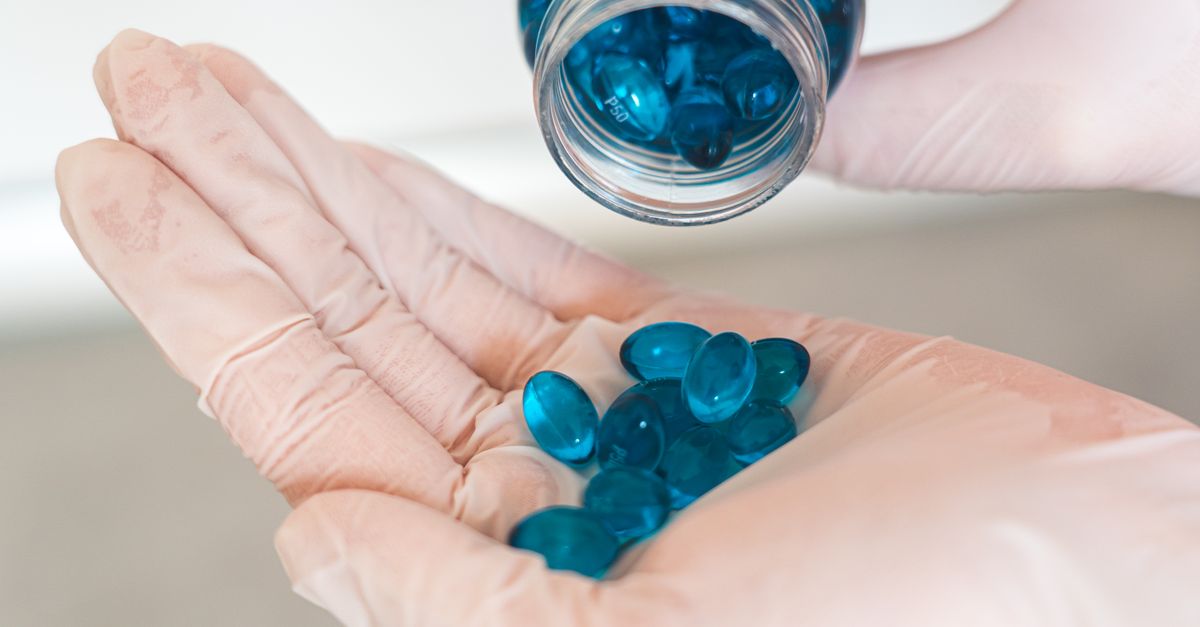
Cobalefol is a comprehensive prescription medical food and multivitamin supplement explicitly designed to address severe nutritional deficiencies associated with peripheral neuropathy and endothelial dysfunction. Its most common side effect is mild gastrointestinal distress and a completely harmless, highly vibrant yellow discoloration of the urine.
1. How Cobalefol Works in the Body
Cobalefol achieves its therapeutic effect by aggressively correcting intracellular metabolic deficiencies that directly contribute to nerve damage and impaired blood flow. The core of its mechanism relies on the synergistic action of highly bioavailable B-complex vitamins, primarily methylcobalamin, pyridoxine hydrochloride, and folic acid.
Methylcobalamin, the neurologically active form of vitamin B12, is critical for the synthesis of myelin. Myelin is the dense lipid sheath that surrounds and protects peripheral nerve fibers, allowing for the rapid conduction of electrical impulses. In patients with peripheral neuropathy, this sheath is severely degraded. High-dose methylcobalamin aggressively promotes the remyelination of these damaged nerves. Concurrently, folic acid and pyridoxine facilitate the essential enzymatic breakdown of homocysteine. Elevated homocysteine levels are highly toxic to the vascular endothelium, restricting microvascular blood flow to the distal nerves and accelerating neuropathic death.
Furthermore, the formulation includes potent metabolic antioxidants. Ascorbic acid and D-alpha-tocopherol succinate aggressively neutralize reactive oxygen species and free radicals generated by chronic hyperglycemia or metabolic stress. Cholecalciferol acts as a steroid hormone to heavily modulate local immune responses and maintain vital intracellular calcium gradients required for proper nerve signaling. Together, this comprehensive matrix supports structural nerve repair, reduces oxidative stress, and restores crucial microvascular perfusion.
2. Critical Warnings Before Taking Cobalefol
While generally exceptionally well tolerated as a compilation of essential nutrients, patients must approach high-dose supplementation with clinical caution. A critical warning involves the presence of high-dose folic acid. Folic acid supplementation can successfully correct the hematological signs of a severe vitamin B12 deficiency, specifically megaloblastic anemia. However, it will entirely fail to halt the severe, irreversible neurological damage caused by the B12 deficiency. Fortunately, Cobalefol heavily incorporates methylcobalamin to mitigate this specific risk, but clinical monitoring of baseline B12 levels prior to initiation remains standard practice.
Patients with a documented history of severe renal calculi must utilize high-dose ascorbic acid supplementation with caution. Extensive metabolism of ascorbic acid results in the formation of oxalate. In highly susceptible individuals with impaired renal clearance, excessive oxalate can rapidly precipitate in the kidneys, leading to the formation of painful calcium oxalate kidney stones.
Furthermore, patients with hypercalcemia, hypervitaminosis D, or severe malabsorption syndromes must be evaluated by a physician prior to starting therapy, as the high concentration of cholecalciferol can severely exacerbate dangerous elevations in serum calcium levels.
3. Indications and Proper Dosage for Cobalefol
Cobalefol is clinically indicated for the specific dietary management of patients with severe endothelial dysfunction, hyperhomocysteinemia, and symptomatic peripheral neuropathy. It is highly utilized in diabetic patients suffering from distal symmetric polyneuropathy and those recovering from significant neurological trauma requiring aggressive nutritional support for remyelination.
Proper dosage requires strict adherence to the prescribing physician’s protocol. The standard adult dosage is typically one capsule or tablet administered orally once or twice daily. To maximize systemic absorption and heavily mitigate gastrointestinal irritation, the medication should be taken precisely with a full glass of water and a substantial meal.
Taking highly concentrated vitamin complexes on an empty stomach drastically increases the incidence of severe nausea and abdominal cramping. The capsule must be swallowed intact and should not be crushed or chewed, as this can degrade the stability of the light-sensitive and oxygen-sensitive active ingredients before they reach the highly absorptive environment of the small intestine.
4. In-Depth Side Effects Analysis of Cobalefol
Because Cobalefol is comprised of naturally occurring, water-soluble and fat-soluble vitamins, the side effect profile is exceptionally mild. Adverse events almost exclusively present as gastrointestinal intolerance or occur only in the setting of massive over-supplementation.
| Side Effect Category | Specific Symptoms |
|---|---|
| Gastrointestinal | Mild nausea, dyspepsia, temporary diarrhea, metallic taste |
| Genitourinary | Bright yellow or neon urine discoloration (harmless) |
| Neurological (Toxicity) | Sensory neuropathy from massive pyridoxine overexposure |
Common Side Effects
The absolute most common side effect reported by patients is a shocking, vibrant neon yellow discoloration of the urine. This is an entirely harmless physiological phenomenon caused by the renal excretion of excess riboflavin. Patients also frequently report mild gastrointestinal upset, including transient nausea, a distinct metallic taste in the mouth, and minor dyspepsia shortly after dosing.
Serious Side Effects You Should Report
Any signs pointing to severe hypercalcemia must be reported to the prescribing physician immediately. Symptoms include severe lethargy, profound muscle weakness, intractable vomiting, and severe, unyielding bone pain. While exceptionally rare from this specific formulation, massive overexposure to vitamin D can precipitate this dangerous metabolic state.
Rare Side Effects
Paradoxically, massive, prolonged over-supplementation of pyridoxine hydrochloride can lead to severe sensory neuropathy, presenting as a profound loss of proprioception, numbness, and an unsteady gait. This is exceedingly rare when the medication is taken strictly at the prescribed dosage but occurs if patients independently stack multiple high-dose B6 supplements.
Side Effects That Usually Do Not Require Medical Attention
The bright yellow urine and mild, fleeting nausea occurring immediately after taking the pill on an empty stomach are completely benign and require no medical intervention.
5. Symptoms of Cobalefol Overdose and Necessary Actions
An acute overdose of this complex formulation is highly unlikely to cause immediate, life-threatening toxicity because the vast majority of the ingredients are highly water-soluble. The body will aggressively excrete excess B vitamins and vitamin C directly into the urine. An acute massive ingestion will present primarily with severe gastrointestinal distress, including intractable nausea, severe abdominal cramping, and explosive osmotic diarrhea.
Chronic overdosage, however, presents severe systemic risks. Prolonged massive ingestion of fat-soluble vitamins, specifically cholecalciferol and D-alpha-tocopherol, will lead to profound hepatic accumulation. Symptoms of chronic hypervitaminosis include severe hypercalcemia, irreversible renal calcification, and a severe disruption of systemic coagulation pathways leading to an elevated bleeding risk.
If an acute massive overdose is suspected, particularly in a pediatric patient, emergency medical services must be contacted immediately. Treatment is strictly supportive, focusing on intravenous hydration to flush the water-soluble components and heavily monitoring serum calcium and electrolyte levels.
6. Managing a Missed Dose of Cobalefol and What to Avoid
If a scheduled dose is missed, the patient should take the capsule as soon as they remember, provided it is taken with food. If it is almost time for the next scheduled dose, the missed dose must be skipped entirely. Taking two highly concentrated multivitamin capsules simultaneously to compensate will severely irritate the gastric mucosa and trigger intense nausea.
Patients must actively avoid taking Cobalefol simultaneously with other over-the-counter high-dose multivitamin complexes or standalone fat-soluble vitamin supplements without explicit physician approval. This practice, known as vitamin stacking, radically increases the risk of chronic hypervitaminosis and irreversible sensory neuropathy from excessive pyridoxine accumulation.
7. What Drugs Interact with Cobalefol?
Systemic drug interactions are a critical clinical concern, as high-dose vitamins can heavily disrupt the absorption and metabolism of concurrent pharmaceutical therapies.
Concurrent administration with levodopa, a primary treatment for Parkinson’s disease, must be heavily monitored. High doses of pyridoxine significantly accelerate the peripheral metabolism of levodopa, drastically reducing the amount of the drug that reaches the brain and severely diminishing its therapeutic efficacy.
Patients utilizing systemic antibiotics, specifically tetracyclines or fluoroquinolones, must space their dosages meticulously. The vitamins can bind to the antibiotics in the gastrointestinal tract, forming insoluble complexes that entirely prevent the absorption of the antimicrobial agents. Cobalefol must be taken at least two hours before or four hours after these specific medications. Furthermore, chronic use of proton pump inhibitors heavily suppresses gastric acid, significantly impairing the intestinal absorption of methylcobalamin.
8. Safety Precautions and Duration of Action for Cobalefol
A fundamental safety precaution is ensuring the medication is stored in a completely opaque container. Riboflavin and methylcobalamin are highly photosensitive and will degrade rapidly into inactive compounds if exposed to direct sunlight for prolonged periods.
The duration of action is ongoing. While the water-soluble vitamins are cleared from the systemic circulation within hours, their structural integration into the enzymatic pathways and repairing myelin sheaths provides a continuous, twenty-four-hour therapeutic effect when dosed daily. True clinical improvement in severe neuropathic pain or numbness typically requires three to six months of strict, uninterrupted supplementation.
9. Discontinuing and Storing Cobalefol Safely
The medication can be discontinued safely at any time without any physiological tapering protocol. However, patients managing chronic diabetic neuropathy should expect a gradual return of severe tingling, burning, and numbness as the intracellular metabolic deficiencies predictably return without supplementation.
Proper storage is critical to preserve the stability of the complex formulation. The capsules must be stored tightly closed at controlled room temperature, strictly avoiding excessive heat, moisture, or direct light. The bottle must be kept entirely out of reach of young children, as accidental massive ingestion of complex vitamins is a frequent cause of pediatric emergency room visits.
10. When to Seek Medical Attention for Multivitamin Side Effects
Immediate, emergency medical attention is mandatory if the patient exhibits any symptoms of a severe allergic reaction, including sudden swelling of the face, lips, or throat, severe generalized hives, or profound difficulty breathing after ingesting the capsule.
Emergency care is also strictly required if the patient exhibits signs of severe hypercalcemia or renal toxicity, such as sudden, severe flank pain indicating a kidney stone, intractable vomiting, or profound, unexplained confusion. A neurologist must be consulted immediately if the patient notices a sudden worsening of their neuropathic symptoms or a new loss of physical coordination, which may indicate pyridoxine toxicity.
Frequently Asked Questions (FAQ)
1. Why is my urine glowing neon yellow after taking this pill?
This is the absolute most common and entirely harmless side effect. It is caused by your kidneys flushing out the excess riboflavin that your body did not immediately need for cellular repair.
2. Can I take this supplement on an empty stomach?
It is highly recommended that you take this medication with a large meal. Taking highly concentrated vitamins on an empty stomach will almost certainly cause severe nausea and stomach cramping.
3. Will this medication cure my diabetic nerve pain instantly?
No. Repairing severely damaged nerve sheaths is a very slow biological process. It typically takes three to six months of daily use to notice a significant reduction in pain and numbness.
4. Is it safe to take this along with my daily over-the-counter multivitamin?
You must consult your doctor first. Taking this alongside other multivitamins can cause dangerous, toxic buildups of fat-soluble vitamins and excessive vitamin B6 in your system.
5. Why does this medication have a strong metallic smell and taste?
The strong odor and metallic taste are standard characteristics of high-concentration B-complex vitamins, particularly thiamine and riboflavin. It does not mean the medication is spoiled.
6. Can I crush the pill and mix it with applesauce if I cannot swallow it?
You should not crush the pill without checking with your pharmacist, as breaking the capsule can expose the light-sensitive vitamins to the air, destroying their medical effectiveness before you absorb them.
7. Does this medication contain any stimulants like caffeine?
No, this medication contains no central nervous system stimulants. While B vitamins assist in cellular energy production, they will not cause jitteriness or insomnia like caffeine.
Bibliography
Disclaimer: The content is for informational purposes only and does not replace medical advice. Always consult your doctor or pharmacist for personalized treatment.
