Daycon Antibacterial Foaming Hand Soap contains the active antimicrobial agent Chloroxylenol, widely utilized for strict topical hygiene and infection control. The most frequent side effect associated with its repeated use is localized skin irritation and contact dermatitis, resulting from the disruption of the natural epidermal lipid barrier. Proper rinsing and subsequent skin moisturization are essential for preventing chronic dermatological damage.
1. Introduction & Mechanism of Action of Daycon Antibacterial Foaming Hand Soap
Chloroxylenol acts as a potent halogenated phenol derivative, functioning as a broad-spectrum antimicrobial compound. When applied topically, it penetrates the outer membranes of bacterial cells. Once inside, it actively disrupts the electrical potential of the bacterial cell wall and causes the coagulation of vital intracellular proteins.
This dual-action cellular disruption rapidly halts bacterial reproduction and induces cell death. Formulated into a foaming soap, the surfactant properties of the product help lift dirt and organic debris away from the skin, allowing the active Chloroxylenol to effectively neutralize transient pathogens before they can cause localized or systemic infections.
2. Warnings & Before Taking Daycon Antibacterial Foaming Hand Soap
This product is strictly formulated for external topical use. It must never be ingested, and severe caution must be exercised to prevent accidental contact with the eyes or mucosal membranes. Direct ocular exposure can cause severe chemical irritation and potential corneal abrasions.
Individuals with a known hypersensitivity to halogenated phenols should avoid this product entirely. Furthermore, patients suffering from pre-existing compromised skin conditions, such as severe eczema or deep open wounds, must consult a dermatologist before using harsh antimicrobial soaps, as the active ingredient can aggressively exacerbate tissue inflammation.
3. Indications & Dosage Guide for Daycon Antibacterial Foaming Hand Soap
Daycon Antibacterial Foaming Hand Soap is indicated for routine and intensive handwashing to decrease bacteria on the skin. It is frequently employed in institutional, commercial, and healthcare settings where strict pathogen reduction is a daily operational requirement.
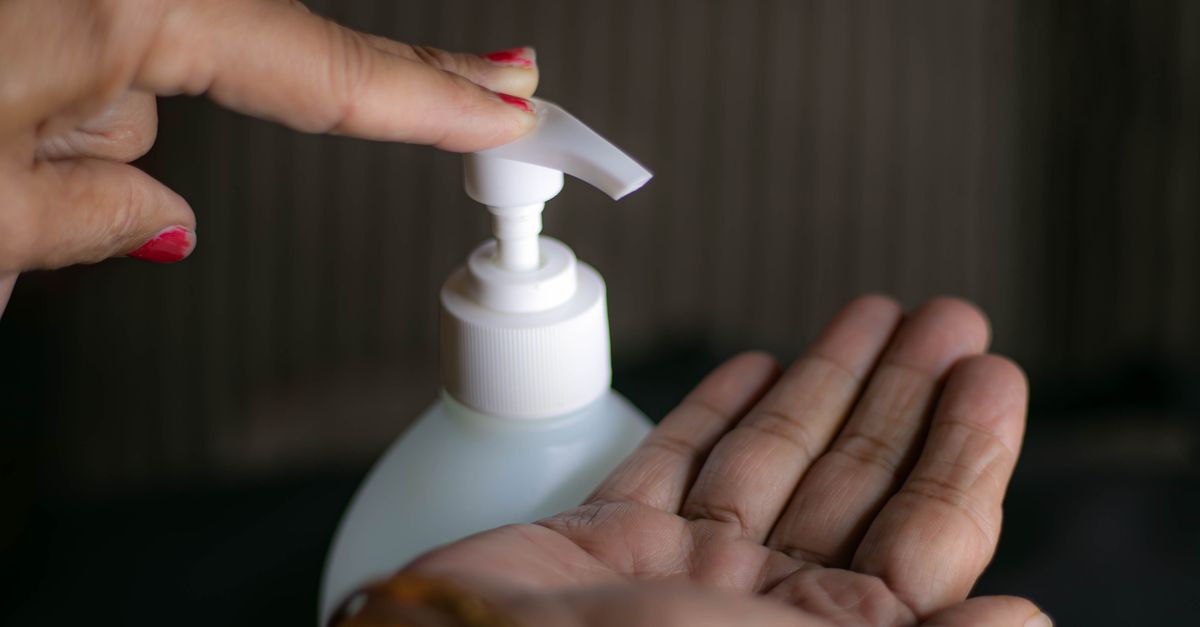
Usage involves dispensing a moderate amount of the foam directly into wet hands. The user must actively lather the hands, meticulously scrubbing all surfaces including the interdigital spaces and under the fingernails for a minimum of twenty seconds. Following the scrub, hands must be thoroughly rinsed under clean running water and completely dried to prevent residual chemical irritation.
4. In-Depth Side Effects Analysis of Daycon Antibacterial Foaming Hand Soap
Systemic side effects are virtually nonexistent due to poor dermal absorption of Chloroxylenol. However, the localized dermatological impact of frequent use is highly documented and represents the primary clinical concern.
Common Side Effects
The most prevalent adverse reaction is epidermal dryness. Repeated exposure strips away natural sebum, leaving the hands feeling tight, rough, and slightly pruritic. Mild redness and scaling on the dorsal aspects of the hands are frequently reported by individuals who wash their hands multiple times a day without using secondary moisturizers.
Serious Side Effects you should report
In cases of acute chemical hypersensitivity, patients may develop severe allergic contact dermatitis. Symptoms include severe erythema, the formation of painful vesicular blisters, and intense burning sensations. If the skin begins to crack deeply and bleed, usage must be suspended immediately to prevent secondary bacterial infections from taking hold in the compromised tissue.
Rare Side Effects
Extreme systemic allergic reactions, such as anaphylaxis following topical application, are exceedingly rare. Additionally, prolonged chemical exposure in isolated cases has been associated with localized depigmentation, where small patches of skin lose their natural color.
Side effects that usually do not require medical attention
Transient tingling immediately following application is generally harmless and resolves once the soap is fully rinsed away. Minor flaking of the skin can usually be managed with high-quality over-the-counter emollients.
| Side Effect Category | Specific Symptoms |
|---|---|
| Mild Dermatological | Dryness, mild redness, tight skin |
| Severe Dermatological | Blistering, deep cracking, intense burning |
| Ocular (Accidental Exposure) | Severe eye stinging, tearing, redness |
5. Overdose on Daycon Antibacterial Foaming Hand Soap
Because this is a topical cleansing agent, traditional pharmacological overdose is impossible through standard use. However, excessive daily application will rapidly accelerate the onset of severe contact dermatitis.
If accidental ingestion occurs, it constitutes a medical emergency due to the toxic nature of phenol derivatives upon the gastrointestinal tract. Symptoms of ingestion include severe nausea, abdominal pain, and potential central nervous system depression. Immediate contact with a poison control center is mandatory, and vomiting should not be induced unless explicitly directed by a toxicologist.
6. Missed Dose & What to avoid while taking Daycon Antibacterial Foaming Hand Soap
Handwashing protocols are event-driven rather than rigidly scheduled, so missing a dose simply requires washing hands at the next appropriate opportunity, such as after utilizing the restroom or before food preparation.
Users should strictly avoid combining this antibacterial soap with other harsh topical chemicals, such as bleach-based cleaners or high-concentration alcohol sanitizers, as the cumulative effect will severely damage the epidermal barrier. Additionally, avoid washing hands with excessively hot water, as high temperatures accelerate the removal of protective skin lipids and enhance chemical irritation.
7. Drug & Alcohol Interactions with Daycon Antibacterial Foaming Hand Soap
Topical Chloroxylenol has no significant interactions with oral medications. However, concurrent application of prescription topical corticosteroids or specialized dermatological creams may be hindered if the soap residue is not completely rinsed away.
Alcohol-based hand rubs used immediately after washing with this antibacterial soap can cause intense burning and exponentially increase the risk of severe dermatitis. For patients utilizing other localized skin treatments, reading our clinical overview on topical steroids provides important safety context regarding skin barrier health.
8. Precautions, Safety & Duration of Action for Daycon Antibacterial Foaming Hand Soap
The antimicrobial action is immediate and relies entirely on mechanical friction and the chemical breakdown of bacteria during the twenty-second wash cycle. Once rinsed, there is no lasting residual antimicrobial protection, meaning handwashing must be repeated following any new exposure to pathogens.
To maintain long-term skin health, users are strongly advised to implement a strict moisturizing regimen. Applying a barrier cream or a ceramide-rich lotion immediately after drying the hands helps trap moisture and significantly mitigates the drying effects of the Chloroxylenol formulation.
9. How to stop taking Daycon Antibacterial Foaming Hand Soap & Storage/Disposal
Discontinuing the use of this specific soap requires no medical supervision. If severe irritation occurs, the user should immediately switch to a gentle, non-medicated, fragrance-free cleanser to allow the epidermal barrier to heal.
The product must be stored securely at room temperature and kept out of reach of young children to prevent accidental ingestion or ocular exposure. Empty containers should be rinsed and recycled according to local municipal guidelines, while large commercial spills must be diluted with water and cleaned up using standard industrial protocols.
10. When to see a doctor regarding Daycon Antibacterial Foaming Hand Soap
A dermatological evaluation is necessary if skin irritation progresses beyond mild dryness. Deep fissures, bleeding skin, or signs of secondary infection, such as yellow crusting and localized warmth, require prompt medical intervention and possible prescription barrier treatments.
Immediate emergency medical care must be sought if the product is accidentally swallowed. Similarly, if the foam makes contact with the eyes and continuous flushing with cool water for fifteen minutes fails to alleviate the severe burning and vision blurring, an urgent ophthalmic assessment is strictly required.
Frequently Asked Questions FAQ
1. Does this soap kill viruses like the common cold?
Chloroxylenol is primarily antibacterial. While the mechanical action of handwashing helps wash away viral particles, the chemical itself is far more effective against bacterial cell walls than viral structures.
2. Why do my hands crack and bleed when I use this soap frequently?
The active chemical, combined with the foaming surfactants, strips the skin of its natural protective oils, leading to severe dehydration and structural cracking of the epidermis.
3. Can I use this soap on my face or body in the shower?
No. It is formulated exclusively for the thicker skin of the hands. Using it on delicate facial tissue will cause intense irritation and extreme dryness.
4. What should I do if the soap gets into my eyes?
Immediately flush the eyes with lukewarm, gently flowing water for at least fifteen minutes. If pain or blurred vision persists, seek emergency medical care.
5. Is it better to use hot or cold water with this antibacterial soap?
Lukewarm water is optimal. Hot water increases skin damage and dryness, while excessively cold water may prevent the soap from lathering correctly.
6. Can I become allergic to Chloroxylenol over time?
Yes. Repeated daily exposure can eventually trigger a hypersensitivity reaction known as allergic contact dermatitis, even if you have used the product safely for years.
7. How long must I scrub my hands for the antibacterial agent to work?
Clinical guidelines dictate that you must scrub aggressively for a minimum of twenty seconds to allow the chemical and friction to effectively destroy the bacteria.
8. Should I apply lotion after using this product?
Yes. Applying a high-quality, fragrance-free moisturizer immediately after drying your hands is the best way to prevent the chronic skin damage associated with antibacterial soaps.
Bibliography
Disclaimer: The content is for informational purposes only and does not replace medical advice. Always consult your doctor or pharmacist for personalized treatment.