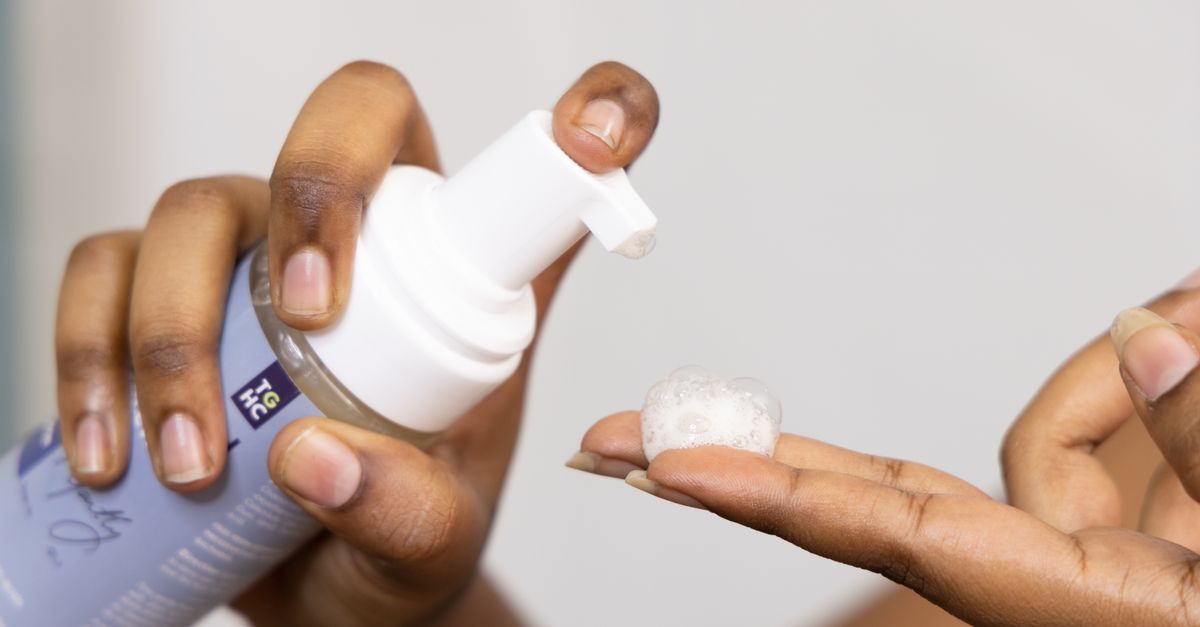
1. Introduction and Mechanism of Action for Doterra Sun Face Daily Moisturizer
Doterra Sun Face Daily Moisturizer is an advanced topical dermatological product formulating zinc oxide to deliver broad-spectrum photoprotection alongside daily epidermal hydration. The most prominent side effect is a mild white cast on darker skin tones or the potential exacerbation of comedonal acne due to the product’s occlusive nature. This specific formulation utilizes a physical mineral barrier, entirely bypassing the systemic absorption risks associated with chemical ultraviolet filters.
Zinc oxide operates as a highly stable, inert physical sunscreen agent. When massaged into the facial skin, it does not absorb into the living cellular layers. Instead, it forms a uniform, microscopic mineral shield directly atop the stratum corneum. This shield acts by physically reflecting, scattering, and blocking both UVA rays, which cause deep photoaging, and UVB rays, which are responsible for acute sunburns.
Furthermore, zinc oxide possesses inherent soothing and mild astringent properties. While providing vital photoprotection, it simultaneously forms a semi-occlusive barrier that drastically reduces transepidermal water loss. By locking in the formulation’s botanical moisturizing agents, it helps repair the skin’s natural lipid barrier, making it an excellent dual-purpose therapy for patients managing both sun exposure and chronic facial xerosis.
2. Warnings and Prerequisites Before Applying Facial Zinc Oxide
Before integrating Doterra Sun Face Daily Moisturizer into a morning skincare regimen, patients must carefully assess the overall integrity of their facial skin barrier. This product must absolutely never be applied to severely blistered sunburns, actively weeping eczema plaques, or deep, open facial lacerations. Applying heavy mineral creams to severely compromised tissue traps heat and bacteria, significantly increasing the risk of secondary infections and delaying epithelialization.
Patients managing severe, active cystic acne or highly oily skin profiles must proceed with caution. While zinc oxide itself is non-comedogenic, the heavy botanical oils and waxes required to suspend the mineral in the moisturizer base can be highly occlusive. Daily application of heavy creams can trap sebum and dead skin cells within the pilosebaceous unit, potentially triggering severe acne breakouts in highly susceptible individuals.
Individuals with a documented allergy to specific essential oils or botanical extracts frequently used in holistic formulations must perform a rigorous patch test on the jawline prior to full facial application. Severe allergic contact dermatitis on the face presents as extreme erythema, blistering, and severe facial edema, requiring immediate medical intervention.
3. Indications and Dosage Guide for Doterra Face Moisturizer
This mineral moisturizer is clinically indicated for daily facial hydration and the active prevention of sunburn and premature photoaging caused by ultraviolet radiation. Proper application technique is the sole determinant of its photoprotective efficacy, as missing areas leaves them entirely vulnerable to actinic damage.
For daily protection, adults should apply a generous, even layer of the moisturizer to the entire face, neck, and ears at least fifteen minutes prior to direct sun exposure. A common clinical error is under-application; patients must utilize a sufficient volume to ensure a continuous, unbroken mineral film covers the entire facial surface. The product should be gently massaged until the white cast dissipates to the greatest extent possible.
To maintain strict broad-spectrum protection, the moisturizer must be reapplied every two hours during sustained outdoor activity. Immediate reapplication is absolutely mandatory after swimming, excessive facial sweating, or aggressive towel drying, as physical friction effortlessly removes the protective zinc oxide shield.
4. In-Depth Side Effects Analysis of Zinc Oxide
Because zinc oxide is a biologically inert mineral that does not penetrate into the systemic blood circulation, adverse reactions are entirely localized to the surface of the skin and are generally cosmetic or mildly dermatological in nature.
Common Side Effects
Most users experience excellent sun protection with only minor physical adjustments related to the heavy mineral formulation.
– A noticeable white or chalky cast remaining on the skin, particularly on darker skin tones
– A sensation of heaviness or slight greasiness on the facial tissue
– Mild, transient difficulty removing the product entirely during evening cleansing
Serious Side Effects to Report
Severe localized reactions are exceptionally rare and typically indicate a true allergic response to a secondary botanical ingredient in the moisturizer base.
– The sudden development of severe redness, swelling, or blistering of the facial tissue
– An intense burning or severe stinging sensation immediately upon application
– Worsening of facial redness, indicating severe irritant contact dermatitis
Rare Side Effects
Improper removal of the product or daily overuse can trigger highly localized, benign dermatological issues.
– The formation of comedonal acne or small whiteheads due to trapped sebum
– Exacerbation of existing perioral dermatitis due to heavy occlusion around the mouth
Side Effects That Usually Do Not Require Medical Attention
Minor physiological responses resolve effortlessly without medical intervention as the patient refines their application technique.
– Brief, mild sweating underneath the cream as the skin adjusts to the barrier
– Minor peeling if the product is layered improperly over other skincare acids
| Side Effect Category | Specific Symptoms |
|---|---|
| Cosmetic / Physical | White cast, greasy texture, temporary heavy sensation |
| Dermatological | Comedonal acne, trapped sweat, rare contact dermatitis |
| Sensory | Mild warmth under the barrier, brief stinging on chapped skin |
5. Recognizing and Managing Facial Sunscreen Overdose
Systemic toxicity or a chemical overdose from the topical application of Doterra Sun Face Daily Moisturizer is biologically impossible. The large molecular size of zinc oxide prevents it from passing through the stratum corneum into the bloodstream. Therefore, heavily slathering the product on the face will only result in an unsightly, thick white paste, not a medical emergency.
If a child accidentally ingests a small amount of the facial moisturizer, the primary clinical concern involves the heavy waxes, essential oils, and emulsifiers comprising the base formula, rather than the zinc oxide. Ingesting large quantities of these heavy lipids acts as a mechanical lubricant in the gastrointestinal tract, likely resulting in mild abdominal cramping, nausea, or transient, loose stools.
No specific medical antidote is required for this type of benign ingestion. Caregivers must never induce vomiting, as the thick, creamy texture poses a minor aspiration risk if brought back up into the esophagus. The patient should simply be offered water to drink. Local poison control centers can be contacted for reassurance.
6. Missed Dose Guidelines and What to Avoid
Doterra Sun Face Daily Moisturizer is utilized strictly on a daily, as-needed basis for physical sun protection. Therefore, missing a morning application carries no systemic pharmacological consequence. If a patient forgets to apply the moisturizer prior to sun exposure, they must apply it immediately upon remembering to halt any further ultraviolet damage to the highly vulnerable facial tissue.
A critical behavioral restriction while utilizing mineral sunscreen involves avoiding aggressive chemical exfoliants immediately prior to application. Using strong alpha-hydroxy acids or physical scrubs strips the skin barrier. Applying a heavy mineral cream immediately afterward can cause the active essential oils in the formulation to penetrate too deeply, triggering intense, painful chemical stinging.
Patients must strictly avoid applying the moisturizer directly into the eyes. While zinc oxide is generally safe, the physical mineral particles and botanical oils will cause severe stinging, blurry vision, and intense conjunctival irritation. If the product contacts the eye, it must be flushed immediately with copious amounts of cool water.
7. Drug and Alcohol Interactions with Zinc Oxide
Due to its complete lack of systemic absorption and profound chemical inertness, topical zinc oxide exhibits zero pharmacological interactions with oral prescription medications, over-the-counter systemic drugs, or daily dietary supplements.
Highly careful application sequencing is required, however, for patients utilizing prescription topical treatments for facial dermatoses. If a physician has prescribed a topical rosacea treatment like metronidazole or a topical acne medication, the medicated prescription cream must be applied first. The patient must allow the prescription medication to fully absorb and dry before sealing the face with the zinc oxide moisturizer. Reversing this exact order will cause the heavy zinc oxide to physically block the prescription drug from reaching the intended epidermal targets.
Systemic alcohol consumption possesses no direct chemical interaction with topical zinc oxide. Nevertheless, heavy systemic alcohol intake acts as a powerful systemic vasodilator, causing pronounced facial flushing and redness, which can exacerbate the feeling of heat often trapped beneath heavy mineral sunscreens.
8. Precautions, Safety, and Duration of Action
The crucial photoprotective action of zinc oxide is immediate upon application to the face. Because it is a physical barrier, it does not require the standard wait time necessary for chemical sunscreens to chemically activate within the skin. The duration of action is governed entirely by physical wear. Standard mechanical actions, such as touching the face or sweating, dictate a strict two-hour reapplication rule for continuous protection.
Dermatologists routinely advise all patients to closely monitor their facial skin for changing, pigmented lesions. While zinc oxide expertly protects against future actinic damage and severe photoaging, it absolutely cannot reverse existing cellular mutations. Any sore, crust, or discolored patch on the face that refuses to heal after several weeks requires a professional biopsy to rule out basal cell or squamous cell carcinoma.
To maintain clear skin, patients must practice diligent evening cleansing. Zinc oxide is highly water-resistant. Patients must utilize an oil-based cleanser or a dedicated makeup remover at night to thoroughly dissolve the mineral barrier, followed by a standard water-based cleanser, to prevent severe pore congestion and subsequent acne breakouts.
9. Discontinuation and Storage Protocols for Facial Sunscreen
Users can permanently cease applying Doterra Sun Face Daily Moisturizer at any given moment. There is no biological dependence or withdrawal phenomenon associated with zinc oxide. If a patient discontinues daily SPF use, they will simply lose their protection against premature aging, hyperpigmentation, and sunburn.
To preserve the elegant texture and even distribution of the mineral particles, the product must be stored securely at room temperature. Exposing the bottle to intense heat, such as leaving it inside a hot car or on a sunny windowsill, will cause the emulsion to break and separate. While shaking the bottle may temporarily mix it, the heavy zinc oxide particles may settle unevenly, permanently compromising the SPF efficacy.
Expired bottles should be discarded safely in standard household waste. While the zinc oxide mineral never truly expires, the botanical oils and preservatives in the base formulation will eventually degrade, leading to an unpleasant odor and a high risk of bacterial contamination on the facial skin.
10. When to Seek Immediate Medical Attention
Immediate medical evaluation is strictly necessary if the patient experiences severe swelling of the face, eyelids, lips, or throat shortly after application. This presentation strongly suggests a severe anaphylactic allergic reaction to a minor botanical ingredient or essential oil in the formulation, requiring emergency administration of epinephrine.
Patients must seek expert medical advice if their facial skin develops severe, weeping rashes, or deep, bleeding cracks that show signs of infection. The sudden appearance of increasing local warmth, severe throbbing pain, thick purulent drainage, or spreading red streaks indicates a severe secondary bacterial infection requiring prescription oral antibiotics.
Consultation is also absolutely required if the patient develops severe, painful, cystic acne nodules shortly after adopting the product. This indicates that the occlusive barrier is entirely incompatible with their skin type, necessitating a switch to a non-comedogenic, lighter formulation under dermatological guidance.
Frequently Asked Questions (FAQ)
1. How exactly does zinc oxide protect my face from the sun?
Zinc oxide is a physical mineral. It sits strictly on top of your skin like a microscopic shield, physically reflecting and bouncing the sun’s harmful ultraviolet rays away from your face before they can cause cellular damage or wrinkles.
2. Why does this moisturizer leave a white film on my face?
Because zinc oxide is a bright white mineral that does not absorb into the skin, it naturally leaves a slight white or chalky cast on the surface, especially on darker skin tones. Thoroughly massaging the product can help minimize this appearance.
3. Can I use this daily moisturizer if I already have a bad facial sunburn?
Yes. Zinc oxide is highly soothing and acts as an excellent skin protectant. It will lock in moisture to help the sunburned facial tissue heal while preventing any further ultraviolet damage from occurring.
4. Is it dangerous if I accidentally get this moisturizer in my mouth?
No. Swallowing the minute amounts that might transfer to your lips is entirely safe. Zinc oxide is biologically inert and passes through the human digestive system harmlessly.
5. How often do I realistically need to reapply this facial sunscreen?
For effective and continuous sun protection, you must reapply the moisturizer strictly every two hours, and immediately after swimming, heavily sweating, or aggressively wiping your face with a towel.
6. Will this heavy mineral product cause me to break out in acne?
It is possible. While zinc oxide itself does not cause acne, the heavy botanical oils required to make the cream can trap sweat and dead skin cells in your pores. You must wash your face very thoroughly every night to prevent breakouts.
7. Why did the moisturizer separate into liquid and chalky clumps?
Extreme heat breaks down the formula. If left in a hot car, the oils separate from the heavy zinc particles. Once separated, the product is ruined and will no longer provide even, reliable SPF protection.
8. Can I apply my makeup directly over this sunscreen?
Yes, you can apply makeup over it. You must allow the Doterra Sun Face Daily Moisturizer to dry and set on your skin for about five to ten minutes first so that you do not accidentally wipe the protective mineral layer away with your makeup brushes.
Bibliography
Disclaimer: The content is for informational purposes only and does not replace medical advice. Always consult your doctor or pharmacist for personalized treatment.