1. Introduction & Mechanism of Action of Dr Sabharwals Menthol
Dr Sabharwals is a topical analgesic formulation containing pure menthol as its primary active pharmaceutical ingredient, utilized extensively for the temporary relief of minor musculoskeletal aches and joint pains. The most prominent clinical side effect of this topical therapy is localized application site irritation, which typically manifests as intense cutaneous erythema, temporary burning sensations, or prolonged stinging.
Menthol operates pharmacologically as a highly potent counterirritant and a highly specific agonist of the transient receptor potential melastatin 8 receptor. When applied topically to the epidermis, the menthol compound rapidly binds to these specialized cold-sensing thermoreceptors located on the endings of superficial sensory nerves. This binding forcefully triggers an immediate, localized influx of calcium ions, generating a powerful, localized cooling sensation on the surface of the skin.
This robust, artificial cooling signal travels up the spinal cord at a rapid pace, effectively outcompeting and overriding the slower, deeper musculoskeletal pain signals attempting to reach the central nervous system. This process, scientifically explained by the gate control theory of pain, successfully distracts the brain from the underlying structural discomfort. The superficial counterirritation provides profound temporary symptomatic relief without altering the actual underlying physical pathology of the joint or muscle.
2. Warnings & Before Applying Dr Sabharwals Menthol
Menthol is a potent sensory nerve stimulant that must never be applied to deeply punctured wounds, severely blistered skin, or active, weeping cutaneous infections. Introducing high-concentration menthol to a severely compromised epidermal barrier allows the compound to bypass the protective stratum corneum, causing excruciating, agonizing tissue burning and severe chemical irritation to exposed, raw dermal nerve endings.
Patients must strictly and absolutely avoid the concurrent use of external heating pads, hot water bottles, heavy electric blankets, or tight occlusive bandages directly over the treated area. Menthol inherently alters the skin baseline temperature perception. Applying intense external heat over menthol-treated skin can rapidly precipitate severe, full-thickness chemical and thermal burns, as the patient will be neurologically unable to accurately feel the dangerous buildup of physical heat.
Extreme, unwavering caution must be exercised to prevent the highly concentrated mentholated ointment from entering the ocular cavity or contacting any sensitive mucosal membranes. Direct contact with the conjunctiva or nasal mucosa will cause severe, incapacitating burning, intense fiery redness, and uncontrollable reflex tearing. Patients must wash their hands rigorously with cold water and soap immediately following the application process.
3. Indications & Dosage Guide for Topical Menthol
Dr Sabharwals menthol formulation is clinically indicated for the temporary, localized relief of minor musculoskeletal discomfort, including simple mechanical backaches, localized arthritis pain, muscle strains, deep bruises, and joint sprains. It serves purely as a symptomatic palliative measure and possesses absolutely no curative properties regarding chronic joint degeneration or severe acute musculoskeletal trauma.
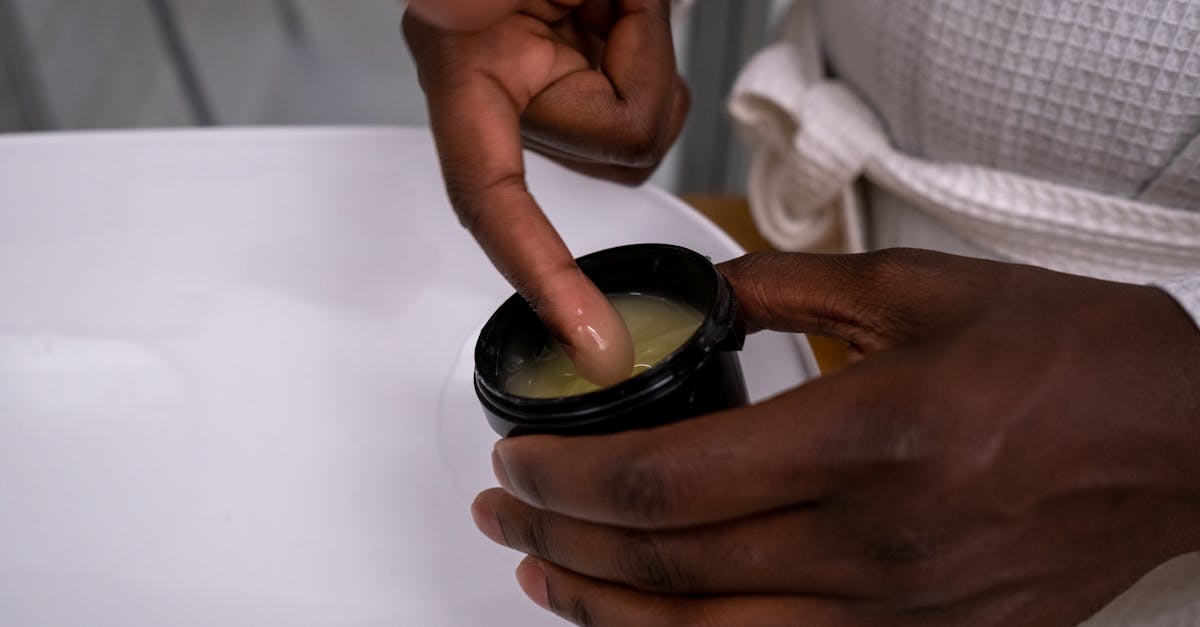
For optimal therapeutic results, an adequate, thin volume of the ointment should be massaged gently into the skin overlying the painful joint or muscle group. The application should only be performed on intact, completely clean, and thoroughly dry skin. Vigorously massaging the product heavily enhances local blood flow to the area, though excessive, harsh friction can inadvertently heighten the risk of severe cutaneous irritation.
The standard clinical dosage strictly limits application to no more than three to four times daily. Exceeding this recommended application frequency does not enhance the analgesic effect but drastically and exponentially increases the probability of developing severe allergic contact dermatitis or localized chemical burns. The therapeutic cooling effect typically peaks within thirty minutes and persists for roughly one to three hours.
4. In-Depth Side Effects Analysis of Dr Sabharwals Menthol
Common Side Effects
The most universally encountered adverse reactions are mild and highly localized directly to the application site. Patients frequently report a transient, sharp stinging or an intense cold sensation that rapidly transitions into a profound, radiating warming feeling. Mild, temporary erythema is an expected, harmless physiological response due to localized vasodilation induced by the vigorous counterirritant action.
Serious Side Effects you should report
Severe allergic contact dermatitis or massive chemical burns are critical adverse events requiring immediate medical attention. Patients must immediately discontinue use and seek evaluation if they develop severe, relentless burning that persists for hours beyond the initial application, massive swelling of the treated joint, or the sudden eruption of painful, fluid-filled blisters precisely where the product was rubbed into the skin.
Rare Side Effects
In exceedingly rare instances, the continuous application of highly concentrated topical menthol over massive, total body surface areas can theoretically lead to systemic absorption, resulting in mild systemic toxicity characterized by profound nausea, severe abdominal pain, or deep lethargy. Furthermore, rare cases of extreme immunological hypersensitivity leading to systemic anaphylaxis have been documented in highly susceptible individuals.
Side effects that usually do not require medical attention
A strong, pervasive, highly aromatic minty odor is a harmless, inherent physical property of the menthol compound. Additionally, a slight, lingering coolness on the skin hours after the product has been wiped away is a residual pharmacological effect on the thermoreceptors and requires absolutely no medical intervention.
| Side Effect Category | Specific Symptoms |
|---|---|
| Local Irritation | Mild skin stinging, intense cooling sensation, temporary redness |
| Severe Dermatological | Chemical burns, severe blistering, unrelenting burning pain |
| Allergic Reaction | Massive local swelling, widespread hives, rare anaphylaxis |
| Expected Alterations | Strong mint odor, prolonged residual cooling sensation |
5. Overdose Symptoms with Topical Menthol
A systemic overdose from the standard, recommended topical application of Dr Sabharwals menthol on intact, healthy skin is highly improbable. However, applying massive quantities of high-concentration menthol across vast areas of the body, or applying it aggressively to severely damaged, raw skin, can theoretically facilitate dangerous systemic absorption leading to clinical menthol toxicity.
Acute systemic toxicity is primarily a catastrophic, life-threatening risk if the product is intentionally or accidentally ingested orally, a particular, highly severe danger for curious pediatric patients. Massive oral ingestion of menthol can rapidly induce severe gastrointestinal distress, profound nausea, forceful vomiting, severe ataxia, central nervous system depression, and life-threatening respiratory failure in young children.
If oral ingestion occurs, caregivers must contact emergency medical services or a local poison control center immediately. Inducing vomiting is often strictly contraindicated due to the severe risk of pulmonary aspiration of the oily compound and subsequent severe chemical pneumonitis. Medical management will focus heavily on rigorous supportive care, managing severe seizures, and securing the patient airway.
6. Missed Dose & What to avoid while using Dr Sabharwals Menthol
Because this topical menthol formulation is utilized on a purely situational, as-needed basis for symptomatic pain relief, the concept of a traditionally missed dose is clinically irrelevant. Patients can simply apply the medication when severe pain returns, provided they strictly, rigorously adhere to the maximum limit of three to four applications within a single twenty-four-hour period.
Patients utilizing this topical analgesic must aggressively avoid exposing the treated area to direct, intense sunlight or excessively hot environments immediately after application. Taking scalding hot showers, entering saunas, or engaging in strenuous cardiovascular workouts immediately following a heavy menthol application can drastically intensify the sensory nerve stimulation, transforming a soothing cooling sensation into excruciating, unbearable burning.
Furthermore, individuals should rigorously avoid applying this product immediately prior to handling infants or highly sensitive pets. The highly volatile, concentrated menthol vapors can cause severe, dangerous respiratory and ocular irritation in sensitive pediatric populations or small animals even without direct, physical contact with the ointment.
7. Drug & Alcohol Interactions with Topical Menthol
Because the localized topical application of menthol results in clinically negligible systemic absorption when used correctly on intact skin, it does not engage in any significant pharmacological interactions with orally administered systemic medications. Patients managing highly complex chronic health conditions with systemic drugs can safely utilize topical menthol for localized pain relief.
There are no direct pharmacological interactions between topically applied menthol and the consumption of alcoholic beverages. However, patients should be keenly aware that systemic alcohol consumption can cause widespread peripheral vasodilation, which might slightly amplify the flushing or warming sensation experienced at the localized application site on the skin.
When used in conjunction with other topical medications, extreme caution is absolutely mandatory. Menthol acts as a potent chemical penetration enhancer, meaning it can significantly and artificially increase the dermal absorption of other topical agents. Applying this product concurrently with a topical non-steroidal anti-inflammatory drug like diclofenac without medical supervision can lead to dangerous, unintended systemic accumulation of those active drugs.
8. Precautions, Safety & Duration of Action for Dr Sabharwals Menthol
The duration of pharmacological action for topical menthol is relatively short, typically providing profound symptomatic relief for a period ranging from one to three hours. Once the menthol molecules slowly dissociate from the specific thermoreceptors and physically evaporate from the skin surface, the localized cooling effect completely dissipates, and the underlying pain signals will naturally reassert themselves.
To aggressively mitigate the severe risk of cutaneous irritation or accidental ocular transfer, dermatologists strongly recommend washing the hands thoroughly with cold water and heavy soap immediately after application. Using hot water to wash the hands will violently open the pores and intensely amplify the menthol burning sensation on the palms, fingertips, and nail beds.
Special, rigorous caution is required when using mentholated products in geriatric populations. Older adults frequently suffer from naturally thinning, highly fragile skin that is exponentially more susceptible to severe chemical irritation and deep blistering. A small, carefully monitored patch test on the forearm is highly recommended prior to applying the product aggressively to a massive, painful joint.
9. How to stop using Dr Sabharwals Menthol & Storage/Disposal
Stopping the use of a topical counterirritant like Dr Sabharwals requires absolutely no physiological tapering protocol or special medical intervention. Patients can immediately, safely cease application at any given time without experiencing any physical withdrawal symptoms whatsoever, though the underlying joint or muscle pain will naturally return rapidly.
Proper, safe storage of this product requires a cool, well-ventilated environment, securely away from direct sunlight and severe high-heat sources. The highly volatile nature of menthol means that prolonged, direct exposure to high temperatures will aggressively degrade the active ingredient, severely diminishing its therapeutic cooling efficacy and fundamentally altering the ointment consistency.
Disposal of expired, heavily degraded, or unwanted menthol ointment should be conducted alongside standard household waste. Because menthol is a naturally derived organic compound, it does not require highly specialized pharmaceutical biohazard disposal, provided it is kept securely wrapped and completely away from children and scavenging pets during the disposal process.
10. When to see a doctor regarding Dr Sabharwals Menthol
A patient should consult a primary care physician or specialized orthopedist if the localized joint pain heavily persists or actively worsens despite continuous, heavy application of the menthol product for more than seven consecutive days. Persistent, unyielding pain is a strong clinical indicator of a severe underlying structural injury, such as a torn ligament or profound osteoarthritis, requiring formal medical imaging.
Immediate, extreme emergency medical attention is absolutely critical if any quantity of the concentrated ointment is ingested orally, particularly by a child. Signs of acute, life-threatening menthol poisoning, such as severe lethargy, profound confusion, violent vomiting, or dangerously slow breathing, demand immediate dispatch of emergency medical services to prevent fatal complications.
If the high-concentration menthol is accidentally rubbed aggressively into the eyes and causes severe, relentless burning, prolonged visual blurring, or intense fiery redness that does not resolve completely after fifteen minutes of continuous, aggressive flushing with cold water, an urgent ophthalmology evaluation is unequivocally required to rule out severe chemical damage to the cornea.
Frequently Asked Questions FAQ
1. How exactly does menthol relieve my severe joint pain?
Menthol does not cure the actual joint damage. It creates a highly powerful, localized cooling sensation on the skin that travels to the brain faster than the underlying pain signals, effectively and completely distracting your brain from the deeper muscle pain.
2. Can I use an electric heating pad right after applying this ointment?
No. You must absolutely never use a heating pad, hot water bottle, or tight bandage over skin treated with menthol. Doing so traps the intense heat and causes severe, permanent chemical burns.
3. Will the menthol absorb into my bloodstream and interact with my heart pills?
When applied to perfectly intact, healthy skin in appropriate, thin amounts, menthol does not enter the bloodstream in significant quantities and will not interact with your oral medications.
4. Why does my skin turn slightly red and feel hot after I rub it in?
Menthol drastically increases local blood flow to the surface of the skin where it is applied. This is an expected, harmless reaction and causes a mild, temporary redness and warming sensation.
5. Can I use this on a deep cut or a bleeding scrape that hurts?
No. Applying high-concentration menthol to broken, damaged, or severely scraped skin will cause excruciating, severe burning pain and will aggressively delay the natural healing process of the wound.
6. Is it entirely normal for the product to smell so incredibly strong?
Yes. Menthol is a highly volatile, exceptionally aromatic compound. The strong, pervasive, lingering minty odor is a completely natural property of the active ingredient and cannot be avoided.
7. What should I do if my toddler accidentally swallows the ointment?
This is an absolute, catastrophic medical emergency. Do not induce vomiting. Call emergency medical services or a local poison control center immediately, as swallowing menthol can be highly toxic or rapidly fatal to young children.
Bibliography
Disclaimer: The content is for informational purposes only and does not replace medical advice. Always consult your doctor or pharmacist for personalized treatment.