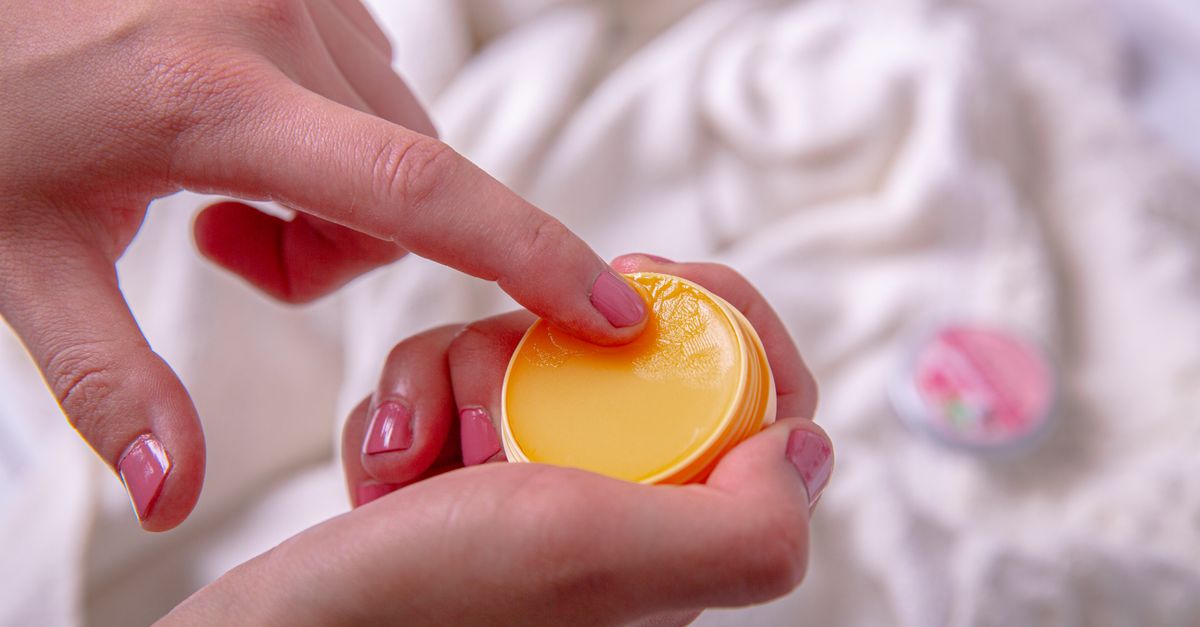
Earth Mama Eczema Cream utilizes colloidal oatmeal to safely manage the symptoms of atopic dermatitis and severely dry, compromised skin. The primary side effect is rare localized contact dermatitis caused by hypersensitivity to specific botanical extracts or carrier oils within the formula.
1. How Earth Mama Eczema Cream Works in the Body
Colloidal oatmeal is a highly processed, finely ground form of whole oat grain that serves as a powerful dermatological skin protectant. Its primary mechanism of action relies on a rich concentration of complex starches, lipids, and beta-glucans. When applied to compromised skin, these components bind to the stratum corneum, creating a cohesive, occlusive barrier that aggressively locks in moisture and halts transepidermal water loss.
Beyond profound hydration, colloidal oatmeal exhibits significant anti-inflammatory and antipruritic properties. It contains unique phenolic compounds called avenanthramides. These biologically active molecules inhibit the release of pro-inflammatory cytokines and reduce histamine activity within the skin tissue. By calming the local immune response, the oatmeal rapidly relieves the intense itching and burning sensations characteristic of atopic dermatitis.
Furthermore, colloidal oatmeal acts as a mild buffering agent, helping to restore the skin’s natural acidic pH. An optimized acid mantle creates an inhospitable environment for pathogenic bacteria like Staphylococcus aureus, which frequently colonizes and exacerbates severe eczema plaques. The resulting protective barrier provides a stable environment for the epidermal tissue to heal naturally.
2. Critical Warnings Before Using Earth Mama Eczema Cream
Patients with a known clinical allergy to oats or gluten must proceed with extreme caution. While colloidal oatmeal is generally processed to remove gluten proteins, cross-contamination is possible. Patients with severe celiac disease or highly sensitive oat allergies may develop intense urticaria or an exacerbation of their eczema upon application.
This therapeutic cream is designated solely for external application. It must never be applied to deep, gaping wounds, severe third-degree burns, or actively infected, pus-filled lesions unless explicitly directed by a physician. Applying an occlusive barrier over a raging bacterial infection will trap the pathogens and worsen the tissue damage.
If the cream accidentally comes into contact with the ocular mucosa, it will cause mild mechanical irritation. Immediate irrigation with clean, lukewarm water is necessary to flush the botanical oils and oat particles from the eye.
3. Indications and Proper Dosage for Earth Mama Eczema Cream
The primary clinical indications for Earth Mama Eczema Cream include the symptomatic relief of atopic dermatitis, contact dermatitis, severe xerosis, and general skin rashes. It is formulated to soothe intense pruritus, reduce localized erythema, and repair the damaged lipid barrier in both pediatric and adult populations.
Proper dosage requires liberal and frequent application. A generous layer of the cream should be applied directly to the affected areas of the skin. It should be gently massaged into the plaques until fully absorbed. For maximum therapeutic benefit, application is highly recommended immediately after bathing while the skin is still slightly damp, as this aggressively traps ambient moisture within the stratum corneum.
There is no strict limit on the frequency of application. Patients can apply the cream two to four times daily, or as frequently as needed to maintain hydration and control severe itching. Consistent, daily use is crucial for maintaining the integrity of the epidermal barrier and preventing future flare-ups.
4. In-Depth Side Effects Analysis of Earth Mama Eczema Cream
Colloidal oatmeal is classified by regulatory bodies as a highly safe and effective skin protectant. The overwhelming majority of adverse reactions stem from hypersensitivity to the inactive botanical ingredients or heavy carrier oils rather than the oatmeal itself.
| Side Effect Category | Specific Symptoms |
|---|---|
| Dermatological | Mild pore occlusion, minor follicular breakouts |
| Hypersensitivity | Pruritus, localized erythema, stinging upon application |
| Allergic | Widespread contact dermatitis, hives |
Common Side Effects
The most common reactions are minor and transient. Some patients with severely compromised skin barriers may experience a brief, mild stinging sensation immediately upon application. Because the cream is heavily occlusive by design, it may cause minor follicular occlusion, leading to small, benign papules if applied too thickly in areas dense with hair follicles.
Serious Side Effects You Should Report
Any signs of an acute allergic reaction require immediate medical intervention. Symptoms such as severe facial swelling, widespread urticaria, or severe difficulty breathing indicate a dangerous systemic allergy to a botanical component. Rapid worsening of the eczema, accompanied by weeping blisters or severe pain, is a clinical red flag necessitating a dermatologist’s evaluation.
Rare Side Effects
In exceedingly rare instances, patients may develop allergic contact dermatitis directly from the avenanthramides in the oats. This presents as an intensely itchy, red, and swollen rash localized strictly to the application site, which resolves upon discontinuation of the product.
Side Effects That Usually Do Not Require Medical Attention
A slightly greasy or tacky sensation on the skin surface is a normal physical characteristic of the cream’s protective barrier and does not require medical attention. Temporary redness caused purely by the mechanical action of rubbing the cream into the skin is also completely benign.
5. Symptoms of Oatmeal Overdose and Necessary Actions
Topical overdose of colloidal oatmeal is physiologically impossible. The active compounds do not absorb systematically in quantities large enough to cause internal toxicity. Applying an excessively thick layer of the cream will simply waste the product and create an uncomfortable, greasy mess that easily rubs off onto clothing or bedding.
Accidental ingestion is a minor risk, particularly for infants being treated for pediatric eczema. Swallowing the cream will cause mild gastrointestinal upset due to the dense lipid base. The patient may experience nausea, mild stomach cramps, or loose stools. Copious water intake is advised to dilute the stomach contents. A poison control center should be contacted for professional guidance, but inducing vomiting is entirely unnecessary.
6. Managing a Missed Dose of Earth Mama Eczema Cream and What to Avoid
Missing an application simply means the skin is temporarily deprived of vital hydration and barrier protection, which may result in a rapid return of pruritus and flaking. The patient should resume their normal application routine as soon as possible to restore the occlusive seal.
Patients managing severe eczema must actively avoid environmental triggers that dismantle the lipid barrier. Hot water is highly detrimental; bathing should be brief and conducted with lukewarm water only. Furthermore, the use of harsh, highly fragranced soaps, chemical exfoliants, and abrasive physical loofahs must be strictly avoided, as these aggressively traumatize the fragile stratum corneum.
7. What Drugs Interact with Earth Mama Eczema Cream?
Systemic drug interactions with topical colloidal oatmeal are non-existent due to the lack of percutaneous absorption. The primary clinical concerns involve the correct sequencing of topical dermatological therapies.
When prescribed alongside active pharmacological agents like topical hydrocortisone or tacrolimus, precise application timing is vital. The prescription medication must always be applied first to clean, dry skin to ensure maximum absorption. The patient must wait approximately fifteen to twenty minutes for the active drug to penetrate before applying the heavy eczema cream over the top to seal in the moisture.
Applying the heavy cream first will create an impenetrable barrier, entirely blocking the absorption and efficacy of the underlying prescription medication.
8. Safety Precautions and Duration of Action for Earth Mama Eczema Cream
A fundamental safety precaution is conducting a localized patch test prior to widespread application. Applying a small amount of the cream to the inner forearm and observing the tissue for twenty-four hours will identify any latent botanical or oat allergies.
The anti-pruritic duration of action is rapid, typically soothing the itch within twenty to thirty minutes of application. However, the deep structural repair of the epidermal lipid barrier takes considerably longer. Consistent application over several weeks is required to fully normalize the skin’s moisture retention capabilities and achieve prolonged remission from eczema flare-ups.
9. Discontinuing and Storing Earth Mama Eczema Cream Safely
Discontinuing the use of the cream is completely safe and requires no tapering protocol. However, since atopic dermatitis is a chronic condition, abruptly stopping daily moisturization will almost certainly lead to a relapse of severe dryness and inflammation.
Proper storage preserves the stability of the botanical oils and the oatmeal suspension. The cream must be stored at room temperature, strictly avoiding extreme heat or direct sunlight. Heat exposure causes the rich carrier oils to separate and turn rancid, which can trigger severe contact dermatitis upon subsequent use.
10. When to Seek Medical Attention for Oatmeal Side Effects
Immediate medical attention is warranted if the patient experiences any symptoms of a severe systemic allergic reaction, such as throat swelling, wheezing, or generalized hives.
A dermatological consultation is necessary if the skin condition exhibits signs of a secondary bacterial infection. Symptoms including increased localized heat, severe swelling, golden crusting, or the presence of purulent discharge require immediate clinical assessment and likely a prescription for topical or oral antibiotics.
Frequently Asked Questions (FAQ)
1. Can I use this cream on my baby’s face?
Yes, the formula is generally safe for pediatric facial eczema. However, always perform a patch test first and avoid the delicate eye area.
2. Does colloidal oatmeal contain gluten?
Oats naturally do not contain gluten, but cross-contamination in agricultural facilities is common. If you have severe celiac disease, consult your doctor before use.
3. How often should I apply this cream for severe flare-ups?
For severe flare-ups, you can apply the cream as frequently as four to six times a day to maintain a continuous protective barrier.
4. Will this cure my eczema?
Eczema is a chronic inflammatory condition with no definitive cure. This cream manages the symptoms, repairs the skin barrier, and helps prolong remission periods.
5. Is it safe to use this cream on open, bleeding cracks?
Applying cream to deep, actively bleeding fissures can cause severe stinging. Consult a doctor for proper wound care before applying heavy creams to broken skin.
6. Can I use this product immediately after stepping out of the shower?
Yes, applying the cream to damp skin within three minutes of bathing is the most effective clinical method to lock in essential hydration.
7. Does this cream have a strong scent?
The scent profile depends entirely on the botanical extracts used in the specific formulation, but the colloidal oatmeal itself provides a very mild, earthy aroma.
Bibliography
Disclaimer: The content is for informational purposes only and does not replace medical advice. Always consult your doctor or pharmacist for personalized treatment.