Ecolab Hand Sanitizer relies on high-concentration ethyl alcohol to provide rapid, broad-spectrum antimicrobial action for routine hand hygiene. The most notable side effect is severe dermatological desiccation and irritant contact dermatitis, which frequently occurs with chronic, high-frequency use in clinical or industrial settings.
1. Introduction & How Ecolab Hand Sanitizer Works in the Body
Ethyl alcohol functions as a highly aggressive, rapid-acting antimicrobial agent. When applied to the skin, it immediately targets the lipid membranes and outer proteins of bacteria, mycobacteria, fungi, and lipid-enveloped viruses.
The mechanism of action relies entirely on the denaturation of vital cellular proteins. The alcohol penetrates the microbial cell wall, altering the structural conformation of essential enzymes and structural proteins. This massive protein coagulation completely destroys the cellular integrity of the pathogen, leading to instant cell death. Water is highly crucial to this mechanism, which is why seventy percent alcohol solutions are often more effective than pure absolute alcohol, as the water acts as a catalyst for the denaturation process.
Unlike systemic antibiotics, alcohol exerts zero biological effect on the internal physiology of the human body when used properly on intact skin. It evaporates rapidly, leaving no active chemical residue, thus preventing the development of antimicrobial resistance, which is a significant advantage in preventing hospital-acquired infections.
2. Critical Warnings & Prerequisites Before Using Ecolab Hand Sanitizer
The most critical safety warning regarding high-concentration alcohol sanitizers is their extreme flammability. The flash point of the liquid is dangerously low. It must be kept strictly away from open flames, sparks, and high-heat sources. Users must ensure their hands are completely dry and the alcohol vapors have fully dissipated before touching any equipment capable of generating a static spark.
This product is strictly for external use on intact skin. It must never be ingested. Accidental or intentional consumption of industrial hand sanitizer can rapidly precipitate life-threatening alcohol poisoning, severe hypoglycemia, and profound respiratory depression.
Furthermore, hand sanitizers are entirely ineffective when hands are visibly soiled with dirt, grease, or heavy organic matter. The physical barrier of dirt protects the microbes from the alcohol. In these instances, traditional mechanical washing with soap and water is an absolute prerequisite.
3. Indications & Ecolab Hand Sanitizer Dosage Guidelines
Ecolab Hand Sanitizer is indicated for routine hand decontamination to decrease transient microbial flora when traditional soap and water are physically unavailable. It is heavily utilized in healthcare, food processing, and public health settings to break the chain of infection.
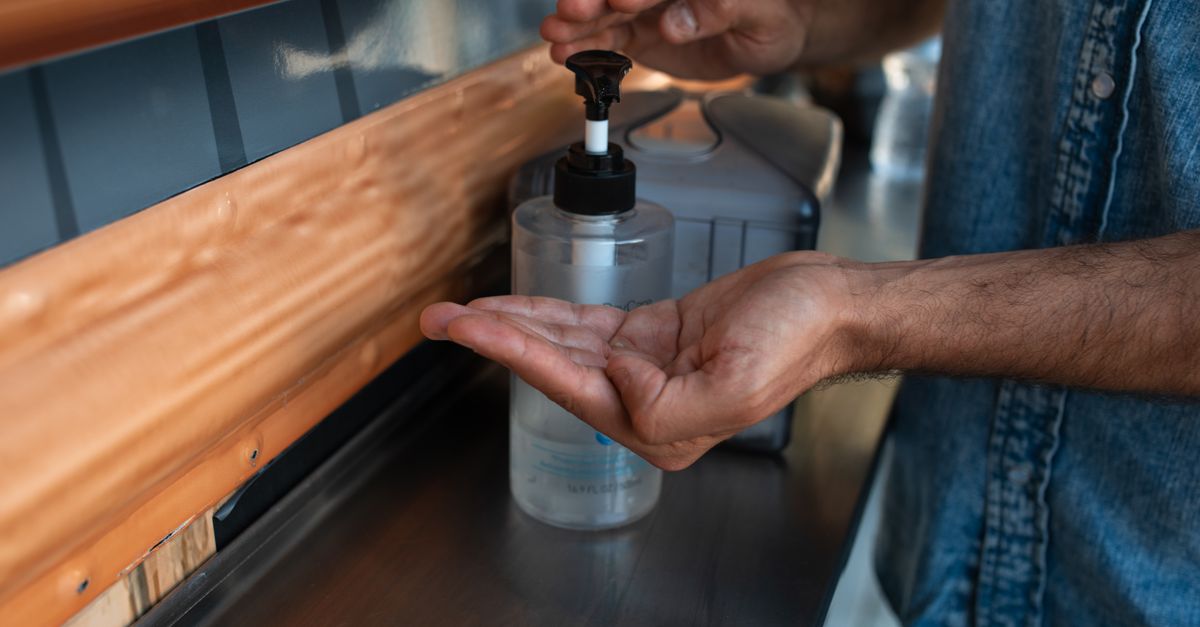
Proper dosage relies on volume and technique. The user must dispense an adequate volume of the gel or liquid, typically between two and three milliliters, into the palm of one hand. This volume must be sufficient to completely wet all surfaces of both hands, including the web spaces between the fingers, the fingertips, and the thumbs.
The user must vigorously rub their hands together until the skin is completely dry. This rubbing process should take approximately twenty to thirty seconds. If the hands dry in less than ten seconds, an insufficient volume of sanitizer was applied to achieve complete microbial eradication.
4. In-Depth Ecolab Hand Sanitizer Side Effects Analysis
Adverse reactions are predominantly localized to the epidermis and are directly correlated with the frequency of application.
Common Side Effects
The most prevalent side effect is localized skin desiccation. Alcohol aggressively strips away the natural sebum and epidermal lipids that maintain the skin moisture barrier. Chronic use rapidly leads to dry, flaky skin, mild stinging, and a persistent sensation of tightness across the dorsal aspects of the hands.
Serious Side Effects You Should Report
Seek immediate medical assessment if you develop deep, bleeding fissures in the skin, severe weeping eczema, or massive swelling of the hands. These symptoms indicate severe irritant contact dermatitis or a secondary bacterial infection that has entered through the compromised skin barrier. Systemic signs of intoxication, such as slurred speech or severe confusion in a child, demand an immediate emergency room visit for suspected ingestion.
Rare Side Effects
True allergic contact dermatitis to ethyl alcohol is exceedingly rare. However, allergic reactions to the inactive ingredients, such as synthetic fragrances, dyes, or specific thickening agents, can occur. These present as intensely itchy, raised erythematous plaques strictly limited to the areas of application.
Side Effects That Usually Do not Require Medical Attention
An intense, sharp stinging sensation when applying the sanitizer over microscopic, unnoticed cuts or hangnails is an expected physiological response to the chemical hitting exposed nerve endings. This severe localized pain is entirely harmless and subsides rapidly as the liquid evaporates.
| Side Effect Category | Specific Symptoms |
|---|---|
| Dermatological | Severe dryness, scaling, superficial cracking, stinging on cuts |
| Systemic (Ingestion) | Alcohol intoxication, hypoglycemia, respiratory depression |
| Immunological | Rare allergic contact dermatitis to synthetic fragrances |
5. Ecolab Hand Sanitizer Overdose Symptoms & Emergency Response
A toxic overdose is strictly the result of gastrointestinal ingestion. Pediatric patients are at the highest risk due to the appealing colors and scents often added to these formulations. Ingestion of even a small amount by a child can cause a massive spike in blood alcohol concentration.
Symptoms of systemic acute alcohol toxicity include profound lethargy, severe vomiting, hypothermia, dangerous drops in blood sugar, and eventual respiratory arrest. If ingestion occurs, emergency medical services must be contacted immediately. Do not induce vomiting due to the risk of pulmonary aspiration. Emergency treatment involves rigorous airway protection, intravenous dextrose to correct hypoglycemia, and continuous cardiovascular monitoring.
6. Missed Dose & What to Avoid While Using Ecolab Hand Sanitizer
Hand sanitizer is used strictly on demand, so there is no fixed dosing schedule. However, failure to sanitize hands immediately after touching potentially contaminated surfaces drastically increases the risk of viral and bacterial self-inoculation.
Users must strictly avoid approaching open flames, smoking, or operating sparking machinery until the hands are entirely dry and the vapors have vanished. Additionally, avoid relying on sanitizer if you have just been exposed to spore-forming pathogens like Clostridioides difficile, as alcohol cannot penetrate and destroy bacterial spores. In such cases, vigorous mechanical handwashing is mandatory.
7. What Drugs Interact With Ecolab Hand Sanitizer?
Topical alcohol does not absorb into the bloodstream in sufficient quantities to cause pharmacokinetic drug interactions. Clinical concerns exist solely at the site of topical application.
Concurrent use of multiple strong dermatological agents can be problematic. For example, using alcohol immediately before or after washing with highly concentrated chlorhexidine surgical scrubs can severely amplify skin irritation, breaking down the epidermal barrier and leaving the healthcare worker highly susceptible to dermatological infections.
8. Precautions, Safety & Duration of Action
The antimicrobial action is instantaneous but highly transient. Once the alcohol evaporates, the skin possesses absolutely zero residual protection against new microbial contamination. Touching a contaminated surface one second after the hands dry completely recontaminates the skin.
To combat the severe drying effects of the alcohol, users must take proactive precautions by implementing a rigorous skin hydration protocol. Applying a high-quality, lipid-rich emollient lotion multiple times throughout the day is critical to repairing the epidermal barrier and preventing the formation of deep, painful fissures.
9. How to Stop Using Ecolab Hand Sanitizer & Proper Storage
Discontinuing use simply involves transitioning back to traditional soap and water. If severe contact dermatitis has developed, halting the use of the chemical is mandatory to allow the epidermal basal layer to regenerate.
Storage protocols are critical due to flammability. Bulk containers must be stored in cool, well-ventilated areas, securely away from direct sunlight, heating vents, and electrical panels. All dispensers must be positioned away from potential ignition sources, and all supplies must be kept entirely inaccessible to young children.
10. When to See a Doctor
Medical consultation is necessary if the skin on your hands becomes severely cracked, begins to bleed routinely, or shows signs of a secondary bacterial infection such as spreading redness, localized heat, and thick purulent drainage. Furthermore, consult a dermatologist if a severe rash persists despite discontinuing the product, as you may require prescription topical corticosteroids.
11. Frequently Asked Questions
1. Does this sanitizer kill all types of viruses and bacteria?
No. While highly effective against many pathogens, alcohol cannot kill bacterial spores like those that cause severe hospital diarrhea, nor is it highly effective against certain non-enveloped viruses like norovirus.
2. Why do my hands burn so badly when I use it?
Alcohol causes a sharp burning sensation if you have microscopic cuts, abrasions, or severely dry, cracked skin. The chemical severely irritates the exposed nerve endings in these tiny wounds.
3. Can I use this instead of washing my hands after using the restroom?
No. Hand sanitizers are ineffective when hands are visibly soiled with organic matter. You must physically wash away heavy contamination with soap and water.
4. Is it safe to use this before cooking over a gas stove?
You must wait until your hands are completely, entirely dry. The liquid and its invisible vapors are extremely flammable and can easily catch fire if exposed to the open flame of a gas burner.
5. Will using this product too much create superbugs?
No. Unlike antibiotic creams, alcohol destroys bacteria through physical structural destruction rather than metabolic interference, making it virtually impossible for bacteria to mutate and develop resistance to it.
6. Why do my hands feel so dry and tight after using it?
Alcohol aggressively strips away the natural protective oils on the surface of your skin. Without these lipids, moisture rapidly escapes, leaving your skin severely dehydrated.
7. What happens if a toddler licks their hands after I apply it?
Once the hands are entirely dry, the alcohol is gone, and licking the skin is generally harmless. However, if they drink the liquid directly from the bottle, it is a severe medical emergency requiring immediate hospital care.
12. Bibliography
Disclaimer: The content is for informational purposes only and does not replace medical advice. Always consult your doctor or pharmacist for personalized treatment.