
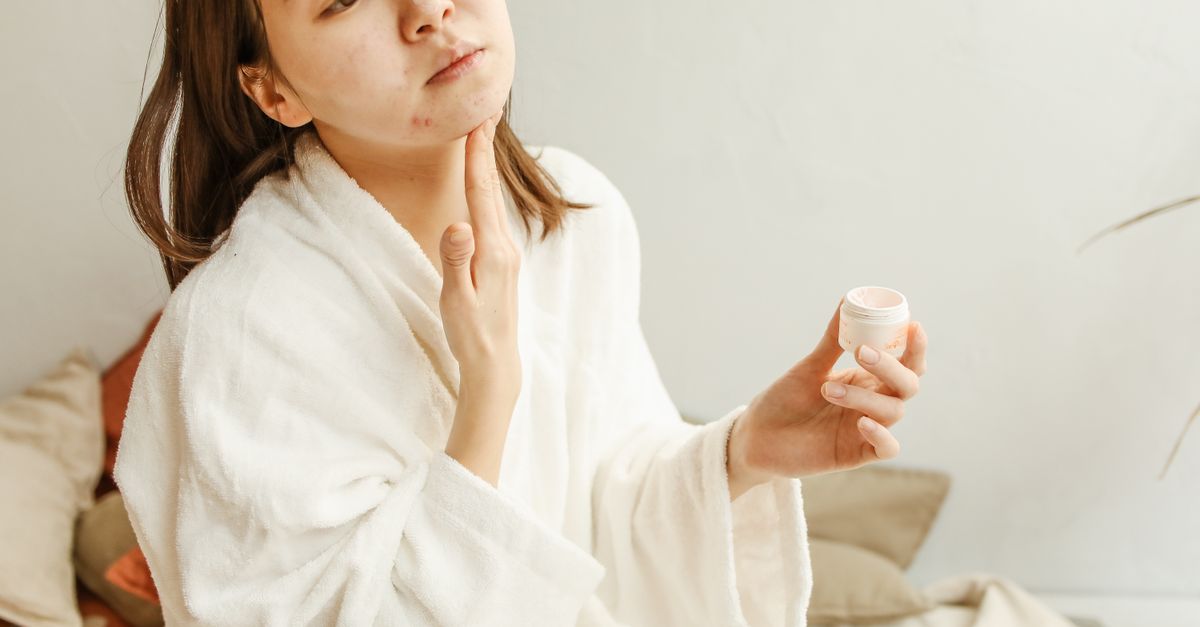
1. Introduction and Mechanism of Action for Erythromycin Topical Solution 2%
Erythromycin topical solution two percent is a prescription macrolide antibiotic applied directly to the skin for the routine management of acne vulgaris. The most notable side effect is localized skin irritation presenting as severe epidermal dryness, peeling, and redness upon initial application. This medication provides a targeted antimicrobial approach to reducing the inflammatory lesions characteristic of acne.
The pharmacological action of topical erythromycin relies on its ability to infiltrate the pilosebaceous unit and directly target Cutibacterium acnes. This specific bacterial strain thrives in the oxygen-deprived, sebum-rich environment of congested pores, where it releases lipases that break down sebum into free fatty acids. These fatty acids are highly irritating to the surrounding follicular tissue and drive the inflammatory response seen in papules and pustules.
Erythromycin exerts a bacteriostatic effect by diffusing through the bacterial cell membrane and binding reversibly to the 50S ribosomal subunit. This binding action effectively blocks the translocation of peptides, halting bacterial protein synthesis. By drastically reducing the population of Cutibacterium acnes, the solution decreases the concentration of inflammatory free fatty acids on the skin surface, promoting the healing of active acne lesions and preventing the formation of new inflammatory blemishes.
2. Warnings and Prerequisites Before Applying Erythromycin
Before incorporating this topical antibiotic into a daily skincare regimen, patients must carefully assess the current integrity of their facial skin barrier. Erythromycin topical solution contains an alcohol-based vehicle. This formulation must never be applied to severely sunburned skin, active eczema plaques, or deep, actively bleeding excoriations. Applying a highly concentrated alcohol solution to compromised tissue guarantees severe stinging and significantly delays the natural epidermal healing process.
Patients managing severe nodulocystic acne should consult a dermatologist before relying solely on a topical antibiotic. Deep cystic acne rarely responds to topical monotherapy and typically requires systemic intervention. Furthermore, individuals with a known hypersensitivity to macrolide antibiotics must strictly avoid this product, as allergic contact dermatitis can rapidly exacerbate existing facial inflammation.
A critical clinical warning involves the development of bacterial resistance. Prolonged use of topical erythromycin alone frequently leads to the emergence of resistant strains of Cutibacterium acnes. To mitigate this significant risk, dermatologists strongly recommend utilizing this solution in conjunction with benzoyl peroxide, which possesses non-specific bactericidal properties that prevent the survival of antibiotic-resistant bacteria.
3. Indications and Dosage Guide for Erythromycin Topical Solution
This medicated liquid is clinically indicated for the topical control of acne vulgaris, particularly focusing on inflammatory papules and pustules rather than simple comedones. The therapeutic efficacy is highly dependent on consistent, proper application technique across the entire acne-prone area.
For adolescents and adults, the standard dosage involves applying a thin film of the solution to the affected areas twice daily, typically in the morning and evening. Prior to application, the skin must be thoroughly washed with a mild, non-medicated cleanser and patted completely dry. Patients must apply the liquid over the entire region prone to breakouts, not just as a spot treatment on individual active pimples.
The solution is often dispensed in a bottle with a specialized applicator tip. Patients should gently dab or glide the applicator over the skin without scrubbing. If severe dryness or painful peeling occurs during the first week of therapy, the application frequency must be temporarily reduced to once daily or every other day until the stratum corneum builds adequate tolerance.
4. In-Depth Side Effects Analysis of Topical Erythromycin
While the systemic absorption of topically applied erythromycin is negligible, the combination of the active antibiotic and the harsh alcohol vehicle frequently produces distinct localized dermatological reactions.
Common Side Effects
Most patients experience minor sensory and structural adjustments during the initial weeks of antimicrobial therapy.
– A sharp, transient stinging or burning sensation immediately upon application
– Noticeable dryness and a feeling of tightness across the treated facial zones
– Mild, superficial peeling and shedding of dead skin cells
Serious Side Effects to Report
Severe local reactions signify a compromised skin barrier, a true allergic response, or extreme chemical irritation requiring medical review.
– The sudden development of severe, unrelenting redness and severe swelling
– Intense burning pain that persists for hours after the liquid dries
– Worsening of the acne accompanied by severe itching and blistering
Rare Side Effects
Unusual physiological responses occur predominantly through inappropriate application to highly sensitive mucosal tissues or due to extreme hypersensitivity.
– Allergic contact dermatitis presenting as severe, weeping facial hives
– Ocular irritation if the volatile fumes or the liquid itself contacts the conjunctiva
– Profound oil overproduction as the skin attempts to compensate for severe alcohol-induced dehydration
Side Effects That Usually Do Not Require Medical Attention
Minor physiological changes expected during the skin adaptation phase resolve naturally.
– A faint medicinal odor lingering briefly on the skin after drying
– Minor alterations in skin texture during the initial peeling phase
| Side Effect Category | Specific Symptoms |
|---|---|
| Dermatological | Erythema, severe dryness, excessive peeling, burning sensation |
| Immunological | Allergic contact dermatitis, localized facial hives |
| Sensory | Transient stinging upon application, feeling of skin tightness |
5. Recognizing and Managing Erythromycin Overdose
A systemic chemical overdose from the topical application of erythromycin solution is biologically impossible. The drug is not absorbed through intact skin in quantities sufficient to reach the systemic circulation. Consequently, there is zero risk of cardiovascular or neurological toxicity from external application.
If a patient accidentally applies an excessive volume of the solution, the resulting issue is purely a localized chemical irritation caused by the alcohol vehicle. Over-application rapidly strips the skin of its natural lipid barrier, leading to a severe chemical burn, agonizing stinging, and extensive peeling of the epidermal tissue.
Management of an accidental topical over-application requires immediate cessation of the product. The patient must wash the face gently with cool water to remove the excess solvent. Applying a heavy, non-comedogenic emollient will help soothe the intense inflammation. If a child accidentally ingests the liquid, the primary concern is alcohol intoxication due to the vehicle. Caregivers must offer small sips of water and contact a local poison control center immediately for guidance.
6. Missed Dose Guidelines and What to Avoid
Because this solution acts as a continuous suppressive therapy for acne-causing bacteria, consistency is paramount. If a patient misses a scheduled application, they should simply apply the solution during their next regular skincare routine. Applying a double layer of the liquid to compensate for a missed dose provides no extra antimicrobial benefit and guarantees severe chemical irritation.
Patients must strictly avoid exposing the treated facial skin to harsh mechanical exfoliation. Utilizing stiff facial cleansing brushes, abrasive walnut shell scrubs, or rough loofahs on skin already dried out by an alcohol-based antibiotic will rapidly destroy the fragile dermal barrier. This mechanical trauma leads to bleeding, extreme pain, and an elevated risk of severe secondary staphylococcal infections.
Furthermore, users must absolutely avoid applying the medication near the delicate mucous membranes, including the eyes, lips, and inner nostrils. The alcohol vehicle is highly caustic to these thin tissues. If the medication accidentally contacts the eyes, it must be flushed immediately with copious amounts of cool water for fifteen minutes to prevent severe corneal ulceration.
7. Drug and Alcohol Interactions with Topical Erythromycin
Systemic pharmacological interactions are exceptionally rare given the negligible blood absorption profile of properly applied topical erythromycin. However, combining this solution with other aggressive topical acne treatments requires highly calculated clinical sequencing.
Concurrent use of topical erythromycin with other peeling agents, such as salicylic acid, strong alpha-hydroxy acids, or topical retinoids, dramatically increases epidermal stripping. If a dermatologist prescribes concurrent therapy, the patient must establish a staggered application schedule. For instance, a patient might utilize the erythromycin solution in the morning and a topical retinoid like tretinoin in the evening to prevent severe chemical burns and unmanageable skin peeling.
Systemic alcohol consumption does not chemically interact with topical erythromycin. Nevertheless, heavy alcohol intake acts as a powerful systemic diuretic and triggers widespread vasodilation. This increases facial redness and heavily exacerbates the intense skin dehydration initially caused by the alcohol-based acne therapy.
8. Precautions, Safety, and Duration of Action
The bacteriostatic action of erythromycin begins working rapidly upon penetrating the pore, but a visible clinical reduction in inflammatory acne lesions typically requires four to eight weeks of consistent, twice-daily application. The suppression of bacterial protein synthesis continues for several hours following each application.
Safety during therapy requires diligent use of adjunctive moisturizers. Because the alcohol vehicle severely dehydrates the stratum corneum, patients must apply a lightweight, oil-free, non-comedogenic moisturizer over the dried erythromycin solution to maintain skin barrier health. Failure to moisturize often leads to a rebound effect where the skin produces excess sebum to combat the dryness, potentially worsening the acne.
Patients utilizing topical antibiotics must monitor their clinical progress. If the acne shows no improvement after two months of strict compliance, or if the breakouts actively worsen, the patient must return to the dermatologist. This clinical failure strongly indicates that the bacterial strain has developed complete resistance to erythromycin, necessitating a change to a different antimicrobial class.
9. Discontinuation and Storage Protocols
Discontinuation of topical erythromycin should be guided by a dermatologist. Stopping the antimicrobial treatment abruptly without transitioning to a maintenance therapy frequently allows the remaining bacteria to rapidly repopulate the follicles, inevitably leading to a clinical relapse of inflammatory acne.
Proper storage maintains the chemical stability of the macrolide antibiotic and the integrity of the alcohol vehicle. The bottle must be kept tightly sealed at standard room temperature. The product should be kept strictly away from direct sunlight, extreme heat sources, and open flames, as the liquid vehicle is highly flammable.
Expired solutions should be disposed of securely in standard household waste. Keep the medication strictly out of the reach of young children. Accidental ingestion of the highly concentrated alcohol base poses a significant risk for pediatric alcohol poisoning requiring immediate emergency intervention.
10. When to Seek Immediate Medical Attention
Immediate medical intervention is absolutely critical if the patient develops severe swelling of the face, eyelids, lips, or throat shortly after applying the medication. This presentation signifies a systemic anaphylactic reaction to the macrolide antibiotic or a formulation excipient. Emergency administration of epinephrine and immediate transport to a hospital are required to secure the patient airway.
A prompt dermatological evaluation is required if the treated acne lesions become surrounded by rapidly expanding red streaks, begin oozing thick yellow pus, or feel unnaturally hot and throbbing to the touch. These symptoms strongly indicate a dangerous secondary bacterial infection that has invaded the chemically compromised skin barrier, necessitating urgent oral antibiotic therapy.
Finally, if the patient develops severe, painful, large cystic nodules shortly after adopting the product, this indicates that the topical therapy is insufficient for their specific grade of acne. A prompt consultation is necessary to escalate the treatment plan to prevent permanent dermal scarring.
Frequently Asked Questions (FAQ)
1. How does erythromycin clear up my acne breakouts?
Erythromycin is an antibiotic that penetrates your pores and stops the specific bacteria that cause acne from multiplying. By reducing the number of bacteria, it lowers the amount of irritating chemicals they produce, which stops the red, inflamed pimples from forming.
2. Why does this liquid burn so intensely when I put it on my skin?
The active antibiotic is dissolved in a strong alcohol base. When the alcohol touches microscopic cuts or inflamed acne lesions on your face, it instantly stimulates pain receptors, resulting in a sharp burning sensation until the liquid evaporates.
3. Can I use this solution just on my active pimples as a spot treatment?
No. Dermatologists recommend applying a thin layer over the entire acne-prone area. This medication is designed to prevent new bacteria from forming pimples, not just to treat the ones that are already visible.
4. Is it safe to use this product along with my benzoyl peroxide face wash?
Yes, and it is actually highly recommended. Using benzoyl peroxide alongside topical erythromycin helps prevent the acne bacteria from developing a resistance to the antibiotic, keeping the treatment highly effective over a longer period.
5. Will this medication interact with my daily oral pain relievers?
Topical erythromycin does not enter the bloodstream in significant amounts when used on the face. It is generally very safe to use alongside standard over-the-counter oral pain medications.
6. What should I do if the liquid accidentally gets into my eyes?
The alcohol vehicle is highly caustic and damaging to ocular tissue. Flush your eyes immediately with a continuous stream of cool tap water for at least fifteen minutes and seek emergency medical care if intense pain or blurry vision persists.
7. How long does it take for my acne to disappear completely?
While you may notice a reduction in redness within two weeks, it generally takes four to eight weeks of consistent, twice-daily application to see a significant and lasting reduction in inflammatory acne breakouts.
8. Why is my skin peeling off in thick sheets after a few days of use?
If your skin is severely peeling, burning, or cracking, you are applying the medication too frequently or using too much liquid per application. Reduce your usage to once a day and apply a high-quality, oil-free moisturizer to help repair your skin barrier.
Bibliography
Disclaimer: The content is for informational purposes only and does not replace medical advice. Always consult your doctor or pharmacist for personalized treatment.
