
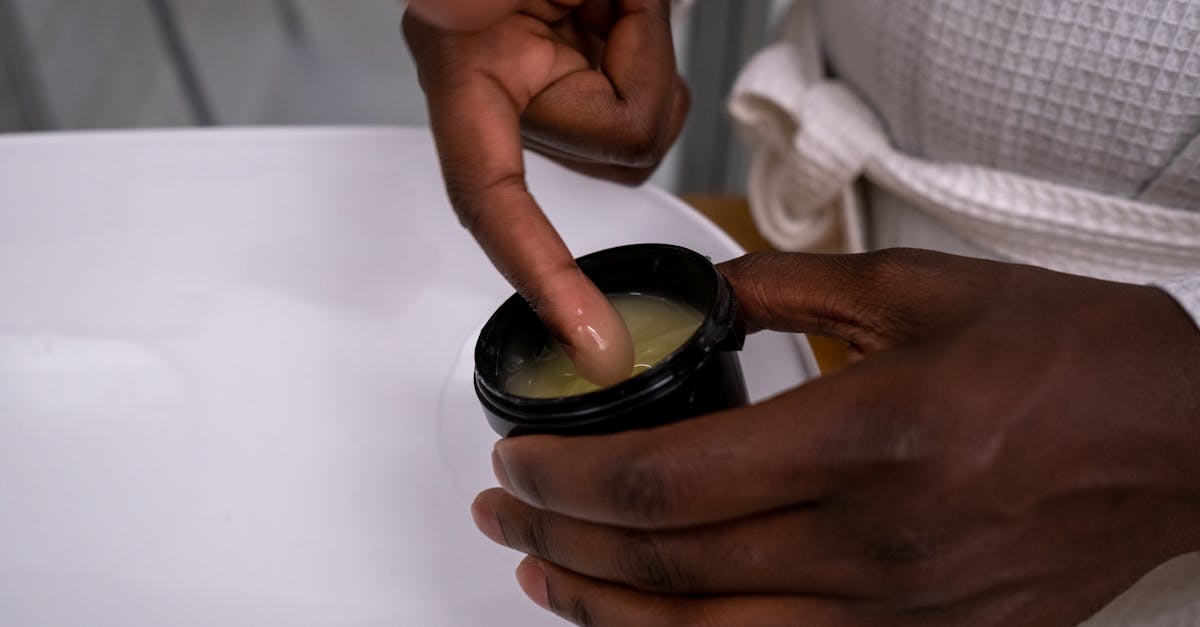
Foot Care is a complex, occlusive botanical ointment engineered to soften severe calluses, repair deep epidermal fissures on the heels, and soothe fatigued plantar tissues. The most prominent side effect involves localized allergic contact dermatitis, driven by the inclusion of highly allergenic Asteraceae extracts, which can exacerbate existing skin irritation on the feet.
1. Introduction & Mechanism of Action of Foot Care
This polypharmacy botanical preparation relies on the synergistic actions of multiple plant extracts suspended in a heavy lipid base to promote aggressive epidermal repair on the plantar surface. Ingredients such as Calendula officinalis and Achillea millefolium are rich in anti-inflammatory flavonoids. These compounds actively inhibit the release of pro-inflammatory cytokines, reducing the localized erythema and throbbing pain associated with deep heel fissures.
Furthermore, Comfrey leaf extract contains exceptionally high concentrations of allantoin, a biochemical compound known to stimulate aggressive cell proliferation and accelerate the regeneration of the thick stratum corneum on the feet. Commiphora myrrha acts as a robust natural astringent and local antimicrobial agent, creating an unfavorable microenvironment for opportunistic bacteria that frequently colonize cracked heels. The heavy ointment base provides profound occlusion, physically trapping moisture to soften hardened keratin.
2. Warnings & Prerequisites Before Using Foot Care
The inclusion of Comfrey leaf demands specific clinical precautions. This botanical contains pyrrolizidine alkaloids, which are potent hepatotoxins when absorbed into the systemic circulation. While the skin on the feet is exceptionally thick, this ointment is absolutely contraindicated for application on deep, actively bleeding puncture wounds or diabetic foot ulcers that expose deep fascial tissue.
Patients with a known hypersensitivity to plants in the Asteraceae family, which includes ragweed, daisies, and marigolds, must avoid this product entirely. Applying this botanical blend to a highly reactive individual will predictably trigger severe, cell-mediated allergic contact dermatitis. Furthermore, patients with active tinea pedis (athlete’s foot) should exercise extreme caution; heavily occlusive ointments can trap fungal pathogens and severely worsen the fungal infection.
3. Clinical Indications & Foot Care Dosage Guide
Foot Care ointment is clinically indicated for the intensive topical management of severe xerosis of the feet, deep epidermal fissures (cracked heels), thickened calluses, and the soothing of minor environmental skin chafing from footwear.
For optimal therapeutic benefit, the feet should be soaked in warm water and gently exfoliated prior to application. Patients should apply a generous, thick layer of the ointment directly to the heels and calloused areas, typically right before bed. To maximize the occlusive, moisturizing effect, the patient should immediately cover the treated feet with clean, breathable cotton socks and leave them on overnight. Application can be repeated daily until the fissures have entirely resolved.
4. In-Depth Foot Care Side Effects Analysis
Due to the localized application on the thickest skin of the body and the complex mixture of plant proteins, the adverse event profile is heavily dominated by local immunological and infectious complications.
Common Side Effects
The most frequent adverse reaction is transient, localized skin occlusion. The heavy lipid bases frequently cause localized blocking of sweat ducts, which can result in mild, transient exacerbations of miliaria (heat rash) or superficial folliculitis on the dorsal (top) aspect of the foot if the ointment is applied too broadly. Mild stinging immediately upon application to deep, raw fissures is common due to the astringent properties of Myrrh.
Serious Side Effects You Should Report
Severe allergic hypersensitivity mandates immediate medical intervention. Patients must seek urgent clinical evaluation if the application site develops a rapidly spreading, intensely itchy rash filled with weeping blisters. Furthermore, signs of a rapidly expanding bacterial infection, such as red streaks traveling up the ankle or severe localized heat, represent a clinical emergency that the botanical barrier has failed to prevent.
Rare Side Effects
The inclusion of St. John’s Wort introduces a rare risk of localized phototoxicity. This phenomenon renders the treated skin hyper-reactive to ultraviolet light. If a patient applies the ointment and immediately wears open-toed sandals in intense sunlight, they risk developing severe, blistering sunburns strictly at the application site. Systemic toxicity from pyrrolizidine alkaloids is theoretically possible only with massive application into deep, bleeding ulcers.
Side Effects That Usually Do Not Require Medical Attention
A lingering, earthy, or medicinal odor is an expected characteristic of the botanical resins and requires no medical attention. Minor, temporary pinkness of the healing tissue within the heel fissure is a standard part of the natural inflammatory and proliferative phases of wound healing.
| Side Effect Category | Specific Symptoms |
|---|---|
| Dermatological | Miliaria (heat rash), mild stinging on broken skin |
| Allergic | Contact dermatitis, severe blistering, localized hives |
| Infectious (Secondary) | Worsening erythema if applied over active fungal infection |
| Phototoxic (Rare) | Hyper-reactivity to sunlight if wearing sandals |
5. Recognizing a Foot Care Overdose
A systemic overdose through proper topical application on the thick skin of the feet is highly unlikely. However, toxicity can present rapidly if the concentrated botanical ointment is accidentally ingested in large quantities, a risk primarily concerning domestic pets or pediatric patients sharing the household.
Symptoms of acute botanical ingestion include severe gastrointestinal distress, persistent vomiting, abdominal cramping, and potential central nervous system depression depending on the volume ingested. Emergency management requires immediate contact with a toxicology center. Care is primarily supportive, focusing on managing gastric distress and maintaining adequate hydration.
6. Missed Dose & What to Avoid While Using Foot Care
As this ointment is used strictly as a topical intensive therapy for severely dry or cracked skin, missed doses hold no clinical significance. Patients should simply resume the nightly application protocol to maintain aggressive moisturization and barrier repair.
Patients must strictly avoid walking barefoot on hard floors immediately after applying this heavy ointment. The lipid base creates an extreme slip hazard, drastically increasing the risk of catastrophic falls and subsequent musculoskeletal trauma. Always don non-slip footwear or secure cotton socks immediately after application. Furthermore, avoid applying the ointment between the toes, as this area is highly prone to fungal infections that thrive in trapped moisture.
7. Foot Care Drug & Topical Interactions
Systemic pharmaceutical interactions are negligible when the product is applied strictly to the heels and soles. However, topical interactions require careful management. Foot Care ointment must not be layered concurrently with prescription topical corticosteroids, numbing creams, or synthetic antifungal creams.
The heavy botanical waxes and resins form a highly occlusive barrier on the skin. Applying this barrier over a prescription medication can unpredictably increase the absorption of the drug into the bloodstream. Conversely, applying a prescription cream over the botanical barrier will completely block the medication from reaching the damaged dermal tissue.
8. Precautions, Safety Profile & Duration of Action for Foot Care
The soothing and barrier-protecting effects of the ointment are immediate upon application. The botanical compounds actively support the proliferative phase of healing, softening thick keratin as long as a thick, occlusive layer of the product remains in contact with the damaged tissue overnight.
Safety protocols emphasize that if a deep heel fissure begins to exude foul-smelling yellow or green pus, feels extremely hot to the touch, or prevents the patient from bearing weight, the botanical treatment has failed to prevent a severe bacterial infection. In these instances, the ointment must be completely discontinued, and the patient requires immediate evaluation by a podiatrist or physician.
9. How to Safely Stop Foot Care & Storage Guidelines
Intensive therapy should be discontinued once the deep fissures have fully closed and the severe calluses have softened to a manageable state. Continuing heavy, occlusive ointment application on fully healed skin is unnecessary and drastically increases the risk of developing localized folliculitis or trapping fungal spores. Patients should transition to a standard, non-medicated daily foot lotion for maintenance.
The ointment must be stored at controlled room temperature and strictly protected from excessive heat. High temperatures will cause the natural lipid bases to melt and separate from the active botanical extracts, compromising the physical integrity of the protective barrier. Keep the jar tightly sealed and out of the reach of children.
10. When to Seek Medical Attention for Foot Care Side Effects
Urgent clinical assessment is required if the patient develops a rapidly spreading, intensely pruritic rash extending up the ankle, indicating severe allergic contact dermatitis. Furthermore, diabetic patients must seek immediate medical intervention at the first sign of an unhealing fissure, escalating throbbing pain, or a systemic fever, to prevent rapid, catastrophic foot ulceration and potential amputation.
Frequently Asked Questions FAQ
1. Can I put a thick layer of this ointment into a bleeding crack on my heel?
Absolutely not. Deep, actively bleeding fissures expose your bloodstream. This ointment contains Comfrey, which possesses liver toxins that must not enter systemic circulation. It is strictly for superficial, non-bleeding cracks.
2. Why did my feet break out in an itchy, blistering rash after applying this salve?
You are likely experiencing an allergic reaction to one of the botanical extracts, such as Calendula or Yarrow. Wash the ointment off immediately with mild soap and switch to a plain, hypoallergenic foot lotion.
3. Is it safe to apply this ointment between my toes to cure athlete’s foot?
No. You must never apply heavy, occlusive ointments between the toes. This will trap moisture and heat, creating the perfect environment for the fungal infection to multiply aggressively and worsen.
4. Will this ointment permanently cure my calluses?
No. Calluses are formed by mechanical friction and pressure from walking or improper footwear. This ointment softens the dead skin, but the calluses will return if the underlying mechanical pressure is not addressed.
5. Why is it dangerous to wear open sandals after applying this ointment?
The St. John’s Wort in this specific formulation makes your skin highly reactive to sunlight. If you apply the ointment to the tops of your feet and walk in intense sunlight, you risk a severe, damaging chemical sunburn.
6. Should I use a pumice stone before or after applying the ointment?
You should gently use a pumice stone on soaked, clean feet before applying the ointment. Exfoliating first removes the dead cellular shield, allowing the botanical active ingredients to penetrate the healthy tissue below.
7. What should I do if the crack in my heel starts oozing yellow fluid and smells bad?
Stop using all ointments immediately. Foul-smelling, yellow fluid indicates a severe bacterial infection, such as staphylococcus. You must seek prompt medical evaluation for prescription antibiotics.
Bibliography
Disclaimer: The content is for informational purposes only and does not replace medical advice. Always consult your doctor or pharmacist for personalized treatment.
