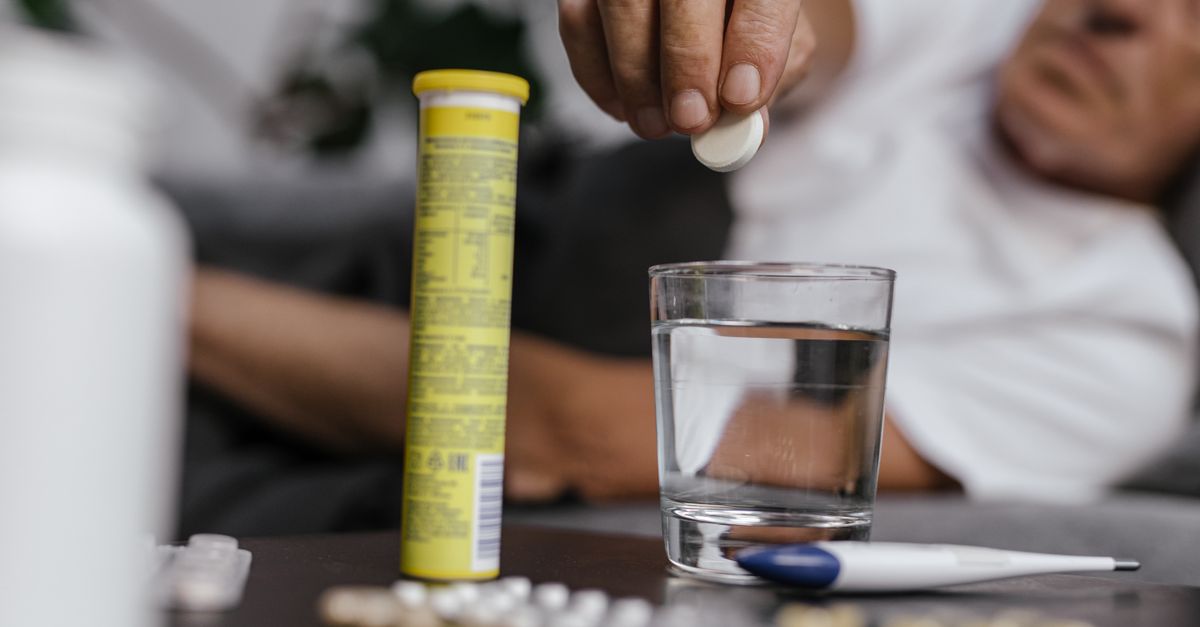
Gencare Daytime Cold And Flu Softgel is a multi-symptom over-the-counter formulation designed to relieve pain, suppress coughs, and alleviate nasal congestion. The most critical and potentially fatal side effect is severe hepatotoxicity resulting from the accidental or intentional overdose of the acetaminophen component.
1. Mechanism of Action of Gencare Daytime Cold And Flu Softgel
This formulation provides broad-spectrum symptomatic relief through the combined actions of three distinct pharmacological agents. Acetaminophen acts centrally as an analgesic and antipyretic. While its exact mechanism is debated, it is believed to inhibit cyclooxygenase enzymes within the central nervous system, thereby elevating the pain threshold and interacting with the hypothalamic heat-regulating center to reduce fever.
Dextromethorphan hydrobromide functions as a potent, centrally acting antitussive. It crosses the blood-brain barrier and binds to sigma opioid-like receptors in the medullary cough center, effectively suppressing the neurological cough reflex without producing significant classical opioid analgesia or respiratory depression. Finally, phenylephrine hydrochloride acts as a direct alpha-1 adrenergic receptor agonist. By stimulating these receptors in the nasal mucosa, it causes intense local vasoconstriction, reducing tissue swelling and improving nasal airflow.
2. Warnings and Prerequisites Before Taking Acetaminophen, Dextromethorphan, and Phenylephrine
The most severe warning concerns acetaminophen-induced acute liver failure. Patients must meticulously check all other concurrent medications to ensure they do not contain acetaminophen, as exceeding the maximum daily dose rapidly saturates the liver detoxification pathways, leading to catastrophic hepatic necrosis.
This medication is strictly contraindicated in patients currently taking, or who have taken within the past fourteen days, a monoamine oxidase inhibitor. Combining dextromethorphan with a monoamine oxidase inhibitor can precipitate a fatal serotonin syndrome. Furthermore, individuals with severe hypertension, severe coronary artery disease, or narrow-angle glaucoma must avoid this product, as the vasoconstrictive properties of phenylephrine can trigger dangerous hypertensive crises or acute ocular emergencies.
3. Indications and Dosage Guide for Gencare Daytime Cold And Flu Softgel
This multi-symptom softgel is indicated for the temporary relief of common cold and influenza symptoms in adults and children twelve years of age and older. These symptoms include minor aches and pains, headaches, sore throats, fever, non-productive coughing, and nasal or sinus congestion.
The standard adult dosage is two softgels taken orally with a full glass of water every four hours as long as symptoms persist. It is absolutely critical that patients do not exceed eight softgels in a twenty-four-hour period. Exceeding this limit dramatically escalates the risk of acute liver toxicity and severe cardiovascular stress. The medication should not be used for more than ten consecutive days for pain, or three consecutive days for fever, without direct medical supervision.
4. In-Depth Side Effects Analysis of Gencare Daytime Cold And Flu Softgel
The combination of a central analgesic, a central antitussive, and a systemic vasoconstrictor yields a diverse side effect profile affecting multiple organ systems.
Common Side Effects
Patients frequently experience mild central nervous system stimulation due to the phenylephrine, leading to restlessness, insomnia, and mild anxiety. Dizziness and mild gastrointestinal upset, including nausea and dyspepsia, are commonly reported. Patients may also notice a slight, transient increase in heart rate and mild palpitations shortly after ingestion.
Serious Side Effects You Should Report
The sudden onset of right upper quadrant abdominal pain, profound fatigue, dark urine, or yellowing of the sclera requires immediate emergency intervention, as these are hallmark signs of acute liver failure. Symptoms of severe cardiovascular distress, including sudden, crushing chest pain or a severe, blinding headache, indicate a dangerous hypertensive spike. Signs of serotonin syndrome, such as profound confusion, muscle rigidity, and high fever, are life-threatening.
Rare Side Effects
Rarely, acetaminophen can trigger severe cutaneous adverse reactions, including Stevens-Johnson syndrome, characterized by widespread mucosal blistering and skin peeling. Dextromethorphan, especially at higher doses, can cause dissociative hallucinations and severe respiratory depression. Phenylephrine can rarely induce acute urinary retention, particularly in elderly men with pre-existing prostatic hypertrophy.
Side Effects That Usually Do Not Require Medical Attention
Mild nervousness or a temporary difficulty falling asleep are common pharmacological effects of the decongestant and usually subside as the drug is metabolized. A slight, transient dry mouth is frequently associated with dextromethorphan and does not necessitate medical cessation.
| Side Effect Category | Specific Symptoms |
|---|---|
| Common | Insomnia, mild restlessness, nausea, slight palpitations |
| Serious | Jaundice, severe right upper quadrant pain, severe hypertension, confusion |
| Rare | Stevens-Johnson syndrome, dissociative hallucinations, urinary retention |
| Requires no medical attention | Mild nervousness, transient dry mouth, difficulty sleeping |
5. Overdose Symptoms and Emergency Management
An overdose of this combination product is a complex medical emergency. Acetaminophen toxicity is insidious; initial symptoms include vague nausea, vomiting, and diaphoresis, followed by a deceptive period of clinical improvement before massive, irreversible hepatic necrosis ensues. Concurrently, dextromethorphan overdose causes severe ataxia, respiratory depression, and profound stupor, while phenylephrine overdose induces massive, life-threatening hypertension and reflex bradycardia.
Immediate transportation to an emergency department is mandatory. Acetaminophen toxicity requires the prompt intravenous administration of N-acetylcysteine to replenish hepatic glutathione stores and neutralize the toxic NAPQI metabolite. Severe hypertension from phenylephrine may require intravenous alpha-blockers. Gastrointestinal decontamination with activated charcoal is highly effective if the ingestion occurred within the prior two hours.
6. Missed Dose Protocol and What to Avoid
Because this multi-symptom medication is utilized strictly on an as-needed basis for the relief of acute cold and flu symptoms, the concept of a missed dose does not apply. Patients should simply take the medication when symptoms dictate, ensuring a strict minimum of four hours between doses and never exceeding the daily maximum limit.
Patients must absolutely avoid consuming alcohol while utilizing this medication. Alcohol powerfully induces the specific liver enzymes responsible for converting acetaminophen into its highly toxic metabolite, massively increasing the risk of fatal liver failure. Furthermore, patients should avoid taking this specific daytime formulation close to bedtime, as the phenylephrine component is highly likely to cause severe insomnia.
7. Drug and Alcohol Interactions with Gencare Daytime Cold And Flu Softgel
Alcohol consumption is strictly prohibited due to the severe, synergistic risk of catastrophic hepatotoxicity when combined with acetaminophen.
The pharmacological interactions are numerous and potentially lethal. Concurrent use of monoamine oxidase inhibitors is strictly contraindicated due to the risk of fatal serotonin syndrome and hypertensive crisis. Combining this medication with other sympathomimetic drugs, such as pseudoephedrine or prescription stimulants, will exponentially increase systemic blood pressure and cardiovascular strain. Caution is required if the patient takes warfarin, as chronic high-dose acetaminophen can elevate the international normalized ratio and increase bleeding risks.
8. Precautions, Safety, and Duration of Action
The onset of symptomatic relief typically occurs within thirty to forty-five minutes of ingestion. The duration of action for pain relief, cough suppression, and decongestion lasts approximately four to six hours. Efficacy heavily relies on maintaining proper hydration to help thin respiratory secretions, which the medication does not independently achieve.
Use during pregnancy requires a careful risk assessment. While acetaminophen is generally considered safe, the systemic vasoconstriction caused by phenylephrine can theoretically reduce uterine blood flow. Dextromethorphan is generally safe, but combination products should only be used during pregnancy if explicitly authorized by an obstetrician. Nursing mothers should consult a physician, as the active ingredients may pass into breast milk.
9. How to Stop Taking Gencare Daytime Cold And Flu Softgel and Storage/Disposal
Patients may discontinue the use of this medication immediately once their cold or influenza symptoms resolve without requiring any tapering process. If a fever or severe cough persists beyond several days despite medication, cessation and professional medical evaluation are mandatory to rule out secondary bacterial infections such as pneumonia.
The softgels must be stored at controlled room temperature in a dry location, firmly away from direct heat or high humidity, which will cause the gelatin capsules to melt, stick together, or degrade. Ensure the container is securely closed to prevent accidental pediatric access. Discard expired or unneeded medication safely in household waste mixed with an undesirable substance.
10. When to See a Doctor
Immediate emergency intervention is required if the patient develops signs of acute liver failure, such as severe upper abdominal pain, vomiting, and yellowing of the skin or eyes. The sudden onset of a severe, throbbing headache, blurred vision, or chest pain indicates a dangerous hypertensive crisis requiring urgent care.
A standard medical consultation is necessary if the cough produces thick, green, or blood-tinged phlegm, or if it lasts longer than seven days. Furthermore, if a high fever persists for more than three days, or if the patient develops a severe sore throat accompanied by a rash or severe headache, a physician must evaluate the patient for serious underlying infections.
Frequently Asked Questions (FAQ)
1. Can I take this with another cold medicine?
You must read the labels very carefully. It is highly dangerous to combine this product with any other medication containing acetaminophen, as an accidental overdose will cause severe and potentially fatal liver damage.
2. Will this medication make me drowsy?
No. This is a daytime formulation. It does not contain sedating antihistamines. In fact, the decongestant phenylephrine may act as a mild stimulant and cause restlessness or insomnia in some individuals.
3. Why is it dangerous to drink alcohol with this?
Alcohol forces your liver to process acetaminophen through a different chemical pathway that produces a highly toxic byproduct. Combining the two can quickly destroy your liver tissue.
4. Can I take this if I have high blood pressure?
You must consult your doctor first. The decongestant phenylephrine works by constricting your blood vessels, which can cause a dangerous spike in your blood pressure if you already have hypertension.
5. Does this product cure the flu?
No. This medication only provides temporary relief from the symptoms of a viral infection, such as fever, cough, and congestion. It does not kill the virus or shorten the duration of the illness.
6. Why can I not take this if I take medication for depression?
Certain older antidepressants called monoamine oxidase inhibitors interact lethally with dextromethorphan, causing serotonin syndrome, and with phenylephrine, causing massive blood pressure spikes.
7. What should I do if I accidentally take more than eight softgels in a day?
You must go to an emergency room immediately, even if you feel perfectly fine. Acetaminophen liver toxicity has a delayed onset, and early medical treatment with an antidote is absolutely critical to save your liver.
Bibliography
Disclaimer: The content is for informational purposes only and does not replace medical advice. Always consult your doctor or pharmacist for personalized treatment.