
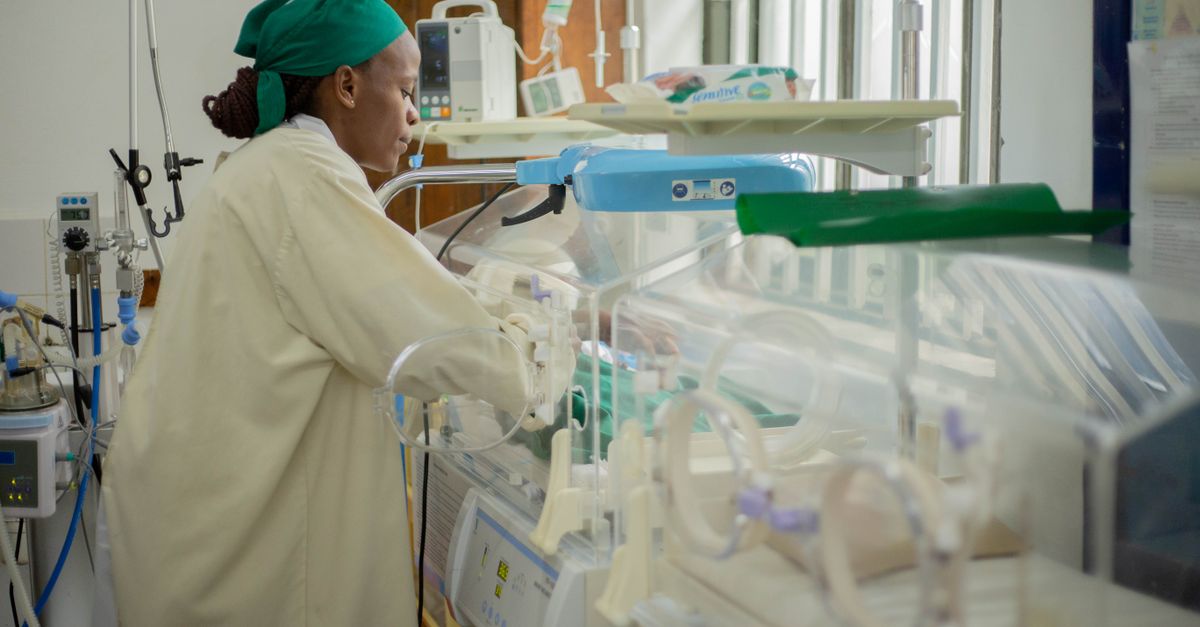
Genosyl is a specialized, inhaled pulmonary vasodilator utilizing nitric oxide gas, indicated primarily for the treatment of term and near-term neonates suffering from hypoxic respiratory failure associated with clinical or echocardiographic evidence of pulmonary hypertension. The most critical side effects include the dose-dependent development of methemoglobinemia and the potential for severe rebound pulmonary hypertension upon abrupt discontinuation. By directly relaxing the vascular smooth muscle within the pulmonary bed, this life-saving therapy improves oxygenation and significantly reduces the need for extracorporeal membrane oxygenation.
1. Mechanism of Action of Genosyl
The pharmacological efficacy of Genosyl is rooted in the natural physiological role of nitric oxide within the human vasculature. When inhaled, the nitric oxide gas diffuses rapidly across the alveolar-capillary membrane directly into the pulmonary vascular smooth muscle cells. Once inside these cells, the nitric oxide binds to and activates the enzyme soluble guanylate cyclase.
The activation of soluble guanylate cyclase acts as a catalyst, increasing the intracellular concentration of cyclic guanosine monophosphate. This increase in cyclic guanosine monophosphate initiates a cascade of intracellular events that results in the relaxation of the pulmonary vascular smooth muscle. Because the gas is delivered via inhalation, the vasodilation is highly targeted to ventilated areas of the lung, which redirects pulmonary blood flow from poorly ventilated regions to well-ventilated alveoli.
This localized mechanism dramatically improves the ventilation-perfusion mismatch characteristic of hypoxic respiratory failure, rapidly elevating systemic arterial oxygenation. Furthermore, because nitric oxide is swiftly scavenged and inactivated by hemoglobin in the systemic circulation, it produces robust pulmonary vasodilation with minimal to no systemic hypotensive effects.
2. Warnings and Before Taking Inhaled Nitric Oxide
Genosyl is a critical care medication requiring administration exclusively by trained respiratory therapists and neonatologists within an intensive care setting. It is strictly contraindicated in neonates known to be dependent on right-to-left shunting of blood. In patients with certain congenital heart defects, relaxing the pulmonary vasculature can catastrophically reverse the necessary blood flow, leading to rapid systemic collapse.
Before initiating therapy, the clinical team must carefully evaluate the patient for left ventricular dysfunction. In patients with compromised left heart function, rapidly increasing pulmonary blood flow through the administration of inhaled nitric oxide can precipitate acute pulmonary edema and severely worsen heart failure.
Continuous, rigorous monitoring of the patient is mandatory throughout the therapy. The clinical team must continuously analyze the inspired gas mixture to ensure that the concentration of nitrogen dioxide, a highly toxic byproduct of nitric oxide oxidation, remains well below dangerous threshold limits to prevent acute airway injury.
3. Indications and Dosage Guide for Genosyl
Genosyl is clinically indicated to improve oxygenation and reduce the need for extracorporeal membrane oxygenation in term and near-term neonates exceeding thirty-four weeks gestation who present with hypoxic respiratory failure and pulmonary hypertension. It is utilized alongside standard ventilatory support and other appropriate agents.
The recommended clinical dose for neonatal hypoxic respiratory failure is twenty parts per million. The gas is delivered continuously through a specialized, FDA-approved delivery system that carefully meters the nitric oxide directly into the inspiratory limb of the mechanical ventilator circuit.
Doses exceeding twenty parts per million are strongly discouraged, as clinical trials demonstrate no additional therapeutic benefit regarding oxygenation, while heavily increasing the risk of severe methemoglobinemia and elevated nitrogen dioxide levels. Therapy is generally maintained for up to fourteen days, or until the underlying oxygenation deficit resolves and the neonate is successfully weaned from the therapy.
4. In-Depth Side Effects Analysis of Inhaled Nitric Oxide
While Genosyl acts locally within the pulmonary system, its interaction with systemic hemoglobin and the physiological consequences of altering pulmonary pressures introduce a complex and potentially severe adverse effect profile requiring continuous clinical vigilance.
Common Side Effects
Due to the critical condition of the neonates receiving this therapy, distinguishing drug-side effects from the underlying disease process is complex. However, common, manageable physiological responses include mild, transient systemic hypotension and temporary fluctuations in oxygen saturation during the initial stabilization phase.
Serious Side Effects You Should Report
The most critical pharmacological side effect is the development of methemoglobinemia. Nitric oxide rapidly binds to hemoglobin to form methemoglobin, which is incapable of transporting oxygen. If methemoglobin levels exceed safe thresholds, the patient experiences profound tissue hypoxia despite receiving high concentrations of inspired oxygen, necessitating immediate dose reduction or clinical intervention.
Rare Side Effects
In rare instances, prolonged exposure to high concentrations of nitric oxide can lead to elevated levels of nitrogen dioxide in the ventilator circuit. Nitrogen dioxide is a highly reactive gas that causes severe airway inflammation, pulmonary edema, and direct cytotoxicity to the delicate alveolar cells, further complicating the underlying respiratory failure.
Side Effects That Usually Do Not Require Medical Attention
Minor, clinically insignificant elevations in methemoglobin levels, typically remaining below five percent, are an expected physiological consequence of the therapy. These minor elevations generally require no active medical intervention other than routine continuous monitoring by the respiratory therapy team.
| Side Effect Category | Specific Symptoms |
|---|---|
| Cardiovascular | Mild systemic hypotension, transient oxygen fluctuations |
| Hematological Toxicity | Methemoglobinemia causing severe tissue hypoxia |
| Pulmonary Complications | Airway inflammation from nitrogen dioxide byproduct |
| Withdrawal Responses | Rebound pulmonary hypertension upon abrupt cessation |
5. Recognizing Overdose and Managing Genosyl Toxicity
An overdose of Genosyl occurs when the concentration of the inspired gas exceeds the therapeutic range or when a malfunction in the delivery system delivers a massive bolus of nitric oxide. The primary toxicological manifestations of an overdose are acute, severe methemoglobinemia and nitrogen dioxide toxicity.
Clinical signs of a nitric oxide overdose include worsening cyanosis that does not respond to increased inspired oxygen, profound lethargy, and cardiovascular instability. Blood gas analysis will reveal dangerously high methemoglobin fractions. Simultaneously, elevated nitrogen dioxide levels will precipitate acute alveolar damage and worsening pulmonary edema.
Management of an overdose requires immediate reduction or complete cessation of the nitric oxide therapy. If methemoglobinemia is severe and threatens patient survival, the clinical team may administer intravenous methylene blue to rapidly reduce the methemoglobin back to functional hemoglobin, alongside providing maximum supportive care.
6. Missed Dose and Critical Factors to Avoid
Because Genosyl is administered continuously via a mechanical ventilator in an intensive care unit, a traditional missed dose is inapplicable. However, an accidental interruption in therapy, such as a disconnected ventilator circuit or an empty gas cylinder, constitutes a life-threatening medical emergency.
An abrupt cessation of inhaled nitric oxide frequently triggers severe rebound pulmonary hypertension. This rebound effect causes a sudden, massive increase in pulmonary artery pressure, precipitating severe hypoxemia, right ventricular failure, and potential cardiovascular collapse. The delivery system must have a rapid transition mechanism and backup gas cylinders immediately available at the bedside to prevent any interruption.
Clinicians must avoid administering this therapy using delivery systems that have not been explicitly validated for nitric oxide administration. Unapproved systems cannot accurately meter the gas or monitor the dangerous nitrogen dioxide byproducts, putting the fragile neonatal patient at extreme risk of toxicity.
7. Drug and Clinical Interactions with Inhaled Nitric Oxide
Pharmacokinetic interactions with inhaled nitric oxide primarily involve other medications that affect the cardiovascular system, pulmonary vascular tone, or methemoglobin levels. Careful clinical coordination is essential in the intensive care setting.
Concurrent administration of Genosyl with systemic vasodilators, such as sildenafil or epoprostenol, can produce additive effects on the pulmonary vasculature. While sometimes utilized intentionally in refractory cases, this combination requires intense hemodynamic monitoring to prevent profound, synergistic systemic hypotension.
Furthermore, medications known to induce methemoglobinemia, such as topical anesthetic agents like prilocaine or certain sulfonamide antibiotics, should be utilized with extreme caution. Combining these agents with inhaled nitric oxide drastically increases the total methemoglobin burden, risking severe impairment of systemic oxygen delivery.
8. Safety Precautions and Duration of Action
The duration of action of inhaled nitric oxide is exceptionally short. Once the gas is discontinued, its vasodilatory effects dissipate within minutes as it is rapidly scavenged by hemoglobin. This short half-life necessitates continuous, uninterrupted administration to maintain pulmonary vasodilation.
Special precaution is mandated when weaning a patient off Genosyl. The weaning process must be gradual and meticulously monitored to prevent the aforementioned rebound pulmonary hypertension. The clinical team systematically reduces the concentration of the gas in small increments, often over several days, verifying oxygen stability at each step before complete discontinuation.
Patients requiring this therapy must undergo frequent blood sampling for methemoglobin analysis, typically scheduled at baseline, four hours after initiation, and routinely thereafter. If the methemoglobin level rises precipitously, the dose of nitric oxide must be aggressively titrated downward.
9. How to Stop Using Genosyl and Equipment Storage
Discontinuing Genosyl is a highly controlled clinical procedure performed exclusively by medical professionals. The clinical team initiates a strict weaning protocol, gradually decreasing the parts per million while continuously monitoring the patient oxygen saturation and pulmonary artery pressures. Once the patient demonstrates stability on a minimal dose, the gas is safely discontinued.
The gas cylinders containing the nitric oxide formulation are highly pressurized and must be stored in specialized, secure racks within the hospital facility. They must be protected from extreme temperatures, direct heat sources, and physical trauma, as a ruptured cylinder presents a severe physical hazard and a toxic gas exposure risk.
Empty or expired Genosyl cylinders must be returned directly to the manufacturer or handled by specialized medical gas waste management services. They cannot be disposed of in standard hospital or municipal waste streams due to their pressurized nature and residual chemical contents.
10. When to Consult a Physician Regarding Nitric Oxide Therapy
Because this medication is utilized exclusively in the intensive care setting, the patient is under constant, continuous physician monitoring. However, family members and caregivers should understand the critical signs that prompt immediate medical intervention by the critical care team.
The medical team will rapidly intervene if the continuous monitoring equipment indicates a sudden, unexplained drop in systemic oxygen saturation, which may suggest a worsening of the underlying hypoxic respiratory failure or a complication related to the gas delivery system.
Furthermore, if the clinical team detects rising levels of nitrogen dioxide on the ventilator monitors, they will immediately adjust the ventilator settings, purge the gas lines, and potentially alter the administration protocol to prevent severe, irreversible chemical injury to the neonatal airway.
Frequently Asked Questions (FAQ)
1. What exactly is Genosyl used for?
It is a specialized gas used in neonatal intensive care units to relax the blood vessels in the lungs of newborns suffering from severe respiratory failure, allowing blood to flow more easily and absorb oxygen.
2. How is this medication administered to the baby?
The gas is mixed precisely with oxygen and delivered continuously through the breathing circuit of a mechanical ventilator directly into the baby lungs.
3. Why is stopping the gas suddenly so dangerous?
Abruptly stopping the continuous flow of nitric oxide can cause the blood vessels in the lungs to forcefully constrict, leading to a sudden, severe drop in oxygen levels and potentially causing heart failure.
4. What is methemoglobinemia?
It is a condition where the nitric oxide interacts with the blood, changing normal hemoglobin into methemoglobin, which is a form of hemoglobin that cannot carry oxygen to the body tissues.
5. How does the medical team monitor for side effects?
The intensive care team continuously monitors the baby vital signs, frequently draws blood to check methemoglobin levels, and uses specialized sensors to ensure toxic byproducts like nitrogen dioxide remain safely low.
6. Can adults use this medication for lung problems?
While primarily approved for term and near-term neonates with hypoxic respiratory failure, inhaled nitric oxide is sometimes used off-label in adult intensive care units to manage severe acute respiratory distress syndrome or acute pulmonary hypertension.
7. How long does a baby typically need this therapy?
The duration varies based on the underlying condition, but therapy is generally maintained for a few days up to two weeks, until the baby lungs heal enough to maintain oxygen levels independently.
8. Does this therapy cure the underlying lung disease?
No, inhaled nitric oxide is a supportive therapy. It keeps the baby oxygenated and stabilizes the cardiopulmonary system, buying time for the lungs to heal or for other medications to treat the root cause of the respiratory failure.
Bibliography
Disclaimer: The content is for informational purposes only and does not replace medical advice. Always consult your doctor or pharmacist for personalized treatment.
