
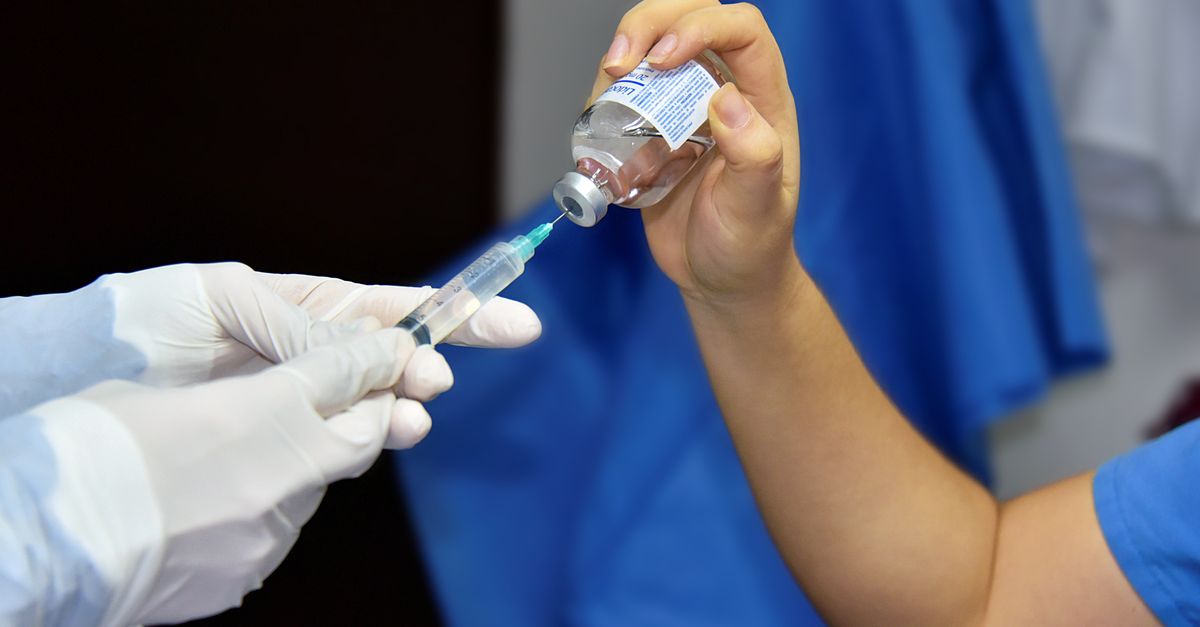
Givlaari is a prescription small interfering RNA therapeutic utilized to treat adults suffering from acute hepatic porphyria. Its most notable side effect involves a significant elevation in serum transaminases and potential renal toxicity, requiring rigorous laboratory monitoring of liver and kidney function throughout the duration of therapy.
1. Introduction & How Givlaari Works in the Body
Givosiran sodium operates through a highly targeted mechanism of action utilizing small interfering RNA technology. In patients with acute hepatic porphyria, a genetic defect combined with precipitating factors leads to the overproduction of an enzyme called aminolevulinic acid synthase 1 in the liver. This overproduction causes a toxic accumulation of neurotoxic intermediates, specifically aminolevulinic acid and porphobilinogen, which trigger severe neurovisceral attacks.
The medication is administered subcutaneously and travels directly to the liver hepatocytes. Once inside the cells, givosiran binds specifically to the messenger RNA that encodes for aminolevulinic acid synthase 1. Through a cellular mechanism known as RNA interference, the drug degrades this specific messenger RNA, effectively silencing the gene expression.
By halting the production of this enzyme, the therapeutic pathway rapidly decreases the toxic accumulation of aminolevulinic acid and porphobilinogen in the blood and tissues. This reduction directly prevents the devastating neurovisceral attacks and diminishes the chronic pain associated with the disorder.
2. Critical Warnings & Prerequisites Before Taking Givlaari
Treatment with givosiran sodium requires careful baseline clinical assessment. Severe anaphylactic reactions have been documented during clinical trials, meaning the drug must be administered in a healthcare setting equipped to handle acute hypersensitivity emergencies.
Because the drug can cause severe hepatic inflammation, baseline liver function tests must be obtained before initiating therapy. Patients with existing severe hepatic impairment require individualized assessment, as the drug may exacerbate underlying liver conditions.
Similarly, renal function must be thoroughly evaluated. Cases of significant serum creatinine elevation and decreased estimated glomerular filtration rate have occurred in patients receiving this medication. Any patient with pre-existing end-stage renal disease must be monitored with extreme vigilance, as the safety profile in this specific population remains complex.
3. Indications & Givlaari Dosage Guidelines
Givlaari is strictly indicated for the treatment of acute hepatic porphyria in adult patients. The medication is formulated as a subcutaneous injection and must be administered by a qualified healthcare professional.
The standard recommended dosage is calculated based on patient body weight, specifically two point five milligrams per kilogram. This exact dose is administered subcutaneously once a month. The injection volume is determined by dividing the total required dose by the drug concentration, and if the required volume exceeds one point five milliliters, it must be divided into multiple separate injections administered at different anatomical sites.
If a patient exhibits severe liver enzyme elevations or dangerous declines in kidney function, the prescribing physician may decide to temporarily interrupt treatment or permanently discontinue the drug based on clinical judgment.
4. In-Depth Givlaari Side Effects Analysis
The adverse reaction profile of givosiran involves localized immunological responses and systemic biochemical alterations. Continuous patient monitoring is vital for safe administration.
Common Side Effects
Injection site reactions are the most frequently reported side effects. These typically manifest as mild erythema, localized pain, pruritus, and minor swelling at the injection site, usually resolving within a few days. Nausea and profound fatigue are also highly common, particularly during the first few months of continuous therapy.
Serious Side Effects You Should Report
Seek immediate emergency care if you develop severe difficulty breathing, facial swelling, rapid heart rate, or hives shortly after an injection. These are classic indicators of acute anaphylaxis. Additionally, sudden unexplainable abdominal pain, severe jaundice, or drastically reduced urine output must be reported immediately, as they point toward acute hepatic or renal failure.
Rare Side Effects
In rare instances, patients may experience severe changes in blood homocysteine levels, potentially increasing cardiovascular risk. Unexplained skin rashes distant from the injection site and chronic severe diarrhea have also been observed sporadically in specific clinical cohorts.
Side Effects That Usually Do not Require Medical Attention
Mild muscle aches, transient headaches, and temporary localized warmth around the subcutaneous injection zone typically subside independently. As the immune system acclimatizes to the lipid delivery vehicle of the medication, these minor localized reactions tend to decrease in severity with subsequent doses.
| Side Effect Category | Specific Symptoms |
|---|---|
| Hepatic | Elevated serum transaminases, jaundice |
| Renal | Increased serum creatinine, decreased glomerular filtration rate |
| Immunological | Anaphylaxis, severe injection site reactions, hives |
| Gastrointestinal | Nausea, mild abdominal cramping |
5. Givlaari Overdose Symptoms & Emergency Response
An accidental overdose of givosiran sodium is highly unlikely due to its strict administration by a medical professional. However, if a calculation error results in an excessive dose, the primary clinical concern shifts to an acute exacerbation of renal and hepatic toxicity.
There is no specific chemical antidote for givosiran toxicity. Emergency response relies entirely on supportive clinical care. This includes aggressive intravenous hydration to support kidney perfusion, administration of systemic corticosteroids if a severe inflammatory response is suspected, and continuous monitoring of liver enzyme cascades until levels stabilize.
6. Missed Dose & What to Avoid While on Givlaari
If a scheduled monthly injection is missed, the dose should be administered as soon as possible. Subsequent doses should then be scheduled to maintain a full monthly interval from the newly established injection date. Delaying treatment heavily risks the sudden resurgence of toxic porphyrin levels and severe neurovisceral attacks.
Patients should strictly avoid consuming high volumes of alcohol, as hepatic processing of ethanol adds unnecessary stress to the liver, complicating the monitoring of drug-induced transaminase elevations. Furthermore, illicit drug use or drastic fasting diets should be avoided, as metabolic stress is a known trigger for acute porphyria attacks.
7. What Drugs Interact With Givlaari?
Givosiran sodium interacts with hepatic metabolic pathways, specifically altering the function of cytochrome P450 enzymes. The medication downregulates certain enzyme cascades, which can significantly increase the blood concentration of concurrently administered drugs that rely on these enzymes for clearance.
Caution must be exercised when patients are taking narrow therapeutic index medications metabolized by the CYP1A2 or CYP2D6 pathways. For instance, concurrent use with drugs like duloxetine or specific antiarrhythmics may require careful dose adjustments. Always ensure the prescribing neurologist is aware of all over-the-counter supplements and prescription medications.
8. Precautions, Safety & Duration of Action
The RNA interference mechanism ensures that the gene silencing effect lasts for the entire month between doses. Because of this prolonged duration of action, any hepatic or renal side effects may take weeks to fully resolve even after the medication is discontinued.
Women of childbearing age must have a confirmed negative pregnancy test prior to initiating therapy, as the effects of drastically altering hepatic enzyme production during fetal development remain largely unstudied. Effective contraception is strongly recommended throughout the duration of the treatment plan.
9. How to Stop Taking Givlaari & Proper Storage
Discontinuing givosiran sodium will slowly reverse the suppression of the mutated gene. Within weeks to months, the overproduction of toxic intermediates will resume, leaving the patient vulnerable to debilitating attacks. Halting treatment should only occur under the direct supervision of a porphyria specialist.
The medication vials must be stored in a clinical setting at controlled refrigeration temperatures between two and eight degrees Celsius. They must be kept strictly in their original carton to protect them from light and must never be frozen or vigorously shaken prior to subcutaneous administration.
10. When to See a Doctor
Routine monthly blood tests are mandatory to monitor liver and kidney function safely. However, immediate medical evaluation is required if the patient experiences new or worsening neuropathic pain, unexplained bleeding, severe lethargy, or dark-colored urine between scheduled visits, as these could indicate either a breakthrough porphyria attack or severe drug toxicity.
11. Frequently Asked Questions
1. Why must a nurse administer this medication?
Givlaari is given as a specialized subcutaneous injection that requires precise calculation based on your weight and carries a risk of severe allergic reactions requiring medical oversight.
2. Will this drug cure my acute hepatic porphyria?
No, it does not alter your underlying genetic mutation. It suppresses the production of the toxic proteins that cause your symptoms, meaning it is a long-term management therapy.
3. Why do I need so many blood tests while taking this drug?
The medication can cause liver inflammation and decrease kidney function. Routine blood work allows your doctor to detect these issues early before they cause permanent organ damage.
4. What happens if I miss my monthly appointment?
Missing a dose allows the suppressed gene to become active again, rapidly increasing the toxic chemicals in your body and putting you at high risk for a severe neurovisceral attack.
5. Does this injection hurt?
Many patients report mild pain, redness, and swelling at the injection site on the abdomen. This is a normal localized reaction that usually fades within a few days.
6. Can I drink alcohol while receiving this treatment?
Alcohol should be heavily avoided because it places extra metabolic stress on your liver, which is already sensitive due to your condition and the potential side effects of the medication.
7. How long does it take for the drug to start working?
While the gene silencing begins immediately, it may take a few weeks for the accumulated toxic intermediates to clear from your tissues and for symptom severity to noticeably decrease.
12. Bibliography
Disclaimer: The content is for informational purposes only and does not replace medical advice. Always consult your doctor or pharmacist for personalized treatment.
