
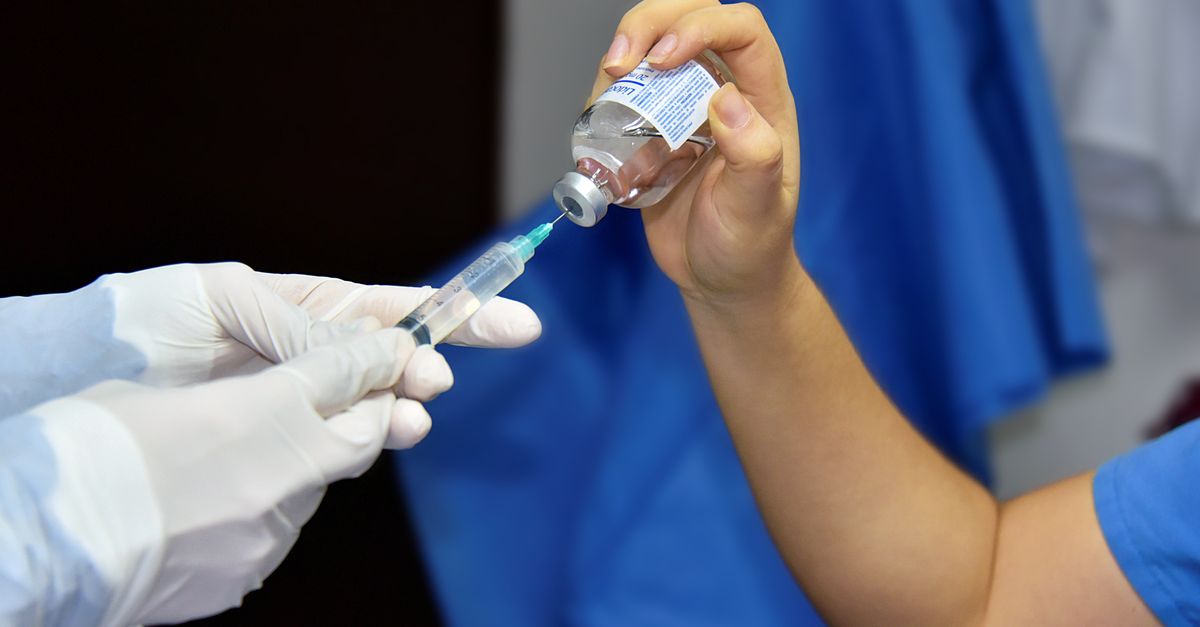
1. Introduction and Mechanism of Action for Glycopyrrolate
Glycopyrrolate 1ml is an injectable anticholinergic medication primarily utilized in surgical settings and for the management of severe peptic ulcer disease. Its most notable side effect is the profound induction of severe dry mouth and a reduction in bodily secretions. The active ingredient, glycopyrrolate, is a synthetic quaternary ammonium compound that functions as a highly potent, competitive antagonist at muscarinic acetylcholine receptors.
Unlike tertiary amines such as atropine, the quaternary structure of glycopyrrolate renders it highly polar, preventing it from easily crossing the blood-brain barrier. Consequently, it exerts robust peripheral anticholinergic effects with minimal central nervous system penetration. By blocking acetylcholine at parasympathetic sites in smooth muscle, secretory glands, and the central nervous system, glycopyrrolate significantly reduces salivary, tracheobronchial, and pharyngeal secretions. It also effectively reduces the volume and free acidity of gastric secretions and actively blocks vagal inhibitory reflexes during surgical anesthesia.
2. Vital Warnings and Prerequisites Before Using Glycopyrrolate
The potent anticholinergic properties of glycopyrrolate necessitate strict clinical warnings. The medication is contraindicated in patients diagnosed with narrow-angle glaucoma, as the drug can induce pupillary dilation and dangerously elevate intraocular pressure. Patients suffering from obstructive uropathy, such as symptomatic benign prostatic hyperplasia, must strictly avoid this medication, as it can paralyze the detrusor muscle and cause acute urinary retention.
Furthermore, glycopyrrolate is contraindicated in patients with obstructive disease of the gastrointestinal tract, severe ulcerative colitis, or toxic megacolon. By severely decreasing gastrointestinal motility, the drug can exacerbate obstructions and precipitate paralytic ileus. Patients with myasthenia gravis must also not receive this medication, as the blockade of acetylcholine receptors can severely worsen muscle weakness.
Caution is heavily advised when administering glycopyrrolate to patients with known cardiovascular disease, specifically tachycardia, coronary artery disease, or congestive heart failure. The inhibition of vagal tone frequently results in an increased heart rate, which can place dangerous stress on a compromised cardiovascular system.
3. Indications and Dosage Guide for Glycopyrrolate 1ml
Glycopyrrolate 1ml is clinically indicated for preoperative use to significantly reduce salivary, tracheobronchial, and pharyngeal secretions, and to reduce the volume and acidity of gastric secretions. It is also indicated for use during anesthesia to block cardiac vagal inhibitory reflexes induced by intubation. Additionally, it is used as adjunctive therapy in the treatment of peptic ulcer disease when rapid anticholinergic effect is desired or oral medication is not tolerated.
Dosage and administration must be strictly individualized based on the patient’s age, weight, and specific clinical indication. For preoperative medication in adults, the standard dose is typically 0.004 milligrams per kilogram of body weight, administered intramuscularly thirty to sixty minutes prior to the anticipated induction of anesthesia.
For the management of peptic ulcer disease, the adult dosage is generally 0.1 to 0.2 milligrams administered intravenously or intramuscularly three to four times daily. Glycopyrrolate 1ml injections must only be administered by trained medical professionals in a clinical setting equipped to monitor cardiovascular and respiratory function.
4. In-Depth Side Effects Analysis of Glycopyrrolate
The systemic blockade of muscarinic receptors produces a highly predictable and extensive profile of anticholinergic side effects. Continuous clinical monitoring is essential during administration.
| Side Effect Category | Specific Symptoms |
|---|---|
| Gastrointestinal | Severe xerostomia, constipation, decreased gastrointestinal motility |
| Cardiovascular | Tachycardia, palpitations, mild hypotension |
| Ocular | Blurred vision, photophobia, mydriasis |
| Genitourinary | Urinary hesitancy, acute urinary retention |
Common Side Effects
The most universally encountered adverse reaction is severe xerostomia, or profoundly dry mouth, due to the direct inhibition of salivary glands. Patients also frequently report significantly decreased sweating, which can lead to heat intolerance. Ocular side effects, including blurred vision, dilated pupils, and sensitivity to light, are common. Gastrointestinal transit is slowed, often resulting in constipation and mild abdominal bloating.
Serious Side Effects You Should Report
Immediate medical intervention is required if a patient develops severe tachycardia or dangerous cardiac arrhythmias following administration. The onset of acute urinary retention, characterized by a complete inability to void the bladder despite a strong urge, requires urgent clinical management. Any signs of severe gastrointestinal blockage, such as severe, unremitting abdominal pain and vomiting, indicate potential paralytic ileus and necessitate immediate evaluation.
Rare Side Effects
Although glycopyrrolate poorly penetrates the blood-brain barrier, high intravenous doses can rarely cause central nervous system effects, particularly in elderly patients, presenting as confusion, dizziness, or paradoxical excitation. Severe anaphylactic hypersensitivity to the drug is exceptionally rare but presents as life-threatening airway constriction and severe hypotension.
Side Effects That Usually Do Not Require Medical Attention
Mild visual blurring and sensitivity to bright light generally resolve as the medication is metabolized and do not require specific intervention. A temporary decrease in sweating is an expected physiological response; however, patients must be monitored in warm environments to prevent hyperthermia.
5. Recognizing Glycopyrrolate Overdose Symptoms
An acute overdose of glycopyrrolate produces a severe and potentially life-threatening anticholinergic toxidrome. Clinical signs of toxicity include widely dilated and unresponsive pupils, severely flushed and hot skin, absolute dryness of the mucous membranes, and a dangerously high fever due to the cessation of sweating.
As toxicity progresses, cardiovascular instability manifests as extreme tachycardia and potential arrhythmias. While central nervous system symptoms are less common than with atropine, massive doses can cause severe neuromuscular weakness leading to respiratory paralysis. Medical management demands immediate supportive care, continuous electrocardiographic monitoring, and potentially the administration of a cholinesterase inhibitor, such as neostigmine, to reverse the anticholinergic blockade.
6. Managing a Missed Dose and What to Avoid
In the clinical context of preoperative administration or acute peptic ulcer management, glycopyrrolate 1ml is administered directly by healthcare professionals, making a missed dose highly unlikely. If a patient is on a scheduled regimen in a hospital setting and a dose is missed, the supervising physician must be notified to adjust the administration schedule safely.
During the active duration of the drug, patients must strictly avoid operating motor vehicles or engaging in hazardous activities, as the medication induces significant blurred vision and dizziness. Furthermore, because glycopyrrolate severely impairs the body’s ability to sweat, patients must actively avoid high environmental temperatures to prevent severe, life-threatening hyperthermia.
7. What Drugs Interact with Glycopyrrolate?
Glycopyrrolate exhibits significant pharmacological interactions that can compound its anticholinergic burden. Co-administration with other medications possessing anticholinergic properties, such as tricyclic antidepressants, phenothiazines, and first-generation antihistamines like diphenhydramine, will synergistically amplify side effects like severe dry mouth, urinary retention, and tachycardia.
The severe reduction in gastrointestinal motility caused by glycopyrrolate can alter the absorption profile of other oral medications. It can significantly increase the systemic absorption of slow-dissolving drugs like digoxin, risking digoxin toxicity. Conversely, it may decrease the absorption of drugs that require a rapid transit time. Concurrent use with solid dosage forms of potassium chloride is contraindicated, as prolonged gastrointestinal transit increases the risk of severe potassium-induced mucosal ulceration.
8. Precautions, Safety, and Duration of Action
Extreme clinical precaution is mandated for the geriatric population. Older adults are significantly more susceptible to the adverse anticholinergic effects, particularly urinary retention and potential cognitive disturbances, necessitating careful dose titration. Caution is also advised in patients with autonomic neuropathy, as the drug can exacerbate the underlying neurological deficits.
The onset of action is highly rapid; intravenous administration produces effects within one minute, while intramuscular injection achieves peak effects in thirty to forty-five minutes. The vagal blocking effects generally persist for two to three hours, whereas the profound inhibition of salivary and gastric secretions can last for up to seven hours, providing sustained clinical coverage during surgical procedures.
9. How to Stop Taking the Drug and Proper Storage
Because glycopyrrolate 1ml is typically utilized for acute, short-term management in a clinical setting, discontinuation is straightforward once the surgical procedure is complete or the acute ulcer exacerbation has resolved. There are no physiological withdrawal syndromes associated with stopping this anticholinergic therapy.
The medication vials must be stored at a stable room temperature, strictly between twenty and twenty-five degrees Celsius. Ensure the vials are protected from direct light and severe heat, which can degrade the active compound. Medical professionals must ensure the product is stored securely within the pharmacy or clinical supply area.
10. When to See a Doctor
If a patient has been discharged following a procedure utilizing glycopyrrolate, they must seek immediate medical attention if they experience an ongoing inability to urinate, as bladder catheterization may be required.
Furthermore, if the patient develops a rapid, irregular heartbeat, severe unremitting abdominal pain, or notices a sudden, severe elevation in body temperature without the ability to sweat, they must rush to an emergency medical facility for prompt evaluation and intervention.
Frequently Asked Questions (FAQ)
1. What is the primary purpose of a Glycopyrrolate 1ml injection?
It is primarily used before and during surgery to dry up saliva and lung secretions, making it safer to administer anesthesia and insert a breathing tube.
2. Why does my mouth feel incredibly dry after surgery?
Glycopyrrolate powerfully blocks the nerve signals that tell your glands to produce saliva. Severe dry mouth is a highly common and expected effect that resolves over a few hours.
3. Will this medication affect my vision?
Yes. The medication can temporarily dilate your pupils and interfere with your eye’s ability to focus, causing blurred vision and increased sensitivity to bright light.
4. Why am I not sweating even though I feel warm?
The drug blocks the signals to your sweat glands. Because you cannot sweat to cool down, it is crucial to stay in a cool environment until the medication completely wears off.
5. Is it safe to drive home after receiving this injection?
No. Due to the blurred vision and potential dizziness caused by the medication, you must have a responsible adult drive you home following any procedure utilizing glycopyrrolate.
6. Can this medication cause problems with urination?
Yes. It relaxes the muscles in the bladder, which can make it very difficult to urinate. If you are completely unable to empty your bladder, you must seek medical help.
7. How does this drug help with stomach ulcers?
It significantly reduces both the volume and the high acidity of stomach acid produced, providing the stomach lining a chance to heal during severe ulcer flare-ups.
8. Is glycopyrrolate the exact same thing as atropine?
They belong to the same class of drugs, but glycopyrrolate has a specific chemical structure that prevents it from easily entering the brain, meaning it causes fewer central nervous system side effects.
9. What should I do if my heart feels like it is racing?
An increased heart rate is a known side effect, but if your heartbeat feels severely rapid, irregular, or causes chest pain, you must seek emergency medical evaluation immediately.
10. Can I take my daily allergy medicine after receiving this drug?
You must consult a doctor first. Many allergy medicines contain similar drying ingredients, and combining them can cause severe dry mouth, constipation, and dangerous urinary retention.
Bibliography
Disclaimer: The content is for informational purposes only and does not replace medical advice. Always consult your doctor or pharmacist for personalized treatment.
