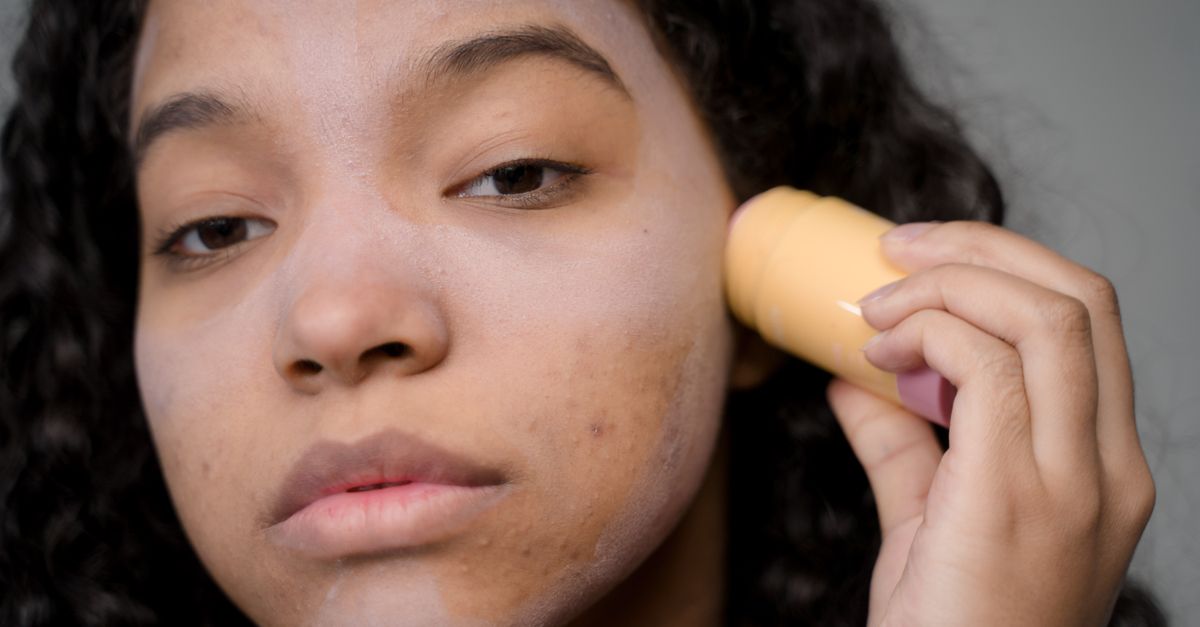
Green Defense Broad Spectrum SPF 30 is a topical physical photoprotectant that utilizes titanium dioxide and zinc oxide to completely shield the skin from ultraviolet radiation. The most frequent side effect is a visible white cast on the epidermal surface alongside potential minor follicular occlusion caused by the heavy carrier oils.
1. How Green Defense Broad Spectrum SPF 30 Works in the Body
This formulation relies on a synergistic combination of titanium dioxide and zinc oxide, both of which are highly stable inorganic physical filters. When applied topically, these non-nano mineral particles do not penetrate the stratum corneum to enter the systemic bloodstream. Instead, they form a cohesive, microscopic matrix directly on top of the epidermal tissue.
This dense mineral shield functions by actively scattering, reflecting, and blocking high-energy UVA and UVB photons. Titanium dioxide is exceptionally efficient at blocking burning UVB rays, while zinc oxide provides superior broad-spectrum coverage spanning deeply into the UVA spectrum, which is responsible for long-term photoaging and cellular DNA mutations. Together, they prevent ultraviolet radiation from inducing oxidative stress within the living skin cells.
Because the active ingredients deflect radiation physically rather than absorbing it chemically, this dual-mineral approach circumvents the heat generation and systemic absorption risks associated with chemical UV filters. The formulation also utilizes botanical antioxidants to further neutralize free radicals generated by environmental exposure, providing a secondary layer of cellular defense.
2. Critical Warnings Before Using Green Defense Broad Spectrum SPF 30
Patients must carefully review the inactive ingredient list for potential botanical allergens. While titanium dioxide and zinc oxide are intrinsically hypoallergenic, the organic plant extracts and dense carrier waxes required to formulate the lotion can trigger severe allergic contact dermatitis in highly susceptible populations.
This robust photoprotective cream is formulated strictly for external use on intact skin. It must never be applied to deep puncture wounds, severe third-degree burns, or heavily denuded skin barriers. Applying a heavy occlusive mineral paste over deeply compromised tissue will trap heat and bacteria, exacerbating the trauma and delaying natural wound healing.
Care must be exercised to keep the product entirely out of the ocular mucosa. If the heavy lotion accidentally migrates into the eyes, it will cause intense mechanical stinging, tearing, and blurred vision. Immediate irrigation with copious amounts of lukewarm water is mandatory to clear the heavy mineral particles from the eye.
3. Indications and Proper Dosage for Green Defense Broad Spectrum SPF 30
This specific formulation is indicated for rigorous daily photoprotection against intense solar erythema and long-term photoaging. It provides robust broad-spectrum defense suitable for extended outdoor activities and is particularly recommended for individuals with highly sensitive skin or chemical sunscreen allergies.
Proper dosage requires the application of a visibly thick, even layer. A generous volume of the lotion must be applied to all exposed facial and cervical tissue exactly fifteen minutes before direct sun exposure. The product must be massaged gently to ensure uniform distribution of the mineral particles. Sparing or patchy application drastically diminishes the physical barrier, creating vulnerable zones highly prone to severe sunburn.
Reapplication protocols are rigid and non-negotiable for physical sunscreens. The protective mineral shield must be meticulously renewed every two hours during sustained environmental exposure. Immediate reapplication is absolutely necessary following swimming, vigorous sweating, or mechanical friction from towel drying, as these physical actions easily wipe away the mineral layer.
4. In-Depth Side Effects Analysis of Green Defense Broad Spectrum SPF 30
Adverse reactions to topical non-nano titanium dioxide and zinc oxide are remarkably scarce. The vast majority of clinical complaints center around the heavy cosmetic elegance of the product, physical pore occlusion, or hypersensitivity to the botanical carrier base.
| Side Effect Category | Specific Symptoms |
|---|---|
| Dermatological | Miliaria, minor acne exacerbation, localized follicular bumps |
| Cosmetic & Tactile | Heavy white cast, tacky sensation, transfer to dark fabrics |
| Allergic | Localized pruritus, erythema from botanical extracts |
Common Side Effects
Patients frequently note a notably heavy or greasy tactile sensation on the skin following application, a standard characteristic of robust anhydrous mineral formulas. Because the formula relies on dense mineral powders, it predictably leaves a visible chalky white cast on the skin, which is particularly prominent on darker Fitzpatrick skin types.
Serious Side Effects You Should Report
Any signs pointing to an acute allergic reaction demand immediate medical assessment. Symptoms including rapid facial edema, severe generalized urticaria, or respiratory distress signify a severe allergy to a botanical component. Widespread, painful blistering at the application site is an abnormal response requiring immediate discontinuation and clinical evaluation.
Rare Side Effects
Continuous daily application of heavy mineral sunscreens without meticulous evening removal can lead to a dermatological condition known as heat rash or miliaria. The thick occlusive layer traps eccrine sweat beneath the skin, resulting in tiny, intensely itchy papules across the torso and extremities.
Side Effects That Usually Do Not Require Medical Attention
A brief feeling of warmth during the aggressive rubbing process is a purely mechanical reaction. The persistent white hue is an expected and necessary outcome of physical photoprotection and requires no medical intervention.
5. Symptoms of Mineral Sunscreen Overdose and Necessary Actions
A true topical overdose of non-nano titanium dioxide and zinc oxide is physiologically impossible. The large molecular size of the mineral particles entirely prevents systemic absorption through intact skin. Applying an excessive volume of the product simply wastes the sunscreen and results in an uncomfortable, heavily white layer on the epidermis that rubs off easily.
Accidental ingestion remains a potential risk, particularly for young children in the household. Swallowing the heavy paste will cause mild gastrointestinal irritation driven primarily by the dense carrier oils. Symptoms include nausea, abdominal cramping, and mild diarrhea. The patient should drink water to dilute the substance, and a poison control center must be contacted immediately. Vomiting should not be induced under any circumstances.
6. Managing a Missed Dose of Green Defense Broad Spectrum SPF 30 and What to Avoid
Missing an application leaves the skin entirely defenseless against potent ultraviolet radiation. If the patient forgets to apply or reapply the sunscreen, they must immediately seek dense shade and cover exposed skin with UPF-rated clothing. The lotion should be applied as quickly as possible before resuming any direct sun exposure.
Patients utilizing physical sunscreens must actively avoid applying highly occlusive ointments, such as heavy petrolatum bases, over the sunscreen layer. This creates extreme occlusion, drastically raising the risk of severe heat rash and bacterial folliculitis. Furthermore, concurrent use of strong chemical exfoliants should be paused prior to intense sun exposure due to the severely compromised state of the stratum corneum.
7. What Drugs Interact with Green Defense Broad Spectrum SPF 30?
Systemic drug interactions are entirely absent due to the inert and non-absorbable nature of both titanium dioxide and zinc oxide. It is completely safe to use alongside all systemic oral medications.
Topical sequencing, however, requires careful clinical consideration. Applying this heavy mineral paste directly over a newly applied prescription topical treatment, such as a salicylic acid chemical peel or a prescription acne gel, will aggressively trap the medication against the skin. This occlusion artificially amplifies the absorption rate of the active drug, potentially leading to severe chemical irritation and peeling. Always allow prescription topicals to absorb fully and dry before applying a physical sunscreen.
8. Safety Precautions and Duration of Action for Green Defense Broad Spectrum SPF 30
A prudent safety precaution is performing a patch test twenty-four hours before full facial application. Applying a small amount to the inner forearm helps identify any unpredictable allergic contact dermatitis caused by the natural botanical carrier base.
The duration of action is contingent strictly on the physical presence of the mineral matrix on the skin. As long as the barrier remains physically intact, the photoprotection is continuous and does not chemically degrade from UV exposure. The standard two-hour reapplication rule simply compensates for the inevitable loss of the product through natural skin oil production, sweating, and mechanical friction.
9. Discontinuing and Storing Green Defense Broad Spectrum SPF 30 Safely
At the end of the day, the heavy sunscreen must be deliberately removed to maintain follicular health. A robust cleansing routine, preferably starting with a lipid-based cleanser to dissolve the water-resistant mineral bonds, followed by a gentle foaming wash, ensures the pores remain entirely clear of trapped sebum and debris.
Correct storage ensures the long-term stability of the UV protection. Keep the product in a cool, dry environment away from direct sunlight. Exposing the tube to extreme heat, such as leaving it in a locked car, will cause the dense carrier oils and the mineral powders to separate entirely. A separated product provides dangerous, patchy SPF protection and must be discarded immediately.
10. When to Seek Medical Attention for Mineral Sunscreen Side Effects
Medical attention is crucial if the application site develops severe, unyielding erythema, painful fissures, or weeping lesions, which heavily suggests a severe allergic contact dermatitis to the inactive botanical ingredients.
Additionally, if the patient sustains a severe sunburn despite application, presenting with deep red skin, massive blistering, chills, severe nausea, or profound lethargy, urgent emergency care is required. These are clinical signs of sun poisoning and acute systemic dehydration necessitating intravenous fluid therapy.
Frequently Asked Questions (FAQ)
1. Why does this dual-mineral formula leave such a strong white cast?
Both titanium dioxide and zinc oxide are intensely white mineral powders that sit on top of the skin to reflect light. Untinted formulas will inevitably leave a visible residue, especially on darker skin tones.
2. Is titanium dioxide safe for the skin?
Yes, non-nano titanium dioxide is universally recognized as a safe and highly effective physical UV filter. It is chemically inert and does not absorb into the bloodstream.
3. Can I use this sunscreen on my baby?
Pediatricians recommend keeping infants under six months out of direct sun. If necessary, small amounts of mineral sunscreen on exposed areas are generally safe, but consult a doctor first.
4. Will this sunscreen cause me to break out in acne?
While the minerals themselves are non-comedogenic, the heavy oils required to suspend them can clog pores if the sunscreen is not thoroughly washed off at the end of the day.
5. Why do I have to reapply every two hours if the minerals do not break down?
Sweating, producing natural skin oils, and accidental touching gradually wipe away the physical mineral shield, creating gaps in your sun protection that must be filled.
6. Can I apply makeup over this thick sunscreen?
Yes. You must allow the sunscreen to completely dry and set for roughly fifteen minutes to form a stable film before gently patting your cosmetics over the top.
7. Is this product considered reef-safe?
Yes, mineral sunscreens lacking chemical filters like oxybenzone or octinoxate are generally considered the safest option for marine ecosystems and coral reefs.
Bibliography
Disclaimer: The content is for informational purposes only and does not replace medical advice. Always consult your doctor or pharmacist for personalized treatment.