
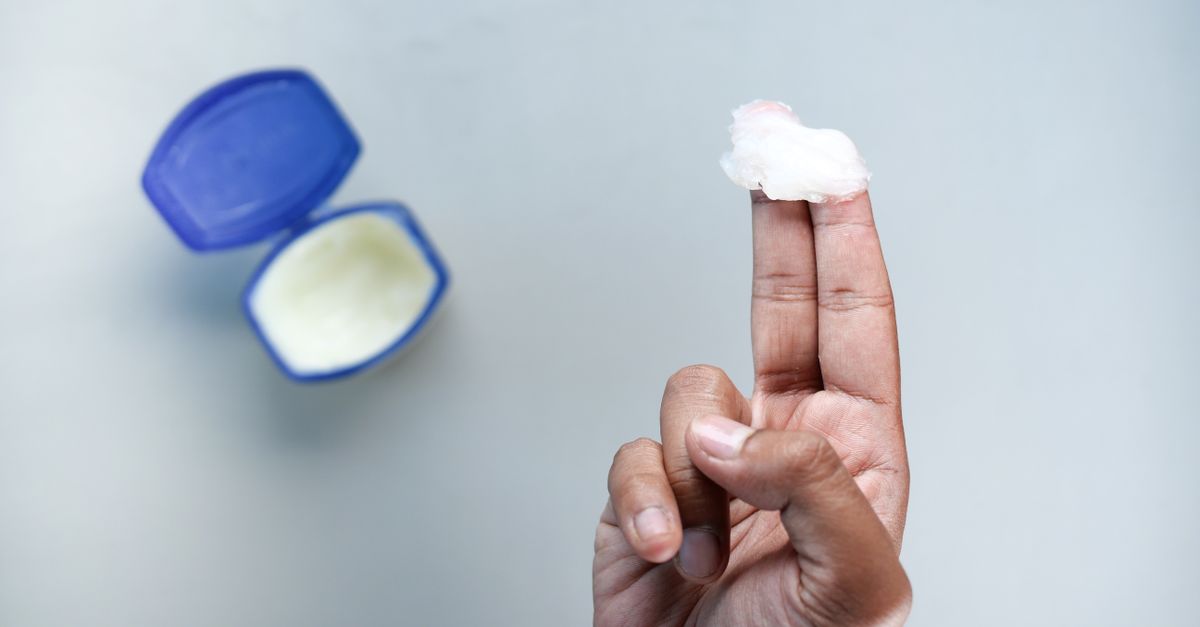
1. What is H2ocean Nothing Tattoo Glide Aftercare and How Does it Function?
H2ocean Nothing Tattoo Glide Aftercare is a specialized topical ointment incorporating lidocaine, designed to provide a lubricating barrier and localized pain relief during the tattooing process. The most notable side effect associated with the aggressive or inappropriate application of this medication is systemic lidocaine toxicity, a dangerous condition resulting from excessive absorption of the active ingredient through broken skin into the bloodstream.
Lidocaine operates pharmacologically as an amide-type local anesthetic. Upon topical application during a tattoo session, the active molecule penetrates the compromised stratum corneum and binds directly to voltage-gated sodium channels located within the neuronal membranes of localized sensory nerves. By blocking these specific channels, lidocaine prevents the influx of sodium ions required to initiate and conduct an electrical action potential.
Without the ability to generate or conduct an action potential, the local sensory nerves cannot transmit pain signals to the central nervous system. This highly targeted mechanism provides profound localized numbness precisely at the site of application. The glide base simultaneously reduces needle friction, allowing the artist to work efficiently while minimizing epidermal trauma.
2. Critical Warnings Before Utilizing Lidocaine Tattoo Glide
Patients with a known hypersensitivity to amide-type local anesthetics must completely avoid using this formulation. While true allergic reactions to amide anesthetics are rare compared to ester-type anesthetics, exposing a sensitized individual to lidocaine can trigger severe contact dermatitis and systemic anaphylaxis.
The glide must be used with strict caution on extensive bodily tattoos. Applying a potent local anesthetic to a large, heavily compromised epidermal barrier dramatically increases the rate and total volume of systemic absorption. Elevated plasma concentrations of lidocaine can swiftly precipitate severe cardiovascular and central nervous system toxicity, especially during long sessions.
Patients with severe hepatic disease must consult their physician prior to use. Lidocaine is metabolized almost exclusively by the liver. In patients with compromised hepatic function, heavy topical application during a tattoo session can lead to a dangerous accumulation of the drug in the systemic circulation, significantly lowering the threshold for systemic toxicity.
3. Indications and Proper Topical Dosage Guide
H2ocean Nothing Tattoo Glide is medically indicated for the temporary relief of pain and friction reduction during superficial dermal procedures such as tattooing. To achieve safe therapeutic efficacy, the ointment must be applied strictly in thin, even layers directly over the targeted localized area during the procedure.
The artist typically applies the glide incrementally as they work across the skin. Using an excessive volume of the ointment does not provide faster relief but drastically increases the likelihood of systemic absorption and adverse events, as the needles continuously push the active ingredient deeper into the dermis.
After the session is complete, any excess medication must be gently wiped away. Proper aftercare protocols must be followed to ensure the skin heals correctly without trapping residual active anesthetic beneath heavy occlusive healing films, which could continue to drive the drug into the bloodstream.
4. In-Depth Side Effects Profile of Topical Lidocaine
When applied correctly in limited quantities by a professional, topical lidocaine is generally safe. However, adverse localized dermatological reactions can occur, and the risk of systemic side effects escalates rapidly with over-application on broken skin.
Common Side Effects
The most frequently observed side effects are entirely localized to the application site. Users routinely experience transient localized blanching or redness of the skin immediately following application due to mild vasomotor alterations. A temporary, mild stinging sensation upon initial contact is also common, particularly as the skin becomes increasingly irritated during the tattoo process.
Serious Side Effects You Should Report
Signs of systemic lidocaine toxicity represent a critical side effect requiring immediate medical intervention. These systemic symptoms include profound ringing in the ears, sudden blurred vision, severe dizziness, confusion, and muscle twitching. Furthermore, patients may experience severe localized allergic contact dermatitis presenting as intense itching, severe swelling, and blistering at the application site that disrupts the healing tattoo.
Rare Side Effects
Extremely rare complications include methemoglobinemia, a dangerous blood disorder where the oxygen-carrying capacity of red blood cells is severely diminished. Symptoms manifest as blue-tinged lips and nail beds, significant shortness of breath, and profound fatigue. Severe cardiovascular depression is a rare but documented consequence of substantial systemic absorption.
Side Effects That Usually Do Not Require Medical Attention
Mild, transient numbness that spreads slightly beyond the exact border of the applied glide is a standard pharmacological effect of the drug diffusing through the superficial dermal tissues. This self-limiting physiological response does not warrant medical intervention and will resolve completely as the medication wears off.
| Side Effect Category | Specific Symptoms |
|---|---|
| Common | Mild skin blanching, localized redness, transient stinging |
| Serious | Ringing in ears, dizziness, muscle twitching, severe blistering |
| Rare | Methemoglobinemia, severe cardiovascular depression |
| Self-Limiting | Mild peripheral numbness extending slightly beyond application site |
5. Recognizing Symptoms of Lidocaine Overdose
Applying excessive volumes of lidocaine over a large surface area of broken skin frequently leads to systemic lidocaine poisoning. Acute overdose symptoms initially present as central nervous system excitation, including severe anxiety, auditory hallucinations, metallic taste, and facial twitching. This phase rapidly transitions into central nervous system depression, leading to generalized seizures, respiratory arrest, and coma.
Immediate emergency medical intervention is absolutely required if a systemic overdose is suspected. First responders will instruct the artist to immediately wipe the application site thoroughly with soap and cold water to halt any further dermal absorption. The patient must be transported to a hospital trauma center for advanced life support.
Hospital management of lidocaine toxicity involves securing the patient airway and administering anti-seizure medications such as benzodiazepines. In cases of severe cardiovascular collapse, emergency physicians will initiate lipid emulsion therapy, an intravenous treatment that rapidly pulls the highly fat-soluble lidocaine out of the cardiac and neural tissues.
6. Missed Dose Protocol and Crucial Clinical Avoidances
Because this medication is utilized strictly on an as-needed basis during a professional procedure, a traditional missed dose protocol does not apply. If the patient requires further pain management, the artist will apply a subsequent thin layer based on safe dosage limits. Patients must not demand thick, continuous layers to compensate for severe pain, as this guarantees a spike in systemic absorption.
While recovering with this topical anesthetic in the skin, patients must strictly avoid the concomitant use of external heat sources. Applying a heating pad or taking a scalding shower immediately over the fresh tattoo causes profound localized vasodilation. This drastically increases systemic absorption, guaranteeing a high risk of systemic lidocaine toxicity.
Furthermore, patients must strictly avoid wrapping the treated area with non-breathable plastic wrap for extended periods unless explicitly instructed by a professional who understands the risks of occluding an anesthetic. Occlusion physically traps the medication against the broken skin, exponentially driving the drug into the systemic circulation.
7. Pharmacological Interactions with Lidocaine Glide
The systemic absorption of lidocaine introduces a risk of dangerous pharmacological interactions, particularly concerning cardiovascular medications. Patients actively taking Class I antiarrhythmic drugs, such as mexiletine, face a drastically increased risk of severe cardiac toxicity. The overlapping mechanisms of these sodium channel blockers can precipitate lethal cardiac arrhythmias.
Concurrent use of other topical anesthetics requires extreme caution. Using this glide while simultaneously applying a topical prilocaine or benzocaine spray overwhelms the local sensory nerves and severely compounds the systemic toxicity profile, elevating the risk of cardiovascular collapse and methemoglobinemia.
Certain systemic medications that inhibit the CYP1A2 and CYP3A4 hepatic enzymes, such as cimetidine or strong beta-blockers, reduce the rate of blood flow to the liver and inhibit the breakdown of lidocaine. This interaction can cause a slow, dangerous accumulation of lidocaine in the blood if the glide is used repeatedly over a long session.
8. Safety Precautions and Duration of Action
The therapeutic duration of action for this localized anesthetic glide is generally limited to one to two hours following a single application. The numbing effect typically begins within five to fifteen minutes of application, especially when applied to broken skin where the lidocaine rapidly binds to the underlying sensory nerve terminals.
Due to the potent nature of the active ingredient, this product must be used with extreme caution on larger individuals receiving extensive body work. While body mass is higher, the sheer volume of broken skin significantly increases the absorption surface area, making prolonged full-back or full-sleeve sessions highly susceptible to local anesthetic systemic toxicity.
Patients applying this medication near the mouth must exercise caution. Profound numbness of the perioral tissue impairs normal swallowing reflexes and increases the risk of biting the tongue or cheek lining, potentially causing severe internal tissue damage without the patient feeling the injury.
9. Discontinuing the Medication and Proper Storage Guidelines
Discontinuing the application of this topical anesthetic glide is completely safe and carries no physiological withdrawal risks. Once the tattoo session is complete, the artist should simply cease applying the glide. To remove residual medication from the skin, the area is gently washed with mild soap and cool water according to standard tattoo protocols.
Optimal storage is essential for preserving the chemical integrity of the active ingredient. The formulation must be securely stored at room temperature, strictly out of reach of children and household pets. Ingestion of even a small amount of lidocaine ointment by a child or pet is rapidly fatal.
Dispose of expired or unneeded glide according to local hazardous waste regulations. Artists must never flush the ointment down a toilet or discard the container where animals might access it. The potent chemical contents pose a significant risk to local water supplies and inquisitive domestic animals.
10. When to Seek Medical Attention for Complications
Immediate emergency medical evaluation is warranted if a patient exhibits any neurological or systemic signs of toxicity during or following a session. The sudden onset of ringing in the ears, severe dizziness, confusion, or muscle twitching requires urgent transport to a hospital facility to prevent impending seizures and cardiac arrest.
Seek prompt dermatological care if the application site develops severe, painful blistering, intense swelling, or agonizing chemical burns. If the glide inadvertently enters the eye and vigorous flushing with cool water for fifteen minutes fails to alleviate severe visual blurring or excruciating pain, professional ophthalmological assessment is absolutely critical.
11. Frequently Asked Questions (FAQ)
1. Can the artist use this glide continuously for an eight-hour session?
Using a lidocaine-based product continuously over a massive area of broken skin for eight hours severely increases the risk of lidocaine toxicity. Professional artists monitor dosage and switch to non-anesthetic glides when safe limits are reached.
2. Is it safe to wrap a bandage tightly around the tattoo after using this glide?
Do not tightly bandage or cover the treated area with plastic wrap for prolonged periods unless monitored. A tight, occlusive bandage traps the active ingredient against the broken skin, drastically increasing systemic absorption.
3. What should I do if the ointment accidentally gets into my eye?
Immediately flush the eye continuously with lukewarm water or sterile saline for at least fifteen minutes. Lidocaine abolishes the protective corneal reflex, so you must seek immediate medical attention to ensure your eye is not scratched.
4. Can I apply this glide to relieve the pain of a severe sunburn?
No. Applying lidocaine to a large surface area of sunburned skin is highly dangerous. The damaged skin will rapidly absorb the drug, leading directly to a life-threatening systemic overdose.
5. How long does the numbing effect usually last?
The numbing effect typically begins within ten minutes on broken skin and provides localized pain relief for approximately one to two hours, depending on local blood flow and the depth of the tattoo.
6. Can I take oral ibuprofen before my session to help with the pain?
You can take standard over-the-counter pain relievers, but you must inform your artist. Combining systemic pain relievers with topical anesthetics requires professional oversight to ensure you remain comfortable and safe.
7. Why do I feel dizzy and have a metallic taste in my mouth during the tattoo?
A metallic taste and dizziness are primary warning signs that too much lidocaine has entered your bloodstream. You must tell your artist immediately to stop applying the glide and assess your condition.
12. Bibliography
Disclaimer: The content is for informational purposes only and does not replace medical advice. Always consult your doctor or pharmacist for personalized treatment.
