1. Introduction & Mechanism of Action of HealthWise Roll-On
HealthWise Roll-On is a dual-action topical analgesic utilizing menthol as a counterirritant and lidocaine as a local anesthetic. The most notable side effect is the severe risk of systemic neurological or cardiovascular toxicity if the liquid is applied excessively over compromised skin barriers. This liquid delivery system is designed to provide rapid, localized pain relief without the systemic burden of oral medications.
The pharmacological mechanism relies on two complementary biochemical pathways. Menthol binds directly to the transient receptor potential melastatin 8 receptors located on cutaneous sensory nerve endings. This activation triggers an immediate, localized cooling sensation that aggressively competes with underlying deep tissue pain signals ascending to the cerebral cortex.
Simultaneously, the lidocaine component diffuses through the stratum corneum to block voltage-gated sodium channels along local sensory axons. By halting the influx of sodium ions required for neuronal depolarization, lidocaine prevents the peripheral nerves from transmitting nociceptive signals. This combination provides both an immediate cooling distraction and a deeper, sustained nerve block.
2. Warnings & Before Taking HealthWise Roll-On
Before applying this topical liquid, patients must rigorously evaluate the physical integrity of the target application site. The product is strictly contraindicated for use over open wounds, severe abrasions, blistering rashes, or deep lacerations. Applying the liquid over denuded skin removes the epidermal barrier, allowing massive and rapid absorption of the active ingredients directly into the systemic circulation.
Patients with severe hepatic dysfunction or advanced cardiovascular disease must consult a clinical provider prior to application. Lidocaine relies entirely on hepatic enzymes for metabolic clearance. In patients with severely impaired liver function, even minor systemic absorption can lead to dangerous accumulation in the blood plasma, resulting in cardiac depression.
A critical safety warning involves the concurrent use of external heat sources. Patients must never apply a heating pad or hot water bottle over the treated area. Exogenous heat forces extreme vasodilation of the localized capillary beds, aggressively accelerating the absorption of lidocaine into the bloodstream and drastically increasing the risk of full thickness chemical burns.
3. Indications & Dosage Guide for HealthWise Roll-On
HealthWise Roll-On is clinically indicated for the temporary management of localized mild to moderate somatic pain. Common applications include the treatment of acute muscle strains, ligamentous sprains, simple backaches, localized bruising, and the inflammatory pain associated with superficial joint osteoarthritis.
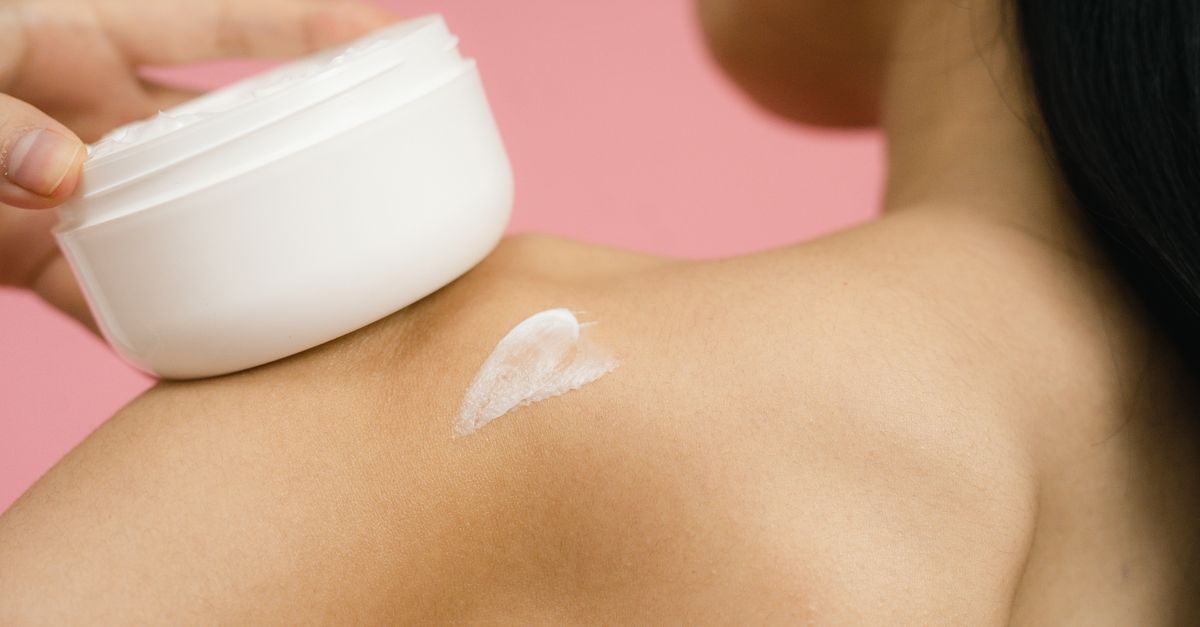
The standard clinical dosage permits the application of a thin layer of the liquid directly to the affected area no more than three to four times within a twenty-four-hour period. The roll-on applicator is designed to deposit a precise amount of liquid while keeping the patient’s hands free of the medication. The skin must be thoroughly clean, dry, and free of any cosmetic lotions before application.
Patients must allow the skin to remain uncovered after application until the liquid fully dries. Tight, occlusive wrapping traps the volatile menthol vapors and forces the lidocaine deeper into the tissue, which can rapidly elevate systemic blood levels to toxic concentrations.
4. In-Depth Side Effects Analysis of HealthWise Roll-On
While generally well tolerated when confined to small localized areas, the highly active chemical components of this liquid formulation can induce specific cutaneous and systemic adverse events.
| Side Effect Category | Specific Symptoms |
|---|---|
| Dermatological Reactions | Erythema, severe localized burning, contact dermatitis |
| Systemic Neurotoxicity | Tinnitus, metallic taste, severe dizziness, seizures |
| Cardiovascular Toxicity | Profound bradycardia, hypotension, sudden syncope |
Common Side Effects
The most universally experienced adverse effect is a transient burning or stinging sensation immediately following application. This is a standard physiological response to the menthol rapidly activating temperature receptors. Mild erythema corresponding exactly to the application area is also common, driven by the localized vasodilation induced by the counterirritant properties.
Serious Side Effects you should report
Patients must seek immediate medical evaluation if the application site develops large fluid-filled blisters, deep tissue peeling, or extreme unremitting pain. These clinical presentations indicate a severe chemical burn resulting from tissue intolerance. Additionally, any sudden ringing in the ears, extreme dizziness, or involuntary muscle twitching indicates systemic lidocaine toxicity and requires emergency intervention.
Rare Side Effects
Allergic contact dermatitis to either the amide anesthetic or the botanical menthol is a rare but highly significant complication. It presents as severe, raised urticaria, intense itching, and weeping blisters at the application site. Another extremely rare systemic risk is methemoglobinemia, a condition where the blood loses its oxygen-carrying capacity, marked by sudden cyanosis and severe shortness of breath.
Side effects that usually do not require medical attention
A lingering medicinal odor on the skin and clothing is the expected chemical property of the volatile menthol compound. Profound localized numbness extending slightly beyond the immediate application area is the intended pharmacological effect and will naturally dissipate over a few hours.
5. Overdose Symptoms and Management for HealthWise Roll-On
A transdermal overdose is a severe clinical emergency. Overdose typically occurs when patients apply the liquid excessively across large swaths of the body, utilize heating pads over the treated skin, or apply the medication to massively denuded skin such as a severe sunburn. These actions force toxic levels of lidocaine into the systemic circulation.
The hallmark initial symptom of systemic toxicity affects the central nervous system. Patients will exhibit extreme anxiety, profound confusion, slurred speech, and generalized tremors. If blood concentrations continue to rise unabated, the toxicity rapidly progresses to generalized tonic-clonic seizures, profound central nervous system depression, respiratory arrest, and ultimately a comatose state.
Concurrently, the cardiovascular system suffers massive depression. High systemic levels of lidocaine severely inhibit cardiac electrical conduction, leading to fatal arrhythmias or complete asystole. Emergency management requires aggressive physical washing of the skin to halt absorption. Advanced life support protocols involve airway management, anti-seizure medications, and the rapid intravenous administration of a lipid emulsion therapy to bind the circulating lidocaine molecules.
6. Missed Dose & What to avoid while using HealthWise Roll-On
Because this medicated liquid is utilized exclusively for as-needed acute pain management, there is no scheduled regimen to follow. A missed dose has no clinical relevance. Patients should apply a new layer only when the localized pain returns to an uncomfortable threshold, respecting the daily maximum limits.
Patients must strictly avoid allowing the active liquid to contact mucosal membranes. The highly concentrated menthol and lidocaine will cause excruciating pain and severe chemical irritation if accidentally transferred to the eyes, inside the nose, or to the genital region. Even with a roll-on applicator, rigorous hand hygiene is mandatory if the liquid is accidentally touched.
Furthermore, patients must avoid taking hot showers, baths, or entering saunas within one hour before or after applying the liquid. Exposing the treated skin to hot water opens the pores and amplifies the chemical absorption, transforming the standard therapeutic warmth into an agonizing, scalding sensation that is highly distressing.
7. Drug & Alcohol Interactions with HealthWise Roll-On
While localized application limits systemic exposure, critical pharmacological interactions occur if the lidocaine is absorbed into the bloodstream. Patients taking systemic antiarrhythmic medications, such as amiodarone, must exercise extreme caution. Because these systemic drugs share identical mechanisms of action targeting sodium channels, concurrent use can lead to profound synergistic cardiac depression.
Systemic alcohol consumption should be minimized while utilizing this product frequently. Alcohol induces systemic vasodilation, which can mildly accelerate the transdermal absorption rate of the medication. Additionally, heavy alcohol use severely depresses the central nervous system, compounding any mild systemic neurological effects the lidocaine may produce.
Patients should also inform their physician if they are taking medications known to induce methemoglobinemia, including high doses of acetaminophen, sulfonamide antibiotics, or certain antimalarial drugs. Combining these systemic agents with topical lidocaine increases the overall statistical risk of developing a severe hypoxic blood crisis.
8. Precautions, Safety & Duration of Action for HealthWise Roll-On
The onset of the menthol-induced cooling analgesia occurs within minutes of application. The deeper nerve block from the lidocaine generally peaks within twenty to thirty minutes as the compound permeates the subcutaneous tissue. The therapeutic duration is typically limited to two to three hours before reapplication becomes necessary.
Special precautions must be taken concerning pediatric safety. Children have highly permeable skin and a significantly smaller total blood volume, making them extremely susceptible to rapid systemic toxicity. The application of concentrated lidocaine on children under twelve must be strictly supervised by a medical professional and limited to exceptionally small, precise anatomical areas.
Athletes utilizing the roll-on for sports injuries must be aware that heavy perspiration can rapidly wash the liquid away, decreasing its efficacy. Furthermore, elevated body temperatures during intense cardiovascular exercise will increase the absorption rate of the active ingredients, potentially leading to unexpectedly intense localized burning.
9. How to stop taking HealthWise Roll-On & Storage/Disposal
Discontinuing the use of this localized therapy is immediate and requires no tapering protocol. Patients can cease application at any time. Upon stopping, the localized nerve block will slowly dissipate over several hours, and the patient’s baseline nociceptive sensation will return as the residual drug is cleared from the tissue.
Storage protocols require the bottle to remain tightly capped in an upright position. The product must be stored at a stable room temperature, entirely away from direct sunlight and severe heat. High temperatures will cause the volatile menthol to evaporate rapidly and can degrade the chemical stability of the lidocaine base.
Proper disposal is critical for environmental safety. The chemical compounds should not be introduced into municipal plumbing systems. Empty or partially used bottles should be disposed of in standard solid waste bins out of the reach of children and domestic pets, or returned to an official pharmacy take-back program.
10. When to see a doctor regarding HealthWise Roll-On
A medical evaluation is mandated if the musculoskeletal pain fails to improve after seven continuous days of topical therapy. Masking persistent, severe pain with local anesthetics can delay the diagnosis of significant structural pathology, such as hairline fractures or severe ligamentous tears that necessitate orthopedic immobilization.
Immediate physician intervention is required if the application site develops signs of aggressive contact dermatitis or secondary infection. Symptoms demanding attention include blistering, severe swelling, weeping exudate, or radiating heat that persists long after the liquid has dried on the skin.
Furthermore, if the patient experiences any systemic symptoms such as sudden nausea, an unexplained rapid heart rate, or a persistent ringing in the ears during the course of therapy, they must immediately wash off the liquid and proceed to an emergency medical facility for evaluation of potential lidocaine toxicity.
Frequently Asked Questions (FAQ)
1. How do menthol and lidocaine work together in this roll-on?
Menthol provides a rapid cooling sensation that distracts your brain from the pain, while lidocaine absorbs deeper into the tissue to actively block the nerves from sending pain signals.
2. Why can’t I use a heating pad over the treated area?
Applying heat over the liquid widens your blood vessels, which forces dangerous amounts of lidocaine into your bloodstream rapidly, potentially causing a fatal overdose or severe chemical burns.
3. Can I use this roll-on on a severe scrape or cut?
No, the liquid must only be applied to perfectly intact skin. Applying it over a scrape or wound allows the drugs to enter your bloodstream far too quickly.
4. Is it safe to wrap the area tightly with an elastic bandage after applying?
No, tightly wrapping the area prevents the liquid from evaporating properly and forces too much medication into your skin, raising your risk of an overdose.
5. What should I do if the liquid starts to burn uncomfortably?
Wash the area immediately with cool water and mild soap. Do not scrub the skin with hot water, as heat will intensify the active ingredients and cause more pain.
6. Can this product interact with my heart rhythm medications?
Yes, the lidocaine in this product shares a similar mechanism with certain heart rhythm drugs. Using them together can increase the risk of severe heart complications.
7. How quickly will the area go completely numb after I apply it?
The cooling sensation begins immediately, but the profound numbing effect typically takes twenty to thirty minutes to reach its maximum strength.
8. Why must I wait an hour before taking a hot shower?
Hot water opens your pores and intensifies the menthol receptors in your skin. Exposing recently treated skin to hot water will cause an agonizing, scalding sensation.
Bibliography
Disclaimer: The content is for informational purposes only and does not replace medical advice. Always consult your doctor or pharmacist for personalized treatment.