Ion 2 in 1 Anti-Dandruff formulated with the active ingredient pyrithione zinc is a specialized topical therapeutic agent utilized primarily for the management of seborrheic dermatitis and scalp flaking. Functioning via potent fungistatic and bacteriostatic mechanisms, it effectively controls the overgrowth of specific scalp microflora. The most frequently encountered adverse effects are strictly localized, typically presenting as mild contact dermatitis, localized scalp dryness, or minor irritation resulting from prolonged exposure to the chemical formulation.
1. Introduction & Mechanism of Action of Ion Anti-Dandruff
Seborrheic dermatitis and chronic dandruff are fundamentally linked to the overproliferation of Malassezia, a lipid-dependent yeast naturally residing on the human scalp. Pyrithione zinc operates as a highly effective coordination complex of zinc. Upon application, it disrupts the cell membrane transport processes within the fungal cells, leading to a profound intracellular depletion of essential metabolic elements and subsequent fungal cell death.
Beyond its fungistatic capabilities, pyrithione zinc gently normalizes the rapid turnover rate of epidermal cells on the scalp. This dual action stops the visible shedding of large, oily skin flakes and rapidly reduces the severe pruritus associated with the condition. Because it is formulated as a topical shampoo and conditioner combination, systemic absorption through the intact stratum corneum is clinically insignificant, ensuring excellent overall safety.
2. Warnings & Before Taking Pyrithione Zinc Shampoo
Prior to utilizing this specialized therapeutic cleanser, patients must inspect their scalp thoroughly. The product must never be applied to severely blistered, violently inflamed, or openly bleeding skin. Applying the chemical complex to a structurally compromised epidermal barrier significantly increases the risk of severe chemical irritation and potential secondary bacterial infections.
Patients with a documented history of severe contact allergies to heavy metals or specialized cosmetic surfactants should proceed with caution. While true zinc allergies are phenomenally rare, sensitivity to the fragrances, foaming agents, or preservatives within the 2 in 1 formulation is common. If the patient has highly porous, chemically relaxed, or bleached hair, they should be aware that excessive use may cause unexpected alterations in hair texture.
3. Indications & Dosage Guide for Pyrithione Zinc
This formulation is medically indicated for the routine control of flaking, scaling, and itching strictly associated with dandruff and mild to moderate seborrheic dermatitis of the scalp. It serves as both a primary treatment during acute flares and a maintenance therapy to prevent symptomatic relapse.
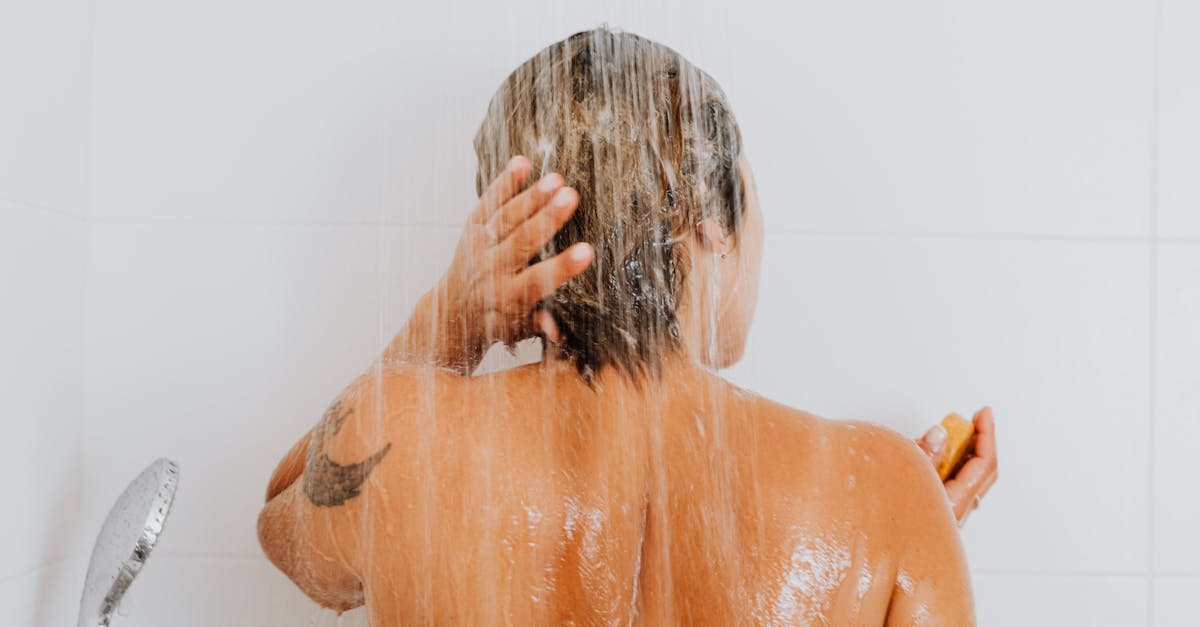
Proper application dictates the efficacy of the treatment. The patient should thoroughly wet the hair, apply an adequate volume of the shampoo, and aggressively massage it into the scalp tissue, completely ignoring the hair shafts. The most critical step is allowing the lather to remain on the scalp for a strict minimum of three to five minutes before rinsing. During acute flares, it should be used at least twice a week or exactly as directed by a dermatologist.
4. In-Depth Side Effects Analysis of Ion 2 in 1
Adverse reactions to this topical therapeutic are almost entirely confined to the localized application site. Systemic toxicity is practically impossible under standard usage parameters.
Common Side Effects
The most prevalent side effects involve mild localized tissue responses. Patients frequently report a temporary sensation of scalp dryness, minor tightness, or very mild localized erythema immediately following the shower. The hair shafts themselves may temporarily feel slightly brittle or overly stripped of natural oils, despite the inclusion of conditioning agents.
Serious Side Effects You Should Report
A severe localized allergic reaction requires immediate cessation of the product. If the patient develops weeping scalp blisters, severe burning pain, or extreme facial swelling descending from the hairline, acute allergic contact dermatitis is occurring. The patient must rinse the area continuously with cool water and seek immediate dermatological evaluation.
Rare Side Effects
In highly rare instances, prolonged usage has been documented to cause a mild paradoxical increase in hair shedding. Extremely sensitive individuals may experience a mild discoloration of lighter or gray hair, though this is heavily dependent on the specific chemical interactions with pre-existing hair dyes.
Side Effects That Usually Do Not Require Medical Attention
Minor, transient stinging if the lather accidentally contacts the eyes requires only immediate flushing with copious amounts of water. A slight, temporary increase in flaking during the first two applications is normal as the active ingredient forcefully exfoliates the pre-existing diseased skin layers.
| Side Effect Category | Specific Symptoms |
|---|---|
| Common | Mild scalp dryness, minor erythema, hair brittleness |
| Rare | Paradoxical hair shedding, minor hair discoloration |
| Severe Topical | Weeping scalp blisters, severe burning, facial edema |
5. Overdose Symptoms with Pyrithione Zinc
Because the product is applied externally and promptly rinsed away, a traditional pharmacological overdose is unachievable through standard topical application. The stratum corneum provides a robust barrier against massive systemic absorption of the zinc complex.
If the product is accidentally ingested orally, particularly by a pediatric patient, it presents a significant medical hazard. Ingestion of the surfactants and the active zinc compound will trigger profound, severe nausea, forceful vomiting, and severe acute gastrointestinal distress. Immediate contact with emergency medical services or a poison control center is strictly mandatory. Emesis should not be induced unless explicitly directed by a toxicologist.
6. Missed Dose & What to Avoid While Taking Ion Anti-Dandruff
Missing a scheduled wash with this therapeutic shampoo carries absolutely no physical withdrawal risks. The only consequence is a potential delay in the resolution of the dandruff or a mild resurgence of scalp pruritus. The patient should simply utilize the product during their next routine shower.
Patients must strictly avoid simultaneous application of other harsh topical scalp treatments. Using this medicated shampoo concurrently with potent topical corticosteroids or aggressive salicylic acid chemical peels without direct physician oversight will drastically increase the risk of severe chemical burns and total destruction of the scalp lipid barrier.
7. Drug & Alcohol Interactions with Pyrithione Zinc
Systemic pharmacokinetic drug interactions are completely absent due to the negligible transdermal absorption profile of the molecule. The therapeutic cleanser can be utilized safely alongside complex oral systemic regimens, including systemic antifungals like fluconazole, if co-prescribed by a dermatologist for severe generalized yeast infections.
Dietary alcohol interactions are completely irrelevant. Topically, patients should avoid applying heavy pomades, thick cosmetic oils, or heavy hair waxes immediately after washing, as these occlusive substances create an anaerobic environment on the scalp that actively promotes the rapid regrowth of the Malassezia yeast.
8. Precautions, Safety & Duration of Action of Ion 2 in 1
The fundamental precaution involves protecting the highly sensitive mucosal membranes of the eyes. Pyrithione zinc and the associated chemical surfactants are profoundly irritating to the conjunctiva and cornea. If accidental ocular exposure occurs, rapid and extensive flushing with cold water for several minutes is required to prevent chemical conjunctivitis.
The therapeutic action is strictly maintenance-oriented. Seborrheic dermatitis is considered a chronic condition. While the active ingredient clears the fungal overgrowth rapidly, the underlying predisposition remains. Therefore, the product must be integrated into a long-term hygiene routine, usually utilized once or twice weekly indefinitely to maintain a clear scalp.
9. How to Stop Taking Ion Anti-Dandruff & Storage/Disposal
If the patient wishes to discontinue the formulation, they may stop abruptly without tapering. However, if the underlying genetic or environmental triggers for the yeast overgrowth persist, the clinical symptoms of flaking and severe itching will typically return within one to three weeks.
The thick liquid must be stored in a standard shower environment, avoiding prolonged exposure to freezing temperatures or extreme, boiling heat which can irreversibly separate the chemical emulsion. Empty plastic bottles should be thoroughly rinsed and submitted to local recycling facilities.
10. When to See a Doctor While on Pyrithione Zinc
A comprehensive dermatological assessment is strictly required if the condition shows absolutely no improvement after four weeks of highly consistent, correct usage. This lack of response strongly suggests an alternative diagnosis, such as scalp psoriasis or cutaneous lupus, which require entirely different classes of prescription medications.
Furthermore, if the scalp develops crusty, yellow, honey-colored scabs that ooze fluid, a secondary staphylococcal bacterial infection has occurred. This severe complication necessitates the immediate cessation of the shampoo and the rapid initiation of prescription oral antibiotics.
11. Frequently Asked Questions FAQ
1. Does pyrithione zinc actually cure dandruff permanently?
No. It highly effectively manages and controls the fungal overgrowth that causes dandruff, but it is a control measure, not a permanent genetic cure.
2. Can I use this product on my face for seborrheic dermatitis?
While sometimes recommended off-label by dermatologists, you must never use it on the face without direct physician supervision due to extreme irritation risks to the eyes.
3. Will this shampoo cause my hair color to fade faster?
Yes. Medicated shampoos containing strong surfactants can strip cosmetic hair dye significantly faster than standard color-safe shampoos.
4. Why must I leave the lather on my scalp for five minutes?
The active zinc complex requires several minutes of direct physical contact to successfully penetrate the fungal cell walls and exert its therapeutic effect.
5. Is it safe to use this product daily?
Daily use is generally not recommended as it can severely strip the scalp of natural lipids, leading to profound dryness and rebound oil production. Follow the twice-weekly guideline.
6. What happens if I accidentally swallow some shower water with lather?
A tiny amount in shower water will likely cause no more than a bad taste. Accidental ingestion of the concentrated liquid straight from the bottle requires poison control intervention.
7. Does this 2 in 1 formula actually condition the hair?
It contains conditioning agents to mitigate brittleness, but patients with long or highly textured hair may still require an additional dedicated cosmetic conditioner applied strictly to the hair ends.
8. Can children use this dandruff shampoo?
It is generally safe for older children and teenagers, but infants and toddlers must never be treated with this chemical complex without explicit pediatric authorization.
9. Why does my scalp tingle slightly when I apply it?
A very mild, brief tingling is a common sensory reaction to the active cleansing agents acting on the inflamed epidermal tissue.
10. Can I alternate this with a ketoconazole shampoo?
Dermatologists often recommend rotating different active ingredients to prevent fungal resistance, but always follow your specific doctor’s rotational schedule.
12. Bibliography
Disclaimer: The content is for informational purposes only and does not replace medical advice. Always consult your doctor or pharmacist for personalized treatment.