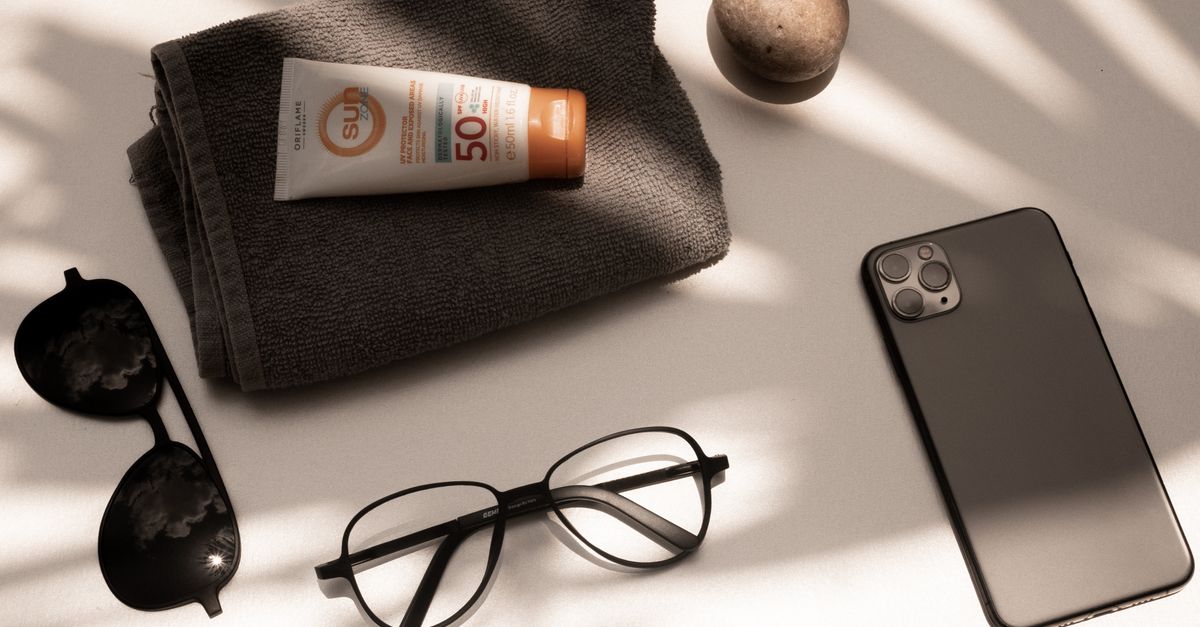
Laspa Tinted Matte Sunscreen SPF 20 Light employs zinc oxide as its singular active pharmacological agent, providing a reliable physical barrier against ultraviolet radiation. The most frequently encountered side effect is cumulative localized epidermal dryness due to the astringent nature of the mineral, while highly reactive individuals may experience mild contact dermatitis triggered by the inert cosmetic tinting agents.
1. Introduction And Mechanism Of Action For Laspa Tinted Matte Sunscreen Spf 20 Light
Zinc oxide operates entirely as an inorganic, broad-spectrum physical ultraviolet filter. Upon topical application, the microscopic mineral particles do not penetrate the dermal layers, but rather organize into a highly dense, reflective shield directly upon the superficial stratum corneum.
This inert mineral matrix functions mechanically by reflecting, scattering, and absorbing incoming high-energy ultraviolet A and ultraviolet B photons. By intercepting this dangerous radiation before it breaches the skin, the compound prevents the direct destruction of cellular DNA, effectively halting the inflammatory pathways responsible for acute erythema and chronic photoaging.
Unlike organic chemical sunscreens that absorb radiation and convert it to heat through a delayed chemical reaction, zinc oxide is inherently photostable and acts instantaneously upon application. The inclusion of the matte tinting agents provides cosmetic color correction to neutralize the traditional white cast associated with physical mineral sunscreens.
2. Critical Warnings Before Using Laspa Tinted Matte Sunscreen Spf 20 Light
This topical mineral preparation must only be applied to fully intact, uncompromised epidermal tissue. Introducing high concentrations of zinc oxide into deep abrasions, open surgical wounds, or severe thermal burns is strictly contraindicated. The inert mineral particles rapidly embed in raw granulation tissue, provoking a severe foreign-body inflammatory response that drastically delays normal cellular repair mechanisms.
Accidental exposure to the ocular region must be meticulously avoided. Introducing this dense, tinted mineral lotion to the cornea or conjunctiva causes immediate, severe mechanical abrasion, intense localized stinging, and subsequent chemical conjunctivitis requiring extensive flushing with sterile saline.
Furthermore, individuals with a known hypersensitivity to specific iron oxides or natural botanical base ingredients must exercise caution. While zinc oxide itself is virtually hypoallergenic, the additional compounds utilized to create the specific tint and matte finish can trigger localized hypersensitivity cascades when applied topically to highly sensitized dermal tissue.
3. Indications And Standard Usage Guide For Laspa Tinted Matte Sunscreen Spf 20 Light
Clinical dermatologists frequently designate tinted zinc oxide formulations for daily photoprotection in patients exhibiting highly reactive skin, hyperpigmentation disorders like melasma, and those diagnosed with rosacea. The iron oxides used for tinting provide additional protection against visible blue light, which is known to exacerbate melasma.
To achieve the designated SPF 20 protection, the user must apply a generous, even layer to all sun-exposed anatomical areas approximately fifteen minutes prior to outdoor activities. The integrity of the mechanical barrier depends entirely on complete and uniform physical coverage of the epidermis.
Because the mineral layer rests superficially, it is easily compromised by mechanical friction, profuse sweating, and aquatic activities. Strict reapplication is mandatory every two hours, or immediately following any towel drying, to restore the disrupted physical shield.
4. In-Depth Analysis Of Laspa Tinted Matte Sunscreen Spf 20 Light Side Effects
While zinc oxide is clinically proven to be exceptionally gentle on the skin, the dense occlusive nature of the matte lotion vehicle, combined with specific tinting agents, can induce localized adverse dermal reactions in specific populations.
Common Side Effects
Patients applying this product daily routinely observe mild, chronic epidermal dryness, as zinc oxide acts as a natural astringent, absorbing excess surface sebum to create the matte finish. Users may also notice a slight cosmetic transfer of the tinted iron oxides onto light-colored clothing resting against the treated skin.
Serious Side Effects You Should Report
Immediate clinical assessment is mandatory if the application site develops painful, weeping vesicles, deep dermal fissures, or an aggressively spreading erythematous rash. These are hallmark clinical signs of severe allergic contact dermatitis, highly likely provoked by the inactive cosmetic ingredients rather than the inert mineral base.
Rare Side Effects
In highly unique clinical scenarios involving patients prone to severe acne mechanica, the dense occlusive layer can trigger painful, deep cystic acne flares. The thick, matte mineral shield physically blocks the pilosebaceous units, creating an anaerobic environment that traps aggressive bacteria deeply within the follicle.
Side Effects That Usually Do Not Require Medical Attention
A fleeting sensation of localized warmth immediately following application is a standard physiological response. This brief sensory reaction occurs as the water phase of the emulsion evaporates from the skin surface, leaving the matte powder finish behind, and requires no medical intervention.
| Side Effect Category | Specific Symptoms |
|---|---|
| Epidermal Barrier | Mild astringent dryness, cosmetic pigment transfer |
| Follicular Alteration | Pore congestion, localized acne exacerbation |
| Hypersensitivity | Erythematous rash, intense pruritus, painful vesicles |
5. Recognizing And Managing Zinc Oxide Overdose
Because the zinc oxide particles are physically too large to penetrate the intact human epidermal barrier, a systemic chemical overdose through routine transdermal absorption is a physiological impossibility. The active compound remains strictly localized on the external surface.
However, acute clinical toxicity readily occurs if the heavy tinted lotion is deliberately or accidentally ingested by a pediatric patient. Ingestion of massive quantities of zinc oxide induces profound gastrointestinal distress, presenting as severe, intractable vomiting, intense nausea, and acute fluid-loss diarrhea.
In the event of accidental oral ingestion, emesis must not be induced due to the extreme risk of pulmonary aspiration of the thick emulsion. Contact emergency medical services or a toxicology center immediately. The patient requires diligent supportive care and rapid intravenous fluid replacement to manage the gastrointestinal crisis.
6. Missed Dose And What To Avoid
Because this product is utilized exclusively for environmental ultraviolet protection, a missed dose immediately leaves the patient completely vulnerable to severe cellular damage. The user must simply apply the product as soon as the omission is realized; attempting to apply a double thickness provides no added chemical benefit and simply ruins the matte cosmetic appearance.
Following application, users must aggressively avoid covering the treated skin with highly occlusive, non-breathable synthetic garments in high-heat environments. The thick mineral barrier combined with trapped sweat drastically increases the risk of severe miliaria rubra, precipitating painful, localized heat rashes.
7. What Drugs Interact With Laspa Tinted Matte Sunscreen Spf 20 Light?
Because zinc oxide remains completely localized to the skin surface and does not enter the systemic bloodstream, it generates zero internal pharmacological drug interactions. However, significant adverse localized interactions occur when layered over potent topical medications.
Applying this dense mineral shield immediately over harsh prescription keratolytics, such as fluorouracil or concentrated salicylic acid, drastically compounds epidermal cytotoxicity. The occlusive nature of the sunscreen physically traps the aggressive chemical medications tightly against the skin, forcing unnaturally deep penetration and causing severe peeling and profound pain.
8. Precautions, Safety, And Duration Of Action
The protective clinical efficacy of this formulation is entirely contingent upon its physical presence on the stratum corneum. Once the mineral barrier is compromised by mechanical wiping, sweat, or immersion in water, the skin has absolutely zero residual protection against incoming ultraviolet photons.
Strict adherence to storage guidelines is imperative for maintaining emulsion stability. The container must remain tightly sealed in a cool, dark location. Continuous exposure to extreme temperatures, such as those found inside a locked vehicle during summer, will irreparably fracture the chemical matrix, leaving the zinc oxide uneven and useless for ultraviolet defense.
9. How To Safely Stop Using Laspa Tinted Matte Sunscreen Spf 20 Light
The cessation of use requires no medical supervision or tapering schedule. Once a patient halts routine application, any localized dryness, minor contact dermatitis, or acne mechanica at the application sites will typically resolve spontaneously within three to five days as the skin restores its natural lipid balance.
Proper environmental disposal is necessary for empty containers. The plastic tubes should be recycled according to strict municipal guidelines. Any remaining thick lotion should be wiped out and discarded in household solid waste rather than washed down domestic plumbing to prevent infrastructural blockages caused by the dense zinc oxide paste.
10. When To See A Doctor
A medical consultation is essential if the skin on your face or body becomes severely inflamed, deep red, or begins to exude clear fluid following application. These deep dermal reactions indicate a severe allergic hypersensitivity to the cosmetic ingredients requiring targeted prescription topical corticosteroids.
Additionally, if accidental ocular exposure occurs and standard water irrigation fails to alleviate the intense mechanical scratching sensation, severely blurred vision, or profound redness within twenty minutes, immediate assessment by an emergency ophthalmologist is mandatory to rule out permanent corneal damage.
Frequently Asked Questions (FAQ)
1. How exactly does this product stop the sun from burning my skin?
This formulation uses zinc oxide, which acts like millions of microscopic mirrors resting on your skin. It physically bounces the dangerous ultraviolet radiation away from your body before the rays can penetrate and damage your cells.
2. Why does this specific sunscreen use a tint instead of just being white?
Standard zinc oxide is bright white and leaves a heavy, unnatural cast on the skin. The iron oxide tints in this formula camouflage that white cast, allowing the sunscreen to blend naturally with your specific skin tone.
3. Can the tinting ingredients actually cause an allergic reaction?
Yes. While the zinc oxide itself is highly non-reactive, the specific natural botanicals or iron oxides used to create the matte tint can trigger severe contact dermatitis, presenting as a painful, itchy rash in highly sensitive individuals.
4. Will the iron oxide tint help protect my skin against melasma?
Yes, clinical studies indicate that iron oxides provide a significant physical block against visible blue light, which is a major contributing factor in the worsening of hyperpigmentation disorders like melasma.
5. Why do I sometimes get small, hard pimples when I use this daily?
Zinc oxide creates a very dense, heavy barrier on the skin to provide a matte finish. This physical shield can occasionally trap your natural sweat, bacteria, and sebum deep inside your pores, leading to clogged follicles and localized acne breakouts.
6. Will this sunscreen interact poorly with my prescription acne cream?
Yes, it can. If you apply this thick, matte lotion directly over a strong prescription acne medication, it completely traps the harsh medicine against your skin, making the subsequent peeling and redness significantly more severe.
7. How often must I reapply this SPF 20 product if I am outside?
You must reapply it strictly every two hours, and instantly after heavy sweating or drying off with a towel. The physical mineral shield washes or rubs off very easily and must be constantly replaced to maintain the SPF 20 rating.
Bibliography
Disclaimer: The content is for informational purposes only and does not replace medical advice. Always consult your doctor or pharmacist for personalized treatment.