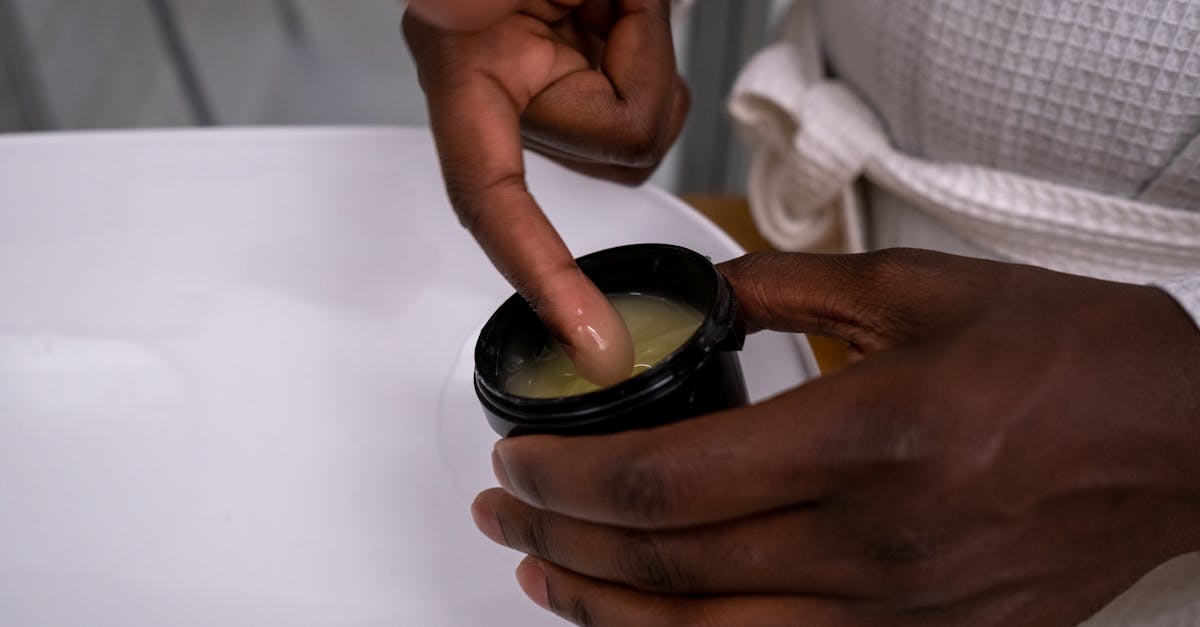
1. Introduction & Mechanism of Action for Lbri Super Aloe Stop The Pain
Lbri Super Aloe Stop The Pain utilizes a powerful triad of methyl salicylate, menthol, and capsaicin to provide localized analgesia for acute musculoskeletal discomfort. The most prominent side effect is an intense localized burning and cooling sensation on the treated cutaneous tissue directly resulting from the active counterirritants.
The pharmacological efficacy relies on the robust, synergistic action of these three distinct compounds. Menthol acts as a topical TRPM8 receptor agonist, rapidly stimulating cold-sensitive receptors in the epidermis to send an immediate cooling signal to the central nervous system. Simultaneously, capsaicin targets the TRPV1 receptors, initially causing a sharp burning sensation that ultimately depletes substance P, a critical neuropeptide responsible for transmitting pain signals from the peripheral nerves to the brain.
Methyl salicylate complements this complex neurological distraction by penetrating the epidermal barrier to inhibit the localized synthesis of prostaglandins via cyclooxygenase enzyme blockade. It also induces localized vasodilation, increasing soothing blood flow to the affected muscle tissue. This tri-fold mechanism severely disrupts the transmission of deep nociceptive pain while physically reducing the localized inflammatory cascade within the superficial muscular tissues.
2. Warnings & Before Taking Methyl Salicylate, Menthol, and Capsaicin
Patients must explicitly understand that this highly potent analgesic cream is strictly formulated for external dermal application. It must never be ingested, applied to delicate mucous membranes, or introduced anywhere near the ocular or genital regions. The capsaicin component is extraordinarily caustic to sensitive tissues and will precipitate excruciating, blinding chemical irritation upon contact.
This medication is strictly contraindicated for application over deeply compromised skin, including actively bleeding wounds, severe friction burns, or heavily excoriated rashes. Applying these concentrated neurotoxins and counterirritants to a broken epidermal barrier permits rapid, unchecked systemic absorption and causes severe localized tissue necrosis. Individuals with a documented hypersensitivity to salicylates, including severe anaphylactic reactions to aspirin, or an allergy to hot peppers, must entirely avoid this product.
Furthermore, the application of a tight, occlusive bandage or the use of an external electric heating pad over the treated area is absolutely prohibited. Trapping the active ingredients under intense artificial heat aggressively accelerates transdermal absorption, drastically increasing the risk of severe chemical burns and potentially fatal systemic salicylate toxicity.
3. Indications & Dosage Guide for Lbri Super Aloe Stop The Pain
This advanced topical analgesic preparation is indicated for the temporary, robust relief of moderate aches and pains associated with complicated musculoskeletal conditions. These include localized rheumatoid arthritis, osteoarthritis flare-ups, acute strains, deep tissue sprains, and severe lumbar backaches.
Prior to application, the patient should ensure the target area is completely clean, dry, and free of any other cosmetic lotions. A conservative amount of the cream should be dispensed using a protective glove, or the hands must be washed meticulously immediately afterward. The cream must be gently massaged directly into the painful anatomical region until fully absorbed into the stratum corneum.
The standard clinical regimen permits application to the affected area up to three to four times daily. The medication is intended strictly for acute symptomatic management. If the severe musculoskeletal pain remains unresolved after seven consecutive days of therapy, the patient must discontinue use and seek professional orthopedic evaluation.
4. In-Depth Side Effects Analysis of Methyl Salicylate, Menthol, and Capsaicin
Common Side Effects
Due to the profound counterirritant and neuropeptide-depleting mechanisms, intense application site reactions are the primary intended physiological responses. Patients routinely experience a highly pronounced, fluctuating sensation of intense cooling followed immediately by a deep, sustained burning heat, driven by the capsaicin and menthol synergy.
Transient localized erythema, presenting as a distinct, bright reddening of the treated skin, is an expected pharmacological reaction caused by the localized vasodilation induced by both methyl salicylate and capsaicin. Mild, temporary cutaneous stinging is highly common and generally dissipates as the substance P levels in the nerves deplete over several days of use.
Serious Side Effects you should report
Severe cutaneous toxicity requires the immediate cessation of therapy and rapid clinical intervention. Patients must report the onset of excruciating, unremitting burning pain that feels distinct from the normal warming sensation, severe deep-tissue blistering, or profound epidermal peeling at the application site. These presentations denote an acute chemical burn resulting from tissue overload.
If the patient develops rapidly spreading redness extending far beyond the application zone, accompanied by extreme localized heat, extreme swelling, and purulent crusting, this suggests a secondary bacterial infection facilitated by severe chemical skin stripping.
Rare Side Effects
Systemic salicylate toxicity is a rare but highly dangerous complication. Applying massive quantities of the cream over expansive areas of the body can lead to dangerous transdermal absorption. Symptoms of systemic toxicity include severe tinnitus, unexplained severe nausea, neurological confusion, and dangerous alterations in respiratory rate.
Side effects that usually do not require medical attention
A strong, lingering medicinal odor is a standard physical characteristic of the menthol and methyl salicylate formulation and requires no intervention. Minor, temporary hyperpigmentation of the treated skin following continuous application is a benign response to sustained localized vascular stimulation.
| Side Effect Category | Specific Symptoms |
|---|---|
| Localized Dermal Reactions | Intense burning, deep cooling, transient bright erythema |
| Chemical Toxicity | Severe blistering, deep chemical burns, skin peeling |
| Systemic Salicylism (Rare) | Ringing in the ears, nausea, neurological confusion |
| Sensory Responses | Strong medicinal odor, temporary stinging |
5. Overdose Symptoms with Lbri Super Aloe Stop The Pain
A systemic overdose through standard, localized application is clinically rare but entirely possible if the product is grossly misused. Toxicological emergencies primarily stem from the massive over-application of the cream over a large surface area or the accidental oral ingestion of the product.
If swallowed, the concentrated methyl salicylate and capsaicin are highly toxic and fiercely caustic to the internal mucosa. Symptoms of oral ingestion or severe transdermal overdose include violent vomiting, intense abdominal rigidity, severe hyperventilation, and metabolic acidosis. Left unmanaged, severe systemic salicylate poisoning rapidly progresses to seizures, central nervous system collapse, and potentially fatal cardiovascular failure.
In the event of accidental ingestion or suspected massive transdermal overdose, emergency medical services must be contacted immediately. Clinical management requires urgent hospital admission for aggressive gastrointestinal decontamination, intravenous fluid resuscitation, and continuous hemodynamic monitoring. Inducing emesis is strictly contraindicated due to the caustic nature of capsaicin burning the esophagus upon regurgitation.
6. Missed Dose & What to avoid while using Lbri Super Aloe Stop The Pain
Given that this medication is administered strictly on an as-needed basis for acute pain, there is no formal dosing schedule to miss. However, patients must strictly adhere to the maximum frequency of three to four applications daily. Applying a massive double volume of the cream simultaneously will rapidly precipitate severe chemical burns.
During therapy, patients must absolutely avoid exposing the treated area to direct external heat sources, including electric heating pads, hot water bottles, or hot tubs. Artificial heat aggressively dilates the peripheral blood vessels, vastly accelerating the transdermal absorption of methyl salicylate directly into the systemic circulation and causing severe, deep tissue necrosis from the capsaicin.
Patients must also avoid wrapping the treated area with tight elastic bandages, non-breathable athletic tape, or plastic wrap. Occlusion prevents the volatile active ingredients from evaporating, concentrating the chemical counterirritants against the skin and guaranteeing a severe chemical blistering reaction.
7. Drug & Alcohol Interactions with Methyl Salicylate, Menthol, and Capsaicin
While applied topically, the methyl salicylate component poses a significant risk for systemic drug interactions due to its transdermal absorption profile. Localized and systemic interactions require meticulous clinical monitoring.
Patients currently taking systemic oral anticoagulants, such as warfarin, must exercise extreme caution. Significant transdermal absorption of methyl salicylate can synergistically amplify the anticoagulant effect, dangerously elevating the international normalized ratio and precipitating severe, spontaneous internal hemorrhaging.
Systemic alcohol consumption does not directly interact with the localized analgesic mechanism. However, if the cream is applied heavily, the peripheral vasodilation caused by concurrent alcohol ingestion can theoretically increase the transdermal absorption rate of the active ingredients, elevating the risk of mild systemic toxicity and intensifying the burning sensation of capsaicin.
8. Precautions, Safety & Duration of Action for Lbri Super Aloe Stop The Pain
The maximum safe duration for continuous therapy is strictly limited to seven consecutive days for acute injuries, though it may be used longer for chronic arthritis under direct medical supervision. If acute musculoskeletal pain persists beyond this timeframe, it strongly indicates an underlying structural injury requiring professional diagnostic imaging.
Patients suffering from severe peripheral neuropathy or poorly controlled diabetes must entirely refrain from using this potent capsaicin formulation without direct physician supervision. The compromised pain sensation in their extremities drastically increases the likelihood of sustaining severe, unnoticed chemical burns from the intense counterirritants.
Pregnant individuals, particularly those in the third trimester, must strictly avoid utilizing products containing methyl salicylate. The systemic absorption of salicylates can cross the placental barrier, leading to premature closure of the fetal ductus arteriosus and severe developmental complications.
9. How to stop taking Methyl Salicylate, Menthol, and Capsaicin & Storage/Disposal
Discontinuation of this topical analgesic is straightforward and can be halted abruptly once the acute musculoskeletal discomfort resolves. No tapering of the medication is required. If the patient experiences severe skin blistering or intense, unyielding chemical pain, the cream must be completely washed off immediately with cold water and dish soap to break down the capsaicin oils.
The product must be stored securely at room temperature, safely isolated from direct sunlight and extreme heat sources. Exposing the formulation to high temperatures can degrade the active volatile compounds, severely diminishing the cooling analgesic efficacy of the menthol.
Disposal of expired or unused medication must follow local safety guidelines. The cream should be disposed of in a sealed container within standard household waste, entirely inaccessible to young children and pets, for whom ingestion is highly toxic. It must never be flushed into the sewage system.
10. When to see a doctor regarding Lbri Super Aloe Stop The Pain
A comprehensive medical evaluation is critical if the localized musculoskeletal pain persists, worsens, or radiates to other extremities after seven days of diligent topical application. Unresolved pain often signifies a severe sprain, a hairline fracture, or a deep muscular tear requiring advanced orthopedic intervention.
Immediate medical attention is warranted if the patient observes signs of severe cutaneous toxicity. The sudden appearance of deep tissue blistering, rapid epidermal sloughing, severe localized burning, or signs of a secondary bacterial infection requires prompt prescription burn management and antibiotic therapy.
Furthermore, if the patient experiences any symptoms indicative of systemic salicylate toxicity, such as sudden ringing in the ears, unexplained extreme nausea, rapid shallow breathing, or profound neurological disorientation, immediate medical attention is absolutely mandatory.
Frequently Asked Questions (FAQ)
1. Why does my skin feel like it is intensely burning after applying this?
The active ingredient capsaicin, derived from chili peppers, works by overstimulating the heat receptors in your skin to block deeper pain signals. This severe burning sensation is the intended effect.
2. How can I wash the cream off my hands effectively?
Water alone will not remove capsaicin. You must wash your hands vigorously with a grease-cutting dish soap or rub them with a safe cooking oil before washing to completely remove the active residue.
3. Can I use a heating pad after applying the cream to relax my back muscles?
Absolutely not. Combining this medication with an external heat source will rapidly increase absorption into your bloodstream and guarantee a severe, deep chemical burn on your skin.
4. What happens if I accidentally rub my eyes after applying the cream?
Capsaicin will cause excruciating, blinding pain in the eyes. If this occurs, immediately flush the eyes with copious amounts of cool water for fifteen minutes and seek emergency medical care.
5. Is it safe to wrap my treated knee tightly with an athletic bandage?
No. You must never cover the treated area with tight, non-breathable wraps. Trapping the cream against your skin prevents evaporation and will severely blister the tissue.
6. Can I use this product if I am currently taking prescription blood thinners?
You must consult your physician first. Methyl salicylate absorbs through the skin and can interact with blood thinners, dangerously increasing your risk of internal bleeding.
7. Why is my skin bright red where I applied the cream?
The active ingredients cause localized vasodilation, which means they widen the blood vessels near the surface of the skin to increase soothing blood flow, resulting in a bright red appearance.
8. Is it safe to apply this cream to a scrape or a fresh bruise?
You must never apply this product to broken, bleeding, or heavily damaged skin. It will cause excruciating pain and allow the chemicals to enter your bloodstream too rapidly.
Bibliography
Disclaimer: The content is for informational purposes only and does not replace medical advice. Always consult your doctor or pharmacist for personalized treatment.