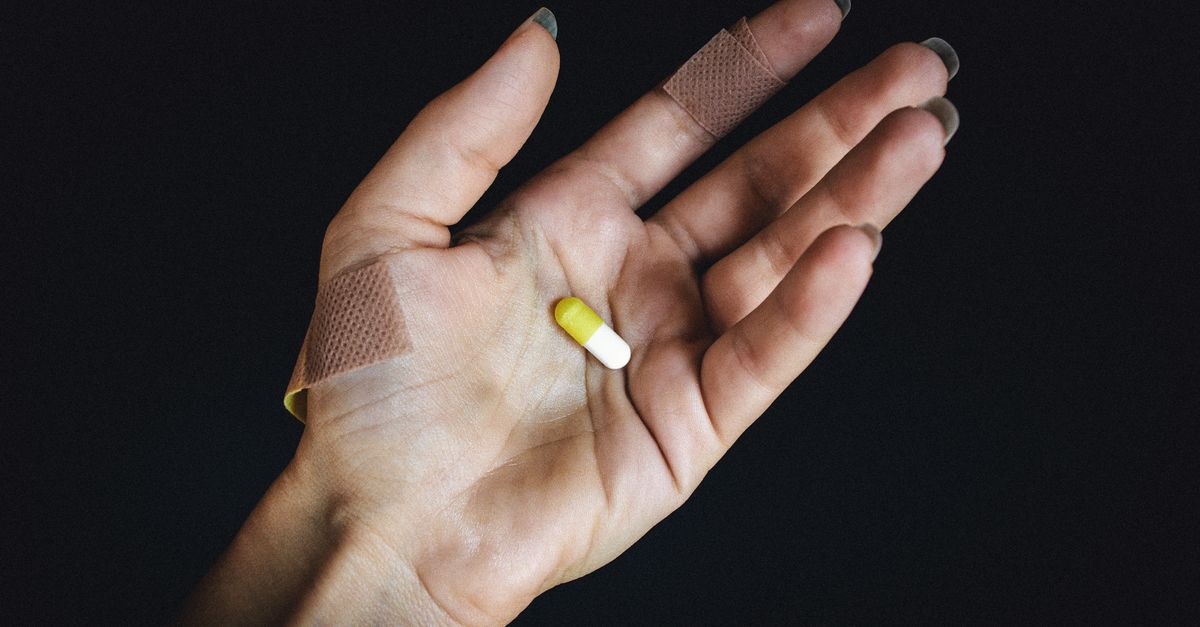
The Lidozen Patch is an advanced transdermal delivery system utilizing a combination of lidocaine and menthol to provide sustained, localized analgesia. The most common side effect is a mild, highly localized contact dermatitis or erythema directly beneath the adhesive perimeter of the patch.
1. Introduction & Mechanism of Action of the Lidozen Patch
The transdermal patch system offers continuous, controlled delivery of two potent neuroactive agents directly into the epidermal and dermal layers. The primary active ingredient, lidocaine, operates as an amide local anesthetic. It penetrates the stratum corneum and binds to the intracellular domain of voltage-gated sodium channels located on local sensory nerve fibers. This targeted blockade prevents the influx of sodium necessary to generate and transmit acute pain action potentials.
Menthol serves as a potent chemical counterirritant within the patch matrix. It actively binds to and stimulates cold-sensitive transient receptor potential melastatin-eight channels. This continuous activation sends a robust stream of cooling sensory data to the central nervous system, effectively acting as a neural distraction that overrides and suppresses the slower, deeper signals of musculoskeletal or neuropathic pain.
2. Warnings & Before Applying the Lidozen Patch
Applying the transdermal patch over compromised skin surfaces, such as deep abrasions, healing surgical incisions, or active vesicular rashes, is strictly contraindicated. The physical barrier of the skin regulates the drug absorption rate, and any breach allows excessive, unregulated quantities of lidocaine to enter the systemic circulation, vastly increasing the risk of serious cardiovascular and neurological toxicity.
Patients with significant hepatic impairment must proceed with extreme clinical caution. Any systemically absorbed lidocaine relies completely on hepatic cytochromes for clearance. In the setting of a failing liver, the continuous transdermal delivery can lead to a dangerous, steady accumulation of the anesthetic in the blood.
3. Indications & Dosage Guide for Transdermal Analgesic Patches
This specific patch is indicated for the targeted relief of localized neuropathic pain, such as post-herpetic neuralgia, as well as distinct musculoskeletal aches in the back, shoulders, or major joints. The physical patch format ensures the medication remains concentrated directly over the site of injury without transferring to clothing.
Clinical guidelines strictly mandate applying no more than the recommended number of patches simultaneously, typically limiting application to a single patch for a maximum duration of twelve continuous hours within a twenty-four-hour period. This crucial twelve-hour “patch-off” window allows the local tissues to clear the accumulated anesthetic before the next dose.
4. In-Depth Side Effects Analysis of the Lidozen Patch
While systemic exposure is remarkably low when the patch is used correctly, the continuous physical and chemical contact heavily predisposes the local tissue to adverse reactions.
Common Side Effects
Patients routinely experience localized erythema and mild cutaneous edema strictly confined to the exact shape of the patch. Mild pruritus underneath the adhesive border and a profound localized numbness in the treated tissue are standard, expected outcomes of the dual chemical formulation.
Serious Side Effects You Should Report
The abrupt onset of serious systemic neurological symptoms, such as significant visual blurring, continuous tinnitus, or severe acute confusion, indicates lidocaine toxicity and demands immediate patch removal and emergency evaluation. Patients must also report sudden, unexplainable bradycardia or severe lightheadedness upon standing.
Rare Side Effects
In highly sensitive patients, the adhesive matrix can provoke an aggressive allergic contact dermatitis, resulting in weeping vesicles and severe tissue scaling upon patch removal. Exceptionally rare cases of methemoglobinemia, severely compromising systemic oxygen transport, have been linked to excessive prolonged use of topical amide anesthetics.
Side Effects That Usually Do Not Require Medical Attention
A fleeting sensation of intense cold or mild stinging exactly when the patch is first applied is a normal physiological response to the concentrated menthol. Minor, painless redness that resolves within a few hours of removing the patch is highly typical and requires no intervention.
| Side Effect Category | Specific Symptoms |
|---|---|
| Application Site | Erythema, pruritus, mild adhesive dermatitis |
| Neurological Toxicity | Tinnitus, severe confusion, visual blurring |
| Cardiovascular Toxicity | Significant bradycardia, dangerous hypotension |
5. Overdose Risks with the Lidozen Patch
Systemic overdose is a catastrophic medical event, typically triggered by applying multiple patches simultaneously, leaving a patch on for longer than the prescribed twelve hours, or applying external heat over the patch. Symptoms of severe toxicity include profound lethargy, muscle fasciculations, generalized seizures, and rapid cardiovascular collapse.
Immediate clinical intervention is critical. The first step in an emergency setting is the absolute removal of all transdermal patches and vigorous cleansing of the skin. Subsequent medical management involves advanced cardiovascular life support, targeted anticonvulsants to arrest seizure activity, and potential intravenous lipid emulsion therapy.
6. Missed Dose & What to Avoid While Using Lidocaine And Menthol
Since the patch is utilized to manage acute localized pain symptoms, forgetting to apply it simply results in a return of the underlying discomfort. The patient may apply a new patch when convenient, provided they strictly adhere to the mandatory twelve-hour removal schedule to prevent systemic toxicity.
Patients must never place external heating pads, electric blankets, or hot water bottles directly over the transdermal patch. The external heat causes profound localized vasodilation and melts the drug matrix, forcefully driving massive, potentially lethal doses of lidocaine directly into the systemic circulation.
7. Drug Interactions with the Lidozen Patch
Patients concurrently prescribed systemic class-I antiarrhythmic medications like mexiletine face a substantially elevated risk of cardiac toxicity. The additive sodium-channel blocking effects of the oral medication combined with the transdermal lidocaine can precipitate dangerous cardiac conduction abnormalities.
Cutting the patch prior to application can fundamentally destroy the controlled-release mechanism of the hydrogel matrix, leading to an immediate, unregulated dumping of the active ingredients onto the skin surface and drastically altering its safety profile.
8. Precautions, Safety & Duration of Action for Transdermal Amides
Absolute care must be taken regarding the disposal of used patches. Even after a full twelve hours of application, the discarded patch still contains significant residual quantities of potent local anesthetic. A used patch can cause fatal toxicity if chewed or ingested by a small child or domestic pet.
The analgesic onset begins roughly thirty minutes after application as the matrix slowly hydrates the stratum corneum. The peak anesthetic depth is achieved within a few hours and provides continuous, stable pain suppression for the entire twelve-hour duration the patch remains securely attached to the skin.
9. How to Stop Taking the Drug & Storage Guidelines
Discontinuing the therapy is immediate and safe. When the localized pain resolves, the patient simply peels the patch off and disposes of it properly. Gently washing the area with a mild soap will effectively remove any lingering adhesive residue and residual active medication.
Unused patches must remain sealed in their original, moisture-resistant foil pouches at stable room temperature. Exposing an unsealed patch to ambient air causes the hydrogel matrix to dry out, destroying its ability to adhere to the skin and halting the transdermal delivery mechanism.
10. When to See a Doctor Regarding the Lidozen Patch
A prompt clinical evaluation is necessary if the skin underneath the patch develops deep, painful blisters, severe ulceration, or a persistent, spreading rash that does not fade after a twenty-four-hour rest period without the patch.
Emergency medical services must be engaged immediately if the patient displays serious systemic signs of toxicity, such as sudden slurred speech, a dangerously slow pulse rate, or the sudden onset of severe, uncontrollable shivering and muscle twitching.
Frequently Asked Questions (FAQ)
1. How does the patch deliver medication through my skin?
The patch contains a specialized gel matrix that slowly and continuously pushes the active numbing agents through your outer skin layer to bathe the underlying nerve endings over a twelve-hour period.
2. Why must I take the patch off after twelve hours?
Removing the patch for twelve hours gives your local tissues and liver necessary time to clear the absorbed anesthetic from your body, preventing dangerous toxic build-up.
3. Can I cut the patch in half to fit a smaller area?
You should consult the specific packaging instructions, as cutting certain types of transdermal patches destroys the release mechanism and can cause a rapid overdose.
4. Is it safe to use a heating pad over the patch for deep muscle pain?
You must absolutely never apply heat over the patch because the heat will melt the medication and force toxic, potentially fatal amounts of the drug directly into your bloodstream.
5. Why is my skin bright red when I take the patch off?
The menthol naturally dilates the tiny blood vessels in your skin, and the physical adhesive can cause mild irritation, resulting in temporary, harmless redness.
6. Can I wear the patch while taking a shower or swimming?
Most analgesic patches will lose their adhesive properties and detach if submerged in water, so it is highly recommended to remove the patch before bathing.
7. How should I throw away the used patches safely?
You must fold the sticky sides of the patch together and dispose of it in a secure trash receptacle completely out of reach of small children and household pets.
8. Why do I hear ringing in my ears while wearing the patch?
Auditory ringing is a serious systemic warning sign indicating that too much lidocaine has entered your bloodstream, requiring you to remove the patch and seek immediate clinical care.
Bibliography
Disclaimer: The content is for informational purposes only and does not replace medical advice. Always consult your doctor or pharmacist for personalized treatment.