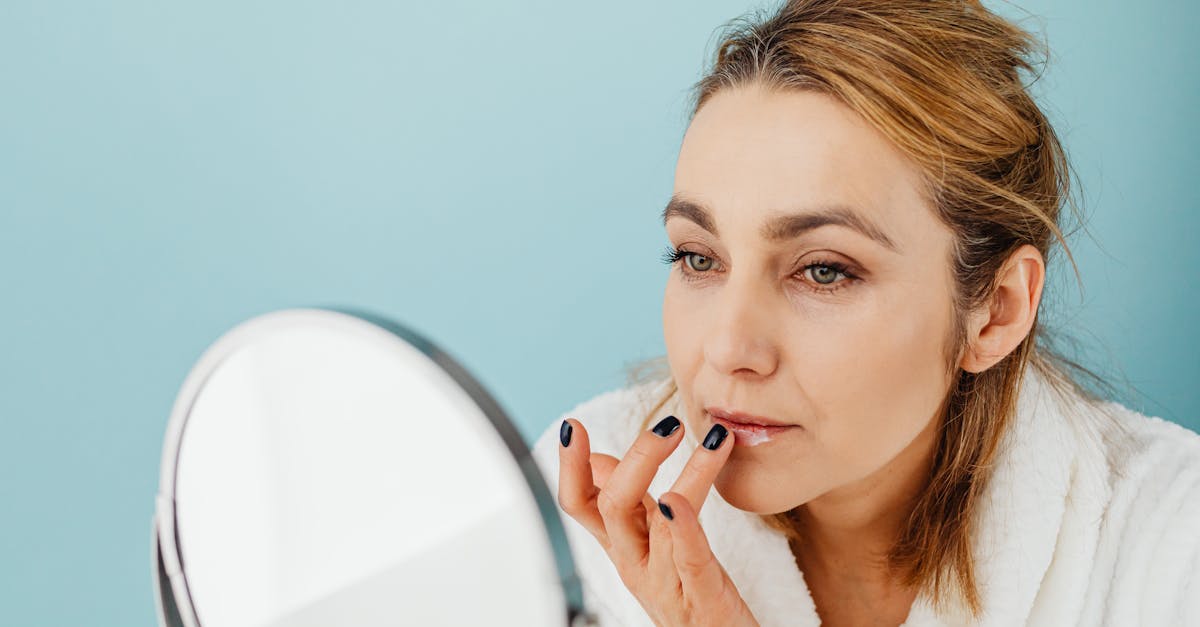
Lip Balm SPF15 Passion Fruit Flavored is a topical protectant and chemical sunscreen designed to shield the delicate skin of the lips from ultraviolet radiation. The most notable side effects involve localized dermatological reactions such as contact dermatitis or mild allergic responses to the active ultraviolet filters.
1. Introduction & Mechanism of Action of Octisalate and Oxybenzone
This lip balm formulation utilizes two primary active ingredients to provide broad-spectrum sun protection. Octisalate is an organic compound that specifically absorbs ultraviolet B rays. It works by converting the absorbed solar radiation into less damaging heat energy which is then safely dissipated from the skin surface.
Oxybenzone belongs to the benzophenone class of chemical filters and absorbs both ultraviolet A and ultraviolet B rays. The combination of these two agents ensures comprehensive protection against sunburn and long-term actinic damage on the lips. The passion fruit flavoring provides a cosmetic benefit without altering the pharmacological efficacy of the ultraviolet filters.
2. Warnings & Before Applying Lip Balm SPF15 Passion Fruit Flavored
Individuals with a known hypersensitivity to salicylates or benzophenones must avoid using this product. Cross-reactivity can occur in patients with allergies to certain oral nonsteroidal anti-inflammatory drugs. It is crucial to evaluate the lips for open wounds, severe cracking, or active herpetic lesions before application.
Applying chemical sunscreens to broken skin increases systemic absorption and the risk of localized irritation. Patients who have experienced photoallergic reactions to other chemical sunscreens should consult a dermatologist before introducing this specific lip protectant into their daily regimen.
3. Indications & Dosage Guide for Sunscreen Lip Balms
This product is medically indicated for the prevention of sunburn on the lips and for decreasing the risk of ultraviolet-induced actinic cheilitis. It is appropriate for daily use during periods of ambient sun exposure.
For optimal protection, the balm should be applied generously to the lips fifteen minutes prior to sun exposure. Reapplication is strictly required every two hours. If the user is eating, drinking, swimming, or sweating profusely, the product must be reapplied immediately after these activities to maintain the specified sun protection factor.
4. In-Depth Side Effects Analysis of Octisalate and Oxybenzone
While topical ultraviolet filters are generally safe for daily use, some individuals may experience adverse localized reactions. The thin epidermis of the lips makes this area particularly susceptible to sensitization.
Common Side Effects
The most frequently observed adverse reactions are mild and confined to the application site. Patients may report a transient stinging sensation immediately upon application. Slight erythema or a feeling of warmth on the lips can also occur as the chemical filters absorb ultraviolet radiation and convert it to heat.
Serious Side Effects you should report
Severe hypersensitivity requires immediate medical intervention. Symptoms include intense swelling of the lips, tongue, or oropharynx. Development of vesicular lesions, severe blistering, or spreading erythema beyond the vermilion border indicates a severe allergic contact dermatitis or anaphylactic response.
Rare Side Effects
In highly susceptible individuals, oxybenzone has been documented to cause photoallergy. This paradoxical reaction means the chemical causes an allergic response only when exposed to sunlight. Symptoms include intense pruritus and eczematous eruptions on the sun-exposed areas of the mouth.
Side effects that usually do not require medical attention
Mild peeling of the superficial lip epithelium or temporary dryness often resolves without clinical intervention. These minor issues typically subside as the skin acclimates to the formulation or can be managed with standard hydration.
| Side Effect Category | Specific Symptoms |
|---|---|
| Localized Irritation | Mild stinging, temporary erythema, dry lips |
| Allergic Contact Dermatitis | Intense itching, blistering, swelling of the vermilion border |
| Photoallergic Reaction | Sun-triggered rash, persistent burning sensation |
5. Overdose Symptoms and Accidental Ingestion
Systemic toxicity from topical application to the lips is highly improbable due to the low concentration of active ingredients and the small application surface area. However, accidental ingestion of the entire lip balm tube can lead to mild gastrointestinal distress.
Symptoms of oral ingestion may include nausea, mild abdominal cramping, and an altered taste sensation. In such instances, drinking water to dilute the swallowed product is recommended. If a child ingests the product and exhibits vomiting or altered mental status, immediate contact with a poison control center is necessary.
6. Missed Dose & What to Avoid While Using SPF15 Lip Balm
Since this product is applied strictly as needed for sun protection, a traditional missed dose protocol does not apply. If an application is forgotten before sun exposure, it should be applied as soon as the omission is realized.
Users should avoid applying other harsh exfoliating agents or topical acne medications directly to the lips concurrently. Combining this lip balm with potentially irritating cosmetic lip plumpers can exacerbate local inflammation and compromise the integrity of the mucosal barrier.
7. Drug & Alcohol Interactions with Topical UV Filters
Topical octisalate and oxybenzone have a minimal pharmacokinetic profile regarding systemic absorption. Consequently, significant drug interactions with oral medications are exceptionally rare.
However, concurrent use of topical lip medications such as acyclovir ointment for cold sores should be managed carefully. The lip balm should be applied after the antiviral ointment has fully absorbed. Alcohol consumption does not pharmacologically interact with these topical filters, though excessive alcohol intake can lead to systemic dehydration and secondary lip dryness.
8. Precautions, Safety & Duration of Action for SPF15 Lip Protection
The sun protection factor of fifteen provides continuous ultraviolet defense for approximately two hours under standard conditions. Friction from speaking, eating, and drinking rapidly depletes the physical layer of the balm.
Safety assessments by regulatory bodies confirm that oxybenzone and octisalate are safe for topical use in authorized concentrations. Special caution should be exercised in pediatric populations under six months of age. For infants, sun avoidance and physical barriers are always preferred over chemical sunscreens.
9. How to Stop Using the Product & Storage/Disposal Guidelines
Discontinuation of this lip protectant does not require tapering. The user can simply cease application at any time without experiencing withdrawal symptoms or rebound ultraviolet sensitivity.
The product must be stored at controlled room temperature away from direct, intense heat or prolonged freezing conditions. Exposure to high temperatures, such as leaving the balm inside a closed vehicle during summer, will cause the waxes to melt and potentially degrade the active ultraviolet filters. Dispose of empty or expired tubes in standard household waste.
10. When to See a Doctor Regarding Lip Irritation
Clinical evaluation is mandatory if application results in progressive swelling that impairs speaking or swallowing. Persistent ulcerations on the lips that fail to heal within two weeks after stopping the product also warrant professional assessment to rule out deeper contact dermatitis or precancerous actinic changes.
Patients who experience a spreading rash that extends beyond the lips to the cheeks or chin should consult a physician. In these cases, a dermatologist may prescribe a short course of hydrocortisone cream to suppress the severe localized allergic response.
Frequently Asked Questions (FAQ)
1. How exactly does this lip balm protect against the sun?
The active ingredients function as chemical filters. Octisalate absorbs ultraviolet B rays, while oxybenzone absorbs both ultraviolet A and B rays. They convert this harmful radiation into harmless heat energy.
2. Can I use this product if I have a history of cold sores?
Yes, but you should avoid applying it directly over open, weeping sores to prevent irritation. Use it on intact skin to prevent ultraviolet-induced reactivation of the herpes simplex virus.
3. Is the passion fruit flavor safe if I accidentally lick my lips?
Incidental ingestion of small amounts from licking the lips is perfectly safe and anticipated by the manufacturer. The flavoring agents meet standard cosmetic and food safety regulations.
4. Will oxybenzone cause hormone disruption?
Current dermatological consensus and regulatory evaluations indicate that topical application of oxybenzone in standard cosmetic concentrations does not cause clinically significant endocrine disruption in humans.
5. How often must I reapply this product at the beach?
At the beach, you should reapply the balm every two hours at a minimum. Reapplication is also necessary immediately after swimming, heavy sweating, or eating.
6. Can I use this lip balm as a primer under my regular lipstick?
Yes. Allow the sun protection lip balm to absorb for several minutes before applying cosmetic lipsticks or glosses over it.
7. Why do my lips feel slightly warm after application outdoors?
This warming sensation is the direct result of the chemical ultraviolet filters converting solar radiation into thermal energy as part of their protective mechanism.
8. Is it safe to use this specific lip balm on children?
It is generally safe for children over the age of six months. For infants under six months, consult a pediatrician as chemical sunscreens are generally not recommended for that age group.
9. Can I become allergic to this product after using it for months?
Yes. Sensitization can occur at any time. If you develop sudden itching or blistering after months of safe use, you may have developed an allergic contact dermatitis and should stop using the product.
Bibliography
Disclaimer: The content is for informational purposes only and does not replace medical advice. Always consult your doctor or pharmacist for personalized treatment.