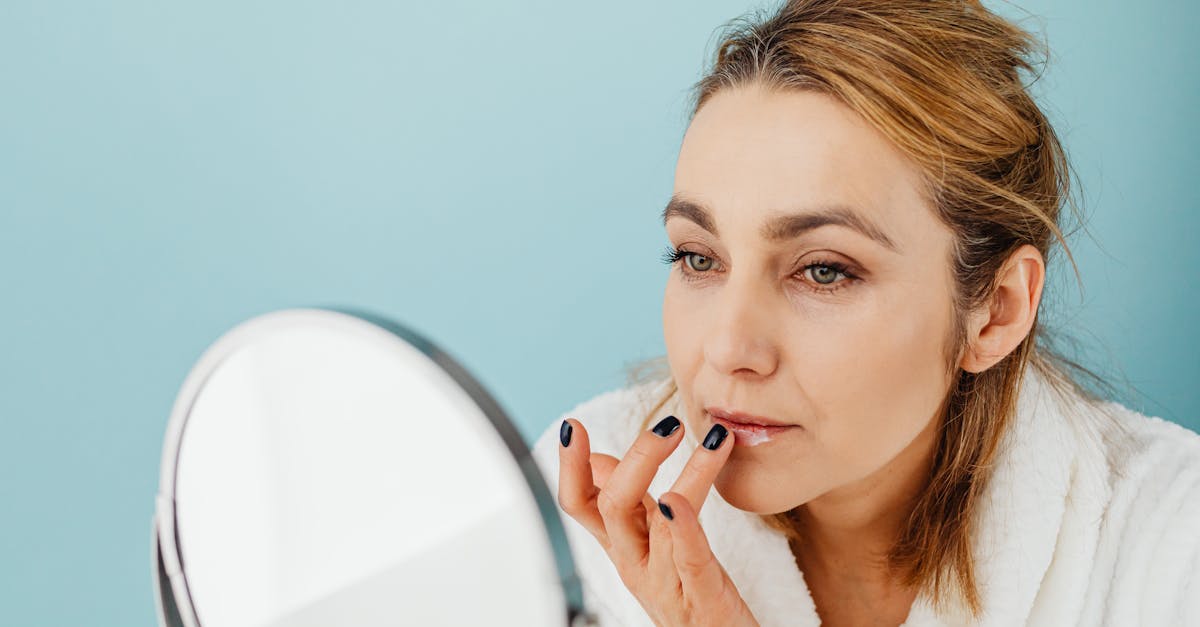
Lip Balm SPF15 Tropical Punch Flavored is a topical prophylactic agent utilized to protect the vulnerable mucosa of the lips from ultraviolet radiation damage. The primary side effects encountered by users are local dermatological reactions, including transient erythema, contact dermatitis, and mild hypersensitivity to the chemical sunscreens.
1. Introduction & Mechanism of Action of Oxybenzone and Octisalate
This photoprotective balm operates through the combined pharmacological action of two distinct chemical ultraviolet filters. Oxybenzone functions as a broad-spectrum absorber, actively intercepting both ultraviolet A and ultraviolet B radiation. The molecule absorbs the radiant energy and safely releases it as thermal energy.
Octisalate acts as a targeted ultraviolet B filter. Ultraviolet B wavelengths are the primary instigators of acute epidermal erythema and cellular DNA damage. The combination of these two agents in a lipid matrix provides a robust defensive barrier across the lip surface. The tropical punch flavoring serves purely as a cosmetic enhancement and does not interfere with the ultraviolet absorbing properties of the active ingredients.
2. Warnings & Before Applying Lip Balm SPF15 Tropical Punch Flavored
Usage of this specific protectant is contraindicated in any individual with a documented allergy to salicylates or benzophenones. Patients with a known history of severe cosmetic allergies should perform a patch test on a small area of skin before applying the product directly to the highly sensitive labial tissue.
This lip balm must not be applied to actively bleeding fissures, severe thermal injuries, or active herpetic vesicles on the mouth. The application of chemical filters to an inherently compromised epidermal barrier will result in profound stinging and an increased rate of systemic chemical absorption.
3. Indications & Dosage Guide for Sunscreen Lip Balms
The medical indication for this product is the strict prevention of ultraviolet-induced actinic damage and sunburn on the lips. It is designed for daily prophylactic use in environments presenting moderate to high solar radiation.
Correct dosage mandates the liberal application of the balm to both the upper and lower lips fifteen minutes before solar exposure. Because the physical barrier degrades rapidly through mechanical friction, strict reapplication every two hours is medically required. Reapplication must occur immediately after eating, drinking, or heavy perspiration to maintain the SPF15 efficacy.
4. In-Depth Side Effects Analysis of Oxybenzone and Octisalate
The transitional epithelium of the lips is extremely thin and highly vascularized, making it more prone to localized chemical irritation than standard cutaneous tissue. Side effects are heavily localized to the application site.
Common Side Effects
Users commonly experience immediate, mild stinging upon applying the product to slightly chapped lips. A subtle sensation of thermal warmth is frequently reported as the active chemical filters perform their function of converting ultraviolet light into heat. Minor, transient drying of the vermilion border is also a standard observation.
Serious Side Effects you should report
Acute allergic contact dermatitis is a severe side effect that mandates the immediate cessation of the lip balm. Clinical signs include rapid and severe edema of the lips and perioral skin. The eruption of painful, fluid-filled vesicles, or intense unyielding pruritus indicates a severe localized immune response requiring medical care.
Rare Side Effects
A rare idiosyncratic complication associated with oxybenzone is photoallergic contact dermatitis. In this unique hypersensitivity reaction, the chemical alone is tolerated, but the combination of the chemical and subsequent ultraviolet exposure triggers an intense, pruritic, eczematous rash strictly on the sun-exposed perioral areas.
Side effects that usually do not require medical attention
Slight peeling of the superficial lip epithelium or minor alterations in taste due to the tropical punch flavor migrating into the oral cavity are benign phenomena. These minor issues generally resolve spontaneously without requiring any clinical intervention.
| Side Effect Category | Specific Symptoms |
|---|---|
| Common Local Reactions | Mild stinging, temporary warmth, superficial dryness |
| Severe Hypersensitivity | Profound lip swelling, blistering, severe pruritus |
| Photoallergy | Ultraviolet-induced rash localized to the mouth area |
5. Overdose Symptoms and Accidental Ingestion
Systemic pharmacological toxicity via topical application to the lips is entirely improbable. The principal risk of overdose is associated exclusively with the accidental gastrointestinal ingestion of the lip balm tube contents.
Ingestion of the lipid base and chemical filters will typically induce mild gastrointestinal distress. Symptoms of oral ingestion include nausea, minor abdominal discomfort, and a persistent artificial tropical taste. The standard management is oral hydration to dilute the agents. Should a pediatric patient ingest the product and present with severe vomiting or lethargy, immediate contact with a poison control center is necessary.
6. Missed Dose & What to Avoid While Using SPF15 Lip Balm
This chemical protectant is utilized on an as-needed basis in response to sun exposure, making traditional missed dose parameters inapplicable. If an application is overlooked prior to sun exposure, it must be applied immediately upon realization.
Patients must avoid layering this product over potent topical medications without medical guidance. The concurrent use of harsh topical treatments such as fluorouracil cream for actinic keratosis on the face must be managed carefully, as the chemical sunscreens can exacerbate the severe inflammatory response typical of such chemotherapeutic agents.
7. Drug & Alcohol Interactions with Topical UV Filters
Clinically meaningful pharmacokinetic interactions between topically applied oxybenzone or octisalate and systemic oral pharmaceuticals are essentially non-existent due to the lack of significant systemic absorption.
Caution is required when co-administering other localized labial treatments. If a patient is utilizing a topical anesthetic for a mouth ulcer, the anesthetic must be completely absorbed prior to the application of the sunscreen balm. Alcohol ingestion does not directly interact with the topical chemical filters, although systemic dehydration caused by alcohol can worsen baseline lip dryness.
8. Precautions, Safety & Duration of Action for SPF15 Lip Protection
The sun protection factor of fifteen provides continuous ultraviolet defense for a maximum of two hours under standard conditions. The physical degradation of the wax matrix through talking and licking the lips acts as the primary limiting factor for the duration of action.
Regulatory dermatological safety assessments confirm the viability of oxybenzone and octisalate for over-the-counter administration. Strict precaution is advised for infants under six months of age. Dermatological consensus dictates that infants should rely entirely on shade and physical clothing barriers rather than any chemical sunscreen application.
9. How to Stop Using the Product & Storage/Disposal Guidelines
Discontinuing the use of this protective balm requires no physiological tapering. The user may cease application instantly without risking withdrawal symptoms or a rebound increase in solar sensitivity.
Proper thermal storage is imperative to maintain the pharmacological efficacy of the chemical filters. The product must be stored at a stable room temperature. Prolonged exposure to extreme heat, such as inside a sunlit vehicle, will liquefy the matrix and permanently degrade the ultraviolet absorbing properties. Expired units should be discarded in regular household waste.
10. When to See a Doctor Regarding Lip Irritation
Immediate medical evaluation is critical if the user develops severe perioral swelling that compromises breathing, eating, or normal speech. The emergence of deep, bleeding fissures or persistent ulcerations that do not heal upon discontinuation of the product also requires professional dermatological assessment.
If an allergic erythematous rash extends significantly beyond the vermilion border onto the facial epidermis, clinical intervention is warranted. In cases of severe acute contact dermatitis, a physician may intervene with prescription-strength topical corticosteroids to suppress the localized immune reaction.
Frequently Asked Questions (FAQ)
1. Can the tropical punch flavoring cause lip irritation?
Yes. While the active chemical filters are the primary cause of irritation, the artificial fragrances and flavorings used to create the tropical punch scent are known sensitizers and can trigger allergic contact dermatitis in susceptible individuals.
2. Does this product protect against the virus that causes cold sores?
It protects indirectly. Ultraviolet radiation suppresses local immunity and triggers the reactivation of the herpes simplex virus. By blocking the ultraviolet rays, this product helps reduce the incidence of sun-triggered cold sores.
3. Why do I need to apply it fifteen minutes before going outside?
The chemical filters require approximately fifteen minutes to properly bind to the epidermal layer of the lips to form a completely even and effective ultraviolet-absorbing barrier.
4. Is there a difference between SPF15 and SPF30 for the lips?
SPF15 blocks approximately 93 percent of ultraviolet B rays, while SPF30 blocks about 97 percent. While SPF15 is adequate for minor exposure, dermatologists generally recommend SPF30 for prolonged outdoor activities.
5. Will swallowing small amounts of this balm while eating harm me?
No. The incidental ingestion of minute quantities of the product that transfer to food or drink is anticipated by the manufacturer and is entirely safe.
6. Can I use this lip balm if I have a sunburn on my lips already?
It is not recommended. Applying chemical filters like oxybenzone directly to acutely sunburned, inflamed skin can cause intense burning and exacerbate the localized pain. A soothing physical barrier is preferred until the burn heals.
7. Does this lip balm expire?
Yes. The chemical filters degrade over time, losing their ability to absorb ultraviolet radiation. You should adhere strictly to the expiration date printed on the packaging to ensure adequate protection.
8. Can I use this product as a base for my matte lipstick?
Yes, but you must allow the sun protection lip balm to fully absorb and dry for several minutes before applying cosmetic lipsticks to ensure the protective barrier is not physically wiped away.
9. Why does my lip balm feel gritty after being left in the car?
If the product melts in high heat and then resolidifies, the wax and chemical components can separate and crystallize, leading to a gritty texture and potentially compromising the even distribution of the sun protection.
Bibliography
Disclaimer: The content is for informational purposes only and does not replace medical advice. Always consult your doctor or pharmacist for personalized treatment.