Lm Plus Relief combines the numbing properties of lidocaine with the counterirritant effects of menthol to alleviate acute musculoskeletal pain. The most frequent side effect is a localized burning or stinging sensation, which can escalate to severe chemical burns if combined with external heat sources.
1. Introduction and Mechanism of Action of Lm Plus Relief
This topical formulation provides localized analgesia through a synergistic, dual-action pharmacological mechanism. Lidocaine operates as an amide-type local anesthetic. It selectively binds to voltage-gated sodium channels on the membranes of peripheral sensory neurons. By blocking the influx of sodium ions, lidocaine entirely halts the generation and conduction of nerve impulses, effectively silencing the pain signals originating from the application site.
Menthol functions as a potent counterirritant. It specifically targets and stimulates TRPM8 receptors within the dermal tissue, which are the primary receptors responsible for detecting cold environmental temperatures. This selective stimulation creates a profound, localized cooling sensation.
The intense cooling sensation generated by menthol distracts the central nervous system from processing deeper musculoskeletal pain signals, a phenomenon explained by the gate control theory of pain. Together, the active anesthetic blockade of lidocaine and the sensory distraction of menthol provide rapid, symptomatic relief for localized discomfort without heavily impacting systemic neural pathways.
2. Important Warnings Before Taking Lm Plus Relief
Patients with a known clinical hypersensitivity to amide local anesthetics or menthol derivatives must strictly avoid using this formulation. Cross-reactivity can trigger severe allergic contact dermatitis or systemic anaphylaxis in highly sensitized individuals.
This medication must never be applied to compromised epidermal barriers. Applying Lm Plus Relief to open wounds, severe abrasions, or active eczema allows both the lidocaine and the menthol to bypass the stratum corneum. This causes excruciating chemical pain and permits the rapid systemic absorption of lidocaine, elevating the risk of severe cardiovascular toxicity.
CRITICAL WARNING: Patients must strictly avoid the concurrent use of heating pads, hot water bottles, or hot compresses over the treated area. Heat induces profound vasodilation, which not only accelerates the systemic absorption of lidocaine to toxic levels but also acts synergistically with menthol to cause severe, full-thickness chemical burns.
3. Indications and Dosage Guide for Lm Plus Relief
Lm Plus Relief is clinically indicated for the temporary management of minor aches and pains associated with arthritis, simple backache, muscle strains, sprains, and bruises. It provides acute, localized symptomatic management rather than resolving underlying systemic pathology or joint degradation.
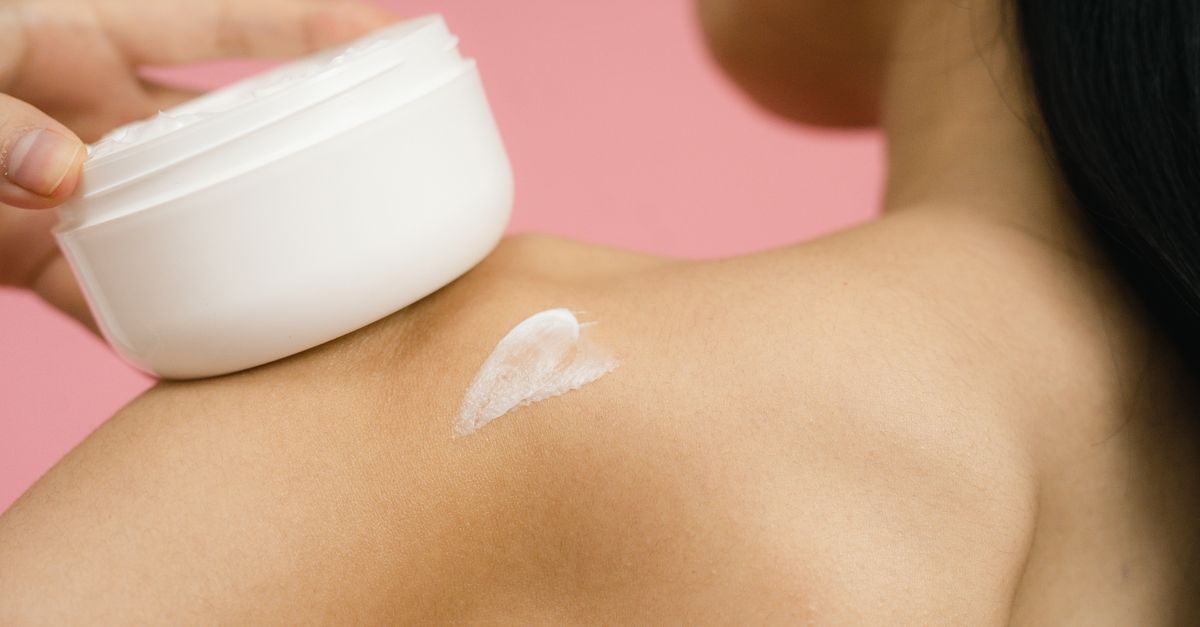
Adults and children over twelve years of age should apply a thin, uniform layer of the medication directly to the affected area. The formulation must be gently massaged into the skin until completely absorbed. Application must not exceed three to four times within a strict twenty-four-hour period to prevent toxic systemic accumulation.
Immediately following application, patients must wash their hands thoroughly with soap and warm water. Inadvertent transfer of the medication to the face, ocular structures, or highly permeable mucous membranes will result in severe stinging and unintended localized anesthesia.
4. In-Depth Side Effects Analysis of Lm Plus Relief
While providing excellent localized relief, the potent combination of an anesthetic and a rubefacient counterirritant carries distinct dermatological and systemic risks.
Common Side Effects
The most anticipated reaction is a pronounced, transient sensation of cold followed by a mild stinging or tingling feeling. This indicates the pharmacological activation of the TRPM8 receptors by menthol. Patients frequently experience localized erythema at the application site due to the mild vasodilatory properties of the formulation.
Serious Side Effects You Should Report
The sudden development of agonizing burning pain, marked swelling, or fluid-filled blistering denotes a severe chemical burn requiring immediate cessation of the drug and emergency wound care. Furthermore, the onset of severe dizziness, ringing in the ears, or a metallic taste indicates systemic lidocaine toxicity, a critical medical emergency requiring immediate intervention.
Rare Side Effects
In exceedingly rare instances involving chronic overuse, localized tissue necrosis has occurred. Prolonged exposure to high concentrations of menthol and lidocaine under occlusive conditions can completely destroy the epidermal barrier and underlying vascular structures.
Side Effects That Usually Do Not Require Medical Attention
Mild skin flaking or dryness may occur after several days of repeated use due to the alcohol or gel base often utilized in these formulations. Discontinuing the medication and applying a neutral emollient typically resolves the dryness without medical intervention.
| Side Effect Category | Specific Symptoms |
|---|---|
| Dermatological (Common) | Redness, tingling, intense cold sensation |
| Dermatological (Serious) | Severe burning, skin blistering, localized tissue damage |
| Systemic (Severe) | Tinnitus, dizziness, metallic taste (Lidocaine Toxicity) |
5. Recognizing an Overdose of Lm Plus Relief
A topical overdose of this formulation primarily manifests as local anesthetic systemic toxicity driven by the rapid systemic absorption of lidocaine. This typically occurs when patients apply the medication over massive surface areas, on compromised skin, or beneath tight, occlusive dressings.
Symptoms of systemic lidocaine toxicity begin with neurological hyperactivity. Patients may present with extreme anxiety, profound visual disturbances, perioral numbness, and sudden generalized seizures. Without immediate medical intervention, toxicity rapidly transitions to cardiovascular collapse, characterized by severe bradycardia, profound hypotension, and fatal arrhythmias.
Accidental oral ingestion is a severe pediatric emergency. Both menthol and lidocaine are highly toxic when ingested. Caregivers must contact emergency medical services immediately if oral ingestion is suspected. In a hospital setting, intravenous lipid emulsion therapy is the gold standard for reversing severe lidocaine-induced cardiac toxicity.
6. Missed Dose and What to Avoid While Using Lm Plus Relief
Because Lm Plus Relief is administered strictly on an as-needed basis for pain relief, a dosing schedule is unnecessary. If a patient requires further relief, they should reapply the medication only when the pain returns, strictly ensuring they do not exceed the maximum daily frequency limits.
Patients must never apply tight, non-breathable bandages or athletic tape directly over the treated area. Occlusion traps the volatile menthol compounds, causing severe localized irritation, and simultaneously increases skin hydration, forcing massive amounts of lidocaine into the systemic circulation.
Furthermore, avoid applying the medication immediately before or after a hot shower or strenuous exercise. Elevated body temperatures and increased peripheral blood flow exponentially increase drug absorption and heighten the risk of severe thermal reactions.
7. Drug and Alcohol Interactions with Lm Plus Relief
Patients concurrently taking class I antiarrhythmic medications, such as mexiletine, must consult a physician prior to use. These oral drugs share identical sodium-channel blocking mechanisms with lidocaine. Concurrent use can lead to severe, additive cardiac toxicity and destabilize the patient’s cardiac rhythm.
Combining this formulation with other topical anesthetics, or over-the-counter pain gels containing diclofenac, increases the cumulative risk of severe skin irritation and systemic toxicity. Multiple active topical agents must never be combined without direct medical supervision.
Moderate alcohol consumption generally does not interfere with the localized effects of the medication. However, heavy alcohol use impairs hepatic enzyme function, which delays the clearance of absorbed lidocaine and theoretically increases the risk of systemic accumulation.
8. Precautions, Safety, and Duration of Action for Lm Plus Relief
The analgesic and counterirritant effects typically manifest within five to ten minutes and persist for two to four hours. The lidocaine component metabolizes locally and systemically via hepatic cytochrome pathways before being excreted by the kidneys.
Pregnant women must exercise strict clinical caution. While limited topical use is generally acceptable, continuous application over large areas risks systemic absorption of lidocaine, which crosses the placental barrier. Nursing mothers must ensure the medication is never applied near the breast to prevent accidental neonatal ingestion.
Pediatric use requires extreme vigilance. Children under twelve years of age have exceptionally thin epidermal barriers, resulting in enhanced, rapid drug absorption. This medication must only be used in this age group under the strict, direct supervision of a healthcare provider.
9. How to Stop Taking Lm Plus Relief and Storage Guidelines
Patients can discontinue Lm Plus Relief immediately once their musculoskeletal pain subsides. There is no requirement for a tapering schedule, and neither lidocaine nor menthol produces physiological dependence or withdrawal syndromes upon cessation.
The medication must be stored in a cool, dry place strictly out of direct sunlight and away from intense heat sources. Menthol is a highly volatile compound; leaving the container unsealed or exposed to heat will cause the active ingredients to evaporate and destabilize the formulation.
Proper disposal is critical. Keep the medication entirely out of reach of children and domestic pets. Expired tubes should be securely discarded in household waste, ensuring the container cannot be punctured.
10. When to See a Doctor Regarding Lm Plus Relief
Patients should consult a physician if their muscular pain persists beyond seven days, worsens significantly, or is accompanied by systemic symptoms such as a high fever or profound lethargy. These signs indicate a severe underlying pathology requiring comprehensive medical diagnosis rather than topical numbing.
Seek immediate emergency medical attention if the skin develops large blisters, turns deeply purple, or exhibits extreme sloughing at the application site. These are clear signs of a serious chemical burn requiring specialized wound debridement.
If any early signs of systemic lidocaine toxicity occur, including uncontrollable muscle twitching, sudden confusion, or profound ringing in the ears, the patient must be evaluated immediately in an emergency department.
Frequently Asked Questions (FAQ)
1. Can I use a heating pad if my back still hurts after using this gel?
No. Applying external heat over the medication causes rapid systemic absorption of lidocaine and drastically increases the risk of severe, blistering chemical burns.
2. Is it safe to wrap my treated knee tightly with an athletic bandage?
You must strictly avoid tight plastic wraps or occlusive bandages. Covering the area traps heat and moisture, which dangerously increases the amount of lidocaine absorbed into your body.
3. How many times a day can I reapply the cream?
You should not apply the medication more than three to four times within a strict twenty-four-hour period to avoid toxic accumulation of lidocaine in your system.
4. Can I use this on my child’s sprained ankle?
It should not be used on children under twelve years of age unless explicitly directed by a pediatrician, due to the high risk of toxic lidocaine absorption through their thin skin.
5. Why does my skin feel like it is burning and freezing at the same time?
This is the intended pharmacological mechanism. The menthol strongly stimulates cold receptors in your skin, which distracts your brain from the deeper muscle pain.
6. Should I rub the ointment in completely?
Yes, gently massage a thin layer into the skin until it is fully absorbed, and then immediately wash your hands to avoid accidentally transferring the numbing agent to your eyes.
7. Why do I taste metal in my mouth after applying the cream?
A metallic taste in the mouth is a critical warning sign that too much lidocaine has entered your bloodstream. Wash the cream off immediately and seek urgent medical attention.
Bibliography
Disclaimer: The content is for informational purposes only and does not replace medical advice. Always consult your doctor or pharmacist for personalized treatment.