
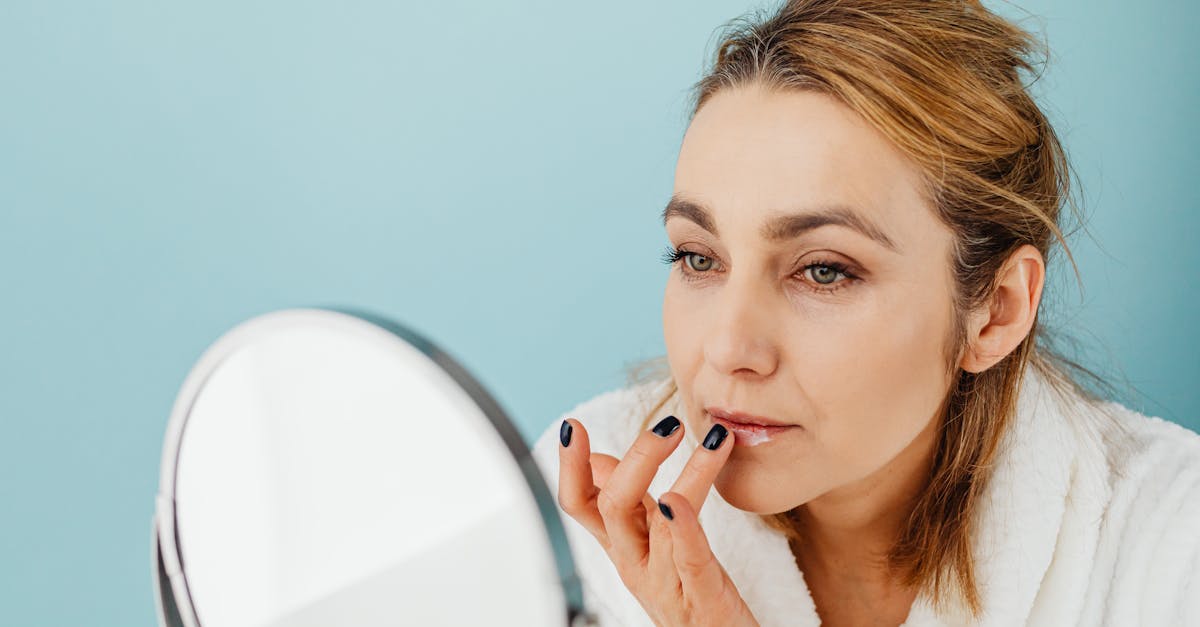
Medicated Herbal Lip Balm containing menthol is a topical analgesic and counter-irritant designed to soothe severely chapped and inflamed labial tissue. The most common side effect is localized stinging upon initial application, which can progress to contact cheilitis with chronic overuse.
1. How Medicated Herbal Lip Balm Works in the Body
Menthol is a naturally occurring cyclic terpene alcohol predominantly extracted from peppermint oils. When applied topically to the lips, it acts as a highly effective counter-irritant and mild local anesthetic. Its primary mechanism of action involves the direct stimulation of the TRPM8 receptors located on the sensory nerve endings in the skin.
The TRPM8 receptor is the primary molecular transducer for cold somatosensation. By chemically activating this receptor, menthol tricks the nervous system into perceiving a profound cooling sensation without actually lowering the tissue temperature. This cooling effect actively overrides and distracts the brain from processing the underlying pain, burning, and pruritus associated with severely cracked and peeling lips.
In addition to its analgesic properties, menthol acts as a mild vasodilator. It temporarily increases localized cutaneous blood flow, which contributes to the characteristic tingling sensation. The herbal lip balm base typically contains heavy waxes and lipids that seal the labial mucosa, preventing further transepidermal water loss and allowing the tissue to heal underneath the protective barrier.
2. Critical Warnings Before Using Medicated Herbal Lip Balm
Patients with a known hypersensitivity to menthol or other mint derivatives must strictly avoid using this product. Allergic contact cheilitis can develop rapidly, transforming minor dryness into severe swelling, blistering, and intense burning of the lips.
This medicated balm is intended solely for external use on the lips. It must never be applied internally, ingested in large quantities, or applied near the delicate mucosal tissues of the eyes. If the mentholated wax is accidentally transferred to the eyes, it will cause intense burning, tearing, and mechanical irritation. Immediate irrigation with cool water is required.
A critical clinical warning regarding menthol lip balms is the risk of a rebound drying effect. While menthol provides immediate symptomatic relief, continuous, obsessive application can actively strip the lips of their natural moisture barrier. This creates a cycle of dependency where the patient feels compelled to apply the balm constantly to relieve the dryness caused by the product itself.
3. Indications and Proper Dosage for Medicated Herbal Lip Balm
Medicated Herbal Lip Balm is indicated for the temporary relief of pain, itching, and severe dryness associated with chapped lips, minor lip fissures, and cold sores. It is highly effective for protecting labial tissue against harsh environmental factors like freezing wind and dry indoor heating.
Proper dosage requires applying a thin, even layer directly to the affected labial tissue. It is generally recommended to apply the balm no more than three to four times daily. The patient should smooth the wax over the entire surface of the upper and lower lips, ensuring the fissures are adequately coated.
For optimal therapeutic results, patients should apply the balm before exposure to extreme weather and immediately after washing the face or eating, as these activities naturally strip moisture from the mouth area.
4. In-Depth Side Effects Analysis of Medicated Herbal Lip Balm
Topical menthol is generally recognized as safe for superficial use, but its highly stimulating nature frequently causes localized adverse reactions, particularly when applied to compromised mucosal tissue.
| Side Effect Category | Specific Symptoms |
|---|---|
| Sensory & Dermatological | Stinging, intense burning sensation, rebound dryness |
| Allergic | Contact cheilitis, localized erythema, lip swelling |
| Gastrointestinal | Mild nausea if large amounts of the wax are swallowed |
Common Side Effects
Almost all users will experience a strong cooling, tingling, or mild stinging sensation immediately upon application. This is the intended pharmacological action of the menthol. However, some patients also experience a temporary exacerbation of redness around the vermilion border due to localized vasodilation.
Serious Side Effects You Should Report
Any signs pointing to severe allergic contact cheilitis demand immediate discontinuation of the product. Symptoms include profound swelling of the lips extending into the surrounding facial tissue, the formation of weeping blisters, and intractable burning pain. Systemic allergic reactions presenting as throat tightness or generalized hives are extremely rare but require emergency medical intervention.
Rare Side Effects
Chronic, obsessive use of mentholated balms can lead to a condition known as exfoliative cheilitis, where the lips continuously peel in thick sheets. This is driven by the constant irritation of the menthol disrupting the natural keratinization process of the labial tissue.
Side Effects That Usually Do Not Require Medical Attention
The initial tingling and intense cooling effect that lasts for roughly twenty to thirty minutes is entirely benign. Minor flaking as the dead skin sheds is also a normal part of the healing process and requires no medical attention.
5. Symptoms of Menthol Overdose and Necessary Actions
Topical overdose on the lips is unlikely to cause systemic toxicity, but excessive application will lead to severe localized irritation, bright red inflammation, and intense pain. If the lips become excessively painful, the patient should gently wipe off the medicated balm with a soft cloth and apply plain white petrolatum to soothe the tissue.
Accidental ingestion of a single tube of lip balm by a child can cause mild menthol toxicity. Symptoms of oral ingestion include nausea, vomiting, abdominal pain, and a strong peppermint odor on the breath. In severe cases of massive ingestion, menthol can cause central nervous system depression. If a child consumes the lip balm, the caregiver must wipe out the mouth, offer water, and contact a poison control center immediately.
6. Managing a Missed Dose of Medicated Herbal Lip Balm and What to Avoid
Because this is an as-needed topical analgesic, there is no strict dosing schedule to miss. If the lips feel dry or painful, the patient should simply apply the balm.
Patients must actively avoid peeling, biting, or picking at the flaking skin on their lips while using this treatment. Removing the skin prematurely exposes raw nerve endings, making the menthol burn intensely and delaying the healing process. Furthermore, patients should avoid licking their lips, as the digestive enzymes in saliva aggressively break down the protective wax barrier and worsen the dehydration.
7. What Drugs Interact with Medicated Herbal Lip Balm?
Systemic drug interactions with topical menthol lip balm are highly improbable due to the extremely limited surface area of application and poor systemic absorption.
However, patients currently undergoing systemic treatment with drugs that cause severe mucosal dryness, like oral isotretinoin, should exercise caution. Isotretinoin causes extreme, painful cheilitis. Applying highly stimulating menthol to isotretinoin-damaged lips will cause excruciating stinging rather than relief. These patients are generally advised to use bland, unmedicated ointments.
8. Safety Precautions and Duration of Action for Medicated Herbal Lip Balm
A simple safety precaution for individuals with highly sensitive skin is to apply a tiny amount of the balm to the corner of the mouth and wait fifteen minutes to gauge the intensity of the tingling sensation before coating the entire lip.
The analgesic and cooling duration of action for menthol is relatively short, typically lasting thirty to forty-five minutes before the sensory receptors down-regulate. However, the protective lipid barrier provided by the waxes in the balm will remain in place for several hours, depending on eating, drinking, and speaking habits.
9. Discontinuing and Storing Medicated Herbal Lip Balm Safely
Patients should discontinue the medicated balm once the severe cracking and pain have resolved, transitioning to a bland, non-mentholated lip protectant for daily maintenance to prevent rebound drying.
Proper storage is necessary to maintain the structural integrity of the stick. The balm must be stored at room temperature and kept strictly out of direct sunlight or hot vehicles. The waxes will melt rapidly at elevated temperatures, causing the product to liquefy and separate, which destroys its protective properties.
10. When to Seek Medical Attention for Menthol Side Effects
Medical attention is required if the patient develops severe swelling of the lips, tongue, or throat, indicating an acute hypersensitivity reaction.
A clinical consultation is also necessary if the lip fissures fail to heal after two weeks of treatment, or if the lesions begin to ooze yellow fluid or form golden crusts. These symptoms strongly suggest a secondary bacterial infection like impetigo, or a viral herpes simplex outbreak, which require specific prescription antiviral or antibiotic therapies.
Frequently Asked Questions (FAQ)
1. Why does this lip balm sting when I put it on?
The menthol in the formula actively stimulates nerve endings to provide a cooling effect, which can feel like a sharp sting when applied to raw, open fissures.
2. Can I use this balm every day, year-round?
It is not recommended. Daily, continuous use of menthol can cause a rebound drying effect. It should be used as a temporary treatment for acute chapping.
3. Is it safe if I accidentally swallow some while eating?
Yes, swallowing trace amounts of the balm while eating or drinking is entirely safe and will not cause any systemic toxicity.
4. Can I use this on a cold sore?
The menthol can provide temporary pain relief for the burning associated with cold sores, but it will not treat the underlying viral infection.
5. Will this balm make my lips look bigger?
The localized vasodilation caused by menthol can temporarily increase blood flow, making the lips look slightly flushed and mildly plumped for a short duration.
6. Why do my lips feel drier after the tingling stops?
Menthol is highly volatile and can strip moisture as it evaporates. Ensure you are not over-applying the product.
7. Is this safe to use on young children?
Menthol can be too intensely stimulating for toddlers and infants. Consult a pediatrician before using medicated lip products on young children.
Bibliography
Disclaimer: The content is for informational purposes only and does not replace medical advice. Always consult your doctor or pharmacist for personalized treatment.

