Meridian Warpped Antibacterial Deodorant 1.25 is an intermediate-sized topical cosmetic agent formulated with benzethonium chloride to actively suppress odor-causing axillary microflora. It acts as a cationic surfactant that rapidly degrades bacterial cell membranes, and its most frequently reported side effect is mild epidermal desiccation or localized irritant contact dermatitis restricted to the application site.
1. Introduction and Mechanism of Action for Meridian Warpped Antibacterial Deodorant 1.25
The clinical and cosmetic efficacy of this 1.25-ounce deodorant relies entirely upon the biochemical properties of benzethonium chloride. This active molecule serves as a synthetic quaternary ammonium salt. The axillary vault provides a dark and humid biological environment, which is highly conducive to the proliferation of the Corynebacterium genus. These bacteria metabolize odorless apocrine sweat and convert it into the volatile fatty acids responsible for bromhidrosis.
Upon topical application via the cosmetic stick, the positively charged benzethonium chloride molecules rapidly bind directly to the negatively charged lipid bilayer membranes of the colonizing axillary bacteria. Once physically attached, the active surfactant disrupts the structural integrity of the bacterial cellular membrane, inducing significant cellular permeability.
This chemical interference effectively destroys the bacterial cellular architecture, resulting in immediate intracellular fluid leakage and bacterial cell lysis. By aggressively clearing the physical bacterial populations within the underarm, the active agent successfully neutralizes existing body odor and prevents the biological synthesis of new malodor compounds.
2. Warnings and Before Taking Meridian Warpped Antibacterial Deodorant 1.25
Prior to initiating a daily dermatological personal hygiene routine with this active chemical deodorant, a strict clinical assessment of the axillary skin integrity is mandatory. This formulation is strictly indicated for application on structurally sound and healthy epidermis. Applying this potent surfactant directly over deep shaving lacerations, weeping eczematous plaques, or chafed skin is fundamentally contraindicated, as it guarantees severe acute chemical irritation.
Patients possessing a documented clinical allergy to quaternary ammonium compounds or specific synthetic cosmetic fragrances must completely avoid this topical formulation. The introduction of concentrated topical benzethonium chloride to a hypersensitive patient can rapidly trigger an acute allergic contact dermatitis. This severe reaction is defined by acute axillary edema, unremitting pruritus, and expanding erythema requiring immediate product cessation.
Furthermore, this solid stick must be stringently avoided near the delicate ocular cavity and inner mucosal membranes. The chemical formulation acts as a chemical irritant to the delicate conjunctiva. Inadvertent ocular exposure via contaminated fingers will provoke intense burning, demanding immediate and sustained flushing with sterile cool water to prevent superficial corneal damage.
3. Indications and Dosage Guide for Meridian Warpped Antibacterial Deodorant 1.25
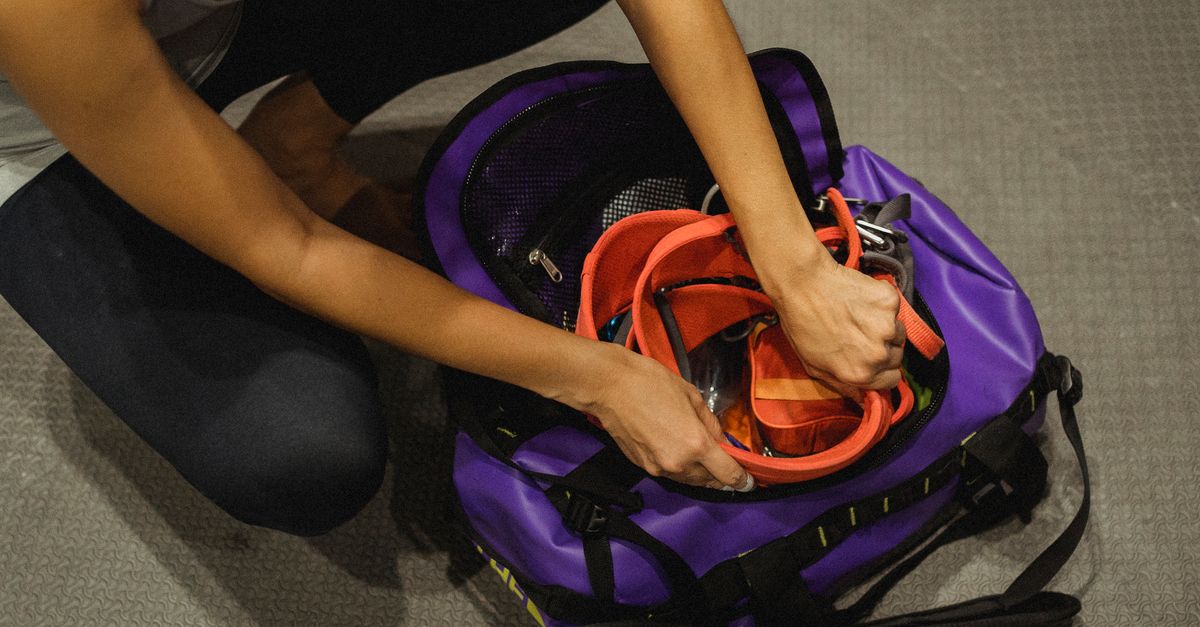
This sophisticated formulation is clinically indicated as a localized therapeutic cosmetic intervention designed to actively manage axillary bacterial overgrowth and subsequent bromhidrosis. Its 1.25-ounce size functions as an ideal, portable targeted preventative step for gym bags or intermediate travel management protocols.
Administration is strictly confined to highly localized topical application in the underarm region. Clinical application mandates swiping a thin and highly uniform layer across the thoroughly cleansed and completely dried affected area exactly once daily. Applying the solid product to damp skin alters localized adherence and significantly dilutes the active surfactant, reducing its clinical antimicrobial efficacy.
Because this formulation functions strictly as a chemical antimicrobial agent rather than a pore-blocking antiperspirant, the patient must exercise strict caution regarding application volume. Using excessive layers of the deodorant solid will not accelerate the clearing of the odor but will drastically increase the severity of localized chemical irritation and mechanical pore occlusion, compromising the delicate epidermal moisture barrier.
4. In-Depth Side Effects Analysis of Meridian Warpped Antibacterial Deodorant 1.25
When strict topical application is exclusively maintained on the targeted epidermal surface, benzethonium chloride exhibits a highly robust clinical safety profile. Adverse physiological reactions are overwhelmingly restricted to expected, highly localized cutaneous phenomena directly related to its potent surfactant actions.
Common Side Effects
The most universally reported adverse effect is marked localized epidermal desiccation. The concentrated chemical acts as an aggressive surfactant, actively stripping away the superficial lipid matrix of the sensitive axillary skin. This physiological action frequently precipitates minor localized xerosis, superficial cutaneous flaking, and a pronounced physical sensation of mild stinging or structural tightness immediately following application.
Serious Side Effects You Should Report
Urgent specialized dermatological intervention is required if the patient manifests symptoms strongly indicating an acute severe hypersensitivity reaction. Diagnostic red flags include the sudden eruption of weeping vesicular lesions, entirely unremitting deep axillary pain, and expanding erythema that actively tracks down the inner arm beyond the initial application borders.
Rare Side Effects
Under specific application conditions, particularly when continuously applied heavily over consecutive days without proper evening cleansing, chronic daily application can mechanically occlude the apocrine glands. This physical trauma can precipitate severe localized hidradenitis suppurativa flares or profound structural barrier failure, manifesting as deep painful subcutaneous cystic nodules.
Side Effects That Usually Do Not Require Medical Attention
A brief localized physical sensation of mild warmth or active tingling restricted to the initial sixty seconds of application is a completely standard benign physiological response to the chemical surfactant and requires no clinical evaluation. Minor redness from the physical friction of the solid stick that fades rapidly within the hour is a purely superficial occurrence.
| Side Effect Category | Specific Symptoms |
|---|---|
| Common | Mild epidermal desiccation, superficial cutaneous flaking, localized transient stinging |
| Serious | Allergic contact dermatitis, weeping vesicular lesions, expanding erythema |
| Rare | Mechanical gland occlusion, hidradenitis suppurativa flares, deep cystic nodules |
5. Overdose Symptoms of Meridian Warpped Antibacterial Deodorant 1.25 and What to Do
A systemic pharmacological overdose achieved via the routine localized topical application of this 1.25-ounce stick on small areas of the axilla is a physiological impossibility. The deeply intact stratum corneum severely restricts the massive percutaneous absorption required to achieve dangerous systemic quaternary ammonium toxicity.
However, acute systemic toxicity can theoretically occur if significant volumes of the concentrated cosmetic solid are inappropriately consumed through accidental oral ingestion. Symptoms of systemic ingestion of cationic surfactants include severe continuous vomiting, acute confusion, profound lethargy, systemic hypotension, and gastrointestinal mucosal burning.
If an accidental ingestion rapidly occurs, particularly involving a highly vulnerable pediatric patient, immediate urgent contact with emergency medical services or a specialized regional poison control center is mandatory. Caregivers must never forcefully induce emesis. Clinical intervention focuses on the immediate provision of supportive care and aggressive fluid hydration to manage the severe systemic toxicity and mucosal trauma.
6. Missed Dose and What to Avoid While Using Meridian Warpped Antibacterial Deodorant 1.25
Because this topical chemical deodorant is applied purely on a strictly scheduled daily personal hygiene basis, the clinical concept of a missed dose equates to a temporary lapse in active bacterial clearing. If a patient neglects to apply the stick, they should rapidly resume the standard daily application routine as soon as possible without attempting to double the applied volume.
While actively utilizing this specialized formulation, patients must meticulously avoid the concurrent immediate application of abrasive physical exfoliants or other active chemical agents. Layering multiple aggressive chemical agents simultaneously increases the rapid percutaneous destruction rate, elevating the risk of severe deep chemical burning and profound epidermal barrier failure in the highly sensitive axilla.
Furthermore, patients should avoid applying the deodorant immediately post-shaving. The active chemical surfactant rapidly infiltrates the microscopic dermal lacerations caused by a razor blade, leaving the newly exposed underlying epidermis extremely vulnerable to severe rapid acute chemical burning and permanent painful irritation.
7. Drug and Alcohol Interactions with Meridian Warpped Antibacterial Deodorant 1.25
When rigorously applied as an external localized topical cosmetic treatment, the potent benzethonium chloride presents zero pharmacokinetic interactions with systemically administered prescription medications. Patients actively utilizing chronic systemic therapies can safely apply this localized deodorant without fear of internal systemic drug interference.
Topical highly localized medicinal interactions on the superficial epidermis form the primary clinical concern. The occlusive nature of the waxy deodorant base will rapidly chemically interact with and potentially completely block other topically applied active prescription medications. If a patient is utilizing a prescription topical antifungal such as ketoconazole cream, the active ingredients must be widely spaced apart into entirely separate morning and evening routines.
Systemic heavy continuous alcohol consumption does not biochemically interfere directly with the localized physical antimicrobial mechanisms of the topical stick. However, heavy systemic alcohol intake acts as a profound systemic vasodilator, drastically increasing active physiological perspiration. Heavy diaphoresis will rapidly wash away the protective cosmetic chemical barrier, necessitating frequent reapplication to prevent odor.
8. Precautions, Safety, and Duration of Action for Meridian Warpped Antibacterial Deodorant 1.25
A paramount clinical precaution involves the strict necessity of a comprehensive daily cleansing protocol precisely at the end of the day. Because the chemical deodorant explicitly utilizes water-resistant heavy waxes to adhere to the target area, failing to thoroughly cleanse the axilla with a lipid-dissolving soap will inevitably lead to chronic barrier dysfunction and massive painful pore blockages.
The pharmacological onset of antimicrobial action requires only seconds of direct physical contact to actively dissolve the impacted bacterial colonies. This timeframe allows the active surfactant to securely destroy the biological bacterial environment. The therapeutic effective duration of a single application is clinically active for approximately twelve to twenty-four continuous hours, highly dependent on individual metabolic rates.
The general safety profile for highly sensitive pregnant and lactating patients requires specialized clinical consultation. While the superficial localized application of benzethonium chloride is generally deemed acceptable by most dermatological guidelines, patients must strictly limit the application to small intact areas to ensure percutaneous absorption remains clinically negligible.
9. How to Stop Taking Meridian Warpped Antibacterial Deodorant 1.25 and Storage Guidelines
Cessation of this targeted chemical deodorant therapy can be executed immediately without implementing any complex physiological tapering protocol. The epidermal tissue does not develop any cellular physiological dependence on topical antibacterial cosmetic agents. However, sudden abrupt cessation will instantly subject the axilla to a rapid explosion of bacterial repopulation and the immediate return of severe biological body odor.
The 1.25-ounce product stick must be stored strictly at a highly stable controlled room temperature, entirely shielded from direct continuous environmental sunlight and severe thermal heat sources. Exposure to extreme heat inside a closed vehicle or gym bag will severely melt the active solid formulation, destroying the complex product matrix and rendering the stick permanently ineffective.
The active deodorant stick must be completely stored securely out of the physical reach of young pediatric children to prevent unauthorized access and the catastrophic risk of accidental ocular exposure or oral ingestion. Disposal of the entirely depleted container must align rigorously with local municipal recycling guidelines.
10. When to See a Doctor Regarding Meridian Warpped Antibacterial Deodorant 1.25
Immediate urgent medical intervention is strictly required if the patient inadvertently introduces a significant volume of the concentrated deodorant residue directly into the ocular cavity via contaminated fingers and experiences severe agonizing eye pain that fails to resolve after aggressive fifteen-minute sterile flushing. This presentation strongly indicates a physical corneal chemical burn.
Patients must also urgently seek a specialized complex dermatological evaluation if they aggressively develop clinical signs of an acute severe generalized allergic reaction. Diagnostic indicators include rapidly expanding severely painful deep erythema, massive axillary edema, or the sudden violent eruption of severe weeping lesions confined to the treated areas.
Finally, an immediate medical diagnostic assessment is strictly required if the patient suddenly develops aggressive and deeply painful subcutaneous cystic nodules in the underarm despite weeks of rigorous perfectly timed application. This highly unexpected presentation strongly suggests a severe underlying bacterial lymph node infection requiring thorough clinical antibiotic investigation.
Frequently Asked Questions (FAQ)
1. How exactly does this 1.25-ounce stick function to stop body odor?
Benzethonium chloride acts like a highly targeted microscopic chemical weapon. When applied, it actively dives directly onto the bacteria living in your underarm. Once attached, it physically destroys the bacterial cell wall, killing the organism entirely so it can no longer digest your sweat and create foul odors.
2. Is it entirely normal for my sensitive skin to visibly peel or flake right after I use the deodorant for weeks?
Yes. A brief highly visible mild peeling or localized intense superficial flaking is a completely normal physiological reaction. It strictly means the active chemical surfactant has successfully stripped away superficial dead skin cells and surface lipids, leaving the area physically dry.
3. Can I aggressively apply this standard deodorant strictly immediately after shaving my underarms?
Absolutely not. Shaving drastically damages your delicate skin barrier, aggressively creating thousands of microscopic cuts. Applying a harsh chemical surfactant immediately causes excruciating chemical burns and deep agonizing stinging inside the open cuts.
4. Will this targeted solid stick bleach or artificially lighten my natural underarm skin tone?
No. Benzethonium chloride acts strictly as a chemical antimicrobial to deeply destroy bacteria. It completely possesses zero physiological bleaching agents and will never artificially alter your deep natural biological melanin production or baseline skin tone.
5. Does this protective product effectively stop me from sweating?
No. This is strictly a cosmetic antibacterial deodorant, absolutely not an antiperspirant. It aggressively allows your body to sweat naturally to regulate heat, while actively destroying only the specific bacteria that cause the sweat to smell foul.
6. How should I thoroughly remove this active deodorant layer safely at night?
You must strictly use a dedicated highly effective lipid-dissolving body wash in the shower. You must carefully ensure the skin is totally scrubbed free of the waxy residue, as leaving concentrated waxes on the skin drastically increases the severe risk of acute pore blockages and painful cysts.
7. Is it perfectly safe to use this heavy stick if I currently have actively bleeding popped cysts in my armpit?
If you currently suffer from deeply open or actively bleeding acne or hidradenitis lesions, you should completely avoid applying the active chemical deodorant directly into the open wound, as it will fiercely sting and aggressively delay active wound healing.
8. Do I have to aggressively reapply this active deodorant every few hours if I sweat heavily during a workout?
Yes. Heavy profuse sweating rapidly washes away your superficial protective waxy layer of the deodorant. This leaves your newly exposed delicate underlying epidermis extremely vulnerable to rapid acute bacterial repopulation and the immediate return of severe body odor.
9. Can the active chemical compounds suspended in this cosmetic product enter my central bloodstream?
When applied strictly to completely healthy localized small patches of intact skin, the deep systemic percutaneous absorption of benzethonium chloride is incredibly minimal and clinically insignificant, posing absolutely zero systemic health risks.
10. What should I immediately do if my axillary skin starts to chemically burn and intensely swell immediately after swiping?
This strongly indicates an acute allergic contact dermatitis to the active chemical or synthetic fragrances. You must immediately vigorously wash the area completely with a mild wash, discontinue the product, and apply a thick soothing barrier cream immediately.
Bibliography
Disclaimer: The content is for informational purposes only and does not replace medical advice. Always consult your doctor or pharmacist for personalized treatment.