1. Introduction & Mechanism of Action of Mist
Mist is a topical pharmacological formulation containing alcohol as the primary active ingredient, utilized extensively for its rapid and broad-spectrum antimicrobial properties. The most notable side effect of frequent topical alcohol application is significant localized skin dehydration, often progressing to irritant contact dermatitis.
Alcohol, functioning as a primary antiseptic agent, operates through the rapid denaturation of cellular proteins. When the mist contacts the skin, the alcohol molecules swiftly penetrate the cell walls of surface bacteria, fungi, and lipid-enveloped viruses. Once inside the microorganism, the chemical disrupts the structural integrity of vital proteins and essential enzymes, causing the pathogen to lose function and die almost instantaneously.
Furthermore, alcohol acts as a potent solvent for lipids. While this effectively dissolves the protective lipid envelopes of specific viruses, it simultaneously strips away the natural lipid barrier of the human stratum corneum. This dual action ensures high clinical efficacy in neutralizing surface pathogens but inherently compromises the moisture-retaining capacity of the treated epidermis.
2. Warnings & Before Applying Topical Alcohol
The administration of topical alcohol requires careful consideration of the patient’s underlying skin health. A primary clinical warning exists regarding the application of high-concentration alcohol to compromised epidermal barriers. Applying this mist to deep puncture wounds, severe burns, or actively bleeding abrasions is strictly contraindicated. The chemical will cause severe tissue coagulation, which paradoxically creates a protective layer under which anaerobic bacteria can thrive and cause deep systemic infections.
Additionally, patients with chronic dermatological conditions such as severe eczema or active psoriasis should utilize topical alcohol with significant caution. The powerful lipid-stripping effect will exacerbate these underlying conditions, leading to painful fissuring and an increased risk of secondary bacterial infections. Because alcohol is highly volatile and flammable, the treated area must completely dry before the patient approaches open flames or high-heat sources.
3. Indications & Application Guide for Mist
This topical antiseptic is clinically indicated for the rapid reduction of transient microbial flora on the hands and superficial skin surfaces when traditional soap and water washing facilities are unavailable. It is widely utilized in clinical and community settings to interrupt the chain of infectious disease transmission.
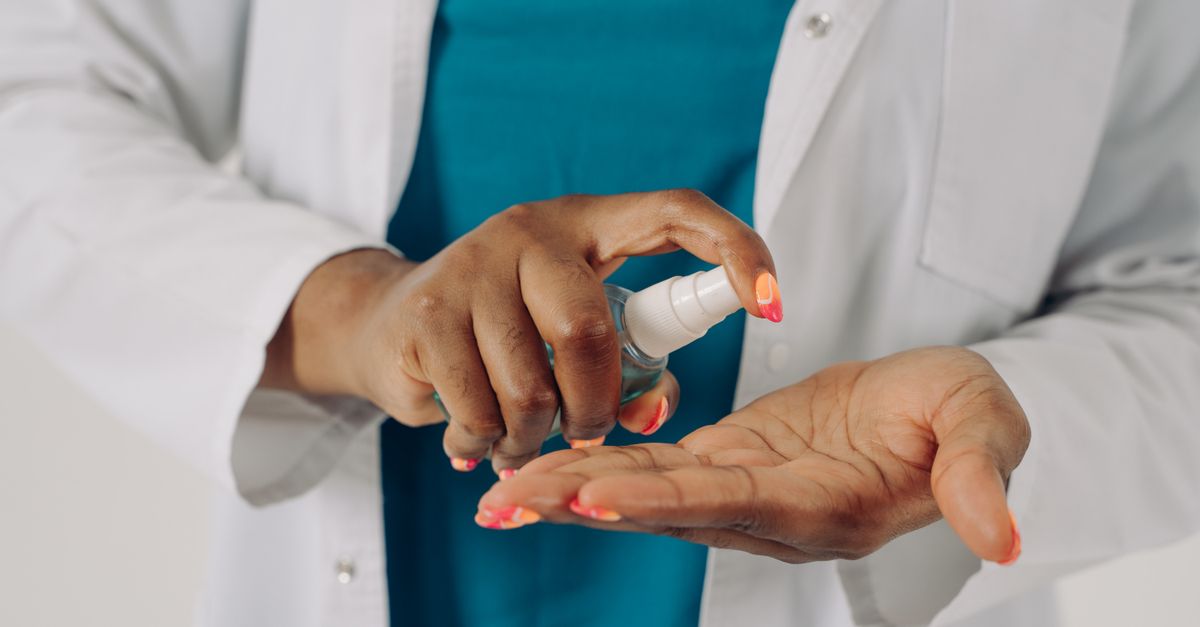
For optimal antimicrobial efficacy, the patient should spray a sufficient volume of the mist to completely wet the target skin surfaces. The liquid must be rubbed vigorously across all areas of the hands or affected skin until the liquid has entirely evaporated. Wiping the mist away with a towel before it dries completely will interrupt the necessary contact time, rendering the antimicrobial action therapeutically ineffective.
4. In-Depth Side Effects Analysis of Topical Antiseptics
While recognized as exceptionally safe for intact skin, the regular application of concentrated alcohol produces a highly predictable dermatological side effect profile resulting from the constant removal of natural skin oils.
Common Side Effects
The overwhelming majority of regular users report significant epidermal dryness and localized skin tightness. Transient stinging or a sharp burning sensation is universally expected if the mist contacts microscopic cuts or freshly shaved skin. As the alcohol evaporates, patients frequently experience a temporary cooling sensation caused by the rapid dissipation of thermal energy from the skin surface.
Serious Side Effects You Should Report
Immediate clinical evaluation is required if the patient develops severe, escalating redness, significant swelling, or weeping blisters following application. These signs strongly indicate severe allergic contact dermatitis or a chemical burn requiring dermatological intervention. Furthermore, sudden difficulty breathing or facial swelling upon inhalation of the mist indicates a serious systemic hypersensitivity reaction necessitating emergency care.
Rare Side Effects
In rare clinical instances, chronic and excessive application of topical alcohol can severely disrupt the normal skin microbiome. This disruption may rarely lead to overgrowths of opportunistic, alcohol-resistant fungi or bacteria. Prolonged dermal exposure in highly confined, unventilated spaces can rarely cause mild systemic absorption, leading to transient dizziness.
Side Effects That Usually Do Not Require Medical Attention
Mild flaking of the superficial skin layers, temporary localized erythema that fades within minutes, and a transient strong chemical odor are expected physiological responses to the antiseptic agent. These minor issues generally remain stable and demand zero clinical concern.
| Side Effect Category | Specific Symptoms |
|---|---|
| Expected Dermatological | Skin dryness, tightness, temporary cooling, mild stinging |
| Severe Inflammatory | Weeping blisters, severe redness, persistent burning |
| Allergic Emergency | Facial swelling, respiratory distress, widespread hives |
5. Overdose or Ingestion Symptoms of Alcohol
Topical over-application of this mist onto intact skin will not induce a systemic pharmacological overdose. The alcohol evaporates too rapidly to be absorbed through a healthy epidermal barrier in quantities sufficient to cause systemic toxicity.
However, accidental or intentional oral ingestion of concentrated topical alcohol poses a severe toxicological threat, particularly to pediatric patients. Symptoms of systemic ingestion manifest rapidly as profound neurological depression, severe lethargy, slurred speech, violent vomiting, and a dangerous drop in blood glucose levels. If any volume of the product is swallowed, emergency medical services or a local poison control center must be contacted promptly for continuous vital sign monitoring and supportive care.
6. Missed Application & What to Avoid
Because this topical antiseptic is utilized strictly on an as-needed basis for situational hygiene, there is no formal dosing schedule to miss. The product should simply be applied after coming into contact with potentially contaminated surfaces.
Patients utilizing this mist must rigorously avoid allowing the liquid to enter the mucosal tissues of the eyes or mouth. Alcohol is exceptionally irritating to the cornea and conjunctiva, and accidental ocular exposure will cause severe pain, intense tearing, and potential corneal abrasions. If ocular contact occurs, the eye must be flushed immediately with copious amounts of lukewarm water for at least fifteen minutes.
7. Drug & Skincare Interactions with Mist
Topical alcohol exhibits minimal interactions with systemic pharmacological agents due to its lack of significant dermal absorption. However, a notable local interaction occurs if the patient concurrently utilizes topical antibiotic ointments such as mupirocin. Applying alcohol over a freshly applied ointment will chemically degrade the antibiotic components and physically wash the therapeutic base away.
Furthermore, patients should avoid applying this mist immediately after utilizing chemical exfoliants containing alpha-hydroxy acids. The stratum corneum is deliberately thinned by these cosmetic acids, and subsequent alcohol application will trigger severe, unremitting stinging and profound chemical irritation.
8. Precautions, Safety & Duration of Action for Alcohol Mist
The biological duration of action for topical alcohol is strictly limited to the exact moment of application. Once the liquid has fully evaporated from the skin, the antimicrobial effect ceases entirely. The product leaves no active chemical residue, meaning the skin is immediately vulnerable to recolonization by environmental pathogens.
To guarantee maximum clinical safety and chemical stability, the mist container must be stored strictly at room temperature and kept entirely away from open flames, sparks, and static electricity. The high alcohol content renders the liquid and its vapors highly combustible. The formulation must remain completely inaccessible to young children to prevent accidental ingestion.
9. How to Stop Taking the Drug & Storage/Disposal
Discontinuing the use of this topical antiseptic causes no physiological withdrawal symptoms. Patients can cease application at any time, though substituting the mist with traditional soap and water is highly recommended to maintain adequate hand hygiene.
Unneeded or expired liquid must be disposed of safely. Due to its high flammability, large quantities of concentrated alcohol should not be poured directly into household plumbing. The sealed container should be disposed of in standard municipal waste or processed through a community hazardous waste collection program to prevent environmental accumulation.
10. When to See a Doctor
Immediate medical intervention is absolutely mandated if the patient experiences sudden, severe ocular pain and persistent blurred vision after accidentally spraying the mist into their eyes. These symptoms strongly indicate a serious corneal injury requiring assessment and treatment by an ophthalmologist.
Patients must also seek clinical assessment if the skin on their hands develops deep, bleeding fissures or persistent, painful red patches that do not improve after ceasing the use of the product. These dermatological signs indicate a severe disruption of the skin barrier that likely requires targeted prescription corticosteroid creams to heal properly.
Frequently Asked Questions (FAQ)
1. Does this alcohol mist kill all types of viruses and bacteria?
No, while highly effective against most vegetative bacteria and lipid-enveloped viruses, topical alcohol is completely ineffective against bacterial spores and certain non-enveloped viruses.
2. Why do my hands sting when I use this spray?
Alcohol is a powerful chemical solvent. If you have microscopic cuts, raw cuticles, or recently shaved skin, the alcohol will stimulate the exposed nerve endings, causing a sharp stinging sensation.
3. Can I use this mist to clean a deep cut on my leg?
Medical guidelines strictly advise against pouring alcohol into deep wounds. It damages the exposed healthy tissue and actually delays the natural healing process.
4. Will using this product every day damage my skin?
Frequent use actively strips away your natural skin oils. Without applying a compensating moisturizer, chronic use will eventually lead to severe dryness, cracking, and contact dermatitis.
5. Is it safe to spray this product near my face?
You must exercise significant caution to avoid inhaling the vapors or getting the mist into your eyes. It is recommended to spray the product into your hands first and then apply it.
6. Why does my skin feel very cold right after I spray the mist?
Alcohol is highly volatile, meaning it evaporates very quickly. As it turns from a liquid into a gas, it rapidly absorbs heat from your skin, creating a distinct cooling sensation.
7. Does this mist keep working after it dries?
No, alcohol only kills germs while it is wet on the skin. Once it has completely evaporated, it leaves no active residue, and your hands can become contaminated again immediately.
8. Is it dangerous if a child accidentally swallows this product?
Yes, this is a critical medical emergency. Swallowing concentrated sanitizing alcohol can rapidly cause severe alcohol poisoning in children, leading to a dangerous drop in blood sugar and seizures.
Bibliography
Disclaimer: The content is for informational purposes only and does not replace medical advice. Always consult your doctor or pharmacist for personalized treatment.