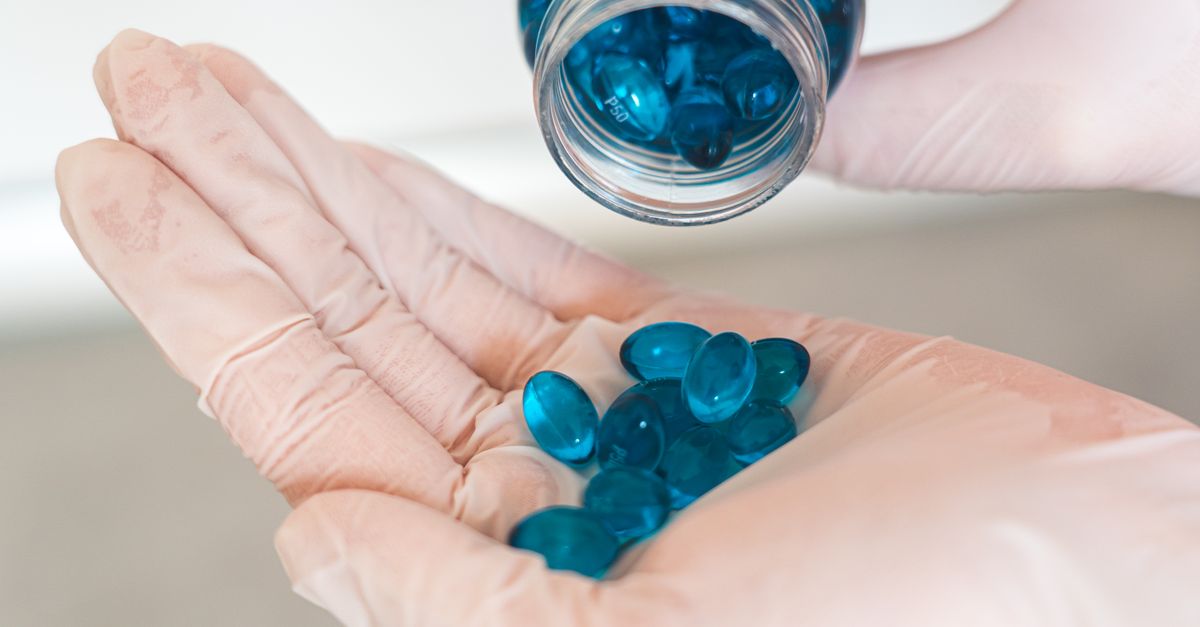
1. Introduction and Clinical Mechanism of Action of Nitrofurantoin Monohydrate Macrocrystal
Nitrofurantoin Monohydrate Macrocrystal is a highly specialized antibacterial agent prescribed almost exclusively for the treatment and prophylaxis of acute uncomplicated urinary tract infections. The most prominent side effects experienced by patients include mild gastrointestinal distress, transient nausea, and a completely harmless dark brown discoloration of the urine.
The clinical efficacy of this medication stems from its highly unique pharmacokinetic profile and multidimensional mechanism of action. Upon oral ingestion, the active drug is rapidly heavily concentrated strictly within the urine rather than the systemic bloodstream. Within the bacterial cell, the medication is reduced by bacterial flavoproteins to highly reactive intermediates.
These highly volatile intermediate compounds violently attack and systematically destroy multiple critical macromolecular structures within the pathogenic bacteria. They aggressively inhibit bacterial ribosomes, preventing essential protein synthesis, while simultaneously directly fracturing bacterial deoxyribonucleic acid. This multipronged attack makes it exceptionally difficult for bacteria to develop clinical resistance.
2. Critical Warnings and Prerequisites Before Taking Nitrofurantoin Monohydrate Macrocrystal
Prior to dispensing this antibacterial agent, the prescribing physician must rigorously evaluate the patient for existing renal impairment. The medication relies entirely on adequate glomerular filtration to reach therapeutic concentrations within the bladder. It is strictly contraindicated in patients presenting with a creatinine clearance below sixty milliliters per minute, as poor renal function leads to toxic systemic accumulation and completely ineffective urinary concentrations.
A highly critical warning involves the risk of severe pulmonary toxicity. Patients undergoing prolonged prophylactic therapy are at a distinct risk of developing insidious interstitial pneumonitis or severe pulmonary fibrosis. Routine clinical monitoring of pulmonary function is strictly required for any patient receiving this medication for longer than six consecutive months.
Furthermore, this medication is entirely contraindicated in patients presenting with glucose-six-phosphate dehydrogenase deficiency and in pregnant women at term. Administering this specific drug to these vulnerable populations directly provokes severe hemolytic anemia, resulting in the rapid, highly dangerous destruction of red blood cells.
3. Clinical Indications and Standard Dosage Guidelines
The dual formulation is formally indicated exclusively for the treatment of acute cystitis caused by susceptible strains of Escherichia coli, Enterococcus, and specific species of Staphylococcus. The specialized combination of monohydrate and macrocrystal forms allows for a slower, highly sustained gastrointestinal absorption rate, heavily reducing the severe nausea historically associated with older formulations.
For acute uncomplicated urinary tract infections in adults, the standard dosage is one hundred milligrams administered orally exactly twice daily. The duration of therapy generally spans strictly five to seven consecutive days. It is absolutely mandatory that the patient consumes the capsule directly alongside a full meal or a significant quantity of milk to maximize systemic absorption and heavily minimize gastrointestinal irritation.
This medication is strictly ineffective against systemic bacterial infections, pyelonephritis, or deep renal tissue infections because it completely fails to achieve therapeutic concentrations in the blood or solid tissues. It must solely be utilized for localized infections contained strictly within the lower urinary bladder.
4. In-Depth Side Effects Analysis of Nitrofurantoin Monohydrate Macrocrystal
4.1 Common Side Effects
Because the medication interacts directly with the highly sensitive lining of the stomach before absorption, gastrointestinal disturbances represent the most universally reported adverse reactions. Patients frequently experience mild to moderate nausea, transient vomiting, and a notable loss of appetite during the initial days of therapy.
A highly common and completely benign physiological side effect is the sudden darkening of the urine. Patients routinely observe their urine turning a deep rust, brown, or highly dark yellow color. This is a direct harmless result of the drug metabolites being actively excreted by the kidneys and requires absolutely zero clinical intervention.
4.2 Serious Side Effects You Should Report
The sudden onset of severe respiratory anomalies demands immediate emergency medical evaluation. If a patient abruptly develops an unexplained highly persistent cough, profound shortness of breath, severe chest pain, or a sudden high fever, it strongly suggests acute pulmonary toxicity. The medication must be instantly discontinued to prevent permanent lung damage.
Peripheral neuropathy is a severe, potentially irreversible neurological complication heavily associated with renal impairment. Patients must remain hyper-vigilant for the sudden onset of severe tingling, burning, or profound numbness in the fingers or toes. Immediate cessation of the drug is strictly required to prevent permanent nerve destruction.
4.3 Rare Side Effects
In highly exceptional clinical scenarios, this medication can induce severe drug-induced hepatotoxicity, specifically manifesting as chronic active hepatitis or fatal hepatic necrosis. Extremely rare instances of severe exfoliative dermatitis and erythema multiforme have also been documented in highly susceptible individuals with significant drug hypersensitivities.
4.4 Side Effects That Usually Do Not Require Medical Attention
Transient mild headaches and occasional mild dizziness frequently occur upon initial administration but generally resolve entirely independently as the central nervous system rapidly adapts. Minor, completely temporary flatulence and very mild abdominal cramping are recognized gastrointestinal artifacts that typically subside without altering the prescribed dosage.
| Side Effect Category | Specific Symptoms |
|---|---|
| Gastrointestinal | Nausea, vomiting, loss of appetite, mild flatulence |
| Respiratory | Interstitial pneumonitis, severe cough, pulmonary fibrosis |
| Neurological | Peripheral neuropathy, mild headache, transient dizziness |
| Systemic | Brown urine discoloration, hemolytic anemia, hepatotoxicity |
5. Overdose Symptoms and Acute Management
An acute overdose of this medication primarily triggers overwhelming, violently severe gastrointestinal distress. The clinical presentation is heavily dominated by intractable vomiting, severe nausea, and profound abdominal pain. Because the drug is rapidly cleared by healthy kidneys, massive systemic toxicity is rarely fatal unless the patient possesses underlying renal failure.
Emergency medical management strictly relies on rapidly securing highly aggressive hydration. There is absolutely no specific chemical antidote for this medication. If the ingestion is highly recent, induced emesis or gastric lavage may be considered by the attending trauma physician. Intravenous fluids are continuously administered to aggressively heavily force the kidneys to excrete the drug as rapidly as physically possible.
6. Missed Dose Protocols and Dietary Considerations
Maintaining a completely stable, highly continuous therapeutic concentration of the antibiotic within the bladder is highly critical for eradicating the targeted bacteria. If a dose is missed, the patient must ingest it exactly when remembered alongside food. However, if the time is exceptionally close to the subsequent scheduled dose, the entirely missed dose must be skipped.
Patients must strictly avoid consuming magnesium-based liquid antacids simultaneously with this medication. Heavy magnesium compounds actively bind to the antibiotic directly within the gastrointestinal tract, forming an entirely insoluble complex. This physical interaction completely blocks the absorption of the drug, leading directly to a highly dangerous therapeutic failure of the infection treatment.
7. Dangerous Drug and Alcohol Interactions
Concurrent administration with uricosuric drugs, exactly such as probenecid or sulfinpyrazone, is strictly heavily contraindicated. These specific gout medications actively block the exact renal tubular secretion pathway required by the antibiotic to enter the urine. This dangerous interaction simultaneously causes a completely ineffective concentration in the bladder and a highly toxic, dangerous accumulation within the systemic bloodstream.
Combining this antibacterial agent with other highly specific antibiotics, such as ciprofloxacin or similar fluoroquinolones, frequently results in distinct chemical antagonism. The concurrent presence of both drugs heavily reduces the overall bactericidal efficacy, potentially allowing the urinary infection to violently worsen.
Alcohol consumption is strictly heavily discouraged during the entire therapeutic course. Ethanol acts directly as a severe gastrointestinal irritant, violently compounding the significant nausea inherently caused by the medication. Furthermore, heavy alcohol consumption dramatically stresses hepatic function and can theoretically mask the early critical signs of developing peripheral neuropathy.
8. Precautions, Renal Safety, and Duration of Action
The therapeutic bactericidal action heavily depends on maintaining exact drug concentrations strictly within the urinary tract. The dual physical formulation dictates a highly specific release profile that provides smooth, continuous urinary excretion over exactly twelve hours, mandating the strict twice-daily dosing schedule to completely prevent bacterial regrowth.
Diabetic patients require intense clinical caution. Peripheral neuropathy is a known severe side effect of the medication and is also a highly common preexisting complication of advanced diabetes. Physicians must carefully evaluate whether introducing this specific antibiotic presents an unacceptably high risk of severely exacerbating diabetic nerve damage.
The medication is completely ineffective for treating viral infections, fungal cystitis, or general systemic illness. Patients strictly must not utilize leftover capsules for unverified future urinary symptoms, as this highly dangerous practice actively promotes severe, broad-spectrum antibiotic resistance within the community.
9. Discontinuation Guidelines and Safe Pharmaceutical Storage
Once the prescribed number of days is officially completely finished, the medication simple ceases. There are absolutely zero physiological withdrawal symptoms associated with abruptly stopping an antibiotic. Any remaining capsules in the prescription bottle must be immediately permanently discarded. Saving leftover antibiotics for future illnesses is medically useless and highly dangerous.
The capsules must be stored strictly securely at stable room temperature, heavily deliberately protected from extreme intense light and severe high humidity. The delicate internal macrocrystals and monohydrate powder are highly sensitive to moisture degradation. Storing the medication in a humid bathroom cabinet rapidly destroys the chemical integrity of the active ingredients.
10. When to Seek Immediate Medical Attention
Instantaneous emergency medical transport is completely strictly demanded if the patient suddenly experiences severe difficulty breathing, a violent sudden cough, and intense chest pain. These highly specific manifestations strongly suggest highly lethal acute pulmonary toxicity requiring immediate oxygen therapy and systemic corticosteroids.
If the patient rapidly develops deep yellowing of the sclera, highly dark tea-colored urine, and severe upper right quadrant abdominal pain, instant emergency evaluation for acute liver failure is mandatory. Additionally, the sudden appearance of widespread, violently peeling skin blistering requires instant emergency transport for a severe hypersensitivity reaction.
Frequently Asked Questions (FAQ)
1. Why is my urine suddenly turning dark brown or rusty colored?
This is a completely normal, highly recognized, and entirely harmless side effect. The medication breaks down into highly specific colored metabolites that your kidneys flush out. Your urine will quickly return to a normal color once the prescription is finished.
2. Must I absolutely take this specific pill with food every single time?
Yes. Taking this medication strictly with a full meal or milk massively increases how much drug your body actually absorbs while completely preventing the severely intense nausea and vomiting that occurs on an empty stomach.
3. Can I use this medication to treat a severe kidney infection?
Absolutely not. The medication strictly only concentrates within the lower bladder. It completely fails to reach the deep solid tissues of the kidneys or the bloodstream, making it completely useless and highly dangerous for treating pyelonephritis.
4. Is it entirely safe to stop taking the pills early if my burning pain stops?
No. You absolutely must finish the entire prescribed course exactly as directed. Stopping early leaves the highly strongest bacteria alive within your bladder, practically guaranteeing a massive, highly resistant recurrence of the infection.
5. Why did my doctor strictly check my kidney function before prescribing this?
If your kidneys do not filter blood perfectly, the drug cannot physically enter your urine to kill the bacteria. Instead, it violently builds up inside your bloodstream, causing severe, highly dangerous nerve damage and deep organ toxicity.
6. What should I do if my fingers and toes suddenly go completely numb?
You must instantly stop taking the medication and contact your prescribing physician immediately. Numbness or severe tingling strongly indicates peripheral neuropathy, which can become completely permanent if the medication is continued.
7. Does this antibiotic interfere with standard oral birth control pills?
Broad-spectrum antibiotics can occasionally disrupt the healthy gut bacteria required to properly absorb specific oral contraceptives. You should highly consider utilizing a secondary barrier method of contraception to prevent unintended pregnancy.
Bibliography
Disclaimer: The content is for informational purposes only and does not replace medical advice. Always consult your doctor or pharmacist for personalized treatment.