
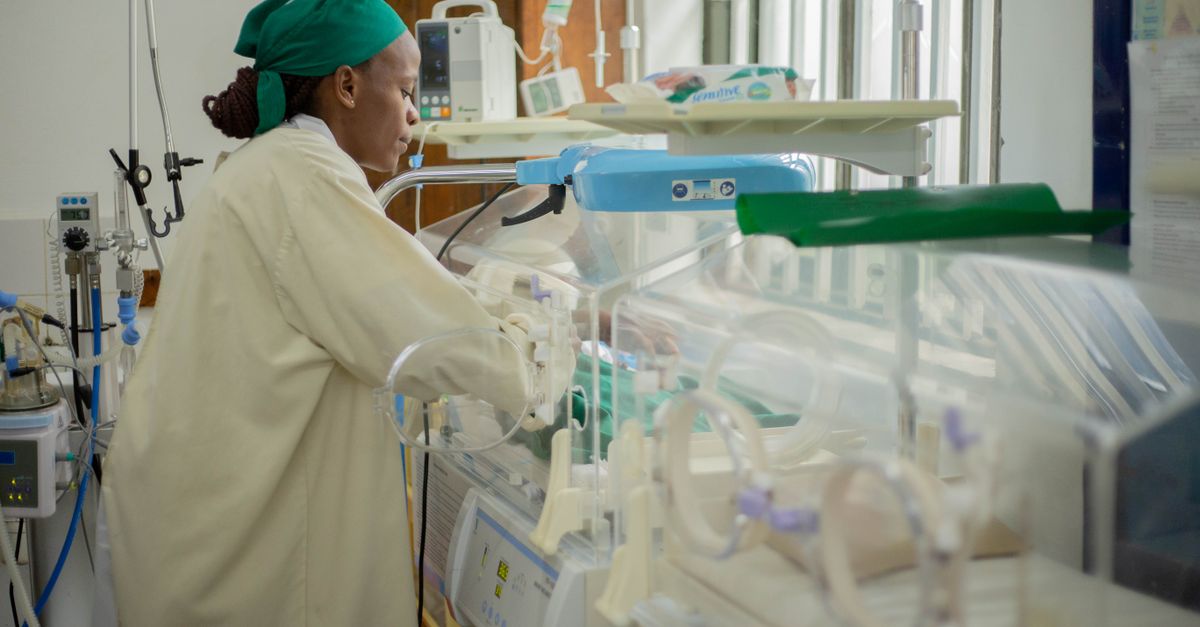
Noxivent is an advanced inhaled pulmonary vasodilator comprising nitric oxide gas, indicated specifically for term and near-term neonates experiencing hypoxic respiratory failure associated with clinical evidence of pulmonary hypertension. The most severe side effects include a dose-dependent increase in methemoglobin levels, which impairs oxygen transport, and the risk of profound rebound pulmonary hypertension if the therapy is abruptly discontinued. By relaxing the vascular smooth muscle localized entirely within the pulmonary system, this critical care gas substantially improves systemic oxygenation and decreases the necessity for invasive extracorporeal membrane oxygenation.
1. Mechanism of Action of Noxivent
The therapeutic efficacy of Noxivent relies upon the precise delivery of nitric oxide directly to the ventilated alveoli. Upon inhalation, the nitric oxide gas rapidly crosses the alveolar-capillary membrane and enters the smooth muscle cells lining the pulmonary vasculature. Inside these cells, it chemically binds to the heme group of the enzyme soluble guanylate cyclase.
This binding activates the enzyme, prompting a significant increase in the intracellular production of cyclic guanosine monophosphate. Elevated levels of cyclic guanosine monophosphate trigger a cascade of intracellular events that result in the profound relaxation of the pulmonary vascular smooth muscle. Because the gas is inhaled, it selectively dilates the blood vessels adjacent to functioning, well-ventilated alveoli.
This highly targeted vasodilation redirects pulmonary blood flow away from collapsed or diseased portions of the lung toward the healthy alveoli, drastically improving the ventilation-perfusion ratio. Once the nitric oxide diffuses into the bloodstream, it binds instantly to hemoglobin and is inactivated, ensuring that the vasodilatory effect remains strictly confined to the pulmonary circuit without causing dangerous systemic hypotension.
2. Warnings and Precautions Before Administering Inhaled Nitric Oxide
Noxivent is a highly specialized critical care medication that mandates administration exclusively by expert neonatologists and certified respiratory therapists. The therapy is absolutely contraindicated in neonates suffering from congenital heart conditions characterized by ductal-dependent systemic blood flow. In these specific patients, relaxing the pulmonary vasculature can fatally reverse the critical flow of blood, leading to immediate systemic cardiovascular collapse.
Prior to initiation, the clinical team must rigorously assess the patient for preexisting left ventricular dysfunction. In neonates with a failing left ventricle, the sudden increase in pulmonary blood flow induced by the nitric oxide can rapidly overwhelm the compromised heart, precipitating severe pulmonary edema and catastrophic heart failure.
Continuous, highly calibrated monitoring of the delivery circuit is essential. The medical team must vigilantly track the concentration of nitrogen dioxide within the ventilator tubing. Nitrogen dioxide is a highly toxic, oxidative byproduct formed when nitric oxide mixes with oxygen, and excessive levels will cause severe, irreversible chemical burns to the neonatal airway and delicate alveolar tissue.
3. Indications and Dosage Guide for Noxivent
This inhaled gas is clinically indicated to improve oxygenation in term and near-term neonates who are diagnosed with hypoxic respiratory failure complicated by pulmonary hypertension. It is a critical component of intensive care management designed to stabilize the patient and reduce the clinical requirement for highly invasive extracorporeal membrane oxygenation.
The standard recommended dosage for initiating therapy in neonates is twenty parts per million. Noxivent is administered continuously via a highly specialized, FDA-cleared delivery apparatus that integrates directly into the inspiratory limb of the patient mechanical ventilator. This system ensures precise dosing and constant monitoring of gas concentrations.
Clinical evidence indicates that administering doses exceeding twenty parts per million provides no additional oxygenation benefits, but drastically escalates the risk of severe methemoglobinemia and nitrogen dioxide toxicity. The clinical team maintains the therapy continuously until the underlying respiratory pathology improves, allowing for a highly controlled weaning process.
4. In-Depth Side Effects Analysis of Noxivent
While the primary pharmacological action is confined to the pulmonary vasculature, the rapid interaction of nitric oxide with systemic hemoglobin creates a complex toxicological profile that requires intense, uninterrupted clinical monitoring.
Common Side Effects
Given the critical illness of the patient population, isolating drug-specific side effects from the underlying pathology is difficult. However, patients frequently exhibit transient, mild fluctuations in systemic blood pressure and temporary instability in systemic oxygen saturation during the initial minutes of establishing the gas flow.
Serious Side Effects You Should Report
The most significant pharmacological complication is methemoglobinemia. As the nitric oxide enters the bloodstream, it reacts with hemoglobin to form methemoglobin. This altered molecule is completely incapable of binding to or transporting oxygen. If the methemoglobin concentration rises excessively, the infant will suffer profound tissue hypoxia despite receiving high fractions of inspired oxygen from the ventilator.
Rare Side Effects
Prolonged administration, particularly when associated with high concentrations of inspired oxygen, can result in the generation of toxic levels of nitrogen dioxide within the breathing circuit. Nitrogen dioxide causes severe acute airway inflammation, worsening pulmonary edema, and direct, devastating cytotoxicity to the pulmonary epithelium.
Side Effects That Usually Do Not Require Medical Attention
Mild elevations in methemoglobin, generally remaining strictly below the five percent threshold, are an expected, physiological consequence of continuous nitric oxide therapy. These minor, stable elevations require routine monitoring but do not necessitate active medical intervention or alterations in the dosing regimen.
| Side Effect Category | Specific Symptoms |
|---|---|
| Cardiovascular | Mild, transient systemic blood pressure fluctuations |
| Hematological Toxicity | Methemoglobinemia inducing profound tissue hypoxia |
| Pulmonary Complications | Nitrogen dioxide toxicity causing acute airway damage |
| Withdrawal Responses | Severe rebound pulmonary hypertension upon abrupt cessation |
5. Recognizing Overdose and Managing Nitric Oxide Toxicity
A toxicological overdose of Noxivent occurs when the inspired concentration surpasses therapeutic limits, leading directly to acute methemoglobinemia and severe nitrogen dioxide poisoning. This typically results from a catastrophic failure in the electronic gas delivery system.
Clinical signs of an overdose include rapidly worsening cyanosis unresponsive to ventilation adjustments, profound cardiovascular instability, and a dramatic spike in methemoglobin levels observed on the co-oximeter. Simultaneously, elevated nitrogen dioxide will rapidly worsen the underlying pulmonary edema, causing fluid to flood the lungs.
Managing a nitric oxide overdose requires an immediate, drastic reduction in the parts per million delivered, or complete disconnection of the gas if the delivery system has failed. For life-threatening methemoglobinemia, the clinical team will administer intravenous methylene blue to aggressively convert the useless methemoglobin back into functional, oxygen-carrying hemoglobin.
6. Missed Dose and Critical Clinical Failures to Avoid
Because Noxivent is delivered continuously via a mechanical ventilator, the concept of a missed dose translates clinically to an accidental interruption in gas delivery. Any disruption, whether from an empty cylinder or a kinked ventilator tube, constitutes a massive medical emergency.
An abrupt cessation of the gas rapidly triggers rebound pulmonary hypertension. This phenomenon causes a sudden, violent constriction of the pulmonary arteries, precipitating catastrophic hypoxemia, acute right ventricular failure, and potential cardiac arrest. Intensive care units must keep backup gas cylinders and manual ventilation bags equipped with nitric oxide delivery systems at the bedside to prevent any interruption.
Clinicians must absolutely avoid administering this gas through unapproved or improvised delivery systems. Only specific, heavily calibrated machines are capable of accurately mixing the nitric oxide with the high oxygen flows required by neonates while simultaneously monitoring the highly toxic nitrogen dioxide byproduct levels.
7. Drug and Chemical Interactions with Noxivent
Interactions involving inhaled nitric oxide primarily concern other vasoactive medications and compounds that influence systemic methemoglobin levels. Meticulous clinical coordination by the intensive care pharmacy and medical team is critical.
Administering Noxivent concurrently with systemic pulmonary vasodilators, such as milrinone or bosentan, requires intense hemodynamic monitoring. While combination therapy is sometimes necessary in refractory cases, the additive vasodilatory effects can precipitate profound, difficult-to-manage systemic hypotension, compromising blood flow to vital organs.
The medical team must also heavily scrutinize the administration of any concurrent medications known to induce methemoglobinemia. Utilizing topical anesthetics like benzocaine or certain intravenous antibiotics simultaneously with inhaled nitric oxide drastically increases the total methemoglobin load, pushing the infant toward critical tissue hypoxia.
8. Safety Precautions and Duration of Action
The physiological duration of action for inhaled nitric oxide is remarkably short. The vasodilatory effects dissipate within mere minutes following the cessation of the gas flow due to its rapid inactivation by hemoglobin. This exceptionally short half-life mandates continuous, flawlessly maintained administration.
Special precaution is absolutely required during the weaning phase. The medical team must execute a highly structured, gradual reduction in the gas concentration, frequently stepping down by single parts per million over several days. Rushing this weaning protocol is the primary trigger for life-threatening rebound pulmonary hypertension.
During the entire course of therapy, the patient must undergo routine, scheduled blood sampling for methemoglobin analysis. Standard protocols require checking baseline levels, followed by a check four hours after initiating therapy, and regularly thereafter to ensure the heavy metal byproduct remains within safe clinical limits.
9. How to Stop Using Noxivent and Equipment Storage
Discontinuing the therapy is a heavily monitored medical procedure. The neonatologist directs a gradual weaning protocol, meticulously evaluating the patient systemic oxygen saturation and cardiovascular stability at each descending dose increment. Only when the infant demonstrates robust stability at a minimal dose is the gas safely withdrawn entirely.
The pressurized cylinders containing Noxivent must be stored in secure, designated clinical holding areas. They require strict protection from physical trauma, open flames, and extreme temperature fluctuations. A damaged cylinder poses both a massive physical explosion hazard and a risk of severe toxic gas exposure to hospital staff.
Empty or expired cylinders cannot be disposed of in standard municipal or hospital waste streams. They remain the property of the manufacturer or specialized medical gas distributors and must be collected through highly regulated reverse logistics networks to ensure safe depressurization and recycling.
10. When to Consult a Physician Regarding Noxivent Therapy
Because this is an intensive care therapy, the patient is under constant, continuous medical surveillance. However, parents and guardians must be informed of the critical clinical markers that necessitate immediate, aggressive intervention by the neonatal team.
The respiratory therapy team will intervene instantly if the continuous monitoring equipment alarms for a sudden drop in oxygen saturation or a spike in pulmonary artery pressure. This often indicates a severe physiological deterioration or a critical failure within the mechanical delivery circuit.
Furthermore, if the specialized sensors detect escalating levels of nitrogen dioxide within the ventilator tubing, the clinical team will immediately alter the ventilator flow dynamics, purge the delivery lines, and adjust the nitric oxide dosing to shield the fragile neonatal lungs from acute chemical toxicity.
Frequently Asked Questions (FAQ)
1. What is the primary purpose of Noxivent?
It is a highly specialized gas used in the neonatal intensive care unit to relax the constricted blood vessels in the lungs of critically ill newborns, allowing them to absorb oxygen more effectively.
2. How does the baby receive this medication?
The nitric oxide gas is precisely blended with oxygen by a specialized machine and delivered continuously through the breathing tubes of a mechanical ventilator directly into the baby lungs.
3. Why is it dangerous to stop the gas suddenly?
Stopping the gas abruptly causes rebound pulmonary hypertension, where the blood vessels in the lungs suddenly clamp down, leading to a catastrophic drop in oxygen levels and severe strain on the heart.
4. What happens if methemoglobin levels get too high?
Methemoglobin cannot carry oxygen. If levels climb too high due to the nitric oxide interacting with the blood, the baby tissues will become starved of oxygen, requiring immediate medical intervention to reverse the condition.
5. How does the medical staff prevent nitrogen dioxide toxicity?
The specialized delivery machine continuously monitors the gas mixture before it reaches the baby. If nitrogen dioxide levels begin to rise, alarms sound, and the respiratory therapist immediately flushes the circuit and adjusts the settings.
6. Can this therapy be used for older children or adults?
While officially indicated for term and near-term neonates, physicians occasionally use inhaled nitric oxide off-label in pediatric and adult intensive care units to manage severe respiratory distress syndrome and acute pulmonary hypertension.
7. How long will the baby need to be on this gas?
The duration is highly variable depending on the severity of the lung disease. Some infants require the gas for only a few days, while others may need it for up to two weeks as their lungs heal and stabilize.
8. Will this medication permanently cure the lung condition?
Noxivent is a supportive, life-saving measure. It stabilizes the blood flow and oxygen levels, keeping the infant alive and buying time for the lungs to naturally heal from the underlying illness or injury.
Bibliography
Disclaimer: The content is for informational purposes only and does not replace medical advice. Always consult your doctor or pharmacist for personalized treatment.
