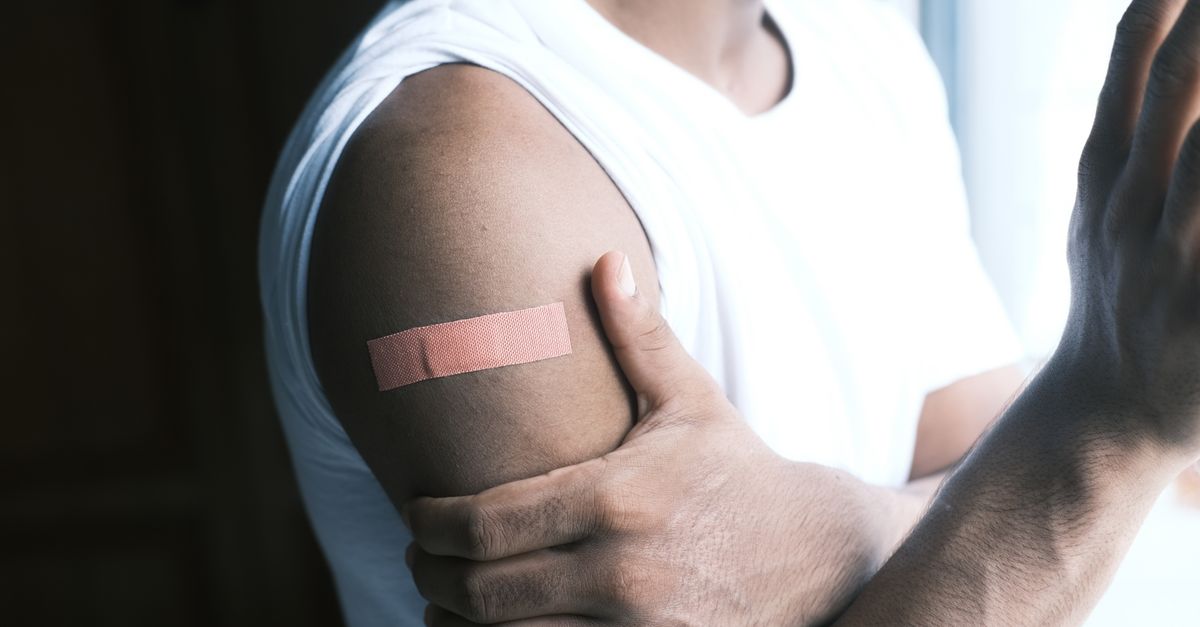
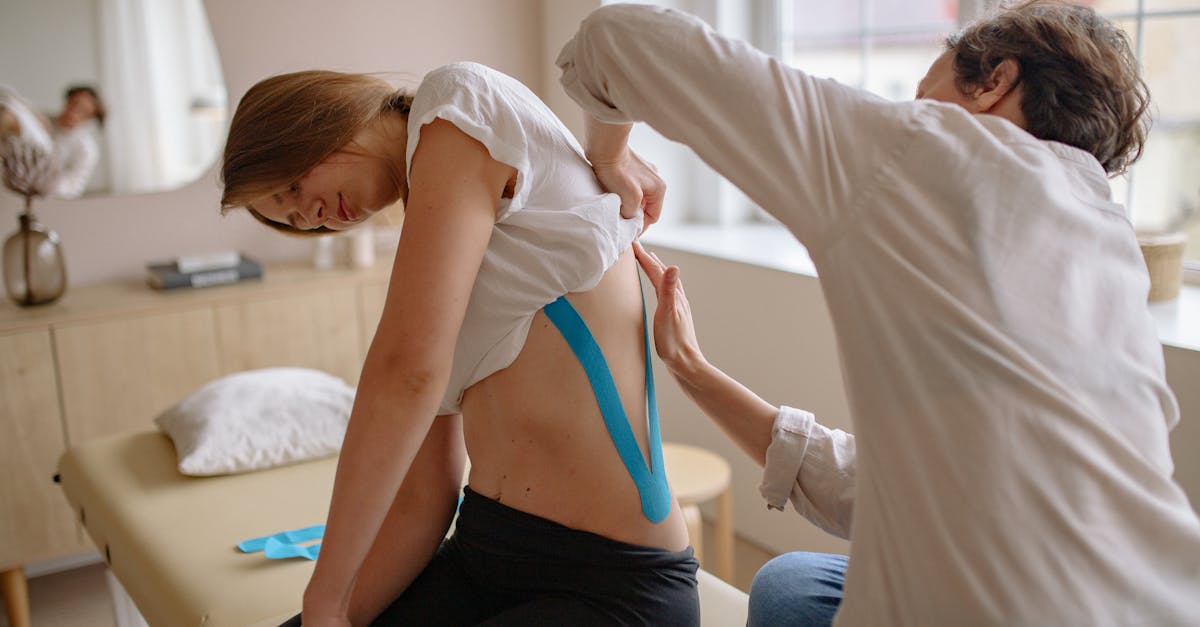
1. Introduction and Mechanism of Action for OTC Rescue Lidocaine Pain Relief Patch
OTC Rescue Lidocaine Pain Relief Patch is a localized transdermal therapeutic system designed to deliver continuous, targeted anesthesia to manage acute and chronic musculoskeletal pain. The most commonly reported side effect is localized contact dermatitis, presenting as transient erythema, mild pruritus, or a sensation of localized warmth directly beneath the adhesive material.
The clinical efficacy of this patch is governed by lidocaine, an established amide-type local anesthetic. Once firmly applied to the epidermis, the lidocaine molecules migrate from the hydrogel matrix through the stratum corneum to reach the peripheral pain receptors. Lidocaine exerts its primary pharmacological effect by binding to the intracellular portion of voltage-gated sodium channels located on the sensory nerve membranes.
This precise receptor binding physically blocks the influx of sodium ions, which is an absolute requirement for the generation and propagation of electrical nerve impulses. By stabilizing the neuronal membrane, the medication effectively prevents the localized pain signals from traveling to the brain. The patch delivery system ensures a steady, controlled release of the anesthetic, optimizing local tissue concentrations while minimizing the risk of systemic vascular absorption.
2. Warnings and Prerequisites Before Using OTC Rescue Lidocaine Pain Relief Patch
Prior to the application of this topical analgesic, patients must undergo a thorough clinical screening for known allergies to amide-type local anesthetics. Administering lidocaine to a hypersensitive individual can trigger a rapid, life-threatening anaphylactic reaction involving profound respiratory distress, massive facial edema, and severe cardiovascular collapse.
A fundamental safety prerequisite involves the absolute integrity of the skin at the application site. This patch must never be applied to severely blistered skin, deep lacerations, or weeping thermal burns. Bypassing the intact epidermal barrier allows the concentrated lidocaine to dump directly into the systemic circulation, bypassing normal metabolic controls and rapidly inducing fatal central nervous system toxicity.
Clinicians must exercise profound caution when advising elderly patients or those with severely compromised hepatic function. Because systemic lidocaine is metabolized almost exclusively by the liver, individuals with hepatic cirrhosis or age-related metabolic decline cannot efficiently clear any drug that inadvertently enters the bloodstream. This physiological impairment dramatically increases the risk of toxic drug accumulation.
3. Indications and Dosage Guide for OTC Rescue Lidocaine Pain Relief Patch
The OTC Rescue Lidocaine Pain Relief Patch is clinically indicated for the temporary management of localized pain associated with minor backaches, arthritis, strains, sprains, and post-herpetic neuralgia. It offers an effective alternative to oral analgesics, significantly reducing the risk of gastrointestinal irritation and systemic side effects.
The dosage protocol is strictly defined to prevent the dangerous accumulation of the anesthetic. Adult patients may apply one to three patches simultaneously strictly over intact skin at the site of maximum pain. Crucially, the patches must be worn for no longer than twelve hours within a single twenty-four-hour cycle. The subsequent twelve-hour drug-free interval allows the body to safely metabolize and excrete any lidocaine that has entered the systemic circulation.
Patients must ensure the targeted skin is completely clean, dry, and free of lotions or oils prior to application to ensure optimal adhesion. The patch should be applied smoothly without stretching the skin to prevent mechanical irritation. Meticulous hand hygiene must be observed immediately following application to avoid accidental transfer of the medication to sensitive mucous membranes.
4. In-Depth Side Effects Analysis of OTC Rescue Lidocaine Pain Relief Patch
While systemic absorption is minimal under normal conditions, the prolonged contact of potent anesthetics and adhesive polymers with the skin routinely provokes localized dermatological responses.
Common Side Effects
The physical presence of the occlusive patch combined with the pharmacological action of the amide anesthetic typically yields benign localized symptoms.
| Side Effect Category | Specific Symptoms |
|---|---|
| Dermatological | Mild erythema, temporary skin blanching, localized pruritus |
| Sensory Reactions | Transient stinging or a mild warming sensation upon application |
Serious Side Effects You Should Report
Patients must immediately remove the adhesive patch and seek a clinical evaluation if they develop signs of severe localized allergic contact dermatitis. The abrupt emergence of severe, painful blistering, intense tissue edema, or unyielding, severe burning beneath the patch signifies a profound tissue reaction requiring immediate medical intervention.
Rare Side Effects
A significant, rare complication linked to topical amide anesthetics is acquired methemoglobinemia. In this life-threatening condition, the drug alters hemoglobin molecules, entirely neutralizing their oxygen-carrying capacity. Patients will rapidly present with cyanosis, appearing as a grayish or bluish discoloration of the lips and nail beds, accompanied by profound lethargy and severe shortness of breath.
Side Effects That Usually Do Not Require Medical Attention
A profound loss of sensation to touch and temperature at the precise application site represents the intended pharmacological objective of the drug and requires no clinical intervention. Minor, temporary skin redness strictly confined to the borders of the patch footprint is a standard vascular response that fades swiftly after removal.
5. OTC Rescue Lidocaine Pain Relief Patch Overdose Symptoms and Management
Systemic toxicity from a transdermal system is a catastrophic medical emergency. Overdose occurs almost exclusively through patient non-compliance, such as applying excessive patches simultaneously, ignoring the mandated twelve-hour rest period, or applying external heat sources over the patch, forcing massive quantities of the drug into the vascular system.
The clinical presentation of lidocaine toxicity is dominated by severe neurological and cardiovascular derangements. Early neurological warning signs include severe tinnitus, a distinct metallic taste, profound dizziness, and perioral numbness. Without immediate intervention, this progresses rapidly to severe muscular tremors, uncontrollable generalized seizures, deep coma, and terminal respiratory arrest. Cardiovascular failure is marked by profound bradycardia and fatal cardiac arrhythmias.
Managing a systemic overdose demands immediate, aggressive clinical resuscitation. The offending patches must be stripped from the skin immediately, and the area cleansed to halt ongoing absorption. Emergency department protocols include advanced airway management, aggressive seizure suppression using intravenous benzodiazepines, and the critical administration of intravenous lipid emulsion therapy to sequester the toxic anesthetic molecules from cardiac and neural tissues.
6. Missed Dose and What to Avoid During Therapy
Because the lidocaine patch is utilized strictly on an as-needed basis for pain symptom control, a missed dose is clinically irrelevant. Patients should apply the patch when localized pain flares, ensuring they maintain strict adherence to the maximum twelve-hour application window.
A critical safety mandate is the absolute avoidance of external thermal sources. Patients must never cover the patch with a heating pad, electric blanket, or hot compress. Thermal application aggressively dilates the underlying superficial blood vessels, dramatically accelerating the vascular absorption of lidocaine and rapidly precipitating a potentially fatal systemic overdose.
Patients must also avoid engaging in vigorous scratching or exposing the anesthetized area to extreme temperatures immediately after patch removal. The temporary blockade of peripheral pain receptors eliminates the body’s natural defensive reflexes. Patients can easily inflict severe mechanical lacerations or profound thermal burns on the numb tissue without feeling the trauma occur.
7. Drug and Alcohol Interactions with OTC Rescue Lidocaine Pain Relief Patch
Systemic drug interactions transition into a severe clinical threat if the lidocaine is absorbed excessively into the bloodstream. Patients currently prescribed Class I antiarrhythmic medications, such as oral mexiletine or flecainide, must utilize this patch with profound caution. The systemic cardiac depressant effects are additive, increasing the risk of precipitating fatal cardiac arrhythmias.
Topically, the concurrent use of multiple localized anesthetics is strictly contraindicated. Applying this patch over skin already treated with creams discussed in pharmacological literature regarding bupivacaine or benzocaine exponentially increases the total systemic absorption burden. This practice severely lowers the threshold for central nervous system toxicity and methemoglobinemia.
Correctly applied topical lidocaine does not biochemically interact with the consumption of oral alcohol. Nevertheless, heavy systemic alcohol consumption significantly depresses central nervous system function. If a patient inadvertently suffers from topical lidocaine toxicity, the presence of circulating alcohol will drastically compound the severity of subsequent respiratory depression and coma.
8. Precautions, Safety, and Duration of Action
The onset of therapeutic analgesia is gradual, as the drug must permeate the epidermal layers. Patients typically observe significant pain reduction within thirty to sixty minutes following application. The robust anesthetic effect is maintained throughout the entire twelve-hour application period, frequently providing residual localized comfort for several hours following the physical removal of the patch.
Protecting the eyes and mucosal surfaces is a paramount safety requirement. Patients must wash their hands meticulously with hot, soapy water immediately after handling the adhesive matrix. Inadvertent transfer of lidocaine to the ocular surface will completely anesthetize the cornea, eradicating the protective blink reflex and exposing the eye to severe, unnoticed abrasions.
Safe disposal protocols are non-negotiable. A removed patch retains a high concentration of active lidocaine. It must be folded meticulously in half, adhesive sides together, and immediately deposited into a secure trash receptacle. Accidental ingestion of a discarded patch by a pediatric patient or a domestic pet guarantees rapid, fatal toxicity.
9. How to Stop Taking OTC Rescue Lidocaine Pain Relief Patch and Storage Guidelines
Discontinuing localized transdermal therapy is uncomplicated and requires no formal medical tapering schedule. Patients can safely cease application once the underlying musculoskeletal pain has resolved. There are absolutely no localized or systemic withdrawal phenomena associated with the cessation of topical amide anesthetics.
To preserve the complex chemical stability of the lidocaine and the structural integrity of the hydrogel adhesive, the patches require specific storage parameters. They must remain tightly sealed within their individual foil pouches at controlled room temperature. Exposure to extreme cold will irreversibly destroy the adhesive matrix, rendering the patch useless.
Expired or unused patches should be discarded safely according to municipal pharmacy take-back guidelines or wrapped securely in household waste. The child-resistant external packaging must be preserved until the exact moment the patient intends to apply the product.
10. When to Seek Medical Attention for OTC Rescue Lidocaine Pain Relief Patch Use
A formal medical evaluation is mandatory if the patient’s localized pain fails to improve, worsens continuously, or spreads beyond the dimensions of the patch despite consistent use. Unrelenting symptoms serve as a clinical indicator of a severe underlying structural injury or progressive inflammatory pathology requiring targeted systemic diagnostics rather than superficial symptom masking.
Patients must demand immediate emergency clinical care if they detect any early neurological indicators of systemic toxicity. The sudden onset of profound tinnitus, extreme dizziness, a distinct metallic taste in the mouth, or involuntary muscle twitching strongly signifies that a toxic volume of the anesthetic has breached the systemic circulation.
Immediate emergency intervention is critical if the patient exhibits symptoms of severe methemoglobinemia or a systemic anaphylactic response. The abrupt development of blue or grayish discoloration of the lips and nail beds, extreme difficulty breathing, profound lethargy, or massive facial swelling requires urgent, life-saving pharmacological resuscitation in an emergency department.
Frequently Asked Questions (FAQ)
1. Why must I wait twelve hours before applying a new patch?
The twelve-hour rest period is biologically necessary to allow your liver to safely clear any lidocaine that absorbed into your bloodstream. Wearing patches continuously leads to a dangerous, toxic buildup of the medication in your body.
2. Can I cut the patch in half if my pain is only in a small spot?
No. Cutting the patch destroys the specialized hydrogel delivery system. This can cause the anesthetic to absorb erratically and drastically increase your risk of severe side effects.
3. Is it safe to wear this patch while taking a hot shower?
You must remove the patch before showering or bathing. Hot water dilates your blood vessels, which will force a massive, dangerous dose of lidocaine into your bloodstream very rapidly.
4. Why do I taste metal in my mouth after putting the patch on my shoulder?
A metallic taste in your mouth is a critical, early warning sign of systemic lidocaine toxicity. You must pull the patch off immediately and seek emergency medical evaluation.
5. Can I use a heating pad directly over the patch to loosen my muscles?
Absolutely not. Combining this medicated patch with an external heating pad will massively increase the absorption of lidocaine into your blood, leading to a potentially fatal systemic overdose.
6. What is the safest way to throw the patch away to protect my pets?
You must fold the used patch completely in half so the sticky sides bond tightly together, and immediately place it in a heavy-duty trash can with a secure lid to prevent pets from eating it.
7. Why is the skin under the patch slightly red when I peel it off?
Mild redness is a common reaction to the adhesive material and the lidocaine itself, which slightly alters local blood flow. This mild redness usually fades entirely within a few hours.
Bibliography
Disclaimer: The content is for informational purposes only and does not replace medical advice. Always consult your doctor or pharmacist for personalized treatment.