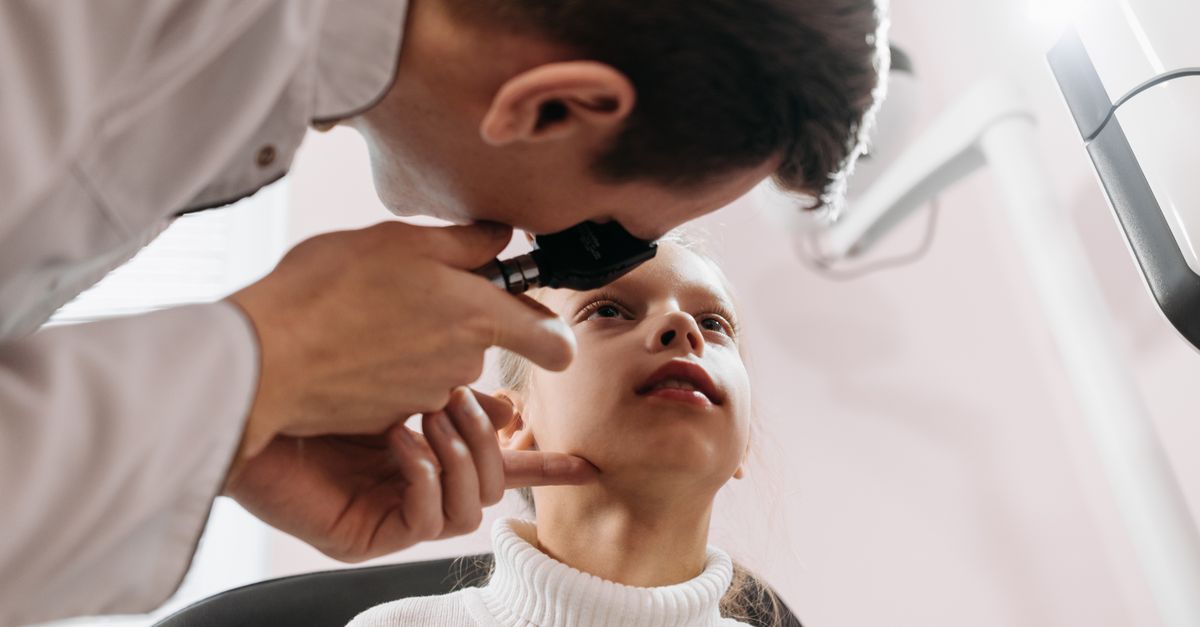
Oxervate formulated with the active biologic cenegermin-bkbj is a highly specialized ophthalmic therapy engineered for the treatment of neurotrophic keratitis. This advanced medication operates as a recombinant human nerve growth factor, prompting the physical regeneration of damaged corneal tissues. The most frequently documented side effect is paradoxically related to its success: patients often experience significant localized ocular pain as the denervated cornea slowly regains its sensory capabilities.
1. Introduction & Mechanism of Action of Oxervate
Neurotrophic keratitis leads to a progressive breakdown of the corneal epithelium due to a complete loss of trigeminal nerve innervation. Cenegermin-bkbj is produced via recombinant DNA technology using Escherichia coli strains. It functions identically to endogenous human nerve growth factor, specifically binding to high-affinity TrkA receptors and low-affinity p75NTR receptors located directly on the ocular surface.
Upon receptor binding, a complex intracellular signaling cascade is initiated. This process prevents cellular apoptosis and forcefully stimulates epithelial cell proliferation and nerve axon regeneration. Unlike standard pharmacological agents that merely suppress inflammation or lubricate the eye, this biologic protein actively rebuilds the neural architecture of the cornea, addressing the fundamental pathophysiological root of the disease.
2. Warnings & Before Taking Oxervate Eye Drops
The initiation of this biologic therapy requires absolute confirmation of the diagnosis by a corneal specialist. Prior to prescribing, the physician must definitively rule out active ocular malignancies or severe active intraocular inflammation, which could theoretically be exacerbated by the introduction of a potent growth factor.
Patients must be rigorously trained on the complex handling and administration protocols. The intricate delivery system requires manual dexterity. Individuals with severe rheumatoid arthritis or profound hand tremors may require a dedicated caregiver to prepare and administer the precise two-hourly drops. Contact lenses are strictly contraindicated during the exact moment of instillation due to potential preservative interactions.
3. Indications & Dosage Guide for Cenegermin
This biologic therapy is strictly indicated for the treatment of neurotrophic keratitis across all severity stages, ranging from mild epithelial irregularity to severe stromal melting and imminent perforation. It represents a definitive intervention when standard supportive measures have completely failed.
The dosing regimen demands exceptional patient compliance. The strict protocol requires one drop in the affected eye exactly every two hours, six times a day, for a total duration of eight weeks. The medication is supplied in weekly kits containing multi-dose vials and specialized pipettes. Meticulous adherence to this high-frequency schedule is non-negotiable for achieving complete epithelial closure and nerve regeneration.
4. In-Depth Side Effects Analysis of Oxervate
The adverse event profile is heavily concentrated on the ocular surface. Because the medication does not enter systemic circulation in meaningful amounts, systemic side effects are clinically negligible.
Common Side Effects
The hallmark adverse reaction is ocular pain, reported by a significant majority of patients. This discomfort is a direct manifestation of nerve regeneration and increasing corneal sensitivity. Accompanying symptoms include prominent ocular hyperemia, copious reflex tearing, and a persistent sensation of grit or foreign body under the eyelids.
Serious Side Effects You Should Report
A rapid, severe decline in vision or the sudden onset of profound photophobia requires emergency ophthalmic evaluation. If the patient develops thick, discolored discharge accompanied by severe eyelid swelling, a secondary bacterial superinfection must be immediately suspected and treated with targeted antibiotics to prevent further corneal melting.
Rare Side Effects
Clinical monitoring has occasionally revealed mild anterior chamber inflammation, presenting as a faint cellular reaction visible only under slit-lamp examination. Extremely rare reports of structural corneal deposits have been documented, though these generally do not interfere with final visual acuity.
Side Effects That Usually Do Not Require Medical Attention
Minor blurring of vision immediately following drop instillation is a standard physical reaction to the fluid volume and clears rapidly. Mild, transient stinging during the first few seconds of application is entirely normal and requires no medical intervention.
| Side Effect Category | Specific Symptoms |
|---|---|
| Common | Ocular pain, severe hyperemia, foreign body sensation |
| Rare | Anterior chamber inflammation, minor corneal deposits |
| Severe Ocular | Thick purulent discharge, sudden vision loss |
5. Overdose Symptoms with Cenegermin
A true pharmacological overdose via topical ophthalmic administration is physiologically impossible with this medication. The specialized, single-use pipettes physically restrict the delivered volume, ensuring only the necessary micro-dose reaches the ocular surface.
If a patient inadvertently instills two drops simultaneously, the excess biologic fluid will overflow the eyelid margins or drain harmlessly into the nasolacrimal system. There is zero risk of systemic toxicity. The patient should simply wipe the excess moisture from the surrounding skin with a sterile tissue and resume the normal two-hour schedule.
6. Missed Dose & What to Avoid While Taking Oxervate
Consistent, hourly exposure to the growth factor is what drives the regenerative cascade. If a dose is missed, the patient must administer it as soon as realized, maintaining the required spacing before the next scheduled application. Never administer two drops at once to compensate for a missed interval.
Patients are strictly instructed to avoid swimming in public pools, hot tubs, or natural bodies of water during the entire eight-week treatment phase. The structurally compromised cornea is highly susceptible to devastating infections from waterborne pathogens such as Acanthamoeba. Eye rubbing is also strictly forbidden to protect the fragile new epithelial cells.
7. Drug & Alcohol Interactions with Cenegermin
The highly targeted local action of this protein limits any potential for dangerous systemic drug interactions. The hepatic cytochrome P450 system is entirely unaffected. Consequently, patients can safely continue their systemic therapies, including anticoagulants or antihypertensives like lisinopril.
There are absolutely no interactions with dietary alcohol. However, meticulous timing is required regarding concurrent topical eye medications. Any necessary secondary drops must be separated by a minimum of fifteen minutes from the biologic instillation to ensure the delicate protein matrix is completely absorbed into the corneal stroma.
8. Precautions, Safety & Duration of Action of Oxervate
Maintaining strict asepsis during the daily preparation of the multi-dose vial is the paramount safety precaution. The biological integrity of the protein degrades rapidly if exposed to bacterial contaminants. Patients must wash their hands thoroughly with soap and water before handling any component of the delivery system.
The therapeutic duration is precisely eight weeks. The regenerative action is cumulative, building the neural network gradually over the entire two-month period. Premature cessation of the therapy drastically increases the risk of recurrent epithelial breakdown and treatment failure.
9. How to Stop Taking Oxervate & Storage/Disposal
Upon reaching the end of the strict eight-week protocol, the therapy is halted immediately. No gradual tapering of the drops is required. The newly regenerated nerve fibers and healed corneal surface generally retain their structural integrity indefinitely, requiring only standard routine ophthalmic monitoring.
Unopened weekly supply cartons must be stored at strict refrigerated temperatures. Once a vial is opened for daily use, it is structurally viable for a maximum of twelve hours at room temperature. After this exact window, the specific vial and any remaining biologic fluid must be discarded securely.
10. When to See a Doctor While on Cenegermin
Emergency assessment by a corneal specialist is required if the patient suddenly experiences agonizing ocular pain that completely halts their daily functioning. While moderate pain is a sign of healing, severe, unrelenting agony could indicate a spontaneous corneal perforation, a catastrophic complication of the underlying disease.
Furthermore, if the eye begins to show visible signs of a hypopyon, a collection of white inflammatory cells settling at the bottom of the anterior chamber, an immediate aggressive medical intervention is required. This indicates severe intraocular inflammation that falls outside standard therapeutic parameters.
11. Frequently Asked Questions FAQ
1. How is this medication fundamentally different from artificial tears?
Artificial tears only provide temporary physical lubrication. This medication provides a biological growth factor that actively forces damaged eye tissue to physically regrow.
2. Why do I need to take it six times a day exactly two hours apart?
The frequent dosing ensures a constant, steady supply of the growth factor is present on the ocular surface to continuously drive cellular regeneration.
3. Will the eye pain eventually stop?
Yes. The pain usually peaks as the nerves begin to regenerate and slowly subsides as the corneal sensitivity normalizes and the healing process completes.
4. Can I store the opened daily vial in my pocket?
It is not recommended. The opened vial should be kept at stable room temperature away from direct body heat or sunlight to prevent protein degradation.
5. What if the pharmacy delivers the medication warm?
The structural integrity of the protein is highly sensitive to temperature. If the cold chain is broken during delivery, the pharmacy must be contacted immediately for a replacement.
6. Can I wear my bandage contact lens during treatment?
The drops can generally be applied over a therapeutic bandage contact lens, but this must be explicitly guided and monitored by your treating ophthalmologist.
7. Does this medicine contain harsh preservatives?
The formulation contains specific stabilizing agents, but it is engineered to be as gentle as possible to facilitate active cellular growth without chemical toxicity.
8. Is it safe to fly on an airplane while taking this medication?
Yes, but you must ensure the unopened vials remain strictly refrigerated during travel using specialized medical cooler bags.
9. What happens if I miss an entire day of drops?
Missing an entire day severely disrupts the regeneration process. Contact your physician immediately for guidance on adjusting your treatment protocol.
10. Will my vision improve after the eight weeks?
If the blurred vision was caused strictly by the irregular corneal surface, vision often improves significantly once the epithelium heals smoothly.
12. Bibliography
Disclaimer: The content is for informational purposes only and does not replace medical advice. Always consult your doctor or pharmacist for personalized treatment.