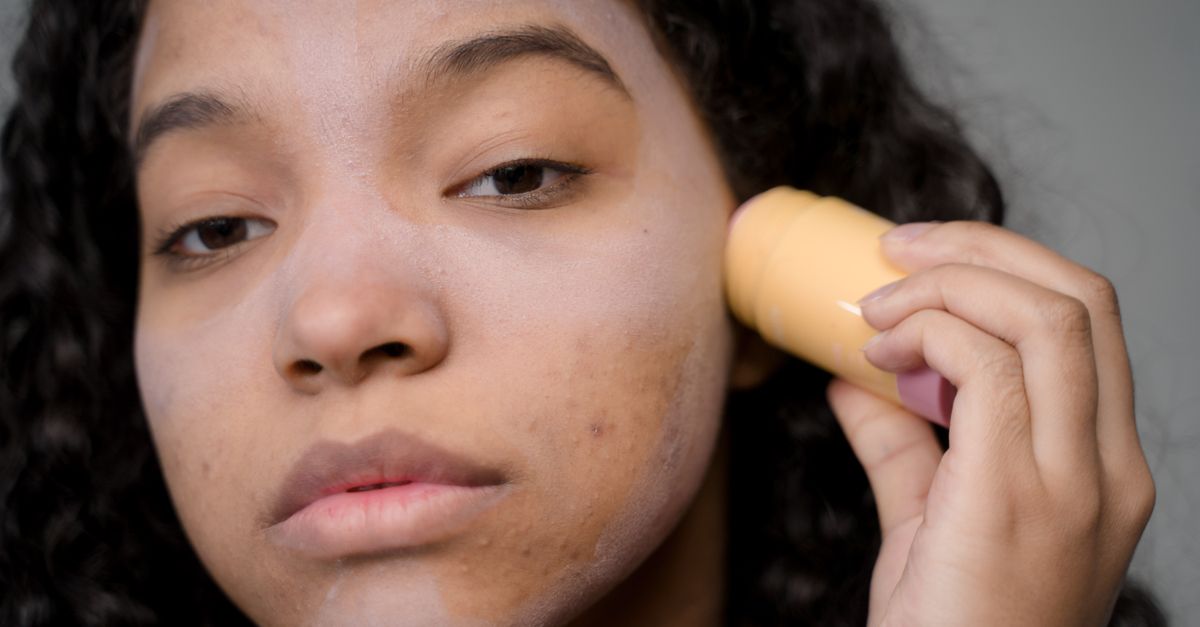
Riversol Tinted Lip Oil in the shade Popsicle leverages zinc oxide to provide vital physical ultraviolet protection specifically formulated for the highly sensitive, thin mucosal tissue of the lips. The inert mineral barrier prevents actinic damage and premature photoaging, with potential adverse effects generally limited to minor cosmetic grievances such as a heavy, occlusive sensation or slight drying of the labial mucosa over prolonged use. Systemic pharmacological side effects are virtually absent due to the sub-toxic quantities involved, even considering incidental minor ingestion.
1. Introduction & Mechanism of Action of Zinc Oxide Lip Oil
The anatomical structure of the labial mucosa is exceptionally vulnerable to solar radiation. Unlike the thick epidermis of the face or body, the lips lack a dense stratum corneum and possess virtually zero melanin, removing all natural biological defenses against ultraviolet rays. Zinc oxide provides the absolute gold standard in physical photoprotection for this delicate area.
Operating identically to its application on broader dermal surfaces, the microscopically ground zinc oxide particles are suspended within a heavy lipid matrix of natural oils. Upon application to the lips, these mineral particles function as an impermeable array of tiny physical mirrors. They actively and aggressively scatter, reflect, and absorb both Ultraviolet A and Ultraviolet B radiation before the highly destructive energy can penetrate the mucosal tissue, fundamentally preventing the severe cellular degradation that leads to actinic cheilitis and cutaneous lip malignancies.
2. Warnings & Before Applying Riversol Tinted Lip Oil
While this formulation is specifically engineered for mucosal tissue, patients must proceed with clinical caution regarding the structural integrity of the lips. This heavy mineral oil must never be applied to severely fissured, deeply bleeding, or actively weeping cold sores. Applying a thick, highly occlusive layer of zinc oxide over an active herpes simplex virus lesion aggressively traps intense body heat and moisture, significantly exacerbating the viral replication cycle and risking severe secondary bacterial infections.
Patients with a documented history of severe cosmetic hypersensitivity should exercise high vigilance. While the active zinc oxide is biologically inert, the specific lip formulation relies heavily on complex botanical oils, artificial or natural flavorings, and iron oxide pigments to achieve the “Popsicle” tint. Users must carefully review the inactive ingredient list to definitively rule out a severe allergic response to the carrier base, which could trigger a massive, localized anaphylactic response on the highly vascularized lips.
3. Application Guide & Indications for Zinc Oxide Lip Filter
This specific dermatological lip formulation is medically indicated for the daily prevention of acute solar erythema of the lips and the crucial long-term mitigation of actinic cheilitis. The added iron oxide tint makes it highly indicated for patients seeking both cosmetic enhancement and rigorous physical photoprotection.
Optimal photoprotection relies entirely on the frequency and precision of the application technique. The user must apply a thick, highly uniform layer across both the upper and lower lips exactly fifteen minutes prior to direct solar exposure. The application must completely cover the vermilion border, which is highly susceptible to sun damage. Minimal application directly results in severe microscopic gaps within the physical armor, guaranteeing localized ultraviolet tissue damage to the mucosa.
4. In-Depth Side Effects Analysis of Riversol Lip Oil
Because the massive zinc oxide molecules fail to penetrate the bloodstream and accidental ingestion quantities are miniscule, the adverse reaction profile is confined exclusively to localized dermatological reactions.
Common Side Effects
The vast majority of adverse reactions stem from the thick, protective nature of the lipid-based product. Users universally report a sensation of a heavy, tacky film resting on the lips. A highly prominent cosmetic side effect is the aggressive transfer of the tinted iron oxide pigments onto drinking glasses, teeth, or clothing. Mild, localized dryness or very slight peeling of the labial mucosa may occur with continuous, daily heavy usage.
Serious Side Effects You Should Report
Severe localized tissue reactions are highly rare but strictly require the immediate physical removal of the product. If the user rapidly develops an acute, violently itchy, blistering red rash spreading precisely across the lips and surrounding skin, a severe allergic contact dermatitis to the botanical inactive ingredients is occurring. The lips must be aggressively cleansed, and a physician must be consulted for topical corticosteroid management.
Rare Side Effects
Prolonged, daily use of this heavily occlusive barrier can occasionally induce severe localized angular cheilitis. This occurs when the thick mineral pastes physically trap excessive saliva and moisture deep in the corners of the mouth, creating a perfect anaerobic environment for the aggressive overgrowth of Candida albicans yeast, causing intense stinging and deep, painful fissures.
Side Effects That Usually Do Not Require Medical Attention
Minor, highly localized white residue settling into the natural deep creases of the lips simply requires gently rubbing the lips together to redistribute the mineral dispersion. A mild stiffness or a heavy tinted residue transferring onto napkins requires absolutely no medical intervention.
| Side Effect Category | Specific Symptoms |
|---|---|
| Common | Tint transfer, tacky mucosal sensation, minor mucosal dryness |
| Rare | Angular cheilitis, localized Candida overgrowth |
| Severe Topical | Violently itchy rash, weeping blisters, severe contact dermatitis |
5. Excessive Application and Accidental Ingestion
A systemic pharmacological overdose through the topical application or minor accidental ingestion of zinc oxide lip oil is physiologically impossible. The heavy mineral molecules are entirely non-toxic in the microscopic quantities consumed while eating or speaking. Therefore, applying massive, thick layers of the tinted product carries absolutely zero risk of heavy metal toxicity.
The only consequence of gross over-application is profound cosmetic and physical discomfort. Applying excessive layers will create an unyielding, heavy, mask-like appearance where the pigment heavily bleeds outside the vermilion border and aggressively sticks to the teeth. Managing an over-application simply requires gently dabbing off the excess tinted oil with a dry cosmetic tissue.
6. Missed Application & What to Avoid While Using Riversol Lip Oil
In the strict context of mucosal photoprotection, a missed application directly equates to immediate cellular DNA damage. If a user forgets to apply the protective barrier and exposes their bare lips to intense ultraviolet radiation, the physical damage to the delicate tissue begins within minutes. The only remedy is to immediately seek deep shade or apply the barrier as soon as the lapse is realized.
Users must strictly avoid a false sense of absolute biological security. Wearing high SPF tinted lip mineral sunscreen does not grant biological immunity to solar radiation. Users must absolutely avoid prolonged, direct baking in peak midday sunlight, regardless of how meticulously the lip oil is applied. Furthermore, users should rigorously avoid forcefully licking their lips, as the digestive enzymes in saliva will rapidly and violently degrade the physical zinc oxide barrier.
7. Topical Interactions with Zinc Oxide Lip Sunscreen
Because zinc oxide is biologically inert, it does not engage in complex biochemical interactions with other topical medications. It can generally be applied safely over the top of fully absorbed daily mucosal treatments, such as targeted antiviral ointments used for cold sore management, provided the viral lesion is completely healed over.
However, users currently utilizing aggressive prescription exfoliants or potent topical retinoids around the mouth must be acutely aware that their skin is exceptionally vulnerable. While the zinc oxide safely protects this thinned, highly reactive skin from the sun, the heavy mechanical rubbing required to entirely remove the thick waterproof tinted paste from the lip line at the end of the day can cause severe physical micro-tears to the fragile, chemically treated epidermis.
8. Precautions, Safety & Duration of Action of Riversol Popsicle Lip Oil
The most critical safety precaution involves meticulous and highly unyielding reapplication protocols. The physical barrier on the lips is incredibly susceptible to mechanical degradation. Friction from protective face masks, wiping the mouth with a napkin, drinking from a straw, or eating a meal will rapidly and physically shear the millions of tiny tinted mirrors entirely off the mucosal surface.
The duration of absolute protective action is strictly limited. To maintain the labeled sun protection factor, the thick mineral layer must be rigorously re-applied at minimum every single hour, and absolutely immediately following any consumption of food or drink, which instantly and entirely removes the fragile protective layer from the central portion of the lips.
9. How to Stop Using Riversol Lip Oil & Storage/Disposal
Cessation of use carries absolutely no biological withdrawal. However, entirely removing the stubborn, highly water-resistant tinted mineral paste at the end of the day requires specific chemical action. Standard water and gentle cleansers will fail to break down the heavy lipids and iron oxides. Users must gently wipe the lips with a dedicated makeup removing oil to completely dissolve the zinc matrix and prevent severe pore blockages along the lip line.
Proper storage strictly preserves the complex cosmetic emulsion. The small applicator tube must be kept in a cool, shaded environment. Leaving the tube in a violently hot car or baking directly in the sun will cause the heavy carrier oils and the zinc oxide powder to irreversibly separate into a gritty, entirely useless, and foul-tasting liquid. Empty tubes should be recycled according to local cosmetic disposal guidelines.
10. When to See a Doctor Following Zinc Oxide Lip Use
Immediate dermatological evaluation is strictly required if the user applies the thick paste and subsequently develops deep, throbbing pain, radiating severe heat, and the sudden appearance of thick, yellow crusting specifically isolated to the deep corners of the mouth. This highly aggressive clinical presentation indicates severe, infected angular cheilitis requiring prescription antifungal or antibacterial ointments.
Additionally, if a user develops a sudden, severe, full-body rash accompanied by massive, rapid swelling of the lips and extreme difficulty breathing immediately after applying the product, a highly lethal systemic anaphylactic response to one of the botanical carrier extracts must be suspected. This demands an immediate call to emergency medical services and the rapid administration of epinephrine.
11. Frequently Asked Questions FAQ
1. Why does this lip oil completely ruin the rim of my coffee cup?
The formulation contains iron oxides to provide the red “Popsicle” tint, suspended in a heavy oil. Because the lip tissue constantly touches the cup, the heavy, highly pigmented oil violently transfers and stains the ceramic.
2. Can I apply this directly to an open, actively bleeding cold sore?
Absolutely not. You must never apply heavy, occlusive sunscreens to severely broken or bleeding viral lesions. Doing so will violently trap debilitating bacterial infections deep within the wound.
3. Does the tinted zinc oxide poison me if I accidentally swallow some while eating?
No. The microscopic amount of zinc oxide ingested from lip products is entirely biologically inert and completely non-toxic. It safely passes entirely through the digestive tract.
4. Will this heavy mineral oil make the skin around my mouth break out in terrible acne?
It is a significant risk. If the heavy oils migrate outside the lip line, they can severely clog the pores around the mouth if not aggressively washed off with dedicated oil cleansers every single night.
5. How exactly does this tinted mineral stop my lips from rapidly aging?
Ultraviolet rays act like a destructive laser, violently breaking down the delicate tissue of your lips. The zinc oxide acts exactly like a physical mirror, bouncing that destructive laser energy safely away from your body.
6. Is it entirely safe to use this specific lip product on my cheeks as a blush?
While biologically safe, it is extremely heavy and sticky. It is strictly formulated to adhere to mucosal tissue and will likely cause severe, rapid acne breakouts if applied to the broader facial skin.
7. Why does my mouth taste strange when I use this?
Mineral sunscreens require heavy, highly water-repellent waxes and botanical oils to prevent them from rapidly melting off. You are likely tasting the raw carrier oils or the natural flavorings used to mask the zinc powder.
8. Does applying a high SPF lip oil mean I can stay out in the sun all day long?
No. SPF ratings strictly measure protection under perfect, highly controlled lab conditions. On the lips, you must aggressively reapply every hour, or immediately after every single sip of water.
9. Can I mix this thick oil with my daily thin lip balm to make it spread perfectly?
No. Mixing a sunscreen with absolutely any other product violently dilutes the active zinc oxide concentration and completely ruins the carefully formulated physical barrier, leaving you totally unprotected from the sun.
10. What should I do if the oil physically separates into a clear liquid and a gritty, separated paste?
You must throw it away immediately. Separation indicates that the fragile emulsion has permanently broken, usually due to extreme heat exposure. The zinc is no longer evenly distributed, and it will entirely fail to protect your lips.
12. Bibliography
Disclaimer: The content is for informational purposes only and does not replace medical advice. Always consult your doctor or pharmacist for personalized treatment.