1. Introduction & Mechanism of Action of Sanmo-Bl
Sanmo-Bl is a topical antiseptic solution formulated with ethyl alcohol to achieve rapid, broad-spectrum bactericidal activity on the human epidermis. Frequent application reliably induces localized epidermal lipid depletion, presenting clinically as superficial skin flaking, a sensation of tightness, and mild irritant contact dermatitis.
The antimicrobial capability of this high-concentration alcohol solution relies on its aggressive solvent characteristics. When applied to the skin, the alcohol rapidly interacts with the lipid envelopes and protective cellular membranes of pathogenic microorganisms. By thoroughly disrupting the structural lipid bilayer, the alcohol quickly enters the bacterial cytoplasm. Once internal, the compound forcefully denatures and precipitates essential structural proteins and critical metabolic enzymes, causing an immediate, irreversible collapse of the microbial organism.
This cellular destruction is dependent on the critical presence of water within the Sanmo-Bl formulation. Pure, absolute alcohol is clinically inferior because it dehydrates the outer bacterial cell wall so rapidly that it forms a hard, impenetrable shell, effectively protecting the internal structures of the bacteria from the solvent. A highly specific concentration of alcohol mixed with water ensures the agent remains on the cell surface long enough to penetrate deeply and achieve complete, fatal protein denaturation before evaporation occurs.
2. Warnings & Before Taking Sanmo-Bl
A paramount safety warning dictates that this high-concentration alcohol antiseptic is profoundly flammable. The liquid and its rapidly evaporating vapors must be kept strictly away from all potential ignition sources, including open flames, active heating elements, and electrostatic discharge. Igniting the vapor can precipitate severe, life-altering thermal burns.
Sanmo-Bl is explicitly designated for external topical use on unbroken human skin. It must never be ingested. Oral consumption of denatured topical alcohol rapidly induces severe ethanol toxicity, characterized by acute metabolic acidosis, severe central nervous system depression, and a high probability of fatal respiratory failure. Intentional or accidental ingestion is a critical medical emergency requiring immediate toxicological intervention.
Furthermore, application to deeply compromised epidermal barriers is strongly contraindicated. Pouring or heavily rubbing the concentrated alcohol solution into active, weeping eczema, deep puncture wounds, or severe second-degree thermal burns causes immediate, excruciating pain. The solvent actively destroys healthy human cells attempting to form granulation tissue, thereby severely impairing the natural physiological wound healing process and increasing the risk of significant scarring.
3. Indications & Dosage Guide for Sanmo-Bl
Sanmo-Bl is medically indicated as a rapid-acting, waterless hygienic hand rub designed to significantly reduce the transient microbial flora on the hands. It is frequently deployed in high-traffic clinical environments, ambulatory care settings, and general public scenarios where immediate hand decontamination is required to sever the chain of infection.
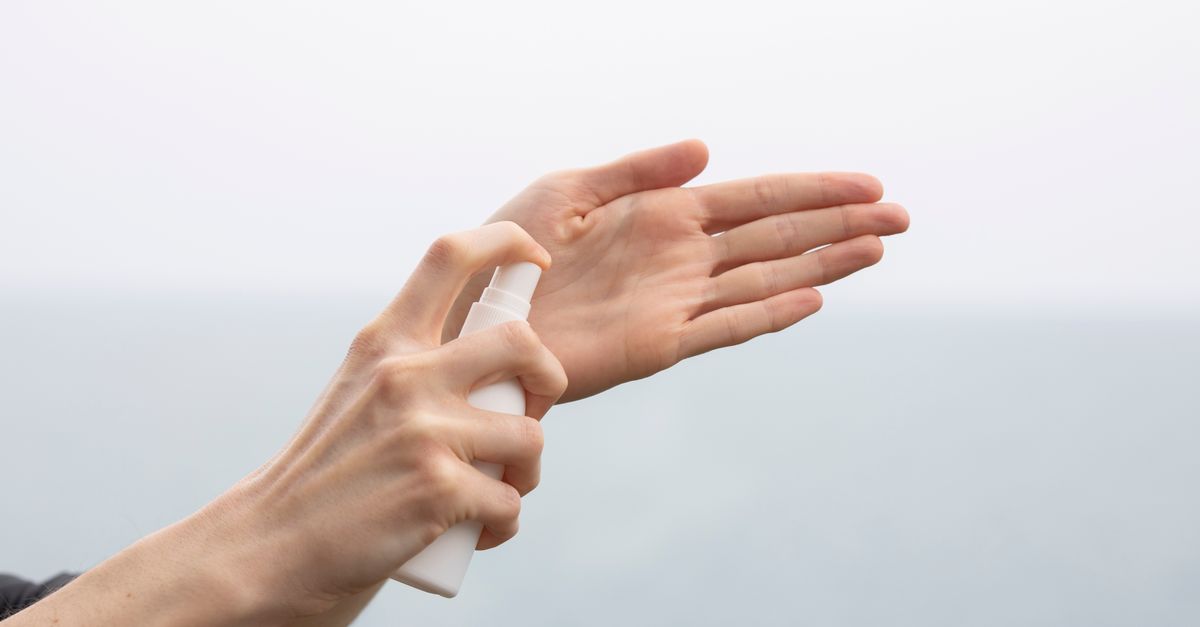
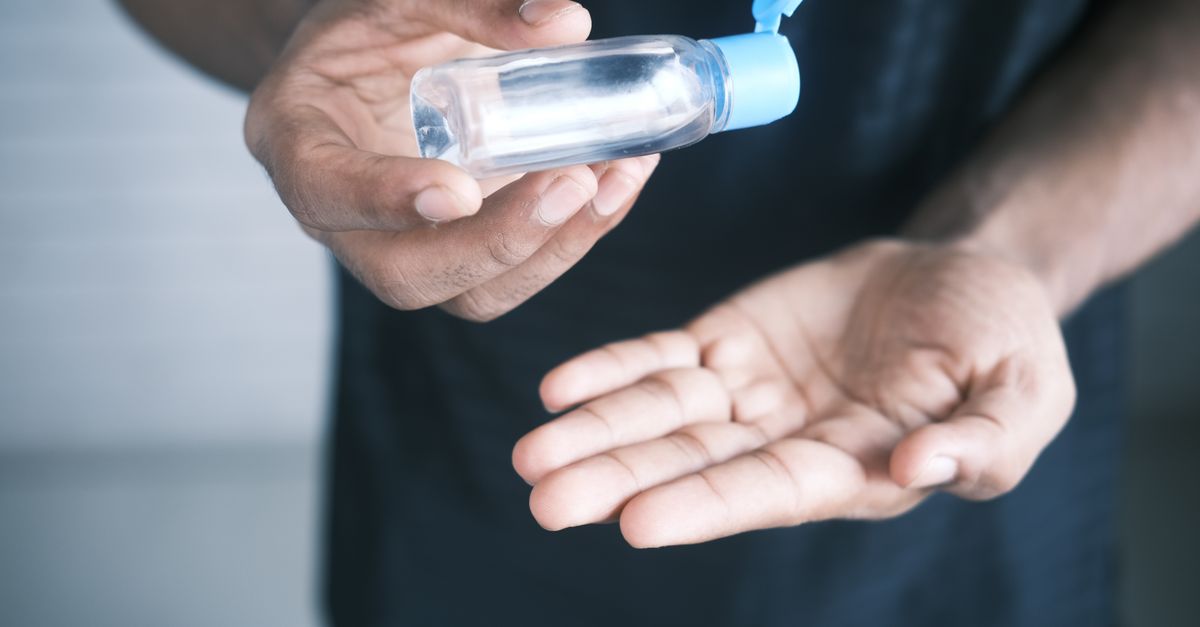
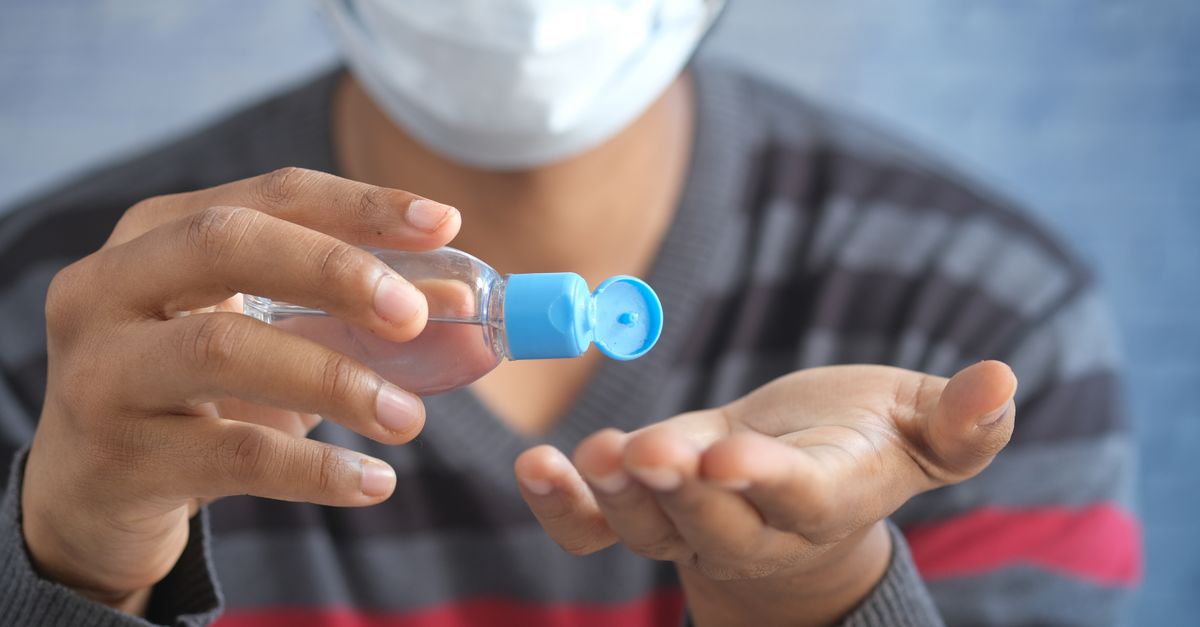
Optimal administration requires the user to dispense a liberal volume of the liquid directly into the cupped palm, sufficient to completely saturate all surfaces of both hands. The user must then engage in rigorous mechanical friction, rubbing the hands together forcefully. This friction must thoroughly cover the palmar surfaces, the dorsal aspects, the deep interdigital webs, and the highly contaminated areas surrounding the fingernails.
This aggressive rubbing action must be sustained continuously until the hands are entirely dry, a process that strictly requires twenty to thirty seconds. If the user accelerates the process by wiping their hands on a towel before the liquid has naturally evaporated, they prematurely halt the protein denaturation process, completely negating the intended bactericidal and virucidal efficacy of the product. The solution may be applied as frequently as environmental exposure necessitates.
4. In-Depth Side Effects Analysis of Sanmo-Bl
The side effect profile of topical alcohol is directly correlated to its powerful lipid-dissolving properties. While it effectively destroys the lipid membranes of bacteria, it simultaneously strips away the highly essential, protective ceramides and fatty acids inherent to the human stratum corneum.
Common Side Effects
The vast majority of clinical complaints are entirely dermatological. Repeated, daily use of the solution reliably induces significant cutaneous dehydration. Users frequently experience a persistent sensation of skin tightness, superficial flaking, and a rough texture across the hands. Applying the solution to pre-existing microscopic abrasions or heavily chapped cuticles universally triggers a brief, sharply intense stinging sensation.
Serious Side Effects You Should Report
Should the chronic removal of epidermal lipids precipitate severe irritant contact dermatitis, medical consultation is necessary. Symptoms requiring evaluation include the development of deep, persistently bleeding fissures on the knuckles, intense underlying erythema, and weeping vesicular lesions that impair hand function. Accidental introduction of the liquid into the ocular cavity guarantees an immediate, acute chemical burn accompanied by profound pain and severe conjunctival inflammation.
Rare Side Effects
Systemic physiological reactions stemming from dermal absorption are virtually non-existent in healthy adults utilizing the product for standard hygienic purposes. Extremely rare documented instances of measurable, systemic blood alcohol levels have historically occurred only during massive, full-body applications on severely compromised, highly vascularized skin, a scenario completely divergent from routine sanitization.
Side Effects That Usually Do Not Require Medical Attention
A fleeting sensation of extreme coolness as the highly volatile liquid evaporates, pulling thermal energy away from the skin, is a fundamental physical property of the solvent and requires no medical attention. Mild, transient whitening of the skin immediately following evaporation also falls within normal physiological parameters.
| Side Effect Category | Specific Symptoms |
|---|---|
| Dermatological | Severe superficial dryness, scaling, acute stinging on abrasions |
| Hypersensitivity | Irritant contact dermatitis, painful deep knuckle fissures |
| Ocular Exposure | Acute chemical burn, intense localized pain, heavy tearing |
| Systemic (Ingestion) | Profound intoxication, metabolic acidosis, respiratory depression |
5. Overdose Symptoms & Management for Sanmo-Bl
In the specific context of topical administration, a pharmacological overdose is conceptually impossible. Utilizing excessive volumes of the solution simply accelerates severe localized tissue trauma, aggressively destroying the vital lipid barrier and leading to severe chemical chapping, painful micro-fissures, and intense localized inflammation. The clinical emergency is entirely restricted to scenarios involving oral ingestion.
Swallowing significant quantities of a concentrated alcohol antiseptic introduces a massive toxic load directly into the highly sensitive gastrointestinal tract and systemic circulation. The patient will rapidly experience a sudden onset of profound ataxia, significantly slurred speech, intractable vomiting, and a highly dangerous suppression of the airway gag reflex. This blunted reflex creates an enormous risk for fatal pulmonary aspiration of gastric contents.
Emergency medical management mandates immediate intervention to secure the patient’s airway. Intravenous fluid resuscitation must be rapidly initiated to correct severe dehydration and treat profound hypoglycemia, a frequent metabolic consequence of massive acute alcohol processing by the liver. In pediatric ingestions, blood glucose parameters must be monitored with extreme vigilance, as young children plunge into dangerous hypoglycemic states significantly faster than adults.
6. Missed Dose & What to Avoid While Using Sanmo-Bl
Because Sanmo-Bl is an environmental and personal hygiene product, it operates purely on an as-needed, reactive basis. The concept of a scheduled medical dosing regimen, and thus a missed dose, is entirely clinically irrelevant. The antiseptic should be deployed precisely when microbial contamination is suspected or logically anticipated based on the user’s immediate physical interactions.
A critical behavioral avoidance involves the concurrent presence of heavy organic matter on the hands. Users must stringently avoid relying on alcohol solutions if their hands are visibly soiled with heavy dirt, automotive grease, blood, or thick proteinaceous material. The high-concentration alcohol will rapidly coagulate the organic matter on the skin surface, physically trapping viable, dangerous pathogens underneath the coagulated layer. In these instances, mechanical washing with water and detergent is an absolute necessity prior to applying alcohol.
Furthermore, users should rigorously refrain from applying the concentrated solution to delicate mucous membranes, including the lips, the interior of the nasal passages, and genitalia. The distinct lack of a robust, protective keratinized outer layer on these highly sensitive tissues ensures the chemical solvent will cause immediate, severe cellular damage and excruciating localized pain.
7. Drug & Alcohol Interactions with Sanmo-Bl
Due to the lack of meaningful systemic absorption when the solution is utilized correctly on intact skin, Sanmo-Bl does not engage in pharmacokinetic interactions with orally administered medications, intravenous pharmaceutical therapies, or complex hepatic enzyme systems.
Topical interactions, however, remain a critical component of safe patient management. Using high-concentration alcohol concurrently with other aggressive topical agents, such as prescription-strength acne medications, highly concentrated salicylic acid, or heavy-duty industrial hand cleaners, will predictably produce an overwhelming, additive irritant effect. This combined chemical assault forces the delicate skin into a state of chronic, unremitting inflammation.
There are no physiological contraindications regarding the systemic consumption of alcoholic beverages while utilizing this topical antiseptic. Circulating blood ethanol levels exert absolutely zero influence on the localized, immediate bactericidal efficacy of the active ingredient functioning on the epidermal surface.
8. Precautions, Safety & Duration of Action of Sanmo-Bl
The duration of antimicrobial protection offered by this alcohol solution is virtually non-existent following complete evaporation. The liquid acts aggressively to neutralize pathogens only during the brief seconds it remains wet on the skin. The moment the hands are entirely dry, they are fully susceptible to immediate recontamination upon touching any new, non-sterile surface.
Robust precautions are strongly advised when establishing hygiene routines for young pediatric populations. The delicate epidermal structure of infants is highly permeable and inherently prone to rapid dehydration. Young children must only use the solution under direct, continuous adult supervision to ensure they rub their hands completely dry and do not attempt to place wet, alcohol-coated fingers into their mouths or eyes.
For pregnant and nursing individuals, the standard topical use of this product for routine hand hygiene is widely considered highly safe within clinical guidelines. The entirely negligible systemic absorption ensures that fetal exposure or transfer into human breast milk is not a practical clinical concern when the product is utilized strictly for external handwashing.
9. How to Stop Taking Sanmo-Bl & Storage Guidelines
Transitioning away from this specific antiseptic solution requires absolutely no medical tapering protocol. Users can abruptly switch to traditional, non-medicated cosmetic soap and water or an entirely alternative hygiene regimen at any time without experiencing any form of localized or systemic physiological withdrawal symptoms.
Proper storage is critical to maintaining the chemical stability and safety of the highly flammable active ingredient. The product container must be stored at controlled room temperature, strictly shielded from direct, prolonged exposure to intense sunlight or excessive ambient heat sources. Storing the solution in highly heated environments, such as the dashboard of a vehicle during summer, increases internal vapor pressure, significantly elevating the risk of structural container failure or dangerous accelerated evaporation.
Disposal of empty or partially filled containers must be handled responsibly and strictly in accordance with local municipal regulations governing flammable liquids. Large, industrial volumes should never be poured directly into municipal water systems. Routine household disposal of completely empty, dry containers is generally appropriate.
10. When to See a Doctor Regarding Sanmo-Bl
Consulting a medical professional is necessary if the use of the solution precipitates severe, unmanageable dermatological reactions. If the hands develop deep, persistently bleeding fissures, aggressive swelling, or unremitting vesicular eruptions that entirely fail to resolve upon discontinuing the product, a physician must assess the heavily compromised skin for severe allergic contact dermatitis or a superimposed bacterial infection.
Accidental exposure to the ocular mucosa demands immediate, aggressive action. If prolonged, continuous flushing with tepid water for twenty minutes fails to eliminate extreme ocular pain, severe visual blurring, or robust redness, the patient requires an urgent, specialized evaluation by an ophthalmologist to definitively rule out permanent corneal abrasion or severe chemical keratopathy.
Patients who find themselves trapped in an obsessive-compulsive cycle of compulsive over-sanitizing, resulting in severe, self-inflicted tissue damage and bleeding, must be rapidly referred to a mental health specialist. In such highly complex cases, treating the underlying severe anxiety disorder is equally as critical as medically managing the localized tissue trauma, utilizing multidisciplinary approaches heavily detailed in our psychiatric reviews of fluoxetine therapy.
Frequently Asked Questions (FAQ)
1. How long must I rub my hands together for the solution to work?
To achieve maximum antimicrobial efficacy, you must scrub vigorously for twenty to thirty seconds, or until your hands are entirely dry. Wiping your hands before they dry stops the chemical process and leaves live bacteria on your skin.
2. Can I use this product to clean my face if I have severe acne?
It is strongly discouraged. The high concentration of alcohol will severely burn delicate facial skin, cause massive dryness, and trigger your skin to overproduce oil, which typically makes severe acne significantly worse.
3. Does this solution kill highly resilient viruses like the stomach flu?
Alcohol-based sanitizers exhibit significant clinical weakness against certain tough, non-enveloped viruses, such as the norovirus. Thorough handwashing with heavy friction, soap, and water is heavily preferred during a severe gastrointestinal viral outbreak.
4. Why do my hands feel intensely tight and itchy after using it?
The active ingredient aggressively destroys the lipid membranes of bacteria, but it simultaneously strips away the highly necessary, natural protective oils on your own skin. This profound lack of moisture causes the skin to rapidly contract, feel tight, and become highly pruritic.
5. Is it safe to apply hand lotion immediately after the sanitizer dries?
Yes, applying a non-medicated, highly moisturizing hand cream immediately after your hands have completely dried is an excellent clinical strategy to physically rebuild the compromised skin barrier and prevent long-term, severe irritation.
6. What should I do if my child swallows a mouthful of the liquid?
Do not induce vomiting, as the highly irritating liquid can easily be accidentally inhaled into the lungs during emesis. Contact a local poison control center or seek emergency medical evaluation immediately to ensure airway safety and monitor blood sugar levels.
7. Does this product expire and lose its effectiveness?
Yes. Over time, the highly volatile alcohol content slowly evaporates out of the container, especially if it is not sealed tightly. Once the concentration drops below sixty percent, it is no longer chemically capable of effectively destroying bacterial proteins.
Bibliography
Disclaimer: The content is for informational purposes only and does not replace medical advice. Always consult your doctor or pharmacist for personalized treatment.