1. Introduction And Mechanism Of Action Of SmileSense
SmileSense is a highly specialized oral hygiene dentifrice utilizing stannous fluoride to provide comprehensive protection against dental caries, gingivitis, and dentin hypersensitivity. The most notable side effect is the potential for mild, extrinsic brown staining on the surface of the teeth with prolonged use. This specific fluoride compound offers superior broad spectrum antimicrobial benefits compared to standard sodium fluoride formulations.
The mechanism of action is multifaceted due to the dual nature of the active molecule. The fluoride ion actively incorporates itself into the demineralized enamel matrix. By substituting hydroxyl groups in the tooth structure, it forms fluorapatite, a highly resilient crystalline compound that strongly resists acid attacks from cariogenic oral bacteria.
Simultaneously, the stannous ion acts as a potent antimicrobial and desensitizing agent. It actively interferes with the metabolic pathways of plaque forming bacteria, preventing them from adhering to the tooth surface and producing enamel destroying acids. Furthermore, the stannous ion physically occludes exposed dentinal tubules, effectively blocking external pain stimuli from reaching the dental nerve.
2. Warnings And Before Taking SmileSense
While widely recognized as safe for daily oral care, stringent age restrictions apply to fluoride formulations. Children under the age of twelve must be closely supervised during application to prevent habitual swallowing of the product. Ingesting large amounts of systemic fluoride during the critical years of dental development can lead to dental fluorosis, permanently altering the structural appearance of adult teeth.
Patients suffering from severe, untreated periodontal disease should not rely exclusively on over the counter dentifrices. While the antimicrobial action reduces mild gingivitis, it cannot cure deep periodontal pockets or halt advanced alveolar bone loss. A professional periodontal assessment is mandatory for bleeding that persists beyond two weeks of use.
Individuals with a known hypersensitivity to fluoride compounds or specific stabilizing agents found within the paste must avoid the product entirely. A severe contact allergy within the highly vascular oral cavity can cause rapid mucosal swelling and intense pain, necessitating immediate medical evaluation.
3. Indications And Dosage Guide For SmileSense
This advanced therapeutic dentifrice is indicated for the daily prevention of dental cavities, the reduction of plaque buildup, the control of early stage gingivitis, and the relief of acute dentin hypersensitivity. It serves as a comprehensive daily maintenance tool for optimal oral health.
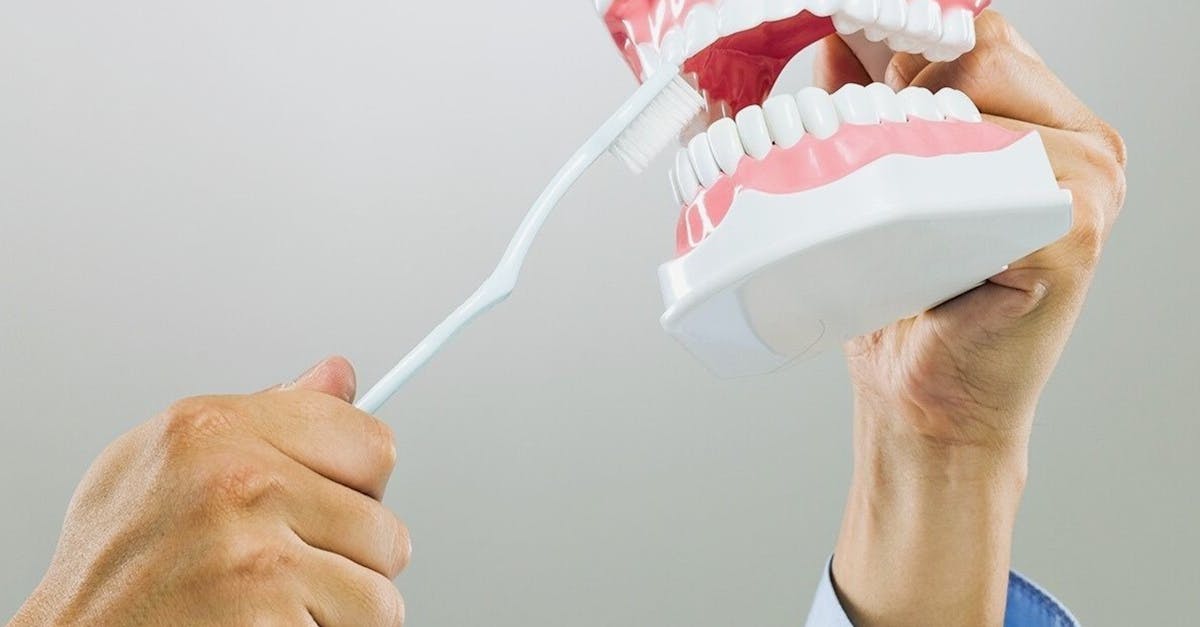
Standard clinical instructions require the patient to apply a one inch strip of the product onto a soft bristled toothbrush. The patient must brush all dental surfaces thoroughly for a minimum of two full minutes, exactly twice daily. Proper brushing technique, particularly angling the bristles toward the gingival margin, ensures the stannous ion penetrates the plaque biofilm effectively.
Crucially, the product must be expectorated completely after brushing. Patients must never swallow the paste. To maximize the remineralization and desensitizing effects, dentists frequently advise patients to spit out the excess product but avoid aggressively rinsing the mouth with water for at least thirty minutes post application.
4. In-Depth Side Effects Analysis Of SmileSense
Because the application is strictly localized to the hard and soft tissues of the oral cavity, systemic side effects are essentially non existent under normal use. However, the unique chemical properties of the stannous ion frequently produce localized cosmetic and sensory side effects.
Common Side Effects
The most universally documented adverse effect is extrinsic dental staining. The stannous ion can oxidize in the mouth, reacting with dietary chromogens to form a superficial brown or yellow pellicle on the enamel surface. This staining is entirely harmless to the tooth structure. Patients also frequently report a temporary, slightly metallic or astringent taste immediately following brushing.
Serious Side Effects You Should Report
Any signs pointing toward an acute allergic stomatitis require immediate cessation. If the patient develops sudden, widespread mucosal sloughing, severe swelling of the tongue, or painful ulcerative lesions on the gums, they must seek prompt dental or medical evaluation. These symptoms represent a severe chemical intolerance to the formulation.
Rare Side Effects
A small subset of sensitive users may experience mild desquamation of the oral mucosa, where thin layers of tissue harmlessly peel away from the inside of the cheeks. While visually alarming, this is typically painless and resolves rapidly if brushing frequency is reduced or the product is discontinued.
Side Effects That Usually Do Not Require Medical Attention
A brief period of enhanced thermal sensitivity during the first few days of use can occasionally occur before the stannous ions fully occlude the dentinal tubules. Mild, temporary dry mouth immediately after expectoration is a common physiological response to the astringent nature of the active ingredient.
| Side Effect Category | Specific Symptoms |
|---|---|
| Cosmetic Effects | Extrinsic brown or yellow tooth staining |
| Sensory Alterations | Temporary metallic taste, mild astringent feeling |
| Severe Hypersensitivity | Tongue swelling, painful mucosal ulcers |
| Tissue Reactions | Painless peeling of inner cheek tissue |
5. Overdose Symptoms Of SmileSense And What To Do
Acute toxicity is practically impossible from normal brushing. However, if a young child covertly ingests a massive quantity of the paste, acute fluoride toxicity becomes a severe clinical emergency. Symptoms of fluoride poisoning include violent nausea, repeated vomiting, severe abdominal pain, excessive salivation, and in extreme cases, muscular tremors or cardiac arrhythmias.
If a massive accidental ingestion is suspected, immediate contact with a local poison control center or emergency room is mandatory. While waiting for emergency guidance, administering a large glass of milk can be beneficial. The calcium in the milk binds directly with the fluoride ions in the stomach, forming an insoluble complex that limits dangerous systemic absorption.
6. Missed Dose And What To Avoid With SmileSense
If a patient misses a scheduled brushing session, they should resume their normal hygiene routine at the next appropriate interval. Attempting to compensate by aggressively brushing multiple times in a row provides zero additional therapeutic benefit and significantly increases the risk of severe gingival abrasion and enamel wear.
To minimize the prominent risk of extrinsic tooth staining, patients must consciously avoid consuming heavy dietary chromogens immediately after brushing. Dark tea, red wine, coffee, and highly pigmented berries contain tannins that bind aggressively to the stannous ion matrix left on the teeth, rapidly accelerating the cosmetic discoloration process.
7. Drug And Alcohol Interactions With SmileSense
Topical stannous fluoride presents virtually no risk of interacting with systemic prescription medications. A patient undergoing a course of oral antibiotics like amoxicillin for a systemic infection can safely continue using this daily dentifrice without concern for pharmacological interference.
However, a localized interaction occurs with certain prescription mouthwashes, specifically those containing chlorhexidine gluconate. The stannous ion and the chlorhexidine molecule can mutually deactivate each other if used simultaneously. Patients must strictly stagger the use of these two products by at least two hours to maintain their respective clinical efficacies.
8. Precautions, Safety And Duration Of Action For SmileSense
The desensitizing properties require continuous, cumulative application to maintain efficacy. The protective stannous barrier begins forming immediately but requires up to two weeks of consistent, twice daily brushing to provide profound relief from thermal sensitivity.
Safety hinges on regular professional dental oversight. Patients must understand that the superficial brown staining caused by the active ingredient cannot always be removed by standard brushing alone. Routine professional dental prophylaxis is necessary to polish away the oxidized stannous pellicle and maintain aesthetic brightness.
9. How To Stop Taking SmileSense And Storage
A patient can switch to a non stannous dentifrice at any point without experiencing physiological withdrawal. However, discontinuing this specific formulation will eventually lead to the unsealing of the dentinal tubules, meaning acute thermal tooth sensitivity will likely return within several weeks.
The product must be stored at a controlled room temperature. Patients must securely close the cap immediately after every use. Exposure to ambient air and high humidity environments causes the stannous fluoride compound to oxidize prematurely within the tube, severely degrading its antimicrobial and desensitizing properties before it ever reaches the mouth.
10. When To See A Doctor For SmileSense Side Effects
A clinical dental examination is required if gingival bleeding, severe toothache, or extreme thermal sensitivity persists despite four weeks of consistent, correct application. Unresolved pain typically indicates deep pulpal decay or a fractured tooth root that requires surgical endodontic intervention.
Emergency medical or dental care is absolutely necessary if the patient experiences sudden difficulty breathing, extreme swelling of the facial tissues, or the development of large, bleeding ulcers anywhere in the oral cavity following brushing. These signs dictate a severe, life threatening allergic reaction to the specific chemical formulation.
Frequently Asked Questions (FAQ)
1. Why are my teeth turning slightly brown after using this toothpaste?
The active ingredient, stannous fluoride, effectively kills bacteria but can also undergo a natural chemical reaction in your mouth that leaves a harmless surface stain on your enamel. Your dental hygienist can easily polish this stain away during a routine cleaning.
2. Is it dangerous if I accidentally swallow a small amount while brushing?
Swallowing a tiny, pea sized amount of foam during normal brushing is generally harmless for adults and older children. However, swallowing large amounts regularly can lead to mild stomach upset.
3. Can I rinse my mouth with water immediately after brushing?
To get the maximum cavity protection and desensitizing benefit, dentists highly recommend spitting out the excess paste but avoiding rinsing with water or mouthwash for at least thirty minutes.
4. Will this toothpaste cure my advanced gum disease?
No. While it is highly effective at reversing early, mild gingivitis by reducing surface plaque, it cannot reach deep into infected periodontal pockets or reverse severe bone loss. You must see a periodontist for advanced disease.
5. Why does the toothpaste leave a dry, metallic feeling in my mouth?
Stannous fluoride is a highly astringent compound. It naturally temporarily tightens the soft tissues in your mouth, leading to a brief sensation of dryness or a mild metallic taste.
6. Can I use this product on my toddler?
You must consult a pediatric dentist before using high potency fluoride products on very young children. Toddlers tend to swallow the paste, which dramatically increases the risk of permanent dental fluorosis in their developing adult teeth.
7. How long will it take for my sensitive teeth to feel better?
The active ingredient requires time to physically plug the microscopic holes in your dentin. Most patients require two to four weeks of continuous, twice daily brushing to experience significant relief from cold sensitivity.
Bibliography
Disclaimer: The content is for informational purposes only and does not replace medical advice. Always consult your doctor or pharmacist for personalized treatment.