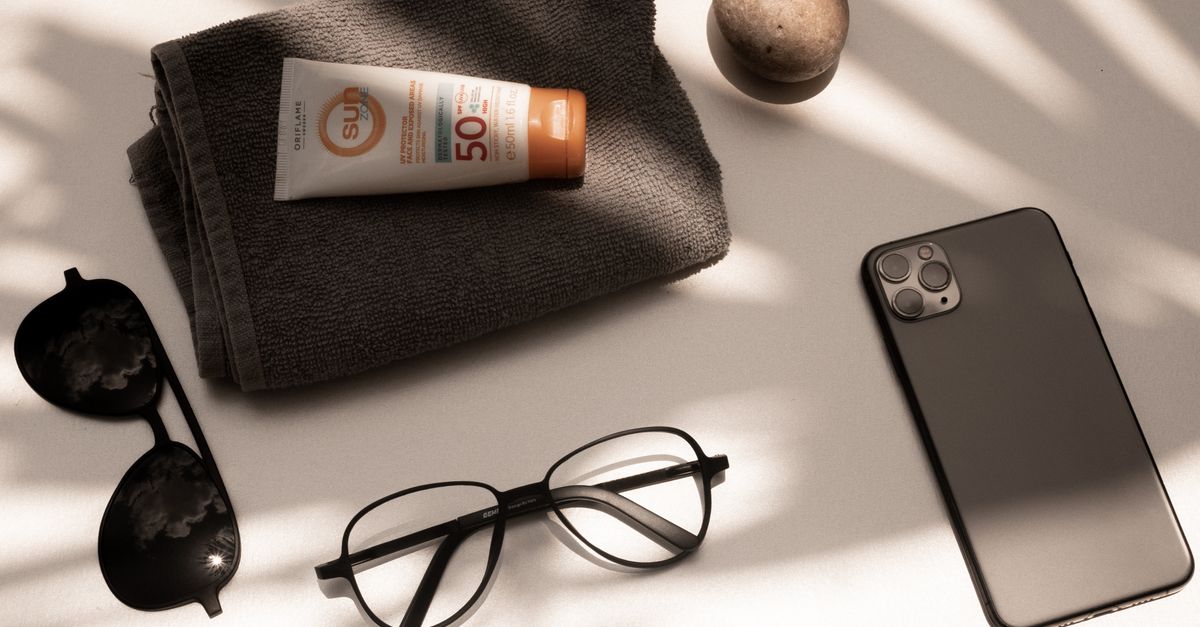
Surface Sun SPF 50 Mineral Sunscreen acts as a robust physical barrier containing zinc oxide to reflect, scatter, and absorb ultraviolet radiation, thereby preventing sunburn and long-term epidermal damage. The most prominent side effect is a temporary cosmetic white cast on the skin surface, with true pharmacological adverse reactions being exceedingly rare. By sitting on top of the stratum corneum rather than absorbing into the tissue, it provides highly tolerable broad-spectrum protection.
1. Mechanism of Action of Zinc Oxide in Surface Sun SPF 50 Mineral Sunscreen
Zinc oxide functions fundamentally differently from chemical ultraviolet filters. It is categorized as an inorganic physical blocker. When formulated into a topical dermatological emulsion, the zinc oxide particles create a highly reflective shield resting directly upon the outermost layer of the epidermis.
Upon exposure to sunlight, these microscopic mineral particles physically scatter and reflect both UVA and UVB photons away from the skin tissue. Additionally, modern dermatological science has demonstrated that zinc oxide also absorbs a significant portion of ultraviolet energy, converting it into harmless thermal energy before it can penetrate the cellular structures.
Because the active mineral compound is not absorbed into the systemic circulation or deep dermal layers, it offers a highly stable and non-irritating mechanism of action. This physical barrier begins operating immediately upon application, making it highly effective for immediate sun exposure requirements.
2. Warnings and Before Taking Surface Sun SPF 50 Mineral Sunscreen
While zinc oxide is universally recognized for its dermatological safety, certain physical precautions must be observed. The product must never be applied to deep lacerations, severe thermal burns, or actively bleeding wounds, as the mineral particulate can act as a foreign body and impede the natural physiological healing cascade.
Patients with a known, albeit exceptionally rare, hypersensitivity to zinc or the specific inactive carrier oils and emulsifiers within the formulation should strictly avoid use. A localized patch test on the forearm is a prudent measure for individuals with a history of severe atopic dermatitis or highly reactive skin profiles.
Furthermore, care must be taken to prevent direct ocular exposure. The physical particles of zinc oxide can cause mechanical abrasion to the cornea or severe conjunctival irritation if inadvertently rubbed into the eyes during application or sweating.
3. Indications and Dosage Guide for Mineral Sunscreens
This topical formulation is clinically indicated for the prevention of solar erythema and the mitigation of photoaging and skin cancer risk associated with excessive ultraviolet radiation exposure. It is particularly indicated for pediatric patients and individuals suffering from inflammatory skin conditions such as rosacea or eczema.
Optimal application requires dispensing a generous quantity of the mineral emulsion and massaging it evenly across all exposed dermal surfaces. Unlike chemical filters that require a bonding period, zinc oxide provides instantaneous photoprotection upon achieving an even layer.
Reapplication is mandatory every two hours during continuous outdoor exposure. The physical barrier is highly susceptible to mechanical removal via towel friction, heavy diaphoresis, or water immersion, necessitating immediate reapplication following these activities to maintain the designated sun protection factor.
4. In-Depth Side Effects Analysis of Zinc Oxide Sunscreens
Adverse reactions to topical zinc oxide are remarkably infrequent. The compound is biologically inert on the skin surface, meaning systemic toxicity is not a clinical concern under normal topical usage parameters.
Common Side Effects
The overwhelming majority of side effects are cosmetic rather than medical. Users frequently report a residual white or purple cast on the skin, which is a direct visual result of the mineral particles reflecting visible light. Mild tactile heavy or greasy sensations are also common due to the dense occlusive nature of the formulation.
Serious Side Effects You Should Report
True allergic contact dermatitis is exceptionally rare but can manifest as intense localized pruritus, raised erythematous plaques, and vesicular eruptions. Should these inflammatory signs develop following application, the user must discontinue the product immediately and seek dermatological evaluation to determine the specific sensitizing agent.
Rare Side Effects
In highly isolated cases involving severely compromised epidermal barriers, microscopic particulate penetration might cause localized granulomatous inflammation. This presents as small, persistent dermal nodules requiring specialized dermatological intervention and potentially corticosteroid therapy.
Side Effects That Usually Do Not Require Medical Attention
Minor pore occlusion leading to mild acneiform eruptions or temporary exacerbation of non-inflammatory comedones can occur in individuals with sebaceous, acne-prone skin. Thorough evening cleansing typically resolves this minor dermatological inconvenience.
| Side Effect Category | Specific Symptoms |
|---|---|
| Cosmetic Effects | White cast, matte or greasy tactile residue |
| Mild Dermatological | Comedone formation, minor skin dryness |
| Mechanical Irritation | Corneal abrasion if introduced into the eye |
| Allergic Reactions | Pruritus, localized erythema, vesicular dermatitis |
5. Identifying Overdose and Excessive Application
A physiological overdose resulting from the topical application of zinc oxide sunscreen is impossible. Applying an excessive volume of the product simply increases the density of the physical barrier on the skin, resulting in an intensified white cast and a highly unpleasant, heavy sensation.
Accidental oral ingestion, however, requires appropriate management. Swallowing small quantities of the cream typically results in mild, self-limiting gastrointestinal distress, including nausea and minor diarrhea, primarily driven by the heavy carrier oils and emulsifiers rather than the zinc itself.
If a substantial quantity is ingested by a pediatric patient, immediate consultation with a regional poison control center is necessary. Medical professionals will generally monitor for signs of gastric irritation and ensure adequate fluid intake to facilitate clearance of the inert materials.
6. Missed Application and Environmental Exposures to Avoid
Failure to apply the mineral sunscreen prior to intense ultraviolet exposure leaves the epidermis entirely defenseless against radiation damage. If application is forgotten, the user must apply the zinc oxide formulation immediately upon realization, as its physical reflective properties function instantly upon cutaneous contact.
Users should actively avoid prolonged exposure to direct sunlight during peak ultraviolet intensity hours. A mineral sunscreen provides a formidable shield, but it is not an absolute barrier against prolonged, intense solar radiation, and supplementary protective measures such as wide-brimmed hats and UPF-rated clothing remain essential.
Storing the emulsion in excessively hot environments, such as a closed vehicle during summer, can disrupt the formulation’s physical stability. Separation of the zinc particles from the carrier oils renders the product incapable of providing an even, protective layer across the skin.
7. Potential Drug Interactions with Topical Zinc Oxide
Because zinc oxide remains completely localized to the stratum corneum and does not enter the systemic circulation, it does not participate in any pharmacokinetic drug interactions with oral medications. It acts purely as a topical physical agent.
However, mechanical interactions on the skin surface must be considered. Applying zinc oxide simultaneously with topical prescription medications, such as hydrocortisone or tretinoin, can inhibit the percutaneous absorption of the pharmaceutical active ingredients, rendering the prescribed treatments clinically ineffective.
To prevent this physical blocking effect, prescribed topical medications should be applied first and allowed to fully absorb into the dermal layers for at least thirty minutes before the heavy mineral sunscreen barrier is layered over them.
8. Precautions, Safety, and Duration of Action for Zinc Oxide
The duration of action for a physical zinc oxide barrier relies entirely on its mechanical presence on the skin. Under completely static conditions without sweating or friction, the protection can last for hours. However, in practical outdoor scenarios, the layer is mechanically compromised, enforcing the strict two-hour reapplication protocol.
Patients with exceptionally dry or compromised skin barriers should ensure their skin is well-hydrated before applying the mineral emulsion. Some zinc oxide formulations possess inherently astringent properties that can exacerbate localized desiccation over prolonged periods of daily use.
When applying the product to pediatric patients, extreme care must be taken to avoid the hands and perioral areas to prevent inadvertent ingestion and subsequent mild gastrointestinal upset.
9. How to Remove Surface Sun SPF 50 Mineral Sunscreen Correctly
Discontinuing the use of this physical sun barrier requires proper removal techniques to maintain skin health. Because zinc oxide particles are suspended in water-resistant carrier oils and silicones, standard splash cleansing is entirely insufficient to clear the skin.
Users must employ a dedicated lipid-based cleanser, cleansing balm, or micellar water to effectively dissolve the occlusive emulsion matrix. Following this with a gentle water-based foaming cleanser ensures the complete removal of all particulate matter, preventing subsequent pore occlusion and acneiform eruptions.
Unused or expired product should be discarded in accordance with municipal solid waste regulations. The stable physical nature of the emulsion means it will not degrade rapidly, but separated or expired formulas should never be relied upon for radiation protection.
10. When to Consult a Physician Regarding Mineral Sunscreen
Medical consultation is rarely required for zinc oxide sunscreen application. However, if an individual develops rapid, spreading erythema, persistent localized pain, or extensive blistering following application, immediate dermatological assessment is mandatory to rule out a severe formulation allergy.
Inadvertent ocular exposure causing persistent photophobia, severe tearing, or a feeling of a foreign body in the eye necessitates urgent ophthalmological intervention. The physical zinc particles must be professionally irrigated to prevent permanent corneal scarring.
Finally, if a patient sustains a severe sunburn despite applying the mineral sunscreen, a clinical evaluation may be warranted to treat the burn and discuss potentially underlying photosensitizing medical conditions that require specialized photoprotection strategies.
Frequently Asked Questions (FAQ)
1. Does zinc oxide absorb into the bloodstream?
No, the zinc oxide particles in this formulation are designed to sit on top of the stratum corneum and do not penetrate into the systemic circulation.
2. Why does the sunscreen leave a white cast on my skin?
The white cast is the visual evidence of the mineral particles reflecting visible light away from the skin, confirming that the physical barrier is actively functioning.
3. Can I use this mineral sunscreen if I have acne?
Yes, zinc oxide is generally non-comedogenic and possesses mild anti-inflammatory properties, making it an excellent choice for acne-prone skin, provided it is thoroughly removed at night.
4. Is this product safe for coral reefs?
Non-nano zinc oxide is widely considered the safest ultraviolet filter for marine ecosystems and lacks the coral-bleaching properties associated with many chemical sunscreens.
5. How soon after application can I go into the sun?
Because it is a physical blocker, zinc oxide provides immediate broad-spectrum protection the moment it is evenly applied to the skin surface.
6. Can I apply makeup over this mineral sunscreen?
Yes, makeup can be carefully applied over the mineral barrier once it has settled for a few minutes, though harsh rubbing should be avoided to keep the protective layer intact.
7. Does zinc oxide expire or lose its effectiveness?
While the zinc oxide mineral itself never degrades, the inactive carrier oils and emulsifiers in the formulation can separate and expire, compromising the even distribution necessary for protection.
8. Is it safe to use on infants?
Zinc oxide is the primary recommended sun protection agent for pediatric populations, though sunscreen use is generally advised only for infants over six months of age unless directed by a pediatrician.
Bibliography
Disclaimer: The content is for informational purposes only and does not replace medical advice. Always consult your doctor or pharmacist for personalized treatment.