
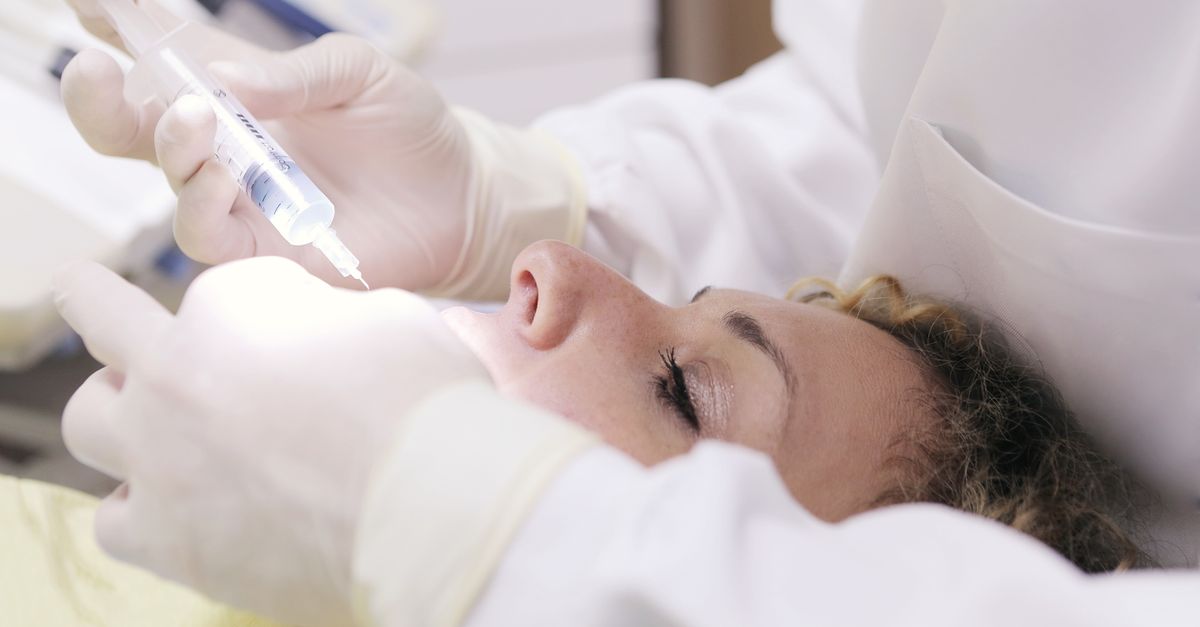
1. Introduction & Mechanism of Action for TattooGirl Numbing
TattooGirl Numbing is a targeted topical anesthetic formulated with lidocaine hydrochloride, designed specifically to desensitize the epidermal and dermal layers prior to minor cosmetic interventions. The primary side effect encountered during proper application is a transient localized blanching of the tissue or mild erythema at the application boundary.
The pharmacological profile of this formulation is defined by its role as an amide local anesthetic. Upon application to intact skin, lidocaine rapidly diffuses through the stratum corneum and binds to voltage-gated sodium channels situated on the membranes of peripheral sensory neurons. This structural blockade effectively prevents the rapid influx of extracellular sodium ions required for the depolarization phase of the action potential.
By arresting this electrical sequence, the medication completely inhibits the transmission of nociceptive pain signals from the localized dermal site to the higher processing centers of the central nervous system. The product is meticulously formulated to maximize superficial tissue anesthesia while strictly minimizing absorption into the systemic vasculature, thereby reducing the risk of generalized toxicity.
2. Warnings & Before Taking TattooGirl Numbing
Patients must rigorously avoid applying this potent local anesthetic to extensive regions of the body or employing occlusive, non-breathable dressings without explicit medical direction. Covering vast areas of treated skin dramatically enhances systemic vascular absorption, introducing a critical risk of profound central nervous system depression and potentially fatal cardiac arrhythmias.
Individuals with a documented clinical history of severe hypersensitivity to amide anesthetics must entirely avoid this preparation. While true systemic anaphylactic reactions to topical lidocaine are clinically uncommon, the risk of severe localized allergic contact dermatitis is significant and can complicate subsequent dermatological healing.
Furthermore, patients with severe hepatic dysfunction or advanced cardiovascular disease should consult a physician prior to utilization. Lidocaine relies exclusively on hepatic metabolism for systemic clearance. Consequently, compromised liver function substantially delays the elimination of any absorbed drug, exponentially increasing the risk of toxic accumulation during repeated applications.
3. Indications & Dosage Guide for TattooGirl Numbing
This preparation is explicitly indicated for the temporary desensitization of intact skin prior to localized superficial procedures, such as aesthetic tattooing, minor dermatological excisions, and the alleviation of severe localized pruritus. The product is formulated as a viscous topical agent to ensure optimal adherence to the procedural site.
The strict application protocol involves dispensing a thin, uniform layer of the formulation directly onto the specific target area. Clinicians advise applying the product approximately thirty minutes prior to the scheduled dermal procedure to ensure a profound anesthetic depth. Patients must immediately and thoroughly wash their hands to prevent inadvertent transfer to the highly sensitive ocular or oral mucosa.
It is absolutely contraindicated to apply this formulation to severe thermal burns, deep puncture wounds, or heavily blistered skin. The stratum corneum must remain structurally intact to function as a crucial rate-limiting barrier. Applying the medication to compromised tissue ensures a rapid surge of lidocaine directly into the central circulatory system.
4. In-Depth Side Effects Analysis of TattooGirl Numbing
Consistent observation of the dermal application site is absolutely necessary when utilizing powerful nerve-blocking agents to ensure localized safety and prevent systemic saturation.
Common Side Effects
The most prevalent adverse reaction is a temporary alteration in local skin pigmentation, frequently presenting as mild erythema or localized blanching driven by superficial vascular shifts. Patients universally report a profound lack of sensation but may also experience a transient, mild stinging sensation during the initial minutes of application as the formulation permeates the epidermal barrier.
Serious Side Effects You Should Report
Any sudden development of severe dizziness, slurred speech, profound visual disturbances, or severe muscular tremors indicates that the anesthetic has dangerously entered the systemic circulation, demanding immediate emergency trauma care. The emergence of intense spreading blistering or severe hives at the application site signifies an acute hypersensitivity reaction.
Rare Side Effects
In highly exceptional clinical scenarios, the excessive application of concentrated lidocaine has triggered methemoglobinemia, a severe oxygen-depriving blood dyscrasia. This pathology manifests rapidly as an unexplained bluish tint to the lips and fingertips, profound lethargy, and a dangerously rapid resting heart rate, requiring immediate critical care intervention.
Side Effects That Usually Do Not Require Medical Attention
A fleeting sensation of localized coolness, minor flaking of the skin as the gel matrix dries, or a very brief period of localized warmth are considered routine, harmless physiological responses to the topical base ingredients and do not require medical intervention.
| Side Effect Category | Specific Symptoms |
|---|---|
| Localized Dermal | Transient erythema, blanching, temporary stinging |
| Systemic Neurological | Slurred speech, severe tremors, profound dizziness |
| Severe Blood Disorders | Cyanosis, profound lethargy |
| Severe Hypersensitivity | Intense blistering, severe spreading hives |
5. Overdose Symptoms of TattooGirl Numbing and Management
An acute systemic overdose of a sodium channel blocker is a catastrophic medical event. Toxicity follows a highly specific biphasic pattern, beginning with severe central nervous system excitation, including extreme confusion, auditory hallucinations, and violent generalized seizures.
If systemic saturation is suspected, emergency medical services must be activated without delay. The initial excitatory phase rapidly deteriorates into profound central nervous system depression, leading to sudden respiratory arrest and intractable cardiovascular collapse. Emergency clinical treatment focuses on aggressive airway intubation, seizure management with targeted benzodiazepines, and the potential administration of intravenous lipid emulsions to bind the circulating local anesthetic.
6. Missed Dose & What to Avoid with TattooGirl Numbing
As this formulation is utilized strictly on an as-needed basis for localized sensory block, the concept of a missed therapeutic dose is inapplicable. Patients may reapply the product for returning localized pain only if they have not exceeded the strict daily volume limits defined by the manufacturer protocol.
During administration, patients must absolutely avoid exposing the treated dermal area to external heat sources. Applying heating pads, soaking in hot water, or engaging in strenuous exercise heavily dilates the local capillary beds, accelerating the vascular absorption of the anesthetic and dangerously pushing the patient toward systemic toxicity.
7. Drug & Alcohol Interactions with TattooGirl Numbing
Patients prescribed systemic antiarrhythmic therapies, specifically Class I agents like mexiletine, must obtain strict cardiological clearance before utilizing topical lidocaine. The concomitant use of multiple sodium channel blockers initiates a dangerous, synergistic suppression of the cardiac conduction pathways.
Alcohol consumption is heavily discouraged during use. Severe systemic intoxication deeply blunts the patient central sensory awareness, radically increasing the risk that the patient will unknowingly subject the profoundly numbed area to severe mechanical trauma or thermal burns without registering tissue damage.
8. Precautions, Safety & Duration of Action for TattooGirl Numbing
The localized sensory block is typically achieved within thirty minutes of application, with peak anesthetic depth highly dependent on the thickness of the local stratum corneum. The clinical duration of the numbness usually persists for one to two hours before sensory function is fully restored.
Pregnant women must exercise strict clinical caution. Lidocaine is known to readily cross the placental barrier and can accumulate in fetal circulation if applied excessively. Obstetric clearance is strictly required, and application must be rigorously limited to small, highly localized areas for brief periods to minimize any risk of fetal exposure.
9. How to Stop Taking TattooGirl Numbing & Storage Guidelines
Use of the topical formulation can be halted immediately once the requirement for localized anesthesia concludes. There is absolutely no risk of pharmacological withdrawal syndromes or physiological rebound effects upon cessation.
The medication must be stored securely at controlled room temperature, entirely out of the reach of pediatric populations. The accidental oral ingestion of even a small quantity of concentrated topical anesthetic by a child is rapidly fatal. The container must remain tightly capped to preserve the integrity of the specialized delivery vehicle.
10. When to See a Doctor Regarding TattooGirl Numbing
Immediate emergency room evaluation is critical if the patient experiences sudden cardiovascular irregularities, severe shortness of breath, or an altered level of consciousness. These symptoms confirm that the localized barrier has failed and a severe systemic toxic event is actively occurring.
If the localized pain the patient is attempting to treat becomes increasingly severe, radiates to other areas of the body, or is accompanied by purulent discharge and localized hyperthermia, they must immediately cease application and consult a physician to diagnose a potential deep structural injury or severe soft tissue infection.
Frequently Asked Questions (FAQ)
1. Can I use this product to numb my gums for a toothache?
No. Applying potent topical skin anesthetics to the highly vascular oral mucosa bypasses the epidermal barrier, leading to rapid systemic absorption and a severe risk of cardiac toxicity.
2. What should I do if my child accidentally swallows this cream?
Call emergency medical services immediately. Accidental oral ingestion of potent local anesthetics in children is highly lethal and requires instantaneous emergency cardiovascular support.
3. Will this cream prevent the pain of a deep muscle injection?
No. This formulation is designed to numb only the most superficial layers of the skin. It cannot penetrate deep enough to blunt the pain of intramuscular injections.
4. Is it safe to apply this cream before laser hair removal?
It can be used for minor aesthetic procedures, but only under the direct, strict supervision of a medical professional to ensure safe application areas and prevent systemic toxicity.
5. Why is the skin completely white where I applied the product?
Profound, localized blanching is a harmless, expected physiological response caused by the constriction of tiny superficial blood vessels at the application site.
6. Can I cover the area with a tight bandage so my clothes do not rub the cream off?
No. Occluding the area with a tight bandage traps heat and forces the drug into the bloodstream, vastly increasing your risk of a severe systemic overdose.
7. Does this medication thin the blood?
No. Lidocaine hydrochloride specifically targets the electrical conduction of nerves and has zero pharmacological impact on the coagulation cascade or blood platelets.
8. How soon can I wash the area after applying the cream?
You should gently wipe off any residual cream immediately prior to your scheduled dermal procedure, or as soon as the desired localized numbness has been achieved.
Bibliography
Disclaimer: The content is for informational purposes only and does not replace medical advice. Always consult your doctor or pharmacist for personalized treatment.
