1. Introduction and Mechanism of Action for TheraCare Bacitracin Zinc
TheraCare Bacitracin Zinc is a topical antimicrobial ointment utilized to prevent secondary bacterial infections in minor cuts, scrapes, and superficial burns. The most frequently reported side effect is a mild, localized allergic contact dermatitis, presenting as transient redness or mild itching strictly confined to the application site.
The therapeutic efficacy of this product relies on its ability to disrupt bacterial cellular infrastructure. Bacitracin zinc is a polypeptide antibiotic that interferes with the final stages of bacterial cell wall synthesis. It achieves this by binding to and inhibiting isoprenyl pyrophosphate, a critical lipid carrier molecule. This blockade prevents the transfer of essential peptidoglycans into the growing bacterial cell wall.
Without a structurally sound cell wall, the targeted bacteria undergo rapid osmotic lysis and cell death. Bacitracin is particularly highly active against a wide spectrum of Gram-positive organisms, including various strains of Staphylococcus and Streptococcus. Because it is formulated in a heavy petrolatum base, the ointment also provides an occlusive physical barrier that retains essential tissue moisture while physically shielding the wound from environmental pathogens.
2. Warnings and Prerequisites Before Using TheraCare Bacitracin Zinc
Before applying this topical antibiotic, clinicians must evaluate the severity and depth of the patient’s wound. This formulation is strictly contraindicated for application on deep puncture wounds, severe animal bites, or severe thermal burns covering large body surface areas. Utilizing a heavy ointment on deep, contaminated injuries can trap dangerous anaerobic bacteria within the tissue bed, promoting a severe, deep-seated infection.
Patients with a documented history of severe hypersensitivity to bacitracin must absolutely avoid this product. While less common than allergies to neomycin, bacitracin sensitization is well documented in dermatological literature. Re-exposing a sensitized individual to this antibiotic will trigger a profound localized inflammatory cascade, significantly delaying the natural wound healing process.
Furthermore, this ointment is formulated exclusively for external epidermal application. It must never be applied to the ocular surface or inserted into the ear canal. Ocular exposure can lead to severe chemical conjunctivitis, requiring immediate and extensive saline irrigation to prevent corneal damage.
3. Indications and Dosage Guide for TheraCare Bacitracin Zinc
TheraCare Bacitracin Zinc is clinically indicated for first-aid prophylaxis against superficial bacterial infections in minor epidermal trauma. It is highly suitable for patients who require infection prevention but possess known allergies to combination antibiotic ointments containing neomycin or polymyxin B.
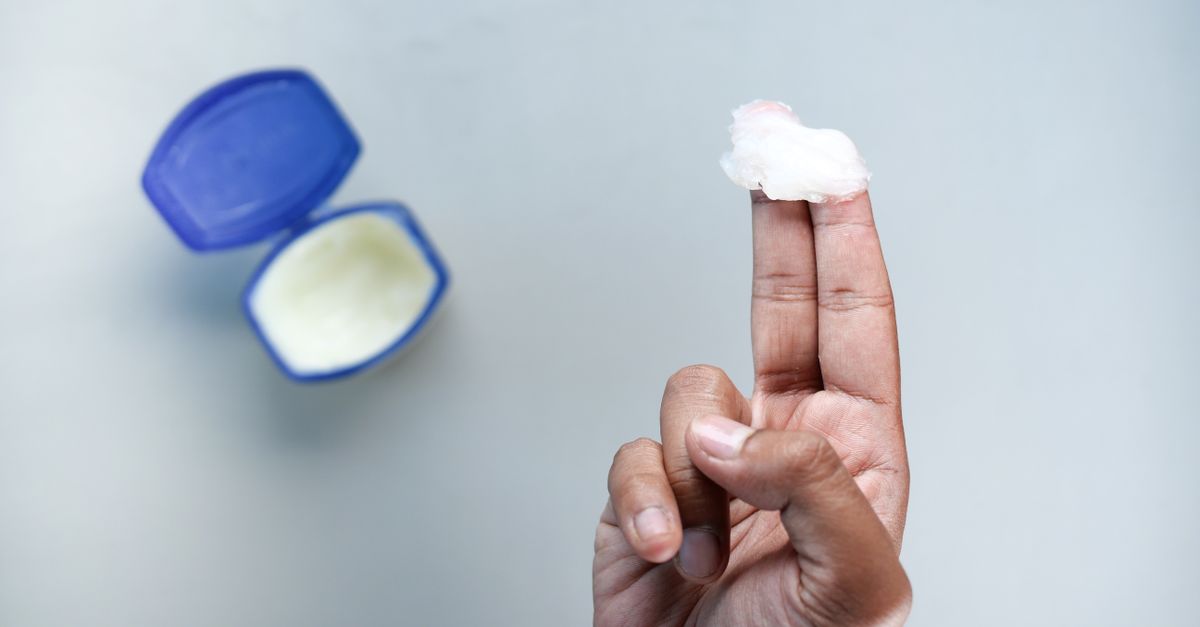
For optimal prophylactic efficacy, the application protocol must be strictly observed. The patient must first cleanse the affected area thoroughly with mild soap and water, ensuring all foreign debris is removed, and then dry the tissue completely. A minimal amount of the ointment, roughly equivalent to the size of a pea, should be applied gently to the wound surface.
This application can be repeated one to three times daily. The treated lesion may be left open to the air or protected with a sterile adhesive bandage. Clinical guidelines strictly mandate that continuous use of this product should not exceed seven consecutive days. Prolonged application heavily promotes the proliferation of resistant bacterial strains and increases the risk of acquired fungal superinfections.
4. In-Depth Side Effects Analysis of TheraCare Bacitracin Zinc
Applying a polypeptide antibiotic suspended in a heavy lipid base to compromised epidermal tissue carries an inherent risk of localized adverse dermatological responses.
Common Side Effects
The interaction between the active antibiotic, the petrolatum base, and the traumatized tissue frequently triggers mild sensory and physical alterations.
| Side Effect Category | Specific Symptoms |
|---|---|
| Dermatological | Mild localized redness, feeling of skin tightness around the wound |
| Sensory Reactions | Brief stinging or a sensation of warmth upon initial application |
Serious Side Effects You Should Report
Patients must immediately discontinue use and seek a clinical evaluation if they develop signs of a severe allergic contact dermatitis. The sudden emergence of intense, worsening redness, severe tissue swelling, continuous burning pain, or the formation of weeping blisters surrounding the wound indicates a profound hypersensitivity reaction requiring immediate medical intervention.
Rare Side Effects
In exceedingly rare clinical scenarios, chronic over-application to severely denuded skin can lead to systemic absorption. If absorbed systemically in large quantities, bacitracin poses a significant risk of nephrotoxicity, which refers to drug-induced kidney damage. This risk is primarily why bacitracin is restricted to topical rather than systemic use in modern medicine.
Side Effects That Usually Do Not Require Medical Attention
A heavy, slightly greasy sensation on the skin is an expected physical characteristic of the protective petrolatum base and requires no clinical intervention. Minor difficulty in washing the ointment residue completely off the surrounding healthy skin with water alone is also an expected consequence of its hydrophobic formulation.
5. TheraCare Bacitracin Zinc Overdose Symptoms and Management
A systemic, life-threatening overdose resulting from the standard, localized topical application of this ointment on minor wounds is physiologically highly improbable. The bacitracin molecules are not readily absorbed into the systemic bloodstream in any pharmacologically relevant volume through small superficial abrasions.
However, accidental oral ingestion of the ointment, particularly by young children, poses a moderate toxicity hazard. Ingesting substantial quantities of the concentrated antibiotic and the lipid base acts as a direct gastric irritant. Symptoms of notable ingestion include immediate nausea, mild abdominal cramping, and vomiting. The heavy petrolatum base will also exert a pronounced laxative effect, leading to diarrhea.
In the event of severe localized skin irritation from hypersensitivity, the patient must immediately wash the affected areas with a strong surfactant cleanser and warm water. If a pediatric patient accidentally ingests the product, caregivers should not induce vomiting. Immediate consultation with a regional poison control center or a primary care physician is strictly required for supportive care guidance.
6. Missed Dose and What to Avoid During Therapy
Because this antibiotic formulation is utilized strictly on an as-needed basis for acute first-aid management, a strict dosing schedule is not medically relevant. If a patient requires continued infection prophylaxis, they simply clean the wound and reapply the ointment, ensuring they do not exceed three applications per twenty-four-hour period.
During the treatment phase, a critical safety mandate is the strict avoidance of chronic, long-term use. Patients must not use this product continuously for more than seven days. Utilizing antibiotics on the skin for extended periods aggressively eradicates the natural, healthy skin microbiome. This biological disruption invites severe superinfections by resistant bacteria or aggressive fungal pathogens.
Furthermore, patients should avoid applying this heavy ointment simultaneously with other potent topical medications, such as those discussed in clinical guides regarding topical mupirocin or hydrocortisone, unless explicitly directed by a physician. Layering multiple active chemical agents severely compounds tissue irritation and delays the natural wound healing cascade.
7. Drug and Alcohol Interactions with TheraCare Bacitracin Zinc
The risk of significant systemic drug interactions is virtually non-existent when the product is used appropriately on minor wounds. Because the active antibiotic acts exclusively within the localized superficial tissues and does not enter the systemic bloodstream in significant volumes, it cannot interact with or alter the hepatic metabolism of orally administered medications.
However, localized topical interactions are a critical consideration in wound care. Patients must avoid applying this heavy, lipid-based ointment over wounds that have already been treated with liquid skin adhesives or surgical glues. The petrolatum base acts as a powerful solvent that will rapidly degrade and dissolve surgical adhesives, causing the wound to reopen and exposing it to secondary infection.
There is no direct pharmacological interaction between this localized topical ointment and the consumption of oral alcohol. Nevertheless, substantial alcohol consumption systemically suppresses immune function and impairs blood clotting. This can delay the body’s natural ability to close the wound and restore epidermal homeostasis, slowing the overall healing process.
8. Precautions, Safety, and Duration of Action
The antimicrobial action of bacitracin begins immediately upon contact with the bacterial cells within the wound bed. The protective barrier provided by the petrolatum remains highly effective until it is physically wiped away by clothing, bandages, or purposeful washing, necessitating reapplication up to three times daily.
A paramount safety precaution involves meticulous hand hygiene. Patients must wash their hands thoroughly before and immediately after applying the ointment. Applying the product with unclean hands physically rubs environmental bacteria directly into the wound, completely defeating the prophylactic purpose of the antibiotic.
For optimal wound healing, safety protocols dictate that the treated wound should be kept clean and appropriately covered with a sterile bandage. Leaving an ointment-covered wound exposed to dirty environments allows environmental dust and debris to stick to the greasy lipid base, turning the wound into a localized trap for new pathogens.
9. How to Stop Taking TheraCare Bacitracin Zinc and Storage Guidelines
Discontinuing this localized therapy requires no formal medical tapering schedule. Patients should safely cease application once the minor cut or scrape has formed a solid, healthy scab and the localized pain has subsided, typically within three to five days. Stopping the application allows the scab to dry out completely and heal naturally from the inside.
To preserve the complex chemical stability of the polypeptide antibiotic, the product must be stored correctly. The tube must be kept tightly sealed at controlled room temperature, strictly protected from freezing and excessive heat. Freezing can destroy the ointment emulsion, while high heat can permanently degrade the active bacitracin molecules.
Expired products must be immediately discarded. Over time, the active antibiotic loses its structural integrity and therapeutic capabilities, offering a false sense of security while leaving the wound completely vulnerable to bacterial infection. Proper disposal involves throwing the sealed tube into standard household waste.
10. When to Seek Medical Attention for TheraCare Bacitracin Zinc Use
Medical evaluation is strictly mandatory if the wound shows no signs of healing, or if the localized pain, redness, and swelling begin to worsen significantly after several days of consistent application. Unyielding or escalating symptoms serve as a clear clinical indicator that the bacteria in the wound are highly resistant to bacitracin, requiring a physician to prescribe targeted systemic oral antibiotics.
Patients must seek prompt clinical care if they notice signs of a severe, advancing bacterial infection spreading beyond the wound site. The emergence of rapidly expanding red streaks traveling up an extremity, significant heat radiating from the tissue, or the onset of a systemic fever signals a dangerous blood infection requiring immediate emergency intervention.
Emergency medical intervention is absolutely critical if the patient displays symptoms of a systemic anaphylactic response to the ointment. Rapid swelling of the tongue and throat, profound difficulty breathing, or a widespread, severe rash immediately following application indicate a life-threatening hypersensitivity to the antibiotic requiring urgent pharmacological resuscitation.
Frequently Asked Questions FAQ
1. Why does my cut look more red and itchy after using this ointment for a few days?
You are likely developing an allergic reaction to the bacitracin. Allergic contact dermatitis is a known side effect and causes severe redness and itching that mimics a worsening infection. You must stop using the product immediately.
2. Does this ointment make my cut heal faster?
The ointment does not artificially speed up the biological healing process. It kills bacteria to prevent infection and provides a moist environment, which allows your body’s natural healing mechanisms to work efficiently without interference.
3. Can I use this product on a severe burn to prevent infection?
No. Severe burns require specialized medical treatment. Applying this strong antibiotic ointment over a large, severely burned surface area increases the risk of dangerous amounts of the drug entering your bloodstream.
4. Is it safe to put this ointment inside my nose if it is dry and cracked?
Medical guidelines advise against using petrolatum-based products inside the nose. If the heavy ointment is accidentally inhaled into your lungs over a long period, it can cause a severe type of lipid pneumonia.
5. Why is it dangerous to use this ointment for more than seven days?
Using antibiotics on your skin for prolonged periods eradicates your healthy, protective bacteria. This biological void allows highly dangerous, antibiotic-resistant bacteria or severe fungal infections to colonize the wound.
6. What should I do if the ointment accidentally gets directly into my eye?
You must immediately flush your eye with copious amounts of fresh, cool water for a minimum of fifteen minutes. The heavy ointment base will cause significant blurred vision and irritation if not completely flushed out.
7. Can I apply this ointment over a surgical incision that was just glued shut?
No. The heavy petrolatum base in the ointment will rapidly dissolve and break down surgical glues, causing your incision to instantly split open and exposing it to severe infection.
Bibliography
Disclaimer: The content is for informational purposes only and does not replace medical advice. Always consult your doctor or pharmacist for personalized treatment.