1. Introduction & Mechanism of Action of Thieves Chest Rub
Thieves Chest Rub deploys a synergistic botanical matrix comprising natural camphor, eucalyptus oil, and menthol to deliver palliative relief for mild upper respiratory congestion and localized muscle discomfort. The most prevalent side effect encountered during treatment is highly localized cutaneous irritation or mild contact dermatitis directly at the application site. These volatile organic compounds function primarily as potent topical counterirritants, actively manipulating the peripheral nervous system rather than altering the underlying respiratory pathology.
Camphor and menthol orchestrate a complex neurosensory response upon contacting the epidermis. Camphor specifically binds to and activates TRPV1 and TRPV3 receptors, which are responsible for detecting warmth and modulating localized vascular tone. Simultaneously, menthol vigorously activates TRPM8 cold receptors. This simultaneous activation of competing thermal receptors bombards the central nervous system with intense localized sensory input, effectively distracting the brain from perceiving the dull, aching pain of muscular fatigue or bronchial tightness.
Eucalyptus oil serves a dual purpose within this specific formulation. Topically, it acts as a mild rubefacient, promoting localized vasodilation and increased superficial blood flow. When the volatile aromatic compounds from all three active ingredients evaporate at skin temperature, they are actively inhaled into the respiratory tract. These cooling vapors stimulate sensory nerve endings within the nasal mucosa, producing a subjective sensation of increased airflow and improved nasal patency, thereby providing profound symptomatic relief for chest congestion.
2. Warnings & Before Taking Aromatic Chest Rubs
Prior to applying this potent aromatic matrix, caretakers and patients must absolutely understand the strict physiological boundaries of camphor and menthol. This formulation is explicitly manufactured solely for external topical use. Accidental oral ingestion of camphor is highly dangerous and can precipitate rapid, severe neurotoxicity, leading to acute systemic convulsions, hepatotoxicity, and profound respiratory depression.
Patients must rigorously avoid applying this active ointment directly beneath the nostrils, on the immediate mucosal margins of the lips, or near the delicate periorbital tissue. The highly volatile aromatic vapors will rapidly induce severe mucosal irritation, profuse reflex tearing, and intense burning if introduced directly into these sensitive environments. Furthermore, applying the rub to actively broken skin, severe deep tissue burns, or weeping eczematous lesions will instantly provoke excruciating chemical pain and facilitate unwanted systemic absorption.
Pediatric clinical guidelines are unyielding regarding topical camphor and menthol. This specific formulation must be utilized with extreme clinical caution in young children and is generally strictly contraindicated for infants and toddlers under two years of age. The highly sensitive pediatric respiratory tract can react unpredictably to intense aromatic vapors, occasionally triggering paradoxical reflex bronchospasm or glottic closure, severely compromising the pediatric airway.
3. Indications & Dosage Guide for Thieves Chest Rub
This aromatic botanical ointment is clinically indicated for the temporary palliative relief of minor muscular aches and the subjective alleviation of uncomplicated chest congestion associated with the common cold. It serves strictly as an immediate comfort measure and possesses absolutely no antimicrobial or antiviral properties capable of curing an underlying respiratory infection.
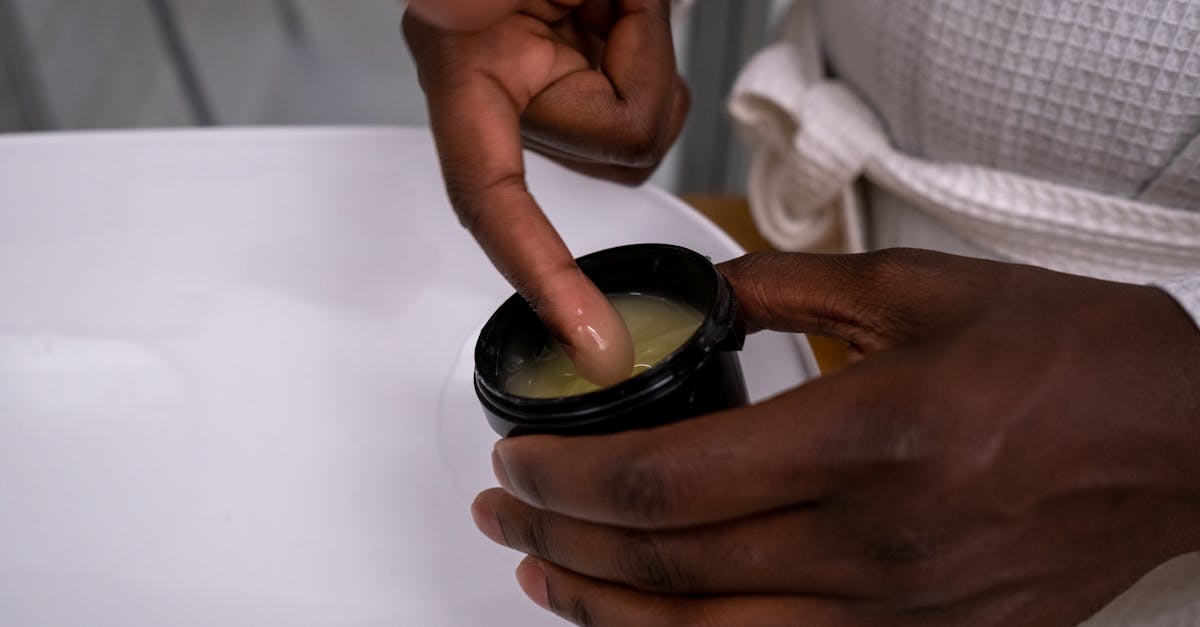
Clinical administration dictates applying a thick, generous layer of the ointment strictly to the intact skin of the upper chest and anterior throat. The application site should be gently cleansed prior to use. For optimal aromatic efficacy, the patient should wear loose clothing around the neck and chest to allow the volatile vapors to evaporate freely and reach the nasal passages.
Depending entirely on patient comfort and the natural dissipation of the aromatic compounds, the formulation may be safely reapplied up to three times daily. If the patient experiences bothersome severe stinging, pronounced cutaneous burning, or the rapid development of a localized erythematous rash, the application must be immediately and permanently suspended.
4. In-Depth Side Effects Analysis of Camphor and Menthol
The adverse effect profile of this aromatic counterirritant rub is primarily restricted to local cutaneous and mild respiratory reactions. True systemic toxicity remains exceedingly rare under standard clinical usage protocols, localizing side effects heavily to varying degrees of epidermal irritation.
Common Side Effects
The majority of standard adverse events relate directly to the intended neurosensory modulation. Patients routinely report a transient sensation of sharp stinging, profound freezing, or intense warmth immediately following application. Because camphor and eucalyptus oil trigger mild vasodilation, a temporary increase in localized erythema directly at the application site is a standard physiological response.
Serious Side Effects You Should Report
Acute dermatological toxicity requires prompt clinical evaluation. Severe unrelenting burning sensations, the rapid formation of deep tissue blistering, or pronounced localized tissue swelling strictly indicate severe allergic contact dermatitis or a chemical burn. Furthermore, if the patient experiences sudden wheezing, severe coughing fits, or acute respiratory distress immediately after inhaling the vapors, this indicates a paradoxical bronchospasm requiring emergency intervention.
Rare Side Effects
In exceptionally rare clinical scenarios involving the aggressive application of high-concentration camphor over massive body surface areas, systemic absorption can occur, leading to mild neurotoxicity presenting as severe lethargy or altered mental status. True localized allergic contact dermatitis presenting with widespread highly pruritic urticaria is another remarkably rare complication.
Side Effects That Usually Do Not Require Medical Attention
Mild surface dryness resulting from the prolonged presence of the essential oils and highly transient pruritus as the cooling effect dissipates are expected clinical phenomena. These represent the active neurosensory process functioning as intended and require only the removal of the ointment to manage patient comfort.
| Side Effect Category | Specific Symptoms |
|---|---|
| Common Dermatological | Intense thermal sensations, transient stinging, mild localized redness |
| Serious Dermatological | Severe unrelenting burning, deep blistering, paradoxical bronchospasm |
| Rare Systemic / Allergic | True urticaria, systemic neurotoxicity, severe contact dermatitis |
5. Overdose Symptoms and Management for Aromatic Ointments
Systemic overdose from utilizing a standard topical counterirritant rub is a profound pharmacological anomaly under normal clinical use. However, systemic camphor toxicity is a highly critical medical emergency strictly resulting from the accidental or deliberate oral ingestion of the ointment, frequently occurring in unsupervised pediatric populations.
The exact presentation of oral camphor toxicity involves rapid onset severe nausea, profound vomiting, a distinct aromatic odor to the breath, profound severe ataxia, and the rapid precipitation of severe generalized tonic-clonic seizures. Without immediate medical intervention, severe respiratory depression and profound hepatic failure rapidly follow.
Management of a systemic oral overdose strongly requires immediately contacting a regional poison control center and accessing emergency medical services. Vomiting should absolutely not be artificially induced, as aspirating the oily ointment into the lungs will cause severe chemical pneumonitis. Localized severe dermatological overdoses require immediately washing the affected area with copious amounts of cool water and a mild soap-free cleanser to thoroughly remove any residual active oils.
6. Missed Dose & What to Avoid While Using Thieves Chest Rub
Missing a scheduled application of this palliative ointment poses zero medical risk and simply allows the underlying muscular discomfort or subjective congestion to return as the neurosensory block fades. Patients should calmly apply the product when discomfort necessitates relief. Vigorously rubbing multiple extra layers into the skin simultaneously will not accelerate healing and drastically increases the probability of localized chemical burns.
During active treatment, patients must meticulously avoid utilizing external heat sources directly over the treated area. Applying electric heating pads, taking excessively hot showers, or wrapping the chest tightly in impermeable plastic while camphor and menthol remain active on the skin can dangerously alter thermal perception, rapidly leading to severe deep tissue burns without the patient registering the pain.
Additionally, patients should actively avoid applying the thick ointment directly inside the nasal cavity. The heavy lipid base of the ointment can theoretically be aspirated deeply into the pulmonary tree over time, leading to a highly dangerous condition known as lipoid pneumonia, which severely impairs normal respiratory function.
7. What Drugs Interact with Thieves Chest Rub?
The brief localized topical application of this botanical matrix significantly minimizes the distinct risk of systemic pharmacological interactions. The dominant clinical concern entirely focuses on severe additive localized cutaneous toxicity strictly when rapidly combined with other potent topical analgesic treatments.
Simultaneous unmonitored application of other potent topical counterirritants containing high concentrations of methyl salicylate or capsaicin creates a severely complicated neurosensory environment. This chaotic combination frequently heavily leads to profound epidermal stripping, agonizing neurological pain, and severe chemical burns.
Patients actively utilizing potent topical keratolytic medications must strictly employ extreme clinical caution. Applying camphor and menthol over skin that has been recently treated with harsh physical scrubs or deep chemical peels will result in immediate excruciating pain, as the heavily compromised stratum corneum allows the volatile counterirritants to directly highly stimulate deep dermal nerve fibers.
8. Precautions, Safety & Duration of Action for Camphor and Menthol
The extremely safe integration of this aromatic ointment strongly requires applying the active solution explicitly to unbroken, relatively intact skin. The volatile nature of the formulation will rapidly cause intense immediate pain if accidentally introduced to deep open excoriations or active inflammatory rashes.
The duration of clinical action is heavily concentrated during the exact period the formulation remains actively evaporating on the tissue surface. The neurosensory cooling effect and the aromatic vapor release generally peak within thirty minutes and slowly dissipate over the subsequent four to six hours. This moderate duration requires repeated application for sustained nocturnal comfort.
For pregnant individuals, the topical use of low-concentration botanical counterirritants is generally considered broadly acceptable in modern clinical practice. However, widespread aggressive application over massive body surface areas is discouraged due to theoretical risks of unwanted systemic absorption of camphor. Consultation with a specialized obstetric care provider remains the absolute safest clinical protocol.
9. How to Stop Taking Aromatic Chest Rubs & Storage
Discontinuing the highly regular application of this topical active ointment completely does not induce any severe physiological withdrawal or rapid rebound phenomena. Patients may safely strictly stop active treatment abruptly as their underlying viral symptoms naturally resolve.
Precise environmental storage strongly ensures the strict chemical stability of the active essential oils. The active ointment must be rigorously maintained at standard stable room temperature, securely totally away from direct intense solar radiation and extreme ambient heat sources. The formulation container completely must be kept tightly closed tightly to strictly prevent the rapid evaporation of the volatile aromatic compounds.
Disposal of expired or entirely discontinued medication should heavily align with strictly standard household guidelines. The highly active chemical ointment strictly should never be ingested internally or dangerously utilized for any entirely off-label severe dermatological experimentation.
10. When to See a Doctor Regarding Chest Rub Side Effects
A formal highly rigorous clinical evaluation by a specialized medical provider is strictly absolutely imperative if the normally expected localized side effects rapidly evolve into severe completely intractable dermal reactions. Immediate profound medical intervention is strictly required if the highly vulnerable patient rapidly presents with widespread blistering, severe deep tissue sloughing, or rapid symptoms clearly indicative of a dangerous paradoxical reflex bronchospasm.
Patients completely should also urgently seek medical counsel if their underlying respiratory presentation completely fails to improve or objectively drastically worsens rapidly, developing into a severe high fever, productive purulent cough, or deep chest pain. These symptoms indicate a severe lower respiratory infection, such as pneumonia, which cannot be managed with topical palliative counterirritants.
Any rapid physical manifestation highly suggestive of deep systemic camphor toxicity, strictly resulting from accidental oral ingestion, is an absolute critical medical emergency. The acute rapid onset of profound ataxia, severe nausea, or deep neurological seizures entirely demands immediate strict evaluation heavily in an emergency clinical setting.
Frequently Asked Questions (FAQ)
1. Can I safely put this chest rub directly under my nose to clear my sinuses?
You must absolutely avoid applying this potent ointment directly beneath the nostrils or inside the nasal cavity. The volatile vapors will cause severe mucosal burning, and the lipid base poses a strict risk of aspiration leading to dangerous lipoid pneumonia.
2. Will this ointment actually cure my underlying viral chest cold?
This specific formulation provides strictly palliative neurosensory relief. It effectively masks the subjective feeling of congestion and muscle ache but possesses absolutely zero antimicrobial properties capable of actively destroying the underlying viral or bacterial infection.
3. Why is my skin turning slightly red where I applied the rub?
Camphor and eucalyptus oil function as mild topical rubefacients. They actively stimulate localized vasodilation, increasing superficial blood flow to the application site, which naturally manifests clinically as a mild, highly transient localized erythema.
4. Is it safe to apply a heating pad over the chest rub to drive it deeper?
Absolutely not. Applying artificial external heat sources directly over skin treated with potent chemical counterirritants dangerously alters your peripheral thermal perception, completely blinding your nerves to rising heat and frequently resulting in severe deep tissue thermal burns.
5. Can I use this product safely on my six-month-old infant?
Topical formulations heavily containing camphor and menthol are strictly contraindicated for infants. The highly intense aromatic vapors can easily trigger severe paradoxical reflex bronchospasm, rapidly causing severe respiratory distress in highly sensitive pediatric airways.
6. Why does the ointment feel simultaneously burning hot and freezing cold?
This unique neurosensory phenomenon occurs because the formulation simultaneously activates competing peripheral nerve receptors. Menthol aggressively triggers TRPM8 cold receptors, while camphor actively stimulates TRPV1 warmth receptors, creating a highly complex, distracting sensory cascade.
7. What should I do if my child accidentally eats a small amount of the ointment?
Oral ingestion of camphor is a critical medical emergency. Do not induce vomiting. You must immediately contact your regional poison control center or transport the child to an emergency medical facility to aggressively monitor for rapid neurotoxicity and severe seizures.
8. Can I actively dissolve this ointment in hot water in a humidifier?
Unless the specific mechanical humidifier strictly provides an approved medicine cup explicitly designed for volatile ointments, you should completely avoid adding lipid-based rubs directly to the water reservoir, as it will rapidly destroy the internal mechanical components of the machine.
Bibliography
Disclaimer: The content is for informational purposes only and does not replace medical advice. Always consult your doctor or pharmacist for personalized treatment.