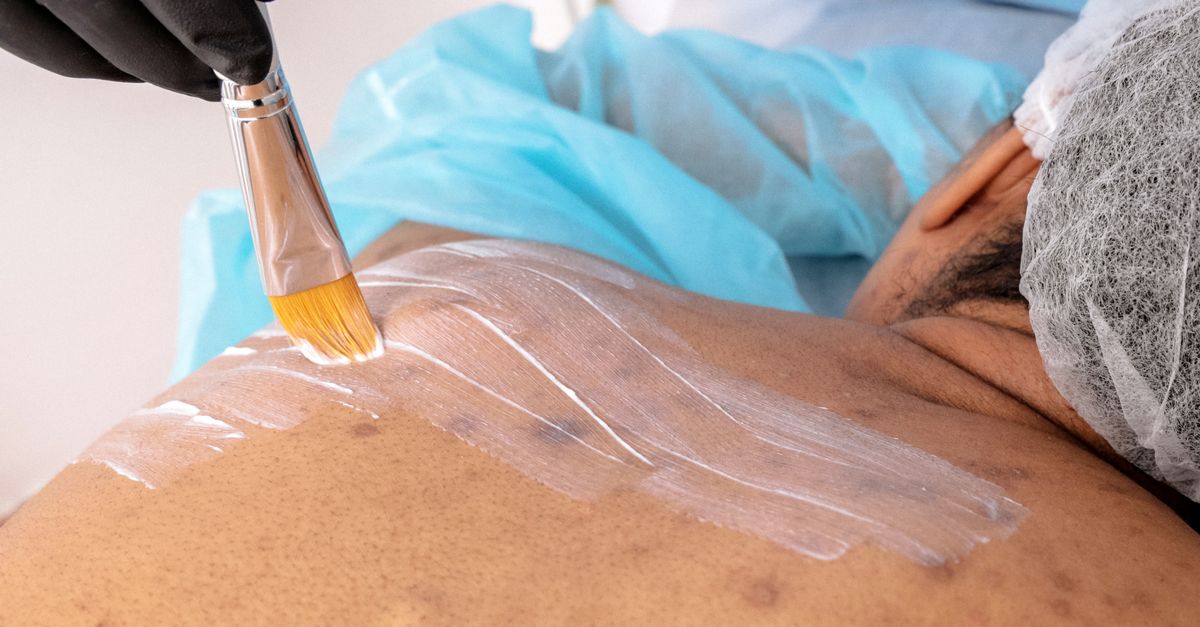
Tiege Hanley formulations containing salicylic acid are topical dermatological treatments indicated for the management and prevention of acne vulgaris. The most prominent side effect is localized epidermal irritation, which frequently manifests as dry skin, peeling, and mild erythema at the application site.
1. Introduction and Mechanism of Action of Tiege Hanley Salicylic Acid
Salicylic acid is a beta-hydroxy acid that functions as a potent keratolytic and comedolytic agent. Its lipophilic structure allows it to effectively penetrate the lipid-rich environment of the pilosebaceous unit, commonly known as the skin pore.
Once inside the pore, it disrupts the intercellular desmosomes that bind epithelial cells together, thereby promoting the desquamation of dead stratum corneum cells. This rapid exfoliation unplugs comedones, clears impacted sebum, and prevents the formation of new microcomedones. Furthermore, salicylic acid possesses mild anti-inflammatory properties that help reduce the localized swelling and erythema associated with active papulopustular acne lesions.
2. Warnings and Before Using Tiege Hanley Salicylic Acid
This dermatological therapy is strictly for external dermal application. It must never be applied to severely compromised skin, including deep lacerations, active severe eczema, or areas of acute thermal injury. Applying keratolytic agents to raw tissue induces profound chemical burns and drastically increases the risk of systemic absorption.
Patients with a documented allergy to salicylates, including aspirin, should approach this treatment with high clinical suspicion. Although topical absorption is generally minimal, systemic cross-reactivity can occur. Additionally, individuals with severely dry or sensitive skin must initiate therapy cautiously, as the active ingredient will inevitably exacerbate baseline epidermal dehydration.
3. Indications and Dosage Guide for Tiege Hanley Salicylic Acid
Salicylic acid topicals are clinically indicated for the treatment of mild to moderate acne vulgaris, targeting comedones, papules, and pustules on the face.
Application protocols dictate washing the affected area with a gentle cleanser and allowing the skin to dry completely. A thin layer of the medication should then be applied to the entire affected area, not just individual lesions, one to three times daily. Because excessive drying of the skin may occur, clinical guidelines suggest starting with one application daily and gradually increasing to two or three times daily if needed or as directed by a physician.
4. In-Depth Side Effects Analysis of Tiege Hanley Salicylic Acid
Topical beta-hydroxy acids disrupt the epidermal barrier by design, meaning minor localized adverse events are expected as part of the therapeutic process.
Common Side Effects
The vast majority of users will experience mild to moderate epidermal dryness, scaling, and flaking. Erythema and a transient stinging or burning sensation are frequently noted immediately following application. These effects generally signify the keratolytic action of the compound and typically peak within the first two weeks of therapy.
Serious Side Effects you should report
Severe hypersensitivity reactions are uncommon but require emergency intervention. Seek immediate medical care if you develop severe swelling of the face and lips, severe generalized urticaria, or any respiratory distress. Additionally, if the application site develops severe blistering, oozing, or profound, unrelenting pain, the treatment must be halted immediately.
Rare Side Effects
In exceedingly rare instances involving application over massive surface areas or under occlusive dressings, sufficient systemic absorption can trigger salicylism. Symptoms of salicylate toxicity include tinnitus, extreme fatigue, nausea, and altered mental status.
Side effects that usually do not require medical attention
Slight hyperpigmentation changes in patients with darker skin tones may occasionally occur as inflammatory acne lesions resolve, though this is often related to the acne itself rather than the medication. Minor tightness of the skin is a benign and expected side effect.
| Side Effect Category | Specific Symptoms |
|---|---|
| Dermatological | Dryness, scaling, peeling, erythema |
| Sensory | Mild burning, transient stinging |
| Immunological | Allergic contact dermatitis |
| Systemic (Extremely Rare) | Tinnitus, nausea via salicylism |
5. Overdose Symptoms and Management for Tiege Hanley Salicylic Acid
A localized overdose from over-application manifests as severe chemical irritation, characterized by painful erythema, deep fissuring of the skin, and intense burning. If this occurs, the patient must cease application immediately, wash the face with cool water, and apply a bland, non-comedogenic emollient.
Oral ingestion of topical salicylic acid products represents a severe toxicological emergency. Systemic salicylate poisoning disrupts cellular respiration and leads to severe metabolic acidosis. If swallowed, emergency medical services and a poison control center must be contacted immediately. Clinical management requires rapid hospitalization for potential gastric decontamination and aggressive fluid resuscitation.
6. Missed Dose and What to avoid with Tiege Hanley Salicylic Acid
If a scheduled application is missed, the user should resume their normal routine at the next scheduled time. Attempting to make up for a missed application by applying a double layer of the acid will rapidly overwhelm the skin barrier and induce severe chemical burns.
Patients must strictly avoid utilizing other potentially irritating topical products concurrently on the treated skin. This includes abrasive physical exfoliants, harsh astringents containing high concentrations of alcohol, and products containing sulfur or benzoyl peroxide unless explicitly directed by a dermatologist. Combining these agents dramatically amplifies epidermal destruction.
7. What drugs interact with Tiege Hanley Salicylic Acid?
The primary pharmacological interactions are localized to the stratum corneum. Concurrent use of topical prescription retinoids like tretinoin or adapalene with salicylic acid will result in severe synergistic irritation and erythema. If both are prescribed, they are typically applied at completely different times of the day to manage tolerability.
Systemic drug interactions are highly improbable when applied to limited areas of intact facial skin. However, patients on systemic oral anticoagulants should be cautious, as extreme systemic absorption of salicylates can theoretically alter bleeding times, though this risk is negligible in standard facial acne therapy.
8. Precautions, Safety and Duration of Action of Tiege Hanley Salicylic Acid
The keratolytic effect of the medication begins immediately upon penetration of the pore, but visible clinical resolution of acne lesions typically requires four to six weeks of consistent therapy. The drug clears microcomedones before they emerge, necessitating application to the entire acne-prone area rather than just visible spots.
Sun sensitivity is mildly increased due to the continuous exfoliation of the protective dead skin layer. Patients must employ diligent daily sun protection utilizing broad-spectrum sunscreens to prevent post-inflammatory hyperpigmentation and severe sunburns on the newly exposed tissue.
9. How to stop taking Tiege Hanley Salicylic Acid and Storage/Disposal
Discontinuing the medication requires no tapering protocol. However, because acne vulgaris is a chronic condition driven by internal follicular factors, halting the keratolytic therapy will likely result in a slow recurrence of comedones and inflammatory lesions within several weeks.
Store the product at standard room temperature, securing the cap tightly to prevent the evaporation of any carrier solvents. Ensure the container is kept entirely away from pediatric populations. Dispose of empty or expired containers in routine household waste.
10. When to see a doctor regarding Tiege Hanley Salicylic Acid
Medical evaluation is recommended if the acne lesions show zero clinical improvement after eight weeks of continuous daily use. Immediate dermatological intervention is required if the skin becomes severely inflamed, continuously weeps clear fluid, or if signs of a secondary bacterial infection emerge, such as increasing heat, purulent discharge, or spreading facial pain.
Frequently Asked Questions
1. How exactly does this acid clear my pores?
It works by dissolving the sticky bonds that hold dead skin cells together. Because it is oil-soluble, it can penetrate deep into the pore to dissolve trapped sebum and cellular debris.
2. Is it normal for my acne to look worse during the first week?
Yes, a process known as skin purging frequently occurs. The rapid exfoliation forces underlying microcomedones to the surface faster than normal, temporarily increasing the number of visible breakouts.
3. Why is my skin flaking so heavily?
Flaking is the primary clinical action of the drug. It is forcefully accelerating the shedding of your outer skin layer. You can manage this by applying a gentle moisturizer after the acid has dried.
4. Can I use this product if I have a severe sunburn?
Absolutely not. Applying an exfoliating acid to skin damaged by ultraviolet radiation will cause severe pain, delay the healing process, and drastically increase the risk of scarring.
5. Does this medication bleach clothes or towels?
Unlike some other acne treatments, this specific beta-hydroxy acid does not possess bleaching properties and will not discolor your fabrics or hair.
6. Can I use it on blackheads specifically?
Yes, it is highly effective against open comedones, commonly called blackheads, because it actively breaks down the oxidized keratin and sebum plug blocking the pore.
7. Should I wash the product off after a few minutes?
Unless it is formulated specifically as a wash-off cleanser, leave-on treatments should remain on the skin to allow the active ingredient sufficient time to penetrate the pilosebaceous units.
Bibliography
Disclaimer: The content is for informational purposes only and does not replace medical advice. Always consult your doctor or pharmacist for personalized treatment.