1. Introduction and Mechanism of Action for Uber Numb Topical Anesthetic
Uber Numb Topical Anesthetic is a targeted dermatological preparation formulated to induce temporary numbness on the skin surface. The most common side effect is a brief period of localized skin redness or mild stinging immediately following application. It acts as a primary barrier against acute pain during superficial medical or cosmetic procedures.
The active compound is lidocaine hydrochloride, which functions as an amide-type local anesthetic. When applied to intact skin, the cream permeates the outer epidermal layers to reach the sensory nerve endings. At the cellular level, the medication selectively binds to voltage-gated sodium channels situated on the neuronal membranes.
By occluding these channels, the compound prevents the influx of sodium ions required for nerves to generate electrical impulses. This blockade completely halts the transmission of pain signals from the localized application site to the central nervous system, resulting in profound but temporary anesthesia.
2. Warnings and Before Taking Uber Numb Topical Anesthetic
A primary clinical warning involves the severe risk of systemic toxicity if the product is misused. Applying this concentrated cream over expansive areas of the body or over broken, blistering skin allows significant quantities of the chemical to rapidly enter the bloodstream. This rapid absorption can precipitate dangerous neurological and cardiovascular events.
Patients presenting with significant hepatic impairment require careful clinical consideration. Amide anesthetics are cleared from the body almost entirely by the liver. Reduced hepatic function drastically prolongs the presence of the drug in the systemic circulation, heightening the risk of delayed systemic toxicity even with standard topical doses.
This preparation is strictly contraindicated in individuals with a known hypersensitivity to amide local anesthetics. In highly sensitized patients, exposure can trigger allergic contact dermatitis or systemic anaphylaxis. Additionally, patients with a clinical history of methemoglobinemia should consult a physician before utilizing topical numbing agents.
3. Indications and Dosage Guide for Uber Numb Topical Anesthetic
This formulation is explicitly indicated for the temporary desensitization of intact skin prior to dermal procedures such as laser hair removal, minor needle insertions, or tattooing. It also provides temporary relief for acute localized pain associated with minor scrapes, insect bites, and minor thermal burns.
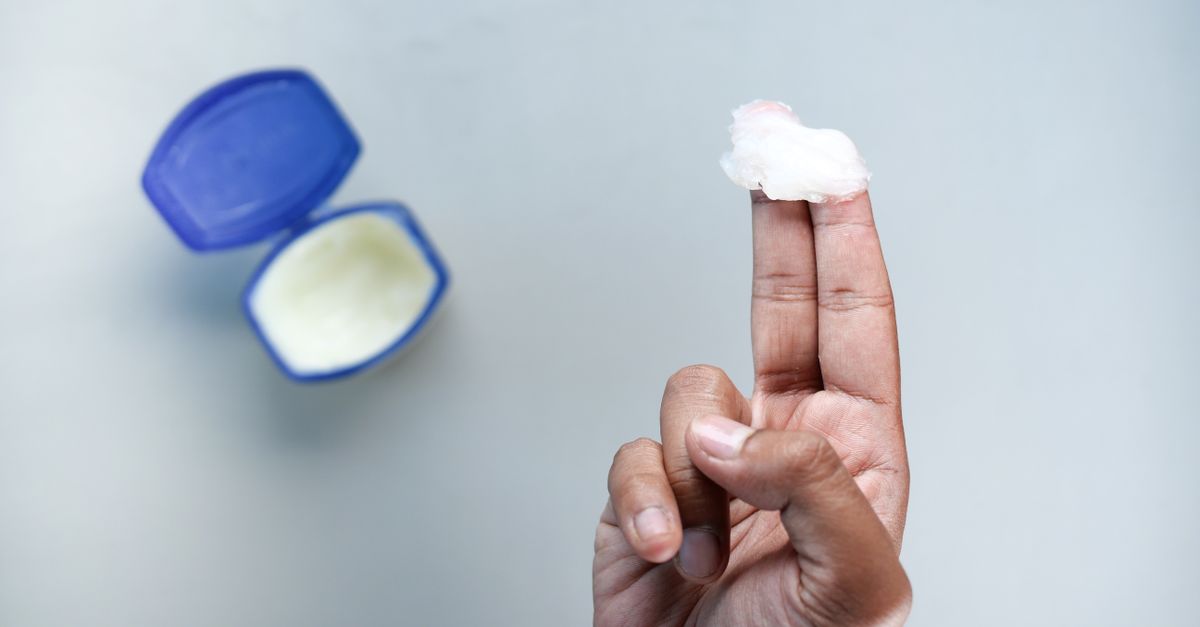
The recommended clinical protocol involves applying a thin, even layer directly to the targeted intact skin. The cream should be left undisturbed for twenty to thirty minutes prior to the scheduled procedure to achieve optimal dermal penetration.
Once the desired numbing effect is reached, all residual cream must be completely wiped away before any procedure begins. Patients must strictly adhere to maximum daily application limits and confine the cream to the smallest surface area necessary to achieve pain relief.
4. In-Depth Side Effects Analysis of Uber Numb Topical Anesthetic
Understanding the potential localized and systemic adverse reactions ensures the safe utilization of this potent topical agent.
Common Side Effects
Most adverse reactions remain entirely localized to the application site. Patients routinely experience a transient blanching of the skin caused by the localized vasoconstrictive properties of the drug. A brief sensation of mild warmth or localized itching frequently occurs just before the complete numbing effect engages.
Serious Side Effects You Should Report
Immediate emergency intervention is required if symptoms indicating systemic central nervous system absorption manifest. These critical signs include sudden severe dizziness, auditory ringing, generalized confusion, blurred vision, or noticeable muscle twitching.
Signs of a severe localized allergic response must also be reported urgently. If the application site develops painful, weeping blisters or significant swelling that radiates outward, the medication must be removed immediately with mild soap and water.
Rare Side Effects
In instances of severe systemic overdose, central nervous system excitation can progress into generalized seizures and subsequent respiratory depression. The precipitation of clinical methemoglobinemia, a condition that severely impairs blood oxygenation and causes blue discoloration of the lips, is a rare but documented pharmacological risk.
Side Effects That Usually Do not Require Medical Attention
A fleeting sensation of coldness as the cream base evaporates and slight, temporary skin tightness are standard physiological responses. Provided these minor reactions resolve swiftly upon removal of the cream, clinical follow-up is not required.
| Side Effect Category | Specific Symptoms |
|---|---|
| Common | Transient blanching, mild warmth, localized itching |
| Serious | Auditory ringing, muscle twitching, severe dizziness |
| Allergic | Weeping blisters, expanding dermal swelling |
| Rare | Respiratory depression, methemoglobinemia |
5. Overdose Symptoms and Management for Uber Numb Topical Anesthetic
A systemic overdose is a critical medical emergency that typically results from inappropriate application. Covering the treated area with an occlusive, non-breathable dressing or applying the cream to broad swathes of damaged skin forces a dangerous volume of the drug into the systemic circulation.
The clinical presentation of toxicity begins with profound central nervous system excitation. Patients may exhibit severe anxiety, visual disturbances, tremors, and generalized convulsions. This excitatory phase is often rapidly followed by severe nervous system depression, leading to respiratory failure and cardiovascular collapse.
Emergency management requires immediate advanced life support. Treatment focuses on securing the airway, administering targeted anticonvulsants to halt seizure activity, and providing robust cardiovascular support. For refractory cardiac arrest secondary to anesthetic poisoning, intravenous lipid emulsion therapy is utilized to rapidly clear the lipid-soluble drug from the myocardial tissue.
6. Missed Dose and What to Avoid While on Uber Numb Topical Anesthetic
Since this topical formulation is utilized exclusively on an as-needed, prophylactic basis prior to procedures, the concept of a missed dose does not apply. If the targeted area requires subsequent desensitization, patients must wait until the designated safe time interval has elapsed to prevent dangerous chemical accumulation.
Patients must absolutely avoid applying this potent cream to any mucous membranes, particularly the eyes, inner nose, or oral cavity. Introduction to these sensitive, highly vascular tissues results in exceptionally rapid systemic absorption and severe localized chemical irritation.
Furthermore, avoid engaging in strenuous physical activity or exposing the treated skin to high temperatures immediately after application. Elevated body heat and increased localized blood flow drastically accelerate the systemic uptake of the active compound, completely bypassing the intended localized effect.
7. Drug and Alcohol Interactions with Uber Numb Topical Anesthetic
Systemic drug interactions are largely avoided through proper, localized application. However, patients prescribed oral Class I antiarrhythmic drugs must exercise profound caution. If significant amounts of the topical anesthetic are absorbed, the additive cardiovascular effects can precipitate unpredictable cardiac arrhythmias.
Concurrent utilization of other over-the-counter topical anesthetics, such as benzocaine creams or sprays, is strictly contraindicated. Combining multiple local anesthetics offers no superior pain relief but dangerously compounds the risk of reaching a toxic threshold in the central nervous system.
Dietary alcohol consumption possesses no direct chemical interaction with the active compound on the skin surface. However, alcohol significantly impairs judgment, rendering a patient much more susceptible to misinterpreting dosing instructions and accidentally inducing a systemic overdose through careless application.
8. Precautions, Safety, and Duration of Action for Uber Numb Topical Anesthetic
The medication provides a rapid onset of action, typically achieving profound localized anesthesia within twenty to thirty minutes of continuous application. The resultant numbing effect generally persists for one to two hours following the complete removal of the residual cream.
Extreme caution must be exercised when utilizing this formulation on pediatric patients. The pediatric epidermal layer is remarkably thin, and their high surface-area-to-mass ratio ensures they absorb topical medications at an accelerated rate compared to adults. A safe dose for an adult can easily induce systemic toxicity in a small child.
Following application, the desensitized skin must be rigorously protected from physical injury. Because the sensory nerves are temporarily paralyzed, the patient is entirely incapable of feeling secondary thermal burns or mechanical trauma, which can lead to severe, inadvertently inflicted tissue damage.
9. How to Stop Taking Uber Numb Topical Anesthetic and Storage Guidelines
Therapy is halted immediately once the painful procedure is finalized or the acute dermal pain has resolved. The drug interacts solely with peripheral sensory nerves and completely spares the central nervous system reward pathways, eliminating any risk of physiological dependency.
The cream must be stored securely at a stable room temperature, away from extreme heat sources and direct sunlight. Exposing the product to high ambient temperatures will degrade the active chemical molecule and cause the emulsion base to separate and spoil.
Prompt, secure disposal of the container is necessary once the product is no longer required. Leaving partially used tubes of potent anesthetic cream in accessible locations creates a severe hazard for accidental oral ingestion by young children or domestic pets.
10. When to See a Doctor Regarding Uber Numb Topical Anesthetic
Medical evaluation is critical if the application site develops a severe, painful, and expanding red rash that persists long after the medication has been washed off. This presentation suggests a severe allergic contact dermatitis that requires targeted topical corticosteroid intervention.
Seek emergency assistance immediately if the patient displays any signs of systemic neurological toxicity, including sudden confusion, inability to articulate words, slurred speech, or profound unexplained drowsiness following the application.
Consult a physician urgently if the numbing sensation completely fails to resolve after several hours, or if you experience a persistent tingling or loss of motor function in the treated area. This indicates potential localized nerve damage requiring specialized neurological assessment.
Frequently Asked Questions (FAQ)
1. How does this medication block pain?
It temporarily shuts down specific electrical channels in the skin nerves, preventing pain signals from reaching your brain during the procedure.
2. Can I use this cream on a large sunburn?
No. Applying this potent cream to a large surface area of damaged skin allows dangerous amounts of the chemical to enter your bloodstream rapidly.
3. Why must I wipe the cream off before the procedure begins?
The residual cream must be removed to prevent the active chemicals from being pushed directly into deeper tissues or the bloodstream by needles.
4. Is it safe to use this inside my mouth for a toothache?
Absolutely not. This specific formulation is highly toxic if applied to the mucous membranes of the mouth or accidentally swallowed.
5. How long should I leave the cream on before my procedure?
For maximum effect, it generally needs to remain on the skin for twenty to thirty minutes, but you must adhere strictly to the package directions.
6. Can I wrap the area in plastic to make it work faster?
You should never use plastic wrap unless explicitly instructed and monitored by a doctor, as it forces rapid absorption that can cause a severe overdose.
7. Will this cream interact with my daily blood pressure pills?
When used properly on small areas, it does not interact with standard oral medications because very little enters your systemic circulation.
8. Why does my skin feel slightly warm when I first apply it?
The cream base can briefly stimulate the skin surface before the active numbing agent fully engages and shuts down the sensory nerves.
9. Can I use a heating pad over the numbed skin later?
It is highly dangerous. Your skin is numb and cannot feel heat, making it incredibly easy to accidentally give yourself a severe burn.
10. Is it safe to use on my child before a vaccination?
You must consult a pediatrician first. Children absorb topical chemicals very quickly, and adult formulations can easily cause toxicity in a small child.
Bibliography
Disclaimer: The content is for informational purposes only and does not replace medical advice. Always consult your doctor or pharmacist for personalized treatment.