1. Introduction & Mechanism of Action of Unscented Sanitizer
Unscented Sanitizer utilizes high-concentration ethyl alcohol for immediate antimicrobial action against transient environmental pathogens. The primary clinical side effect associated with routine application is cumulative cutaneous dehydration, which can lead to superficial epidermal flaking and irritant contact dermatitis.
The core pharmacological efficacy of this formulation relies entirely on the potent solvent properties of the alcohol base. When an optimal concentration of sixty to eighty percent alcohol is applied to the epidermis, it rapidly destabilizes the lipid bilayer of pathogenic bacteria and enveloped viruses. Upon penetrating the microbial cell wall, the alcohol actively denatures internal structural proteins and vital metabolic enzymes, causing them to permanently coagulate. This abrupt cellular disruption neutralizes the pathogen within seconds of physical contact.
The intentional absence of added fragrance compounds in this specific formulation provides a distinct dermatological advantage. While the volatile alcohol solvent still strips protective lipids from the skin, the lack of synthetic perfumes significantly lowers the statistical probability of triggering allergic contact dermatitis, making an unscented product notably safer for individuals with highly reactive or sensitive skin profiles.
2. Warnings & Before Taking Unscented Sanitizer
The administration of any high-concentration alcohol product carries a strict warning regarding severe flammability. Users must rigorously avoid deploying this sanitizer near open flames, lit tobacco products, active stovetops, or environments with significant electrostatic discharge. The volatile vapors emitted during the evaporation phase are highly combustible and can precipitate severe thermal burns upon ignition.
Individuals presenting with severe, deeply fissured eczema, active psoriasis plaques, or widespread unhealed epidermal wounds should avoid repeated application. Applying highly concentrated alcohol to deep lacerations causes agonizing pain and precipitates localized cellular damage, delaying the natural physiological mechanisms of vital wound healing.
Furthermore, patients must be acutely aware that this product is designed strictly for external topical friction. Under absolutely no circumstances should the gel or liquid be ingested. Oral consumption of denatured sanitizers frequently leads to acute alcohol poisoning, profound metabolic acidosis, and clinically significant central nervous system depression.
3. Indications & Dosage Guide for Unscented Sanitizer
Unscented Sanitizer is medically indicated for the rapid, waterless decontamination of human hands in scenarios where traditional handwashing with mechanical friction, soap, and running water is unavailable. It serves as a primary tool in clinical, ambulatory, and community settings to intercept the transmission chain for surface-borne pathogens.
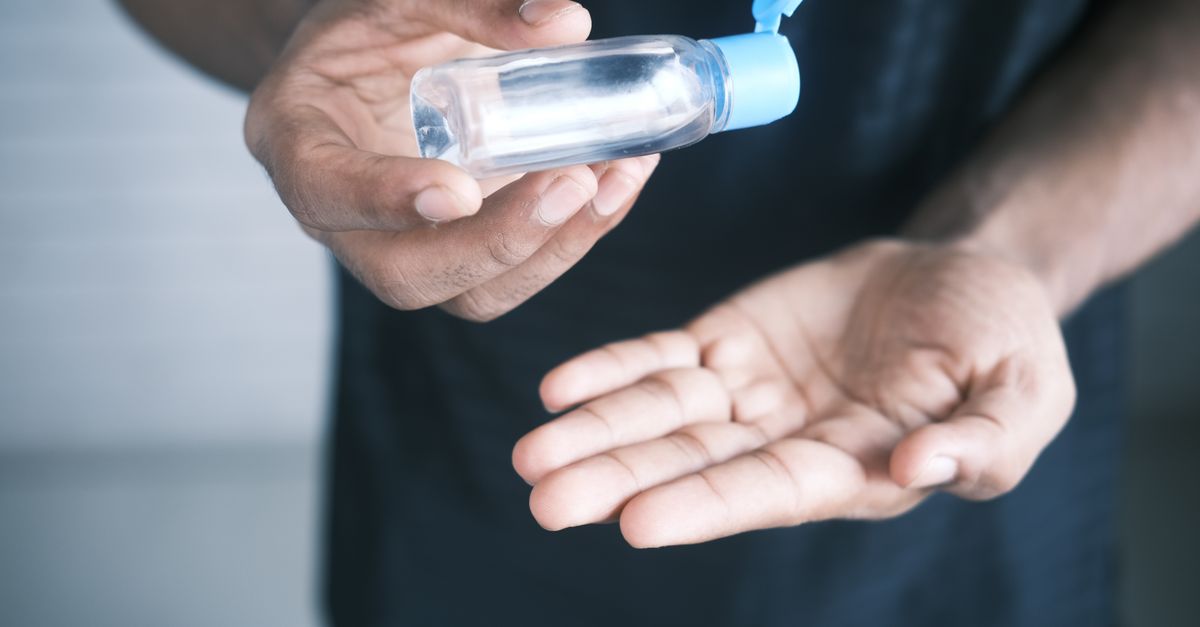
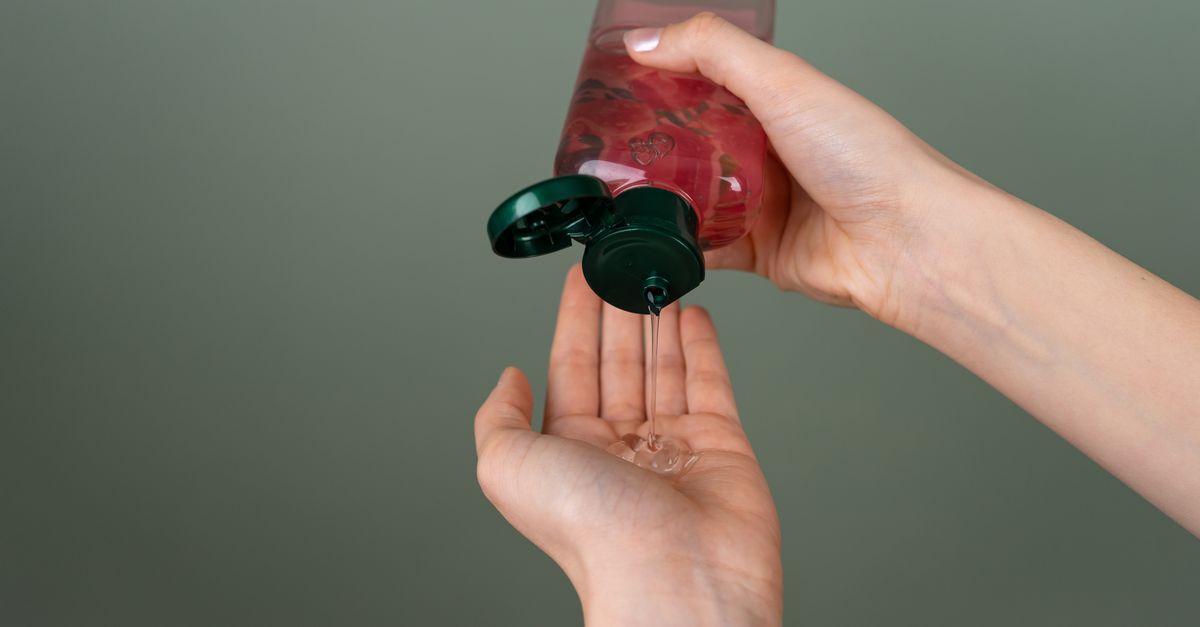
The correct application protocol requires dispensing a sufficient volume of the product directly into the cupped palm to thoroughly wet the entire surface of both hands. The user must then engage in vigorous mechanical friction, rubbing the hands together forcefully. This friction must rigorously cover the palmar surfaces, the dorsal aspects, the deep interdigital webs, and the heavily contaminated periungual regions surrounding the fingernails.
This aggressive rubbing action must be sustained continuously until the hands are entirely dry, typically requiring twenty to thirty seconds. If the user wipes their hands on a towel before the product has naturally evaporated, they prematurely halt the protein denaturation process, negating the intended bactericidal efficacy. The sanitizer may be applied frequently throughout the day as dictated by direct environmental exposure risks.
4. In-Depth Side Effects Analysis of Unscented Sanitizer
The adverse reaction profile of an unscented sanitizer is driven entirely by the lipid-dissolving nature of the alcohol solvent. By repeatedly dissolving the protective lipid layers of the stratum corneum, the product initiates a predictable sequence of dermatological disruptions.
Common Side Effects
The most universally reported side effects involve progressive epidermal dehydration. Frequent users invariably report persistent skin dryness, a highly uncomfortable sensation of superficial tightness, and mild to moderate localized peeling. A brief, highly intense stinging sensation is universally experienced if the alcohol contacts microscopic abrasions or severely chapped cuticles.
Serious Side Effects You Should Report
Should the repetitive application precipitate a severe hypersensitivity reaction or advanced irritant contact dermatitis, medical intervention is required. Symptoms of this advanced state include deep, exquisitely painful cracking of the knuckles, intense underlying erythema, and weeping lesions. Accidental exposure of the product to the ocular mucosa results in immediate chemical burning and robust conjunctival inflammation.
Rare Side Effects
Systemic toxicity resulting from dermal absorption is a theoretical anomaly, practically non-existent in healthy adults utilizing the product for standard hygienic purposes. Measurable blood alcohol levels secondary to topical use have historically been confined strictly to massive, full-body applications on severely compromised skin in highly specific clinical scenarios.
Side Effects That Usually Do Not Require Medical Attention
Mild whitening of the skin immediately following complete evaporation or a brief, pronounced cooling sensation as the volatile liquid rapidly transitions to a gas are entirely normal physical properties of the solvent and require no targeted medical consideration.
| Side Effect Category | Specific Symptoms |
|---|---|
| Dermatological | Severe dryness, scaling, transient sharp stinging on abrasions |
| Hypersensitivity | Irritant contact dermatitis, painful knuckle fissures, redness |
| Ocular Exposure | Acute chemical burn, intense pain, involuntary heavy tearing |
| Systemic | Clinically insignificant unless accidentally ingested |
5. Overdose Symptoms & Management for Unscented Sanitizer
In standard dermatological use, a pharmacological overdose of unscented alcohol sanitizer translates merely to excessive product application resulting in severe lipid depletion and aggressive skin chapping. The acute clinical emergency arises exclusively through the ingestion pathway.
Oral ingestion of alcohol-based hand sanitizers precipitates a rapid and life-threatening toxicological crisis. Because the concentration of alcohol frequently exceeds sixty percent, the onset of severe intoxication is exceedingly rapid. Symptoms precisely mirror extreme alcohol poisoning, including profound ataxia, slurred speech, hypothermia, intractable vomiting, and a highly dangerous suppression of the airway gag reflex, creating an enormous risk for fatal pulmonary aspiration.
Emergency medical treatment for ingestion focuses instantly on securing the airway and providing robust cardiovascular support. Intravenous fluids are rapidly administered to correct severe dehydration and treat profound hypoglycemia, a frequent metabolic consequence of massive acute alcohol processing. In pediatric ingestions, blood glucose parameters must be monitored with extreme vigilance, as young children plunge into dangerous hypoglycemic states significantly faster than adults.
6. Missed Dose & What to Avoid While Using Unscented Sanitizer
The administration of Unscented Sanitizer is entirely situational and reactive. There is no scheduled dosing regimen; therefore, the concept of a missed dose is clinically irrelevant. The sanitizer should be deployed precisely when microbial contamination is suspected or logically anticipated based on the user’s immediate physical interactions.
A critical behavioral avoidance involves the concurrent presence of heavy organic matter on the hands. Users must stringently avoid relying on alcohol solutions if their hands are visibly soiled with heavy dirt, automotive grease, blood, or thick proteinaceous material. The high-concentration alcohol will rapidly coagulate the organic matter on the skin surface, physically trapping viable pathogens underneath the coagulated layer. Mechanical washing with water and detergent is an absolute necessity prior to applying alcohol in these instances.
Furthermore, users should rigorously refrain from applying the solution to delicate mucous membranes, including the lips, the interior of the nasal passages, and genitalia. The lack of a robust, protective keratinized outer layer on these sensitive tissues ensures the chemical solvent will cause immediate cellular damage and excruciating localized pain.
7. Drug & Alcohol Interactions with Unscented Sanitizer
Due to the lack of meaningful systemic absorption when the solution is utilized correctly on intact skin, Unscented Sanitizer does not engage in pharmacokinetic interactions with orally administered medications, intravenous pharmaceutical therapies, or complex hepatic enzyme systems.
Topical interactions require highly careful clinical management. Using high-concentration alcohol concurrently with other aggressive topical agents, such as prescription-strength acne medications, highly concentrated salicylic acid, or heavily medicated eczema ointments, will predictably produce an overwhelming, additive irritant effect. The alcohol severely strips away the delicate lipid barriers attempting to heal under the influence of medications, compounding localized inflammation.
This principle of avoiding compounded irritation is critical when managing severe skin conditions, heavily mirroring the strict topical application protocols discussed in our clinical guides concerning powerful retinoid agents like tretinoin. There are no physiological contraindications regarding the systemic consumption of alcoholic beverages while utilizing this topical antiseptic.
8. Precautions, Safety & Duration of Action of Unscented Sanitizer
The duration of antimicrobial protection offered by this alcohol solution is virtually non-existent following complete evaporation. The liquid acts aggressively to neutralize pathogens only during the brief seconds it remains wet on the skin. The moment the hands are entirely dry, they are fully susceptible to immediate recontamination upon touching any new, non-sterile surface.
Robust precautions are strongly advised when establishing hygiene routines for young pediatric populations. The delicate epidermal structure of infants is highly permeable and inherently prone to rapid chemical dehydration. Young children must only use the solution under direct, continuous adult supervision to ensure they rub their hands completely dry and do not attempt to place wet fingers into their mouths or eyes.
For pregnant and nursing individuals, the standard topical use of this product for routine hand hygiene is widely considered highly safe within clinical guidelines. The entirely negligible systemic absorption ensures that fetal exposure or transfer of ethanol into human breast milk is not a practical clinical concern.
9. How to Stop Taking Unscented Sanitizer & Storage Guidelines
Transitioning away from this specific antiseptic solution requires absolutely no medical tapering protocol. Users can abruptly switch to traditional, non-medicated cosmetic soap and water at any time without experiencing any form of localized or systemic physiological withdrawal symptoms.
Proper storage is critical to maintaining the chemical stability and safety of the highly flammable active ingredient. The product container must be stored at controlled room temperature, strictly shielded from direct, prolonged exposure to intense sunlight or excessive ambient heat sources. Storing the solution in highly heated environments increases internal vapor pressure, elevating the risk of structural container failure or dangerous accelerated evaporation of the antimicrobial alcohol base.
Disposal of empty or partially filled containers must be handled responsibly and strictly in accordance with local municipal regulations governing highly flammable liquids. Routine household disposal of completely empty, dry plastic containers is generally appropriate and safe for standard recycling protocols.
10. When to See a Doctor Regarding Unscented Sanitizer
Consulting a medical professional is necessary if the use of the solution precipitates severe, unmanageable dermatological reactions. If the hands develop deep, persistently bleeding fissures, aggressive swelling, or unremitting lesions that entirely fail to resolve upon discontinuing the product, a physician must assess the heavily compromised skin for a superimposed bacterial infection requiring targeted antibiotic intervention.
Accidental exposure to the ocular mucosa demands immediate, aggressive action. If prolonged, continuous flushing with tepid water for twenty minutes fails to eliminate extreme ocular pain, severe visual blurring, or robust redness, the patient requires an urgent, specialized evaluation by an ophthalmologist to definitively rule out permanent corneal abrasion or chemical keratopathy.
Patients who find themselves trapped in an obsessive-compulsive cycle of compulsive over-sanitizing, resulting in severe, self-inflicted tissue damage, must be rapidly referred to a mental health specialist. Managing the underlying severe anxiety disorder is equally as critical as medically treating the localized tissue trauma.
Frequently Asked Questions (FAQ)
1. Why does this specific hand sanitizer cause my hands to feel so tight?
The active alcohol ingredient aggressively destroys the lipid membranes of bacteria, but it simultaneously strips away the highly necessary, natural protective oils on your own skin. This profound lack of moisture causes the skin to rapidly contract and feel exceptionally rough.
2. How long must I rub my hands together for the solution to work?
To achieve maximum antimicrobial efficacy, you must scrub vigorously for twenty to thirty seconds, or until your hands are entirely dry. Wiping your hands before they dry stops the chemical process and leaves live bacteria on your skin.
3. Does an unscented sanitizer work as well as the scented versions?
Yes, it works identically. The bacteria-killing power comes entirely from the alcohol concentration. The lack of fragrance actually makes this formulation significantly safer for your skin by reducing the risk of allergic reactions.
4. Is it safe to apply hand lotion immediately after the sanitizer dries?
Yes, applying a non-medicated, fragrance-free, highly moisturizing hand cream immediately after your hands have completely dried is an excellent clinical strategy to physically rebuild the compromised skin barrier and prevent severe irritation.
5. Can I use this to clean an open wound on my leg?
It is strongly advised against. Applying concentrated alcohol into an open wound damages healthy tissue cells attempting to heal the injury and causes extreme pain. Sterile saline or plain soap and water are the standard clinical recommendations for minor wound cleansing.
6. What should I do if my child swallows a mouthful of the liquid?
Do not induce vomiting, as the highly irritating liquid can easily be accidentally inhaled into the lungs during emesis. Contact a local poison control center or seek emergency medical evaluation immediately to ensure airway safety and monitor blood sugar levels.
7. Does this product expire and lose its effectiveness?
Yes. Over time, the highly volatile alcohol content slowly evaporates out of the container. Once the alcohol concentration drops below sixty percent, it is no longer chemically capable of effectively destroying bacterial proteins, leaving you completely unprotected.
Bibliography
Disclaimer: The content is for informational purposes only and does not replace medical advice. Always consult your doctor or pharmacist for personalized treatment.