
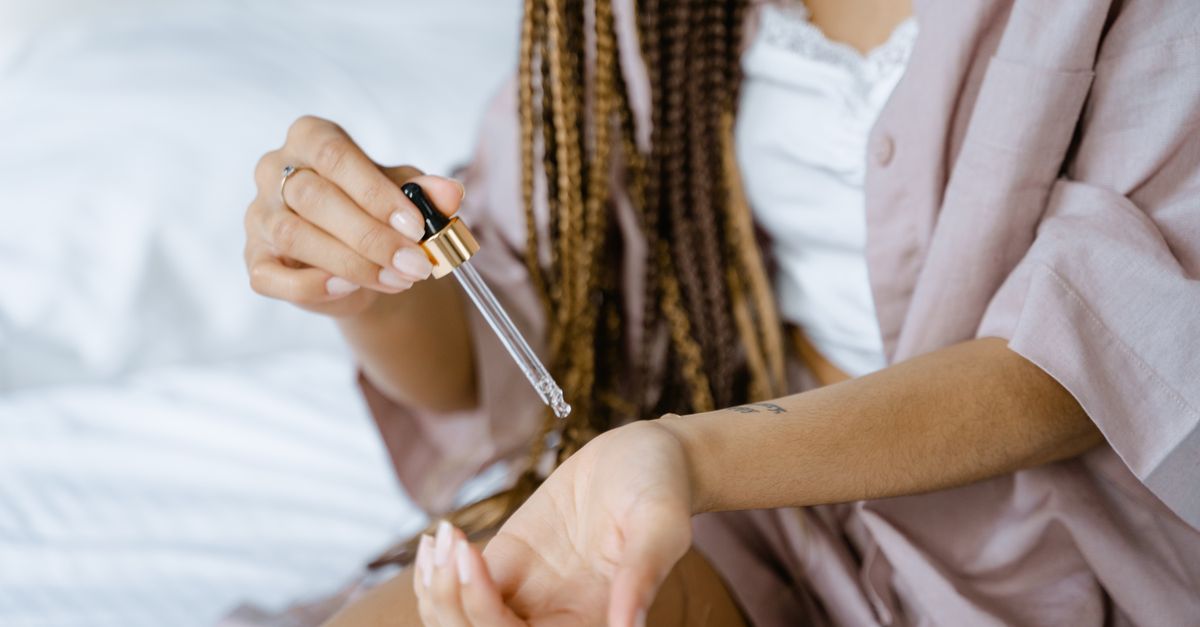
Vitiligo Organics is a topical botanical formulation utilized to encourage skin repigmentation in individuals suffering from vitiligo. The most notable side effect is photosensitivity and potential skin irritation, making controlled ultraviolet exposure critical to avoid severe burns.
1. Introduction & Mechanism of Action of Vitiligo Organics
This formulation relies on a synergistic blend of botanical extracts to stimulate melanogenesis. The primary active component, derived from the whole plant of Cullen corylifolium, contains natural psoralens. When these psoralens are applied to the depigmented skin and subsequently exposed to sunlight, they sensitize the local tissues to ultraviolet radiation.
This controlled phototoxic reaction stimulates the proliferation and migration of melanocytes into the depigmented areas. Furthermore, the inclusion of Nigella sativa seed and Berberis vulgaris root bark provides significant antioxidant and anti-inflammatory support, creating a favorable microenvironment for cellular regeneration and melanin production.
2. Warnings & Prerequisites Before Using Vitiligo Organics
The primary clinical warning regarding this botanical mixture involves the severe risk of phototoxicity. Because psoralens make the skin highly sensitive to ultraviolet light, uncontrolled sun exposure can lead to severe blistering and second-degree burns. Patients must follow rigid sun exposure guidelines as directed by a dermatologist.
This product should not be used on broken, bleeding, or infected skin. Patients with a known history of skin cancer, particularly melanoma or squamous cell carcinoma, must consult an oncologist before utilizing any psoralen-based therapies, as ultraviolet stimulation can theoretically promote malignant cellular changes.
3. Clinical Indications & Vitiligo Organics Dosage Guide
Vitiligo Organics is indicated for the topical management of vitiligo, a condition characterized by the autoimmune destruction of melanocytes resulting in white patches on the skin. It is applied directly to the affected areas to restore normal pigmentation.
The liquid must be applied sparingly to the depigmented lesions once or twice daily. Following application, the treated area requires carefully timed exposure to natural sunlight, starting with just a few minutes a day and very gradually increasing. Consistency in daily application and measured light exposure is paramount for achieving visible repigmentation.
4. In-Depth Vitiligo Organics Side Effects Analysis
While botanical in origin, the active psoralens create profound physiological changes in the skin that can lead to adverse cutaneous reactions.
Common Side Effects
The most frequent side effects are localized to the application site. Patients commonly report mild erythema, or redness of the skin, which is actually a desired response indicating the psoralens are active. Mild pruritus, or itching, and a slight warming sensation during sun exposure are also very common.
Serious Side Effects You Should Report
Severe phototoxic reactions constitute a medical emergency. If a patient experiences severe blistering, deep tissue pain, or widespread burning sensations, the treatment must be halted immediately. Additionally, signs of allergic contact dermatitis, such as severe swelling, weeping sores, or spreading hives, mandate immediate dermatological evaluation.
Rare Side Effects
In rare cases, prolonged use combined with excessive ultraviolet exposure can lead to hyperpigmentation, where the treated skin becomes significantly darker than the surrounding normal skin. Premature skin aging and the rare development of actinic keratoses have been noted in populations undergoing long-term psoralen and ultraviolet therapies.
Side Effects That Usually Do Not Require Medical Attention
Transient dryness or minor skin peeling at the margins of the treated patches generally resolves without intervention. Utilizing a basic, fragrance-free moisturizer often mitigates these minor epidermal irritations.
| Side Effect Category | Specific Symptoms |
|---|---|
| Dermatological | Erythema, pruritus, localized dryness |
| Phototoxic | Severe blistering, thermal burns, intense pain |
| Pigmentary | Hyperpigmentation of surrounding skin |
| Allergic | Contact dermatitis, localized edema |
5. Recognizing a Vitiligo Organics Overdose
In the context of a topical psoralen product, an overdose presents as acute and severe sun poisoning. Over-application of the liquid followed by prolonged sun exposure will result in massive tissue blistering, severe pain, and systemic signs such as fever and chills.
Emergency management requires treating the affected areas exactly like severe thermal burns. Medical professionals may administer topical corticosteroids, systemic pain relief, and intensive wound care to prevent secondary bacterial infections.
6. Missed Dose & What to Avoid While on Vitiligo Organics
If an application is missed, it should simply be applied at the next scheduled time. Patients should never apply a double amount of the liquid to make up for a missed dose, as this exponentially increases the concentration of psoralens and the resulting risk of burns.
Patients must strictly avoid artificial tanning beds while using this product. The ultraviolet output of commercial tanning equipment is highly variable and often vastly exceeds the safe threshold for psoralen-sensitized skin. Furthermore, avoiding topical cosmetics containing salicylic acid on the treated areas is recommended to prevent chemical irritation.
7. Vitiligo Organics Drug & Botanical Interactions
Topical interactions can occur if other medicated ointments are applied concurrently. Using topical corticosteroids or calcineurin inhibitors on the exact same skin patches without a physician’s guidance can thin the skin and alter the absorption of the botanical psoralens.
Patients must also be cautious regarding systemic photosensitizing medications. Taking certain oral antibiotics, such as doxycycline or ciprofloxacin, while using this product will cause a compounding phototoxic effect, making the skin dangerously sensitive to even minimal light exposure.
8. Precautions, Safety Profile & Duration of Action for Vitiligo Organics
The phototoxic potential of the applied psoralens remains active in the skin for several hours after application. Therefore, if the daily prescribed sun exposure time has been met, the patient must rigorously protect the treated skin from further sunlight for the remainder of the day using clothing or high-grade zinc oxide sunscreens.
Repigmentation is a slow cellular process. The safety profile supports long-term use, but patients should expect to wait three to six months to evaluate the true clinical efficacy of the regimen.
9. How to Safely Stop Vitiligo Organics & Storage Guidelines
This topical formulation can be stopped at any time without experiencing systemic withdrawal symptoms. However, discontinuing the treatment may result in the gradual fading of newly formed pigment if the underlying autoimmune process remains highly active.
The bottle must be stored in a cool, dark place away from direct sunlight, as light exposure degrades the active botanical compounds. Ensure the cap is secured tightly and keep the product strictly away from children and pets.
10. When to Seek Medical Attention for Vitiligo Organics Side Effects
Immediate medical attention is required if the skin develops large, painful blisters filled with fluid. Furthermore, if the treated skin begins to exude yellow pus or becomes increasingly hot and swollen, urgent care is necessary to address a potential secondary bacterial infection.
Frequently Asked Questions FAQ
1. How does this botanical mixture help with vitiligo?
It contains natural plant compounds called psoralens that make depigmented skin highly sensitive to light, which stimulates pigment-producing cells to return to the area.
2. Can I apply this and go straight to the beach?
Absolutely not. You must strictly follow a measured sun exposure schedule starting with just a few minutes. Uncontrolled exposure will cause severe burns.
3. Does this product cure vitiligo completely?
No, it is a treatment designed to manage symptoms and encourage repigmentation, but it does not cure the underlying autoimmune condition.
4. Can I use a moisturizer over the liquid?
You should wait several hours after application and the required sun exposure before applying any lotions to ensure the active ingredients are fully absorbed.
5. What should I do if my skin turns bright red?
Mild pinkness is expected, but if the skin becomes bright red, painful, or hot, you have experienced a phototoxic burn and must stop treatment and consult your doctor immediately.
6. Is it safe to use on the face?
Yes, but facial skin is significantly more delicate. The sun exposure time must be reduced, and great care must be taken to keep the liquid away from the eyes.
7. How long will it take to see brown spots appearing?
Most patients begin to see small, freckle-like dots of pigment within eight to twelve weeks of consistent, daily application and proper light exposure.
Bibliography
Disclaimer: The content is for informational purposes only and does not replace medical advice. Always consult your doctor or pharmacist for personalized treatment.
