
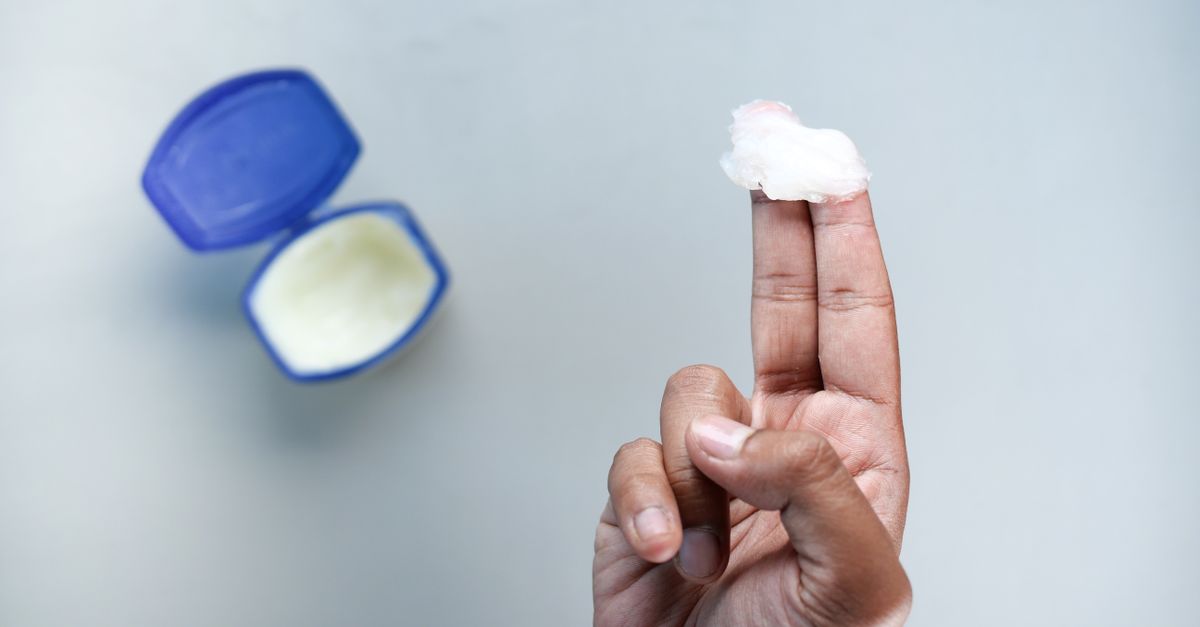
Warrior Chiggerex Relief is a topical anesthetic ointment utilizing benzocaine to provide rapid and profound numbness to severely itchy and painful insect bites. The most critical and potentially fatal side effect associated with its misuse is methemoglobinemia, a severe hematological disorder that drastically reduces the oxygen-carrying capacity of the blood.
1. How Warrior Chiggerex Relief Works in the Body
Benzocaine operates as a highly potent ester-type local anesthetic. Its primary pharmacological mechanism centers entirely on the direct and reversible blockade of voltage-gated sodium channels situated within the neuronal cell membranes of the peripheral nervous system.
When a patient suffers a severe insect bite, localized tissue damage and venom release send intense pain and pruritus signals to the brain via electrical action potentials. These action potentials require a rapid and massive influx of sodium ions into the nerve cell to depolarize the membrane. When this ointment is applied to the epidermis, the highly lipophilic benzocaine molecules penetrate the stratum corneum and bind securely to the intracellular portion of these specific sodium channels. This chemical binding physically occludes the channel pore, completely halting the influx of sodium ions.
By aggressively preventing cellular depolarization, the targeted nerve ending is rendered temporarily incapable of generating or transmitting itch or pain impulses up the spinal cord to the central nervous system. The numbing effect is profound and strictly localized. Unlike amide anesthetics, benzocaine is poorly soluble in water, allowing it to remain at the application site longer without absorbing rapidly into the systemic circulation under normal conditions.
2. Critical Warnings Before Using Warrior Chiggerex Relief
CRITICAL WARNING: METHEMOGLOBINEMIA RISK
The most severe clinical warning regarding benzocaine involves the unpredictable development of methemoglobinemia. This is a life-threatening blood disorder where the hemoglobin molecule is chemically altered, rendering it completely unable to release oxygen to the body tissues. Patients must never apply this ointment over large surface areas, on deeply broken skin, or use it more frequently than directed. Signs of cyanosis, such as blue lips or gray nail beds, mandate immediate emergency medical intervention.
Patients with a known history of severe hypersensitivity to ester-type local anesthetics, or those allergic to para-aminobenzoic acid derivatives like certain sunscreens or hair dyes, must strictly avoid benzocaine. Ester anesthetics are notoriously prone to causing severe allergic contact dermatitis, transforming a minor bug bite into a massive and weeping allergic rash.
Furthermore, this medication must never be utilized heavily on pediatric patients under two years of age without explicit pediatric supervision. Young children possess a drastically higher risk of developing fatal methemoglobinemia from even small topical doses of benzocaine.
3. Indications and Proper Dosage for Warrior Chiggerex Relief
Warrior Chiggerex Relief is formally indicated for the temporary relief of severe localized pain, intense burning, and pruritus associated with chigger bites, mosquito bites, tick bites, and minor superficial skin irritations. It is specifically formulated to provide targeted numbness to extremely localized, intensely itchy lesions.
Proper dosage relies entirely on utilizing the absolute minimum volume of product necessary to achieve itch relief. For adult patients and children over two years of age, a very small dab of the ointment should be applied directly to the intact bug bite no more than three to four times daily. The medication must never be applied to deeply abraded, actively bleeding, or heavily infected excoriations resulting from severe scratching.
The application site must be left completely uncovered and exposed to room air. Applying heat pads, tight bandages, or heavy occlusive dressings over the treated bites heavily dilates local blood vessels and forces the benzocaine into systemic circulation, virtually guaranteeing acute toxicity.
4. In-Depth Side Effects Analysis of Warrior Chiggerex Relief
Topical benzocaine is generally considered safe when used sparingly on small and localized insect bites. However, local allergic tissue reactions are quite common, and the ever-present risk of catastrophic methemoglobinemia mandates immense clinical respect for the drug.
| Side Effect Category | Specific Symptoms |
|---|---|
| Dermatological | Severe erythema, localized burning, intense contact dermatitis |
| Hematological Systemic | Methemoglobinemia, cyanosis, profound fatigue, tachycardia |
| Neurological Systemic | Confusion, severe dizziness, seizures from massive absorption |
Common Side Effects
The most frequent localized side effects include transient stinging immediately upon application, especially if the bug bite has been heavily scratched and is raw. Patients may also experience mild and temporary erythema directly surrounding the application site.
Serious Side Effects You Should Report
Any signs pointing to methemoglobinemia demand immediate emergency intervention. Warning signs include a sudden blue, gray, or pale tint to the skin, lips, or nail beds. The patient may experience severe shortness of breath, profound fatigue, confusion, and a racing heart rate. If the application site develops severe weeping blisters, deep tissue sloughing, or a rapidly spreading red rash, the ointment must be washed off completely and the area evaluated by a physician.
Rare Side Effects
In rare clinical instances, massive systemic absorption of benzocaine from applying it over the entire legs or arms can lead to traditional local anesthetic systemic toxicity. This presents as severe tinnitus, muscle twitching, and massive seizures, culminating in fatal cardiac arrest.
Side Effects That Usually Do Not Require Medical Attention
Complete lack of sensation at the specific bug bite is the intended and desired pharmacological action. Minor and transient redness that fades as the numbing effect begins requires absolutely no medical intervention.
5. Symptoms of Benzocaine Overdose and Necessary Actions
Topical overdose resulting in systemic toxicity is a catastrophic medical emergency. The clinical progression of severe methemoglobinemia presents rapidly. The patient’s blood turns a dark chocolate brown color, and they will exhibit profound cyanosis unresponsive to standard oxygen therapy. The lack of tissue oxygenation will rapidly cause severe lethargy, confusion, syncope, and fatal cardiovascular collapse.
If systemic toxicity or cyanosis is suspected, the caregiver must immediately and aggressively wash all remaining ointment from the patient’s skin using copious amounts of soap and cool water. Emergency medical services must be dispatched instantly. In a clinical resuscitation setting, treatment involves advanced cardiac life support protocols and the rapid intravenous administration of methylene blue. This specific antidote acts quickly to chemically reduce the methemoglobin back into functional, oxygen-carrying hemoglobin.
6. Managing a Missed Dose of Warrior Chiggerex Relief and What to Avoid
Because this is a strictly as-needed analgesic therapy for bug bites, a missed dose is clinically irrelevant. The patient should simply apply a tiny dab when the severe localized itch returns, ensuring they do not exceed the strict daily application limit of four times per day.
Patients must actively avoid applying the medication over large areas of the body, such as covering the entire calf for multiple mosquito bites. They should only dot the medication directly onto the individual bites. Furthermore, patients must actively avoid scratching the treated area. The profound numbness eliminates the protective pain reflex, and a patient can easily scratch deeply enough to cause severe tissue damage and introduce a massive staphylococcal bacterial infection without feeling the trauma.
7. What Drugs Interact with Warrior Chiggerex Relief?
Systemic drug interactions are a critical clinical concern if significant amounts of the topical anesthetic are absorbed into the bloodstream or if the patient develops methemoglobinemia.
Concurrent use of this ointment with other medications known to cause methemoglobinemia must be heavily monitored or avoided entirely. Combining benzocaine with systemic sulfonamide antibiotics, acetaminophen in massive doses, or certain antimalarial drugs drastically and synergistically increases the risk of this fatal blood disorder.
Additionally, patients should aggressively avoid utilizing other topical ester or amide anesthetics, such as lidocaine hydrochloride creams, on different parts of the body while using benzocaine. The toxic threshold for central nervous system side effects is entirely cumulative across all anesthetics applied to the body simultaneously.
8. Safety Precautions and Duration of Action for Warrior Chiggerex Relief
A critical safety precaution is strict adherence to application surface area limits. The caregiver applying the product must wash their hands thoroughly immediately after application to prevent unintended and highly dangerous numbing of their own fingers or eyes. The product must be kept far away from the mouth and respiratory tract.
The onset of action is remarkably fast, usually achieving peak localized anesthesia within one to three minutes. The duration of action is relatively short due to rapid hydrolysis by plasma esterases, typically wearing off entirely within thirty to sixty minutes. This short duration is why patients often feel compelled to overuse the medication, heavily increasing toxicity risks.
9. Discontinuing and Storing Warrior Chiggerex Relief Safely
The medication should be discontinued as soon as the acute localized itching from the bug bite subsides to a manageable baseline. There is no physical withdrawal syndrome associated with topical benzocaine, though the underlying itch may return if the primary inflammatory response has not completely healed.
Proper storage is paramount for household safety. The tube must be securely tightened and stored at room temperature, absolutely out of reach of young children and pets. Accidental ingestion of even a tiny amount of concentrated benzocaine ointment by a child or small animal is rapidly fatal, almost instantly inducing severe methemoglobinemia and seizures.
10. When to Seek Medical Attention for Benzocaine Side Effects
Immediate and emergency medical attention is mandatory if the patient exhibits any signs of methemoglobinemia, such as suddenly developing a blue or gray tint to the skin, lips, or nail beds, accompanied by severe lethargy, shortness of breath, and a rapid heart rate. This is a true hematological emergency.
Emergency care is also strictly required if the patient exhibits any neurological symptoms of systemic toxicity, including sudden confusion, slurred speech, uncoordinated movements, muscle twitching, or seizures. Furthermore, a dermatologist must be consulted immediately if the application site develops painful blistering, deep necrotic tissue changes, or a widespread and intensely itchy rash indicating severe allergic contact dermatitis.
Frequently Asked Questions (FAQ)
1. Can I rub this all over my legs if I have dozens of chigger bites?
Absolutely not. Applying concentrated benzocaine over a large surface area will cause massive and fatal systemic absorption into your bloodstream, leading to a severe blood disorder. Only apply a tiny dot to each individual bite.
2. Why do my lips look slightly blue after putting this on my arm?
Blue lips or gray skin are major neurological warning signs of methemoglobinemia, a fatal blood disorder caused by benzocaine. You must wipe the ointment off immediately and seek emergency medical care.
3. Can I use this on a deep open scratch to stop the stinging?
No. The medication must only be applied to completely intact skin. Open and bleeding wounds will absorb the drug instantly, leading to severe and life-threatening systemic toxicity.
4. Is it safe to put a band-aid over the bug bite after applying the ointment?
No. Creating an occlusive dressing over the medication forces dangerous and lethal amounts of the drug into your blood, drastically increasing the risk of systemic side effects.
5. Is it safe to use a heating pad on the itchy area?
No. Heat heavily dilates the blood vessels under the skin, which will suck the benzocaine rapidly into your systemic bloodstream and cause severe internal toxicity.
6. How much ointment is safe to use at one time?
You should use the absolute smallest dab possible directly on the center of the bug bite. Never apply it thickly or spread it like a daily moisturizing lotion.
7. Can I use this on my infant who has mosquito bites?
You must never use benzocaine products on children under two years old without explicit pediatric direction. Infants have a massively elevated risk of dying from the blood disorders caused by this medication.
Bibliography
Disclaimer: The content is for informational purposes only and does not replace medical advice. Always consult your doctor or pharmacist for personalized treatment.
